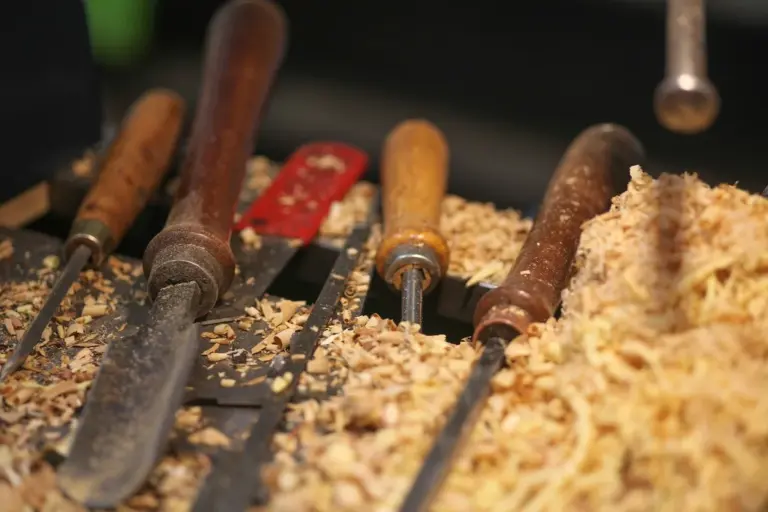
Is Your Wood Epoxy Project Food-Safe? The Woodworker’s Guide to FDA Codes and Material Science
Food-safe epoxy for wood: FDA codes, curing stages, heat and scratch resistance—answers for curious woodworkers.

Helping woodworkers using science and experience
Helping woodworkers using science and experience
A category centered on bonding wood with adhesives, covering adhesive selection, application, and joint performance.
Food-safe epoxy for wood: FDA codes, curing stages, heat and scratch resistance—answers for curious woodworkers.

Epoxies and urethanes: cross-linking chemistry, durability, wood-protection surfaces, and answers to common wood questions.

Woodworkers: film thickness, adhesion, and coating failure modes; surface prep, application, testing, and wood-specific factors.
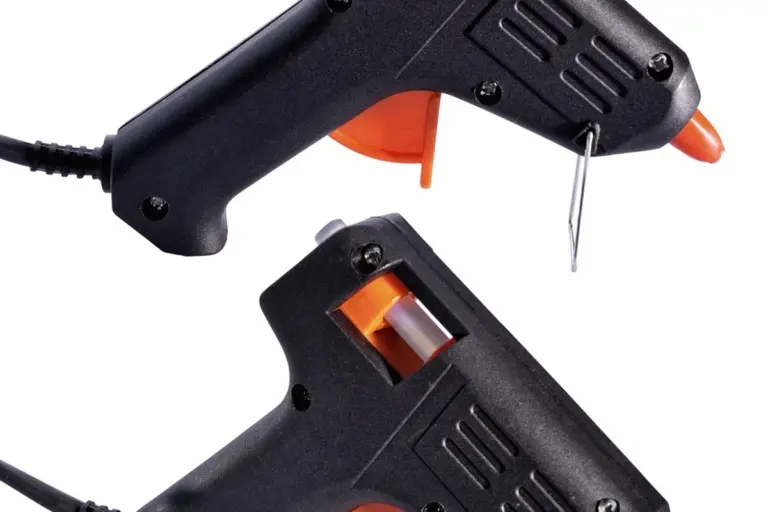
Titebond II vs III: water resistance, strength, open time, outdoor vs indoor, wood surfaces, cost—pick the right wood glue.
No-nonsense guide for woodworkers: debunk myths about waterproof glues, ratings, choosing the right glue, and performance limits.
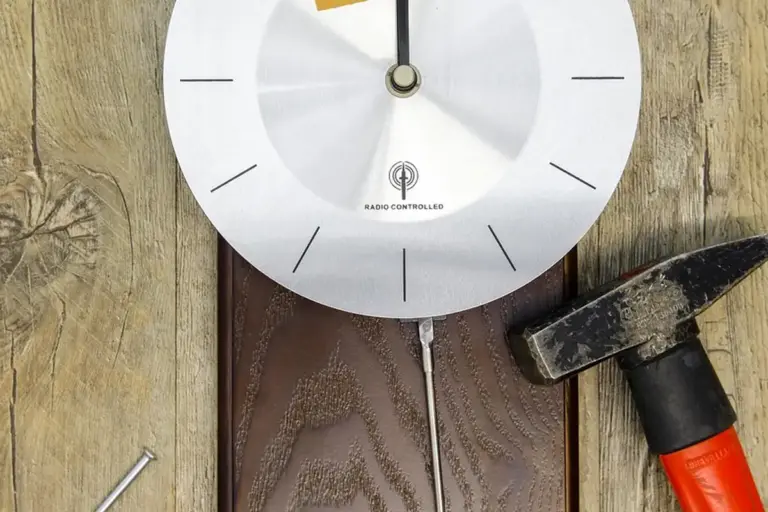
Home adhesive bond strength tests for woodworkers: DIY methods, tools, safety, interpret results, and wood materials reliability.
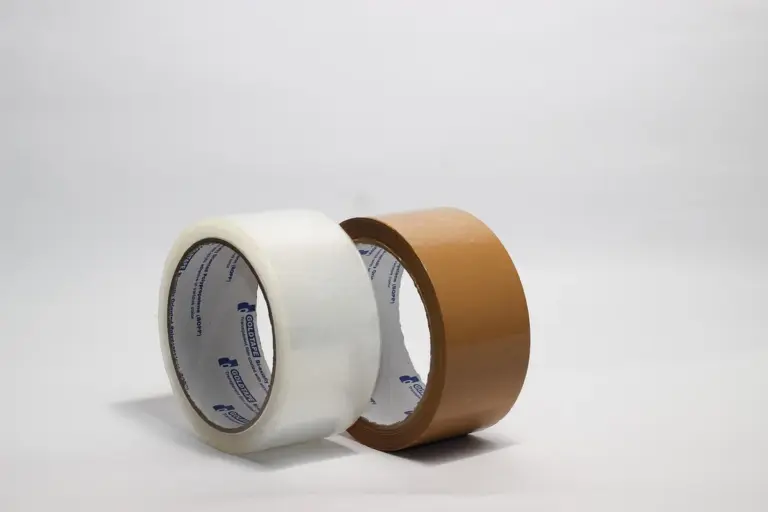
Myth: More glue equals stronger bonds—why proper application and gap-filling matter for wood materials and wood questions.

Bond oily exotic woods (teak, ipe, cocobolo): step-by-step prep, adhesive selection, clamping, curing guidance.
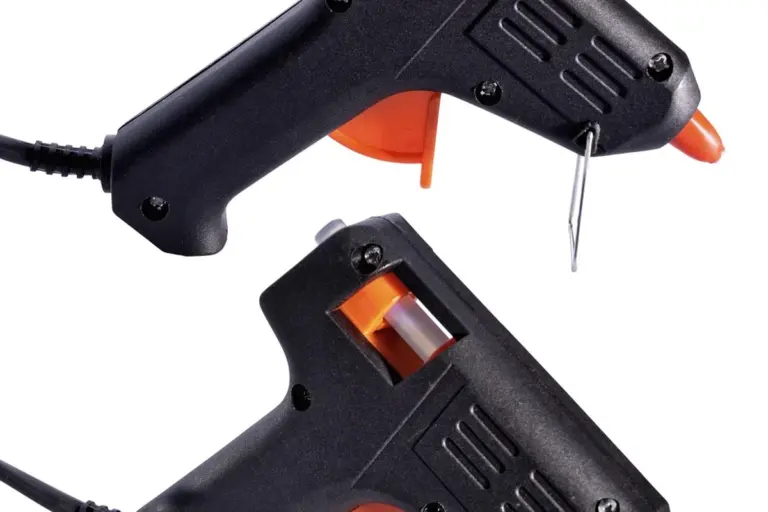
Choose the right adhesives, surface prep, clamping, cure times, and moisture control for durable outdoor wood joints.