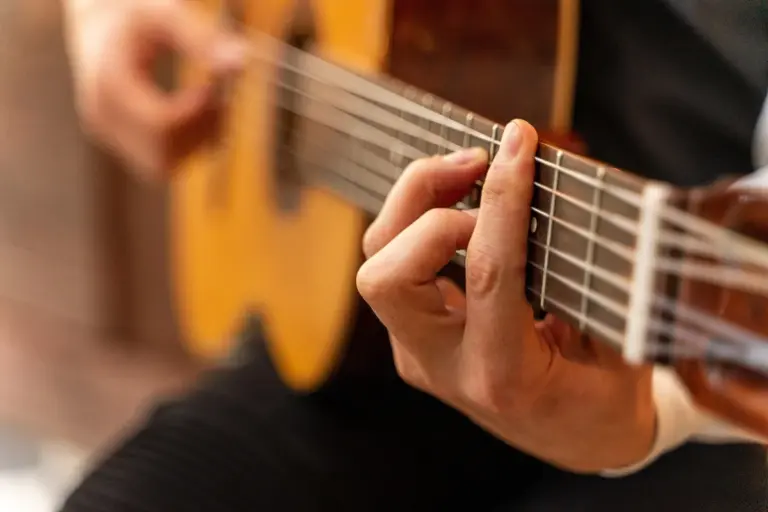
What Wood Sounds Best? A Materials Guide for Instruments and Acoustics
Best wood species for instruments and acoustics; compare density, stiffness, damping; material choices and common wood questions.

Helping woodworkers using science and experience
Helping woodworkers using science and experience
Examines how timber responds to loads, moisture, and temperature, detailing strength, stiffness, dimensional changes, and degradation processes.
Best wood species for instruments and acoustics; compare density, stiffness, damping; material choices and common wood questions.
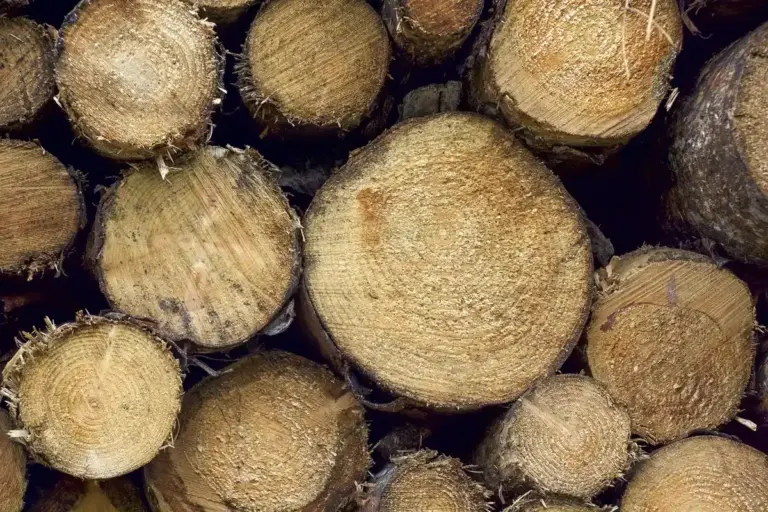
Store lumber safely: prevent mold, insects, and warping with non-chemical methods - ventilation, humidity, racks, and timing.
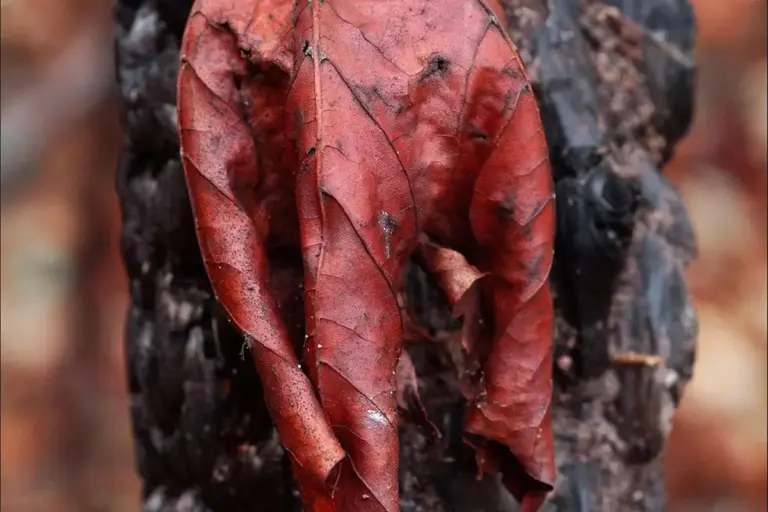
Shou Sugi Ban: does charred wood last in modern outdoor use? Durability, rot resistance, preservation, techniques, pros/cons.

Spontaneous combustion of oily rags: oxidation chem., heat, ignition risks, handling, wood safety, storage, disposal, prevention.

Safe scrap wood burning: creosote, toxins, sap hazards, and species-specific wood materials risks for fireplaces and fire pits.
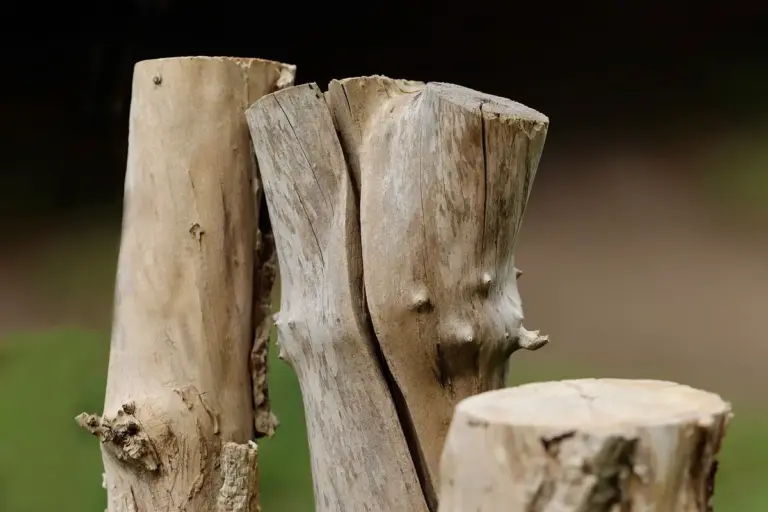
Bamboo vs traditional hardwoods: compare properties, durability, sustainability, sourcing, and workability for woodworkers.

How wood anatomy affects sound transmission and the best woods for instruments, with grain, density, damping, moisture, and tone.

Choosing wood for kids' toys: safety, hardness, finishes, coatings, splinter risk, non-toxicity, durability, and care.
Hardwood vs softwood durability debunked: factors, species, treatment, environments, and practical guidance for selecting wood.
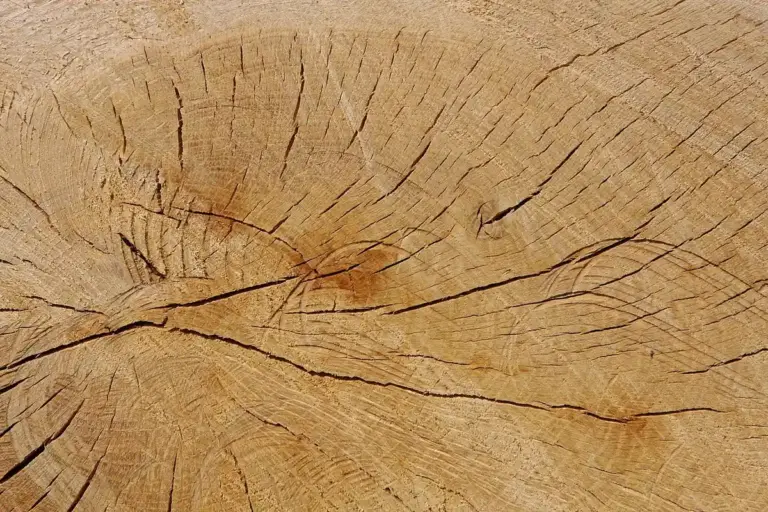
Physics-based guide to preventing and repairing wood checking and splitting: moisture, stress, temp, anatomy, and repair.