
What Wood Sounds Best? A Materials Guide for Instruments and Acoustics
Best wood species for instruments and acoustics; compare density, stiffness, damping; material choices and common wood questions.

Helping woodworkers using science and experience
Helping woodworkers using science and experience
A focused knowledge category for inquiries into the microscopic and macroscopic structure of wood.
Best wood species for instruments and acoustics; compare density, stiffness, damping; material choices and common wood questions.
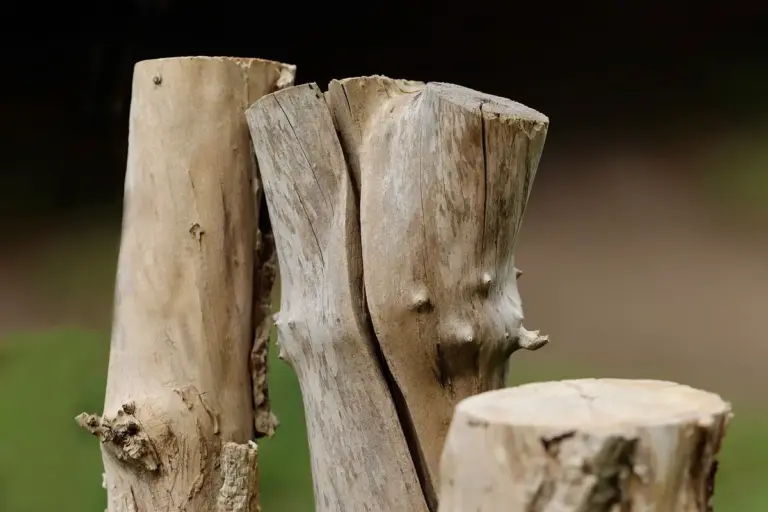
Bamboo vs traditional hardwoods: compare properties, durability, sustainability, sourcing, and workability for woodworkers.

How wood anatomy affects sound transmission and the best woods for instruments, with grain, density, damping, moisture, and tone.
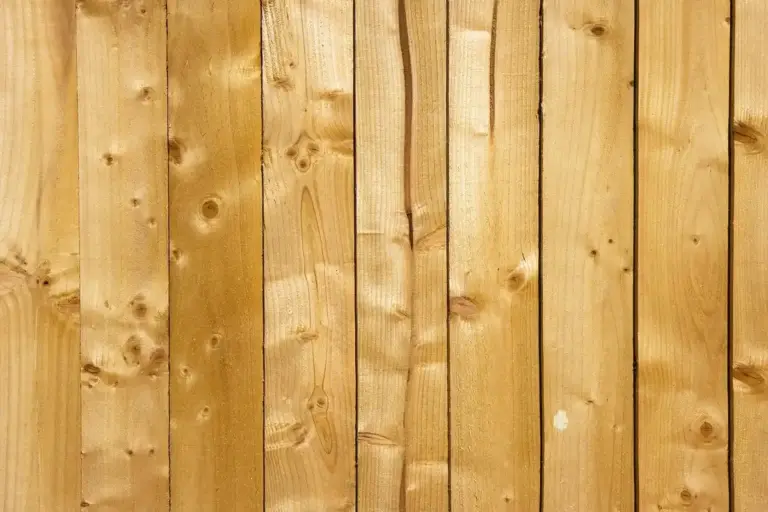
Pine vs Douglas fir: anatomy, density, strength, stiffness, shrinkage, workability, finish, glue, durability, cost, project fit.
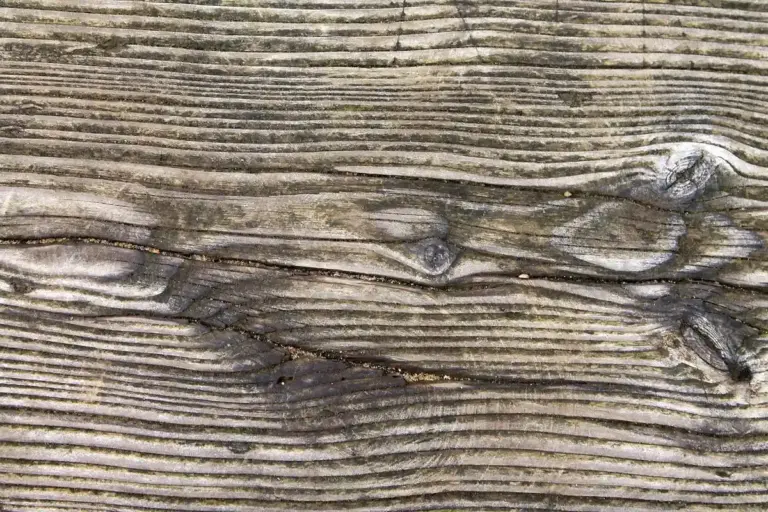
Identify quarter-sawn vs rift-sawn wood, compare stability, milling tips, joinery impact, and best uses for durable furniture.

How wood porosity drives absorption, adhesion, and surface finish; covers porosity types, species, prep, coatings, and testing.

Where to source high-quality hickory for furniture and tool handles; grain orientation, moisture content, and selection tips.
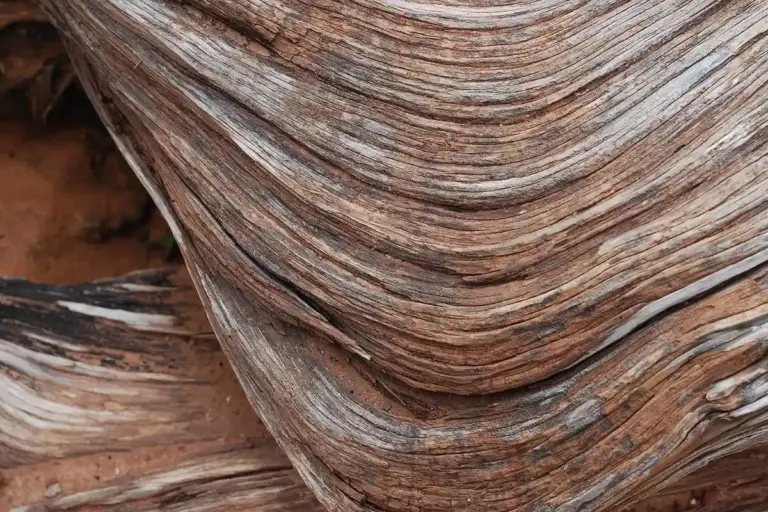
How to simulate and predict wood grain for veneer matching and inlay design: methods, models, tools, accuracy tips.

How wood species affect stain uptake, blotching, color, and finish for staining, painting, and finishing with prep, top coats.

Tips for matching wood colors, pairing species, and selecting grain, finish, and contrast for cohesive aesthetic palettes.