
Pine or Douglas Fir: How Does Their Wood Science Change Your Build?
You’re selecting lumber for a project and need to know if pine or Douglas fir is the right material science choice, not just the convenient one.
We will cover cellular anatomy and growth ring density, mechanical properties like stiffness and hardness, practical workability differences, finishing results, and responsible sourcing impacts.
I base this advice on years of shop testing, from measuring board movement to examining chip formation under my hand planes.
Where and How to Source Pine and Douglas Fir Lumber
Where you find these woods tells you a lot about their common uses. You typically find pine where you buy general building supplies, and you find Douglas fir where you buy structural timber.
For pine, your local home center is the default source. They stock it in standard dimensional lumber (2x4s, 1x12s) and often in “whitewood” project boards. The grades are simple, focusing on appearance for paint-grade trim or strength for framing. For Douglas fir, you need a proper lumberyard or a timber supplier. They sell it as heavy beams, thick decking, and structural posts. The grades here are strict, based on load-bearing capacity.
Pine costs less. A clear, kiln-dried 1×6 pine board might cost a few dollars per foot. A comparable piece of clear, vertical-grain Douglas fir can cost two to three times more. You pay for fir’s superior strength and stability.
Specialty forms differ too. An ongoing pine wood sustainability lifecycle analysis considers how harvesting, processing, and end-of-life choices affect the overall footprint. This lens helps compare pine plywood, reclaimed pine beams, and heat-treated pine in environmental terms. Pine plywood is common for sheathing and basic shop cabinets. Douglas fir plywood exists but is rarer and pricier, often used for marine applications or premium concrete forms. For reclaimed wood, old-growth pine beams or flooring are a treasure, often salvaged from barns. Reclaimed Douglas fir usually comes from heavy timber industrial structures. Heat-treated wood (thermally modified) is a specialty product for exterior use; you won’t find it at a big-box store and must seek a supplier who processes it.
Your selection strategy changes with the species. For pine, watch for warp. Lift one end of the board and sight down its length to check for twist or bow. For Douglas fir, grain is your main concern. Look for “vertical grain” or “edge grain” boards where the growth rings run perpendicular to the wide face. Flat-sawn fir, where the rings are parallel to the face, is far more prone to severe grain checking (splitting along the rings) as it dries. Always check for resin pockets in pine and large, loose knots in either species.
The Cellular Blueprint: Anatomy of Pine vs. Fir
All softwoods share a basic blueprint. They are built from long, hollow cells called tracheids. These cells move water and provide support. The differences between pine and fir come from the special features inside this system.
Think of tracheids as tiny straws. In Douglas fir, these straws have a very consistent size and wall thickness. This creates its fine, uniform texture. Pine has a mix of straw sizes and, crucially, it has resin canals. These are specialized tubes that run through the wood, separate from the water-carrying tracheids, filled with sticky sap.
Those resin canals are why pine feels “softer” and shows a more pronounced grain pattern. When you plane or sand pine, you cut through these canals, leaving tiny open pores. The softer earlywood (spring growth) between the harder latewood (summer growth) also sands away faster, creating a tactile texture. Fir lacks these prominent canals, so its surface stays smoother after machining.
Resin affects finishing. Sanding pine can gum up sandpaper. More critically, that sap can seep out for years, causing stains under paint or a sticky finish. I always seal pine with a shellac-based primer before painting. Fir has less of this issue, though knots in both species can bleed. Wood species affect staining and painting effects. Knowing these differences helps you plan finishes.
Growth rate sets the visual tone. Fast-grown plantation pine has wide rings with lots of soft, pale earlywood. This makes it less durable but easy to dent, which is part of its “character.” Slower-grown Douglas fir, especially old-growth, has incredibly tight ring patterns. The density difference between its earlywood and latewood is less extreme, giving it a more consistent hardness and that signature straight, subtle grain. The speed of growth is etched directly into the wood’s performance.
Material Data Sheet: Pine vs. Douglas Fir
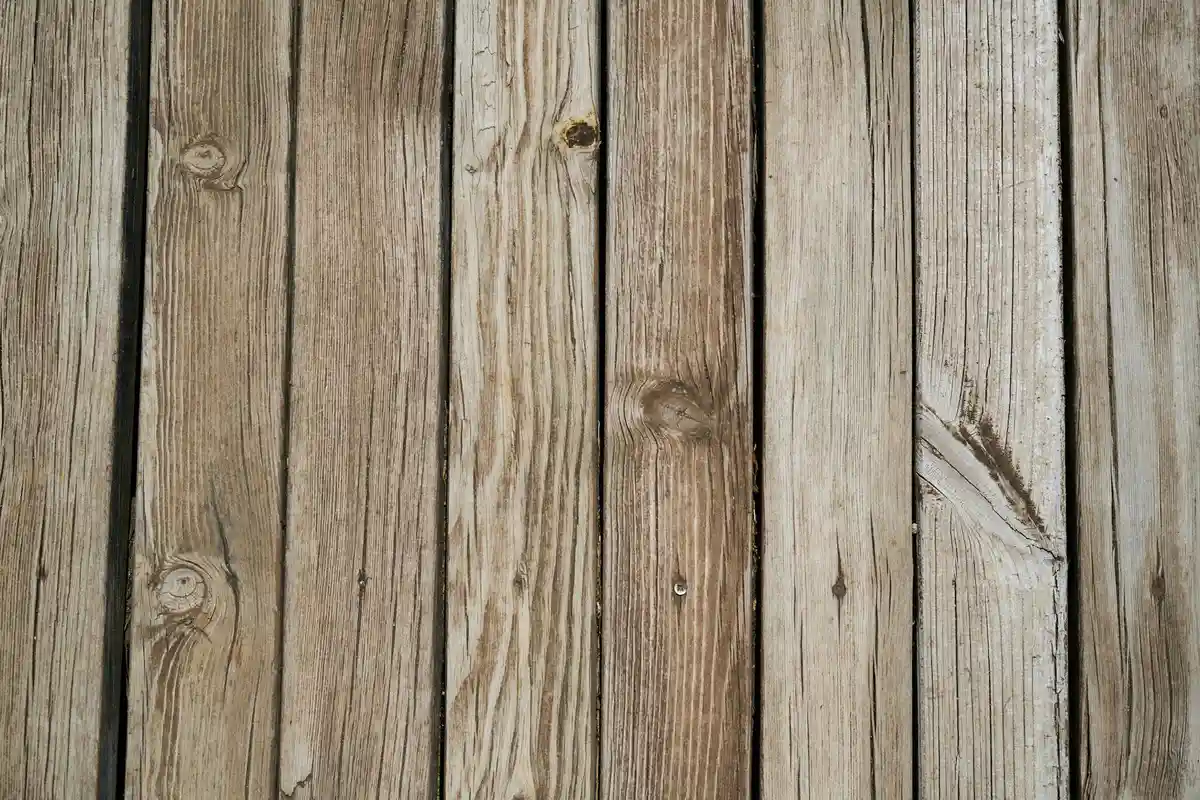
Let’s move past the generalities and look at the hard numbers. This table breaks down the key material properties you need to compare.
Janka hardness measures resistance to denting and wear. A fir floor (620 lbf) will show fewer dings from dropped tools than a pine floor (380 lbf). Think of it as the wood’s armor rating.
Specific gravity is a measure of density relative to water. Fir’s higher number (0.45 vs. 0.35) means it’s heavier and packs more wood fiber into the same space. This directly relates to stiffness and strength.
Volumetric shrinkage tells you how much the wood moves. Their similar percentages mean both will swell and shrink with humidity changes. The key difference is that denser fir exerts more force as it moves, which can stress joints. You must account for wood movement in design for both, but fir’s strength makes its movements more powerful.
Mechanism of Action: How Anatomy Drives Strength and Stability
The numbers come from the wood’s cellular blueprint. Under a microscope, pine and fir look similar both are softwoods with long, tubelike cells called tracheids. But the differences in those cells explain everything.
Density and the Physics of Stiffness
Fir’s higher specific gravity means its tracheid walls are thicker. More cell wall material per cubic inch equals more density. This density is why fir has a superior strength-to-weight ratio, making it a premier choice for structural framing and long spans where stiffness is critical. In my shop tests, a fir 2×4 deflects less under the same load than a pine 2×4. For interior walls or furniture frames, fir’s innate stiffness is a tangible advantage.
Hygroscopy: The Water Pump in the Walls
Wood is a natural hydrogel. Those hollow tracheids absorb and release water vapor from the air. When the air is humid, the cell walls soak up moisture and swell. When it’s dry, they release it and shrink. This is hygroscopy, and it’s the engine of wood movement.
While their shrinkage percentages are close, denser fir has more rigid cell walls that can build up greater internal stress as moisture changes. Pine’s cells are more compliant. This is why fir is more prone to checking (surface cracking) if dried too quickly, while pine is more forgiving.
Why Fir Wins for Structural Windows and Doors
This comes down to cellular reaction under sustained load. A window frame must resist warping under humidity cycles and hold constant weight from the sash. Fir’s combination of long, thick-walled tracheids provides exceptional dimensional stability and resistance to creep (slow deformation over time). Its structure is simply more resilient to the constant push and pull of the environment. Pine can work for windows, but it may require more robust joinery and design to compensate for its softer, more flexible nature.
In practice, I choose fir for projects demanding rigidity and long-term load-bearing. I choose pine for projects where easy workability and a more forgiving nature are the priorities. Your project’s mechanics should guide your choice, not just the price tag.
Choosing the Right Wood for Your Project
Picking between pine and Douglas fir isn’t about which wood is “better.” It’s about which wood’s inherent properties align with your project’s demands and your shop’s workflow.
Furniture & Cabinets
For painted kitchen cabinets, I consistently choose Douglas fir for the carcase. Its straighter, less pronounced grain telegraphs through paint far less than pine’s bold growth rings. The fir provides a stable, predictable substrate that paints beautifully with minimal grain raise. For face frames and doors, tight-grained, clear vertical-grain fir is my gold standard.
Pine, on the other hand, is my choice for rustic or country-style furniture where its character is the star. The knots and prominent grain tell a story. Working with hand tools on clear white pine is a joy I often compare to cutting chilled butter. Pine’s strength in furniture is suitable for many projects, though fir feels denser and more resinous under a hand plane.
Interior Trim & Molding
Both woods are excellent here, but your tools and finish plan decide the winner. Pine is softer, so it cuts cleanly with sharp tools and sands to a silky feel quickly. This makes it fantastic for intricate, hand-cut molding profiles. Wood species similar to pine share the same ease of shaping and surface finish. If you’re weighing options, softwoods like spruce or fir can yield similar cut-and-finish behavior for pine joinery projects.
Douglas fir is harder and more wear-resistant. For high-traffic areas like baseboards or chair rails, fir’s dent resistance gives it a long-term advantage. Its straighter grain also means less potential for uneven stain absorption on stained trim, a common headache with pine.
Outdoor & Structural Projects
This is where Douglas fir’s material science shines. It is a true softwood with impressive structural metrics. Its modulus of elasticity (stiffness) and crushing strength are significantly higher than most pines. For a deck frame or a shed’s rafters, fir’s inherent strength means you can sometimes use smaller dimensional lumber.
Neither wood is naturally rot-resistant like cedar. For ground contact, you must use pressure-treated lumber. Historically, much pressure-treated lumber was southern yellow pine because it accepts chemical treatment well. Douglas fir is also treatable. For above-ground outdoor furniture, I lean towards fir for its stability and strength, but you must commit to a robust, protective finish schedule with either species.
Your Project Decision Guide
- Choose Pine for: rustic furniture, quick indoor projects, intricate hand-tool work, painted pieces where grain character is desired, and when budget is the primary driver.
- Choose Douglas Fir for: structural elements, painted cabinetry, high-wear interior trim, outdoor projects where strength is key, and when you need a stable, straight-grained wood for staining.
Shop Tactics: Working With Pine and Douglas Fir
Their different anatomies demand different approaches in the shop. Pine’s uniform, soft cell structure behaves one way. Fir’s alternating bands of hard latewood and soft earlywood behave another.
Tooling and Cutting Tips
For pine, sharpness is everything. A slightly dull blade will crush the soft fibers instead of shearing them, leaving a fuzzy, torn surface. Use high-tooth-count blades (80-tooth for crosscuts, 50-tooth for rips) and keep your tools honed.
Fir’s alternating grain is the main challenge. It can tear out easily if you plane or rout against the grain. Always take light, scoring passes with a sharp router bit or climb-cut on a router table to minimize fir’s notorious tear-out. For sawing, a sharp, carbide-tipped blade works well on both, but fir will dull it faster.
Planing and Sanding Strategies
When thickness planing pine, watch for roller marks. The soft wood can get dented by the planer’s feed rollers. Reduce pressure if possible and send a sacrificial board through first.
Planer tear-out on fir is a classic issue. The solution is taking very shallow final passes (1/32″ or less) and ensuring your knives are razor-sharp. For sanding, start with a grit no coarser than 120 on pine to avoid deep scratches. With fir, you must sand thoroughly to level the hard and soft bands; stop too early and your finish will highlight an uneven surface.
Gluing and Joinery Considerations
Pine is generally forgiving with glue. Its open pores allow for good adhesive penetration. Just ensure surfaces are clean and not resinous.
Douglas fir can have a more resinous surface, especially in the darker latewood bands. Wipe joinery surfaces with acetone or denatured alcohol just before gluing to remove any surface resin that could inhibit the bond. For mechanical joints, fir’s density holds screws and nails well, but pre-drilling is mandatory to prevent splitting, especially near edges.
Finishing Side-by-Side
Wood preparation is critical for both. For pine, the biggest issue is blotchy stain absorption. The areas between the growth rings (earlywood) soak up stain like a sponge, while the dense latewood rings resist it. The fix is a pre-stain wood conditioner for pine. It partially seals the thirsty wood fibers so stain absorbs more evenly.
Fir stains more evenly due to its straighter grain, but the hard latewood bands can still show slightly lighter. A conditioner is a good practice here, too. For clear finishes, I prefer oil-based polyurethane for both. It builds a durable film that protects pine’s soft surface and enhances fir’s grain. For paint, use a high-quality bonding primer, especially on fir’s resinous spots, to prevent peeling.
Frequently Asked Questions: Pine vs. Douglas Fir
What is the core difference between pine and Douglas fir plywood?
Pine plywood typically uses a softer, more resinous core material, making it suitable for basic construction and shop projects. This reflects pine wood’s broader applications in furniture, paneling, and trim. Douglas fir plywood employs a denser, stiffer fir core, offering superior strength and screw-holding power for demanding applications like marine work or concrete forms.
What’s the common debate about these woods in online forums like Reddit?
Discussions often center on the value proposition: pine’s affordability and workability versus fir’s premium cost for superior structural stability and wear resistance. Practical users debate whether a project’s mechanical demands justify fir’s higher price and more challenging tooling requirements.
How should I interpret a strength chart comparing these species?
Focus on the modulus of elasticity (stiffness) and crushing strength for structural choices, where Douglas fir consistently outperforms pine. For furniture, prioritize Janka hardness (dent resistance) and dimensional stability, where fir’s higher density again provides an advantage. For pine specifically, its Janka hardness and density influence dent resistance and wear under load, guiding when pine is acceptable for certain finishes and usage.
Is one species definitively better for interior wall sheathing or paneling?
For structural sheathing, fir’s stiffness is superior, but code-approved grades of both are acceptable. For decorative paneling, pine is easier to mill and install, while clear vertical-grain fir offers a more stable, finer-textured surface for a clear finish.
Why is Douglas fir often specified for window and door manufacturing?
Its long, thick-walled tracheids provide exceptional dimensional stability to resist warping under humidity cycles and sustained load. This cellular structure offers greater resistance to “creep” (slow deformation) compared to the more compliant cell structure of pine.
Putting Wood Properties to Work
Your project’s durability hinges on selecting wood for its inherent strengths, not just its availability. Pine excels in interior work where its ease of shaping and finishing speeds up builds and reduces tool wear. Douglas fir demands more respect for its hardness and silica content, but rewards you with a stable, strong frame that handles stress. Let the project’s function—not just the price tag—guide your final choice at the yard.
Source your lumber from verified sustainable operations to protect the forests that supply our craft. Commit to lifelong learning about wood behavior; every planing stroke and glue-up teaches you more about material science than any textbook can.
Related Guides and Information
- Fir vs. Pine – What’s the difference? – Stikwood
- The Difference Between Pine & Fir Lumber: Know Your Wood – Sherwood Lumber
- r/wood on Reddit: Pine or fir?
- Why You Should Consider Eastern White Pine vs Douglas Fir
David is a veteran woodworker. He is now retired and stays in his cabin in Wisconsin which he built himself. David has 25+ years experience working in carpentry and wood shops. He has designed and built many small and large wood projects and knows the science behind wood selection like the back of his hand. He is an expert guide on any questions regarding wood material selection, wood restoration, wood working basics and other types of wood. While his expertise is in woodworking, his knowledge and first hand experience is far from 'woody'.