How Do Wood Stains Really Work? The Science of Pigments, Dyes, and Surface Coatings
Wood stain chemistry: pigments vs dyes; penetration vs surface coatings; wood porosity/species; prep, application, finishes.

Helping woodworkers using science and experience
Helping woodworkers using science and experience
Stain Chemistry investigates how colorants interact with porous substrates, covering dye and pigment mechanisms, binder interactions, diffusion, and colorfastness in finishing systems.
Wood stain chemistry: pigments vs dyes; penetration vs surface coatings; wood porosity/species; prep, application, finishes.
Pigments vs dyes in wood stains: lightfastness, penetration chemistry, and color consistency for woodworkers and wood science.
How stain penetration, sealer chemistry, and topcoat layers yield durable, protective wood finishes.
How to apply, modify, and darken wood stain: techniques, chemistry, and color control for woodworkers and wood science.
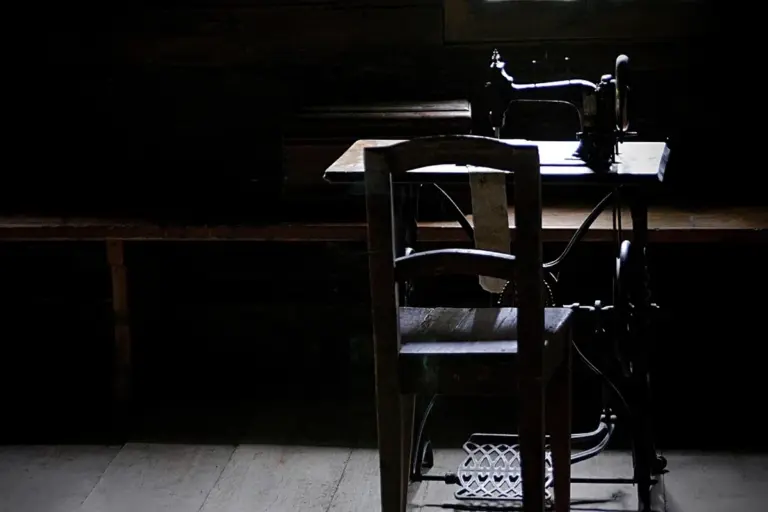
Ebonizing Wood: iron acetate and tannin reaction—how it works, wood selection, steps, color control, finishes, troubleshooting.
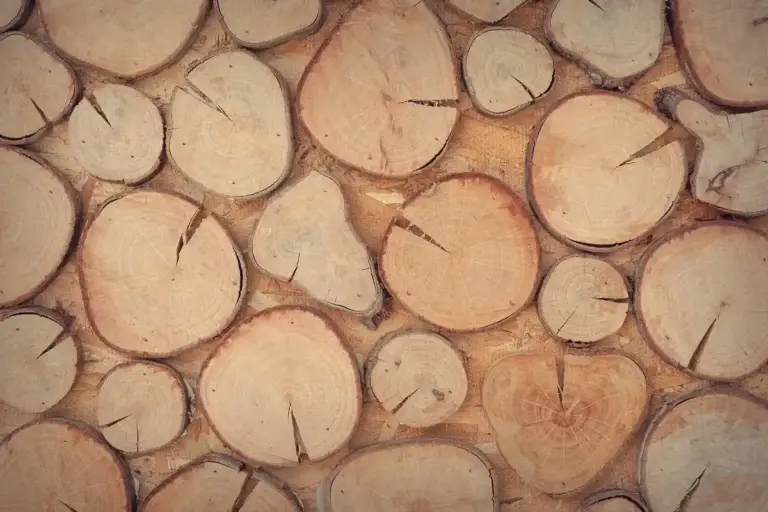
Pre-Stain Conditioners: pore filling & absorption chemistry, finish impact, tips for application, and wood moisture basics.

Oil-based vs water-based wood stains: binders, solvents, and penetration, plus application, compatibility, and performance.
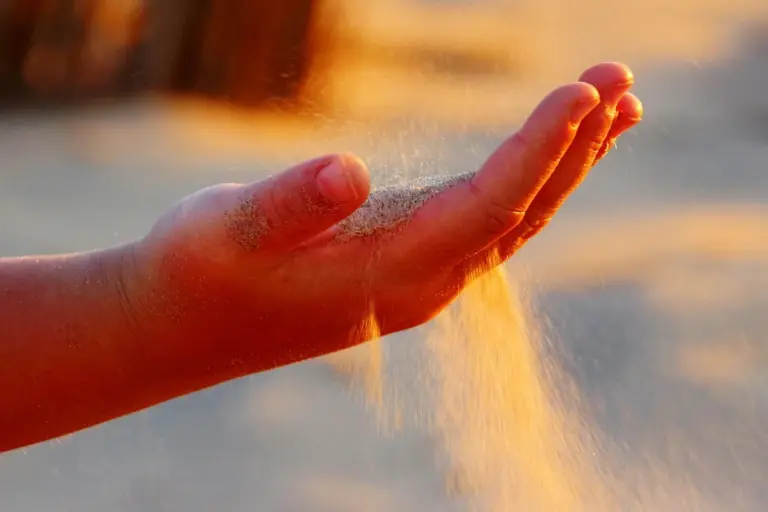
A step-by-step sanding sequence for stain prep to prevent blotchiness and ensure even absorption across varied woods.
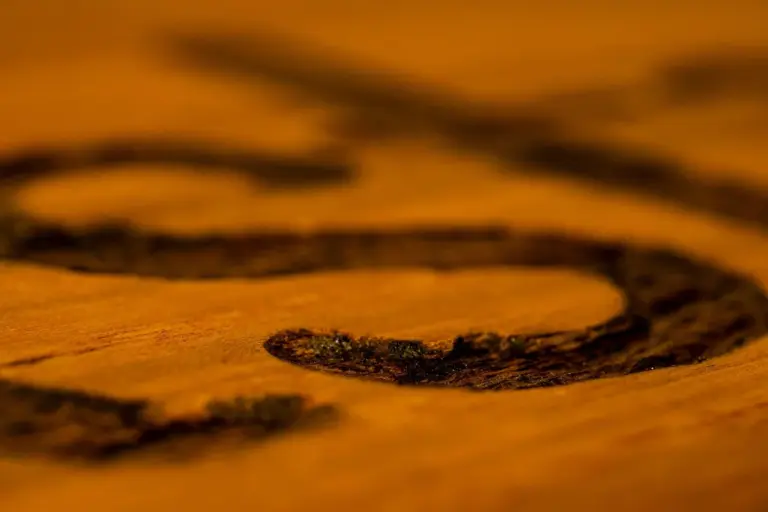
Lighten wood stain with thinning, bleaching, diluting, and finish tweaks—practical tone control for woodworking projects.
Can you stain over paint on wood? Guide to chemical and mechanical compatibility, prep, adhesion tests, and primer tips.