
What’s the Science Behind Sealing Pine Knots for a Perfect Paint Finish?
If you’ve ever painted pine only to watch amber stains bleed through your perfect white coat, you know the real problem isn’t the paint. It’s the resin in the wood.
This guide moves beyond basic sanding to explain the material science of pine. We will cover why knots bleed, the chemistry of effective sealants, a step-by-step preparation method, and how to choose the right primer and paint.
My advice comes from years of shop testing, dissecting failed finishes, and consulting material safety data sheets to find what truly works.
Why Painting Pine Over Knots Is a Different Animal
Pine takes paint beautifully. I use it all the time for painted furniture. But painting over a knot is not the same as painting over clear wood. The knot itself creates both a chemical and a physical barrier. It’s important to understand these nuances, especially for pine wood applications.
Imagine a knot is an oil slick on a dry road. Your paint is like water. When water hits oil, it beads up and slides right off. It cannot stick. Paint acts the same way over the resin in a pine knot.
Your entire preparation strategy changes when knots are involved; the goal shifts from simple adhesion to actively sealing the knot’s resin and mechanically smoothing its raised surface.
I learned this the hard way on an early project. I painted a pine shelf without treating the knots. Within months, ugly yellow shadows appeared behind the white paint, perfectly outlining every knot.
The Science of the Knot: What You’re Actually Fighting
A knot is not just a dark spot. It is the core of a branch, embedded in the trunk. The wood fibers are densely packed and spiral around the branch base. This twisted grain is saturated with two things: resins and tannins.
Resin is sap that has hardened. But it never fully sets. It remains a thermoplastic. This means heat makes it soft and mobile. When your painted piece sits in sunlight or a warm room, the resin softens. It then migrates right through the paint film. This is thermoplastic migration.
Tannins are different; they are water-soluble staining compounds that can bleed through paint with moisture, causing yellow or brown discoloration, even if the resin doesn’t move.
Compare a knot to the pine board around it. The clear wood is porous, like a sponge. It readily absorbs primer. A knot is much denser. Its surface is harder and less absorbent. Paint sits on top of it instead of sinking in, creating a weak bond that will likely crack or peel.
Spotting Active vs. Dormant Knots
You need to know which knots are “live” and which are “dead.” An active knot is still full of sap and will bleed. A dormant knot has dried out and is more stable.
Visually, an active knot often looks glossier or feels slightly tacky to the touch. A dry knot looks dull and feels solid. But looks can deceive. For a definitive answer, do this quick shop test.
Place a single layer of plain white paper towel over the knot. Set a household clothes iron to a low, dry heat (no steam). Press the iron firmly onto the paper towel for 15 seconds. Remove it and check the towel.
If you see a translucent, oily stain on the paper towel, you have an active knot that requires a dedicated sealer. A clean towel means the knot is likely dormant.
I keep an old iron in my shop just for this test. It takes the guesswork out of preparation and prevents failures months after the project is done.
Your Essential Toolkit for Prepping Pine
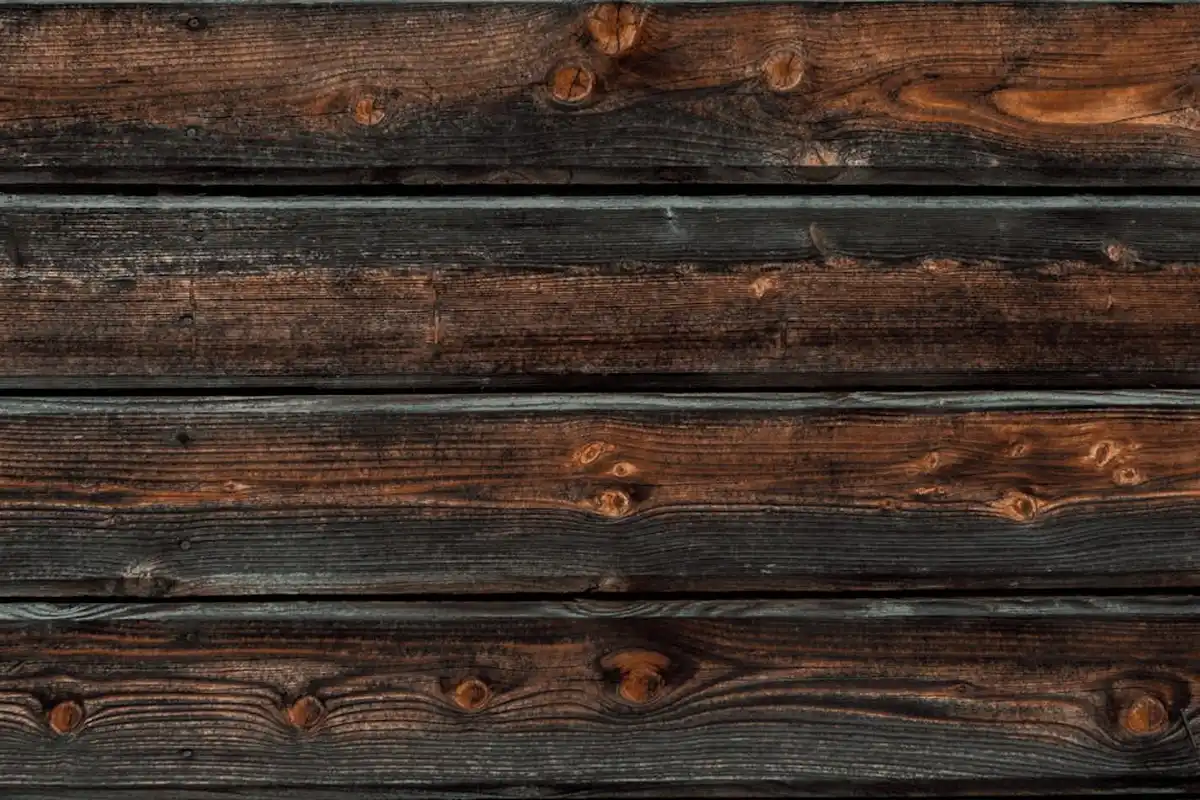
Pine is soft and resinous. This is its charm and its biggest challenge for a flawless paint job. You need the right tools to manage its texture and its tendency to bleed through finishes.
Physical Tools: Shaping and Cleaning
Your goal is to create a perfectly smooth, contaminant-free surface. Missing a step here guarantees flaws in your final coat.
- Random Orbital Sander: This is your workhorse. I use a 5-inch model. The random orbit pattern drastically reduces visible swirl marks compared to a disc sander, which is critical on soft pine. Always keep the sander flat to avoid creating divots.
- Scraper or Pull Scraper: For removing old paint or varnish from mouldings and corners a sander can’t reach. A sharp scraper is faster and creates less dust than sanding.
- Tack Cloth: This is not optional. After sanding, wipe the entire surface with a tack cloth. A regular rag just pushes dust around. The sticky cheesecloth material grabs every micron of pine dust. If you skip this, you’ll sand that dust into your primer.
Chemical Tools: Sealing and Filling
This is where you outsmart the wood’s natural chemistry. Pine knots contain sap (rosin) that remains semi-liquid for decades and will bleed through any standard paint. Treating pine wood properly can help minimize this problem, but it’s always tricky.
- Shellac-Based Primer (B-I-N or similar): This is your knight in shining armor. The shellac resin forms an impermeable seal that sap and water-based tannin stains cannot penetrate. I keep a spray can and a brush-on can in my shop. Apply it directly to every knot and any visible resin pocket, let it dry completely, then lightly sand it before your overall primer coat.
- Stain-Blocking Primer: For the entire project surface after spot-treating knots. A high-quality acrylic or oil-based stain-blocking primer creates a uniform, sealed base for your topcoat and prevents overall yellowing.
- Wood Filler: Use a solvent-based filler for pine. Water-based fillers can cause the surrounding soft grain to swell, creating a visible “halo” around your repair. Apply it slightly proud, then sand it flush once fully cured.
- Denatured Alcohol: My go-to test for active sap. Dab a clean cloth in alcohol and rub a knot. If the cloth turns yellow and sticky, that knot needs more shellac. The alcohol dissolves the sap, showing you what will later dissolve into your paint.
The Sandpaper Sequence: Working with Softness
Pine sands easily, which is a trap. Aggressive sanding leaves deep scratches its soft fibers can’t hide. You must progress through grits methodically.
Start by flattening the surface and removing major imperfections. For rough-sawn lumber, begin with 80 or 100-grit. For pre-dimensioned wood, you can often start at 120. Coarser grits are used for initial sanding, while finer grits are used for finishing.
Your progression should be steady. Jumping from 80-grit to 220-grit will leave 80-grit scratches that 220-grit can’t remove. You’ll just polish over them, and they’ll show glaringly under paint.
Here is a reliable sequence for new, planed pine:
- 120-grit: Removes mill marks and minor unevenness. Sand evenly until all visible tooling marks are gone.
- 150-grit: Eliminates the scratches from the 120-grit paper. This is your critical preparation surface for primer.
- Light 220-grit (after primer): Once your primer is fully dry, lightly hand-sand with 220-grit to knock down any raised grain or primer nibs. This creates a glass-smooth key for your topcoat.
Always sand by hand for the final pass before your finish coat, moving with the grain, to avoid the tiny orbital swirls a power sander can leave even in primer. Your hand tells you more than your eyes can see. Run your fingertips over the surface. If it feels perfectly smooth, it is.
Step-by-Step: Sanding and Smoothing Pine for Paint
Pine is a softwood, which changes everything about how you sand it. The goal isn’t to remove material quickly. It’s to create a perfectly flat, fuzz-free canvas. Start with a coarse grit to tackle any mill marks or unevenness. I begin with 80 or 100-grit sandpaper on a random orbital sander. Move the sander slowly, letting the abrasives do the work.
Applying heavy pressure on soft pine will quickly create valleys and an uneven surface that paint will cruelly highlight. Think of it like shaving, not sculpting. Your first pass should just level the surface, not dig into it.
The Grit Progression
After your initial flattening with coarse grit, you must move to finer papers. Do not skip grits. Jumping from 80-grit directly to 220-grit leaves deep scratches that the finer paper can’t efficiently erase. Follow a logical sequence.
- Start: 80 or 100-grit (for leveling)
- Progress to: 120 or 150-grit (removes scratches from the first pass)
- Finish with: 180 or 220-grit (creates the final smooth surface for paint)
With each step, you are erasing the scratches left by the previous, coarser grit. Always sand in the direction of the grain on your final passes with the finest grit.
Conquering Raised Grain: The Non-Negotiable Step
Here is the step most DIYers miss, and it ruins a paint job. After your first sanding session, you will see and feel a fuzzy texture. This is called “raised grain.” Sanding heats and fractures the tiny wood fibers, causing them to absorb moisture from the air and stand up.
Painting over raised grain results in a rough, textured finish, no matter how many coats you apply. The fix is simple and rooted in material science. You must intentionally raise the grain now to sand it off for good.
- Dampen the entire sanded surface with a barely-wet rag or sponge. Use plain water.
- Let the piece dry completely, for at least a few hours. You will see and feel the fuzz return.
- Lightly sand the entire surface again with your final grit sandpaper (180 or 220). This cuts off the swollen fibers at their base.
This process stabilizes the surface. When humidity changes later, or when water-based primer hits it, the grain is far less likely to raise again under your paint.
The Final, Critical Act: Dust Removal
After all sanding is done, the surface is covered in microscopic pine dust. This dust acts like tiny ball bearings. If you paint over it, your primer and paint cannot form a proper bond with the wood. The finish will feel gritty and can chip easily.
Blowing off the piece or using a dry brush is not enough. Compressed air just blows dust into the air where it settles back on your workpiece. You need a tack cloth. A tack cloth is a cheesecloth impregnated with a mild, sticky resin that picks up and holds the finest dust.
Wipe the entire project down with a tack cloth immediately before applying your first coat of primer. Go over every square inch, turning the cloth as it loads up with dust. This one simple tool is the difference between a professional-looking finish and a disappointing one.
The Best Practice Workflow: Sealing the Knot
Let’s be direct. Preparing a knot for paint isn’t about sanding or wiping. It’s a chemical barrier you must build. A general primer cannot block the sap and resins inside a pine knot. Those substances will slowly bleed through any standard paint film, creating a yellow or brown stain that can appear weeks or even months later. Sealing the knot first is the only reliable method to prevent these frustrating “ghost stains” from ruining your finish—no matter how much you sand or prepare the surface.
Here is the non-negotiable three-step process I use in my shop for every painted pine project.
Step 1: Clean the Knot with Solvent
Before you apply any sealer, the knot must be clean. Use a clean rag dampened with denatured alcohol or mineral spirits. Wipe the knot and the wood around it vigorously. You are not sanding yet. You are dissolving any surface sap and removing dust and oils from your hands. This allows the sealer to bond directly to the wood, not to a layer of grime. Let the solvent evaporate completely before applying any finish.
Step 2: Apply a Shellac-Based or Stain-Blocking Primer
This is the critical barrier. Do not thin the product. Using a disposable brush, apply your chosen sealer directly onto the knot. You must also cover a margin of clean wood around the knot, about an inch or so. Resins can wick through the wood’s pores from the side of the knot, so sealing just the dark spot itself is not enough. Apply a generous, wet coat to fully encapsulate the problem area. Unlike regular sealers or topcoats, it’s crucial to use a product designed to block resin.
Step 3: Cure Fully, Then Sand Smooth
This step requires patience. The sealer must cure, not just feel dry to the touch. For shellac, this can be 30-60 minutes. For some oil-based primers, it could be several hours. Consult your product’s label. Once fully cured, sand the sealed area smooth with the surrounding wood. I use 220-grit sandpaper. You are knocking down any brush marks and creating a perfectly flat surface for your general primer and paint. If you skip this sanding step, you will see and feel the outline of your sealant patch under the final paint job.
Choosing Your Knot Sealer: Shellac vs. Modern Primers
You have two excellent choices for creating that chemical barrier. I keep both in my shop for different situations.
Dewaxed Shellac (The Classic)
This is my go-to for most projects. I buy it as “Zinsser SealCoat,” which is a pre-mixed, dewaxed liquid shellac. It dries incredibly fast, often in 15 minutes, which speeds up workflow. The odor from the alcohol solvent is strong but dissipates quickly. Shellac forms a hard, non-porous shell that sap cannot penetrate.
- Pros: Extremely fast drying, sands to a fine powder, bonds to almost anything, and provides a superb base for any topcoat (oil or water-based).
- Cons: The pre-mixed product has a limited shelf life (about 3 years). Once opened, it can begin to lose its potency in a year. It also requires denatured alcohol for cleanup.
Dedicated “Knot & Sap Barrier” Primers
These are modern, usually oil or alkyd-based primers designed specifically for this job. Brands like Zinsser B-I-N (which is actually shellac-based) or various “problem surface” primers from paint companies fall into this category.
- Pros: They are formulated for maximum stain blocking. Many are available in convenient aerosol cans for small projects or intricate areas. They typically have a longer shelf life than liquid shellac.
- Cons: They often have a longer dry-to-handle time than shellac, sometimes 1-2 hours. Cleanup requires mineral spirits or paint thinner. The odor from oil-based products lingers much longer than shellac’s alcohol smell.
My practical advice: For speed and proven performance, you can’t beat dewaxed shellac. For a first-time user or a one-off repair, a rattle-can knot sealer is foolproof and mess-free. This specific sealing step is the direct answer to questions like “can you paint over stained pine wood” or “pine knot prep.” Do this, and the stain has nowhere to go.
Priming the Entire Surface: Your Foundation Coat
Think of primer as the essential translator between your wood and your paint. Raw pine is a thirsty, uneven surface. Its earlywood pores are wide open, while the latewood is denser. This causes paint to absorb at wildly different rates, leading to a blotchy, unprofessional finish.
A quality primer seals this porous surface, creating a uniform, slightly toothy canvas that allows your topcoat to adhere evenly and show its true color. It’s the difference between painting on paper towels versus painting on fine-grit sandpaper.
Your goal is a full, even coat over every square inch of your prepped piece. This includes the areas you sealed over knots. I use a quality nylon-polyester brush for control, cutting in along edges first before filling in larger areas with a mini-roller for a consistent texture.
Watch for “holidays”-those thin, missed spots where the wood grain still visibly peeks through. A single, thorough coat is better than two rushed, thin ones. Let this coat dry completely according to the manufacturer’s instructions, which is often 1-2 hours, but can be longer in high humidity.
Once dry, lightly hand-sand the entire primed surface with 220-grit sandpaper or a fine sanding sponge to knock down any raised grain or dust nibs. This creates a perfectly smooth base. Wipe away all dust with a tack cloth before moving to paint.
If your final color is white, cream, or any light shade, you must use a white primer. Most paints are not completely opaque. A gray or clear primer underneath will subtly shift your brilliant white to a dull, muddy tone, requiring three or more topcoats to overcome.
A bright white primer provides maximum reflectivity and color fidelity, letting your light topcoat achieve full coverage in just one or two coats. For dark paint colors, a gray primer can be beneficial, but for pine, a white primer is almost always the correct, foolproof starting point.
Applying the Perfect Paint Finish
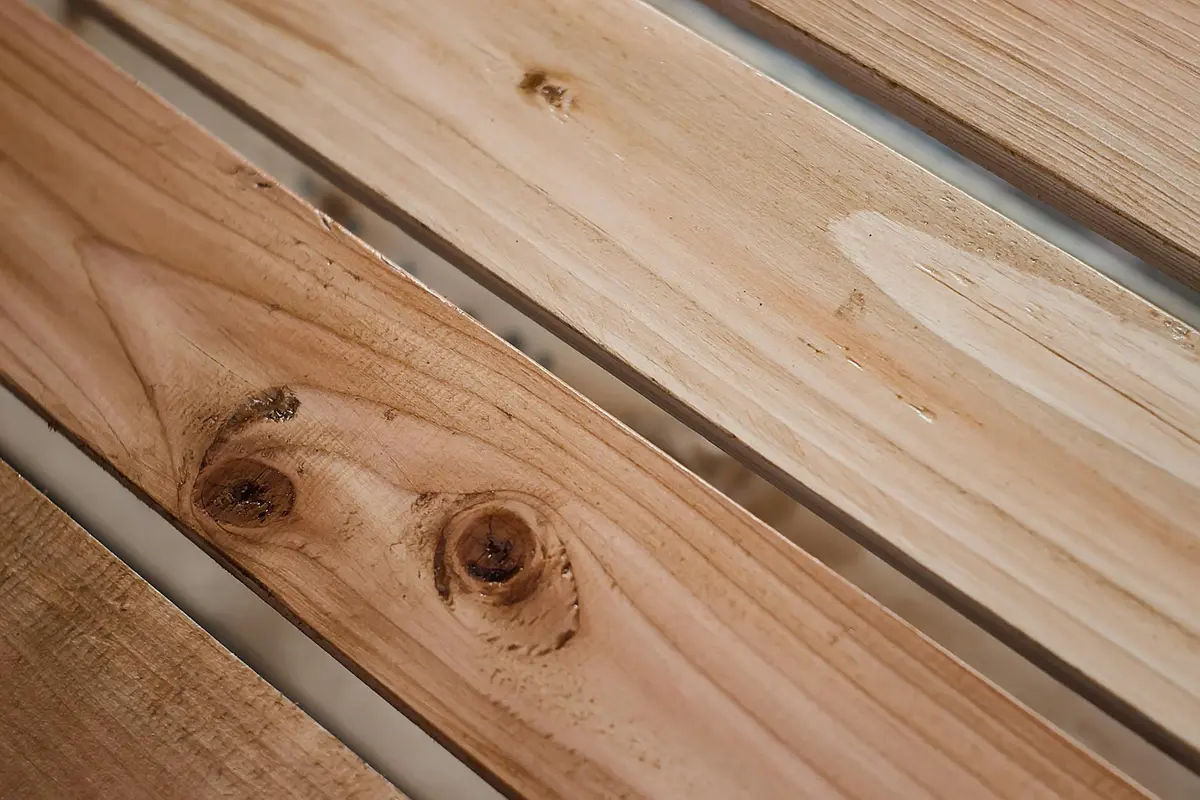
With your pine sealed and sanded, it’s ready for color. The application method you choose shapes the final look. I treat my tools like extensions of my hands, and each has a specific job.
Brush, Roller, or Spray: Choosing Your Tool
For most furniture and trim, a high-quality synthetic bristle brush is my first choice. A 2.5-inch angled sash brush gives incredible control for edges and details. A brush pushes paint into the wood grain, creating a strong mechanical bond that is ideal for a durable finish on soft pine. Foam rollers are great for large, flat panels like cabinet doors because they leave a subtle, even texture. They can trap tiny air bubbles, so I always “tip off” the surface by lightly dragging a dry brush over the wet paint.
You can absolutely spray paint pine wood if it’s properly prepped. A sprayer applies a perfectly smooth, factory-like coat. The science is simple: it atomizes the paint into tiny droplets that land evenly. The risk is applying too much too fast, causing runs on vertical surfaces. For spraying, a water-based acrylic lacquer or a thinned latex is best. Always test your technique on scrap wood first.
Selecting the Right Paint
Not all paints behave the same on wood. Over our sealed pine, we need a paint that is flexible and adhesive. Acrylic latex paint is the best choice for 90% of projects. Its acrylic binders create a tough, flexible film that moves with the wood better than old-fashioned oil-based paints. This flexibility is key for preventing cracks as humidity changes. For areas needing extreme durability, like a kitchen tabletop, an acrylic-enamel hybrid offers even more hardness.
Avoid cheap, thin paints. They require too many coats and won’t build a durable film. A high-quality paint with higher solids content will level out better and hide brush marks. My shop rule: one coat of good paint often does the job of two coats of a budget brand.
The Rule of Thin, Multiple Coats
This is the single most important rule for a professional result. One thick coat will sag, drip, and dry unevenly. Thin coats dry faster and harder. Think of each coat like a layer of nail polish: barely-there applications build a smooth, depth-filled finish without flaws.
My process is consistent. Apply the first thin coat as a “sealer coat.” Let it dry completely, usually for at least 2-4 hours. Then, lightly sand the entire surface with 220-grit sandpaper. This knocks down any dust nibs or grain raise. Wipe away all sanding dust with a tack cloth. Your second coat will go on perfectly smooth. A third coat is almost always necessary for full, rich color and complete hide.
Tips for a Factory-Smooth Finish on Softwood
Pine’s softness works in your favor here. It sands easily between coats to a glass-like feel. The final smoothness happens after the last coat is fully cured, which can take up to a week for latex paint.
Once fully hard, you can wet-sand the final surface with very fine 400-grit sandpaper, using water with a drop of dish soap as a lubricant. This “cutting and polishing” step removes any last microscopic imperfections. Wipe it clean and apply a clear, water-based polyurethane for added protection if the piece will see heavy use. This top coat won’t yellow and gives you a wipeable surface that pure paint cannot match.
Troubleshooting: Fixing Common Pine Painting Problems
You’ve prepped and painted, but something looks off. This is normal. Pine has its quirks. Here’s how to diagnose and fix the most common painting failures.
Problem: Yellow or Brown Stains Bleeding Through Paint
A reddish or yellow stain ghosting through your white paint is almost always from a knot or a particular wood type. This isn’t dirt. It’s tannins and resins inside the wood that are soluble in water. When you apply a water-based primer or paint, it acts like a cup of tea, pulling those stains to the surface.
The only reliable fix is to sand back to bare wood and seal the knot with the right product. Wiping with mineral spirits first can help you see which spots will bleed. For sealing, I use a white-pigmented shellac like Zinsser B-I-N. It dries fast and creates a perfect barrier. Some oil-based primers also work, but they take longer to dry. Apply two thin coats, sanding lightly between them.
Problem: Paint Feels Tacky or Won’t Dry Over Knots
If your paint stays gummy for days right over a knot, you’ve hit the “premier parking” spot for pine resin. The knot isn’t just stained. It’s an active, weeping sap channel. The solvents in your paint or primer re-liquefy this sticky resin, creating a mix that can never properly cure.
Think of that knot as a tiny, slow-dripping faucet. You must plug it completely. Surface primers fail here. You need a penetrating sealer. I sand the area thoroughly, then dab on a thin epoxy or a specific knot sealer. For smaller knots, thick shellac can work. Let it cure fully, then prime and paint over it. The tackiness is gone for good.
Problem: Rough Grain Appears After Painting
Your surface felt silky smooth, but after the first coat of paint, it feels like sandpaper. This is called “grain raise.” It’s not a defect in your sanding. Wood fibers swell when they absorb moisture from water-based paints or primers. The softer earlywood grain swells up more than the harder latewood, creating a textured surface.
The trick is to raise the grain on purpose before you ever start painting. After your final sanding pass with 180-grit paper, wipe the entire piece down with a damp rag. Let it dry for an hour. You’ll feel the grain stand up. Now, lightly sand it smooth again with 180 or 220-grit paper. This removes the swollen fibers so your paint lays on a stable surface.
Problem: Paint Looks Blotchy
Blotchy paint usually shows as uneven sheen or color saturation. One area looks flat and chalky, while another looks glossy and darker. This almost always points to an issue with the primer, or skipping it entirely. Pine has areas of very different density. The porous grain around a knot absorbs paint like a sponge, while the dense latewood barely takes any.
Primer exists to create a uniform, sealed surface for your topcoat to adhere to. A good primer, applied in even coats and sanded smooth, gives you a consistent foundation. If you see blotchiness, you likely need to sand the area, apply another even coat of primer, and repaint. A high-quality paint with good “hide” can sometimes save a mediocre priming job, but starting right is always easier.
Frequently Asked Questions: Pine Knot Preparation
Why is dewaxed shellac the gold standard for sealing knots?
Dewaxed shellac forms an impermeable molecular barrier that thermoplastic resins cannot penetrate, and its alcohol solvent flashes off quickly without re-liquefying the sap. This creates a stable, non-oily substrate that accepts any topcoat, providing a fail-safe chemical seal. In dewaxed shellac adhesion science, researchers study how this barrier bonds with substrates to optimize adhesion. These findings guide coating design for reliable performance.
Can I use a dedicated “stain-blocking” primer instead of shellac?
Yes, modern oil or alkyd-based knot sealers are formulated for this purpose and are equally effective. Their longer open time can be beneficial for larger areas, but they require mineral spirits for cleanup and have a longer dry-to-handle time than shellac.
What’s the purpose of the final light sanding after the knot sealer cures?
Lightly sanding the sealed spot knocks down any brush marks or ridges to create a perfectly flush surface with the surrounding wood. This prevents telegraphing, where the outline of the sealed patch becomes visible under the smooth topcoat of paint.
Does the iron test for active knots work on all softwoods, or just pine?
The iron test is effective for any resinous softwood, like spruce or fir, to detect active sap. However, the high tannin content in woods like oak or cherry requires a different sealing strategy focused on blocking water-soluble stains.
How do I know if my sealer has fully cured and is ready for sanding and priming?
Full cure is indicated when the sealed area sands to a fine powder, not a gummy residue. For definitive testing, dab the spot with denatured alcohol on a cloth; if no color transfers, the barrier is complete and stable.
Making Your Painted Pine Work Last
The single most important step is sealing the knots completely before any paint touches the wood. I always use a shellac-based primer for this, as it definitively blocks the sap from bleeding through and ruining your finish. Sand the sealed knot area smooth, then apply your chosen paint for a uniform, professional coat that withstands daily use. Seal and preserve pine knots, and you’ll prevent sap bleed and keep the surface stable for years. It’s also the best safeguard for a uniform finish over time. This method, proven in my shop, turns problematic pine into a reliable, paintable material.
Choose pine from responsibly managed forests and water-based, low-VOC paints to care for your indoor air and our shared outdoors. Your best tool is a curious mind, always testing techniques and understanding why wood behaves as it does, especially when considering wood finishes and their environmental impact.
Related Guides and Information
- How to Cover Pine Wood Knots: 12 Steps (with Pictures) – wikiHow
- r/DIYUK on Reddit: Can I use wood filler to seal knots on pine wood?
- How To Seal Knots In Wood – Sico
David is a veteran woodworker. He is now retired and stays in his cabin in Wisconsin which he built himself. David has 25+ years experience working in carpentry and wood shops. He has designed and built many small and large wood projects and knows the science behind wood selection like the back of his hand. He is an expert guide on any questions regarding wood material selection, wood restoration, wood working basics and other types of wood. While his expertise is in woodworking, his knowledge and first hand experience is far from 'woody'.