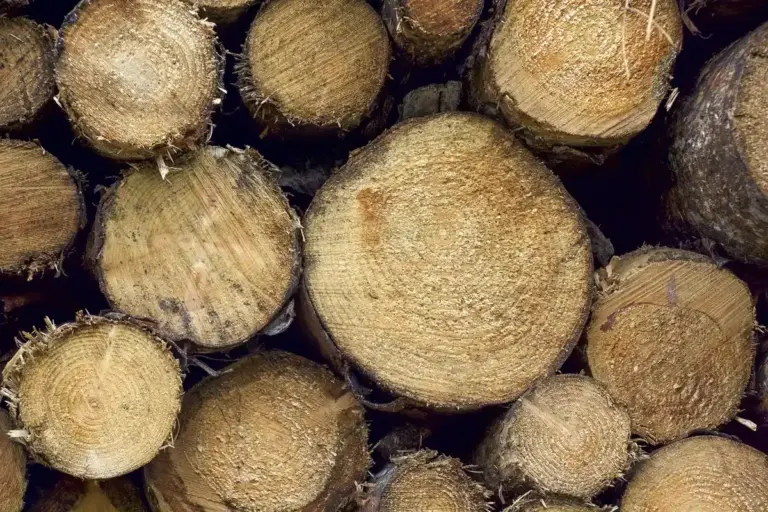
How Do You Store Lumber to Prevent Mold, Insects, and Warping Without Chemicals?
Store lumber safely: prevent mold, insects, and warping with non-chemical methods - ventilation, humidity, racks, and timing.

Helping woodworkers using science and experience
Helping woodworkers using science and experience
Moisture Physics explores how water interacts with materials, including sorption, diffusion, swelling, and the resulting changes in properties.
Store lumber safely: prevent mold, insects, and warping with non-chemical methods - ventilation, humidity, racks, and timing.
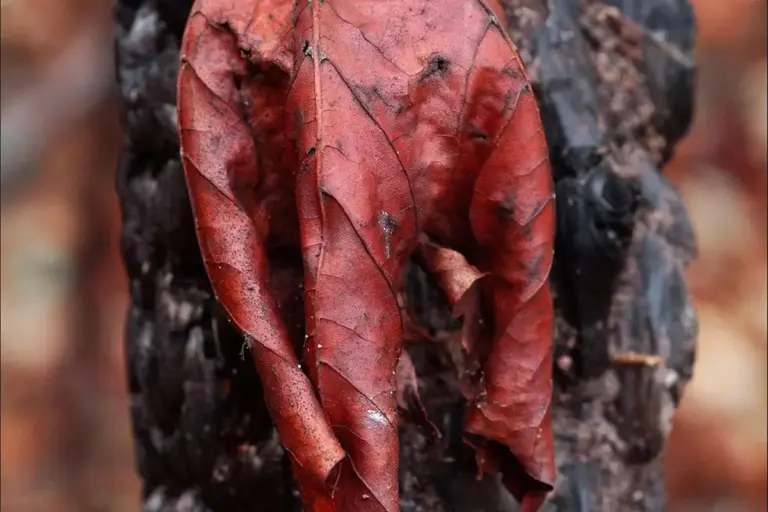
Shou Sugi Ban: does charred wood last in modern outdoor use? Durability, rot resistance, preservation, techniques, pros/cons.
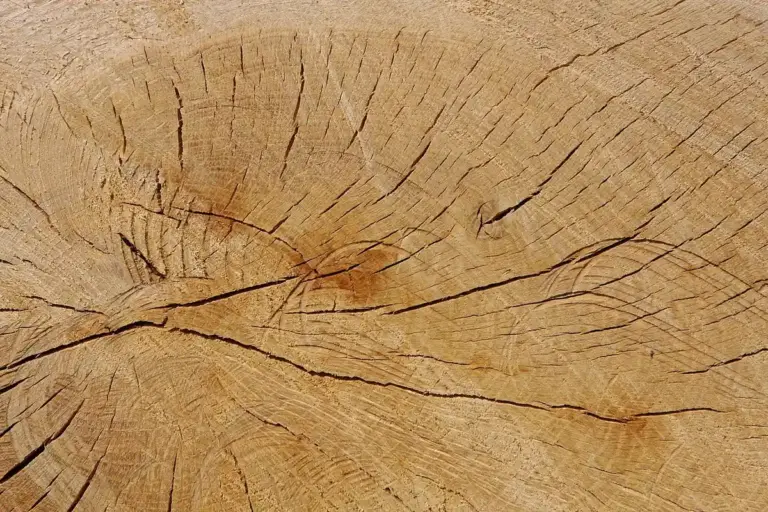
Physics-based guide to preventing and repairing wood checking and splitting: moisture, stress, temp, anatomy, and repair.
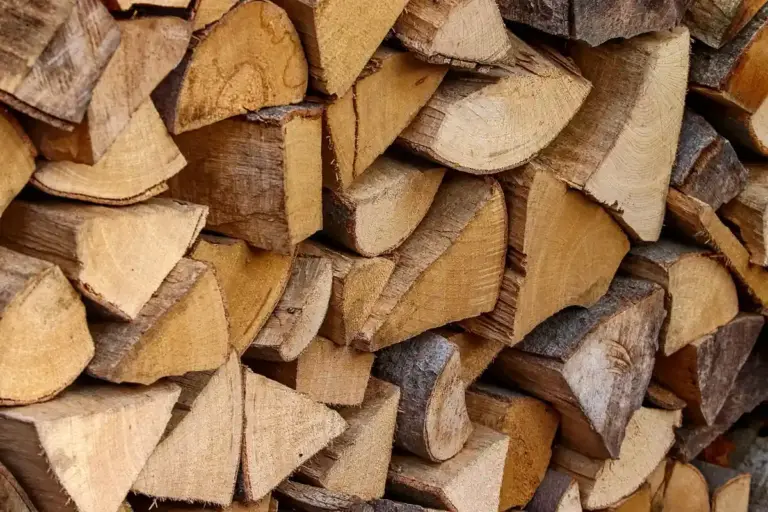
Practical guide for woodworkers: how temperature and humidity drive wood expansion and contraction, moisture content, and joints.
Myth-busting: Does sanding sealer prevent wood movement? humidity effects, expansion, coating limits, and practical tips.
Chemical stabilization vs. physical drying for wood: methods, performance, cost, safety, species & end-use, and when to choose.

Wood moisture content and adhesive bonding: practical steps to adapt for seasonal movement and common wood material questions.
Dent repair for woodworkers: the myth that sanding removes dents, wood cell collapse, and proper heat/moisture techniques.
Identify woods naturally water-resistant and compare the best chemical treatments and physical coatings for woodworking projects.

Compare oven-dry, pin, pinless, and relative-humidity methods to measure wood moisture; pros/cons, accuracy, and practical tips.