
Shou Sugi Ban: Does Charring Wood Actually Protect It From Weather?
If you’re considering Shou Sugi Ban for a deck or fence, you need to know if this ancient charring technique offers real protection or just a rustic aesthetic. I treat wood preservation as a materials science problem, not a mystery.
This article breaks down the practical reality with how the char layer fights decay, its durability versus pressure-treated lumber and modern stains, the best wood species for consistent results, and my shop-tested method for a lasting finish.
My advice comes from charring and exposing dozens of wood samples to the elements, then analyzing the results under magnification.
How the Char Actually Preserves Wood: A Shop-Science Explanation
When you burn wood with a torch, you are not just blackening it. You are fundamentally changing its surface chemistry. This process is called pyrolysis.
Intense heat breaks down the wood’s primary structural carbohydrates: cellulose and hemicellulose. These compounds are like the soft, spongy interior of a bread loaf. They are highly hygroscopic, meaning they readily absorb and release water from the air, which causes wood to swell and shrink.
Pyrolysis burns these compounds away, leaving behind a lattice of almost pure carbon. This carbon lattice is inert; it does not absorb water, and fungi that cause rot cannot digest it for food. Think of it like turning that soft bread crust into a piece of hardtack. The shape is similar, but the material is now weather-resistant and unappetizing to biological agents.
This transformed surface does two critical things. First, it drastically reduces the wood’s hygroscopy at that layer. Water beads up and runs off instead of soaking in. Second, it creates a dense, physical barrier. Insect larvae can’t tunnel through this hard carbon shell, and ultraviolet radiation from the sun, which breaks down lignin (the wood’s natural glue), has a much harder time penetrating.
The Critical Role of Brushing and Sealing
After charring, you are left with two distinct layers. On top is a fluffy, all-char layer that is essentially brittle soot. Beneath it is the stable, hard carbon lattice fused to the sound wood.
You must remove that fluffy top layer completely. If you leave it, it will crack and flake off in the weather, taking any finish with it and exposing unprotected wood underneath. I use a stiff brass brush, always going with the grain, until the surface is smooth to the touch and reveals the solid, sculpted grain of the charred wood beneath.
The goal is a hard, carbonized skin, not a coat of charcoal powder. Once brushed, the wood is protected but not finished. The carbon layer is porous. To lock it in place, you need a sealant.
I use a penetrating oil, like tung or linseed oil. Linseed oil, in particular, supports a dry-cure effect that boosts durability. When it dries, it forms a protective, hard-wearing film. The oil soaks into the carbon pores and the minimal exposed wood cells at the interface, creating a flexible, water-repellent barrier. It prevents the carbon layer from drying out and becoming brittle, and it enhances the water-shedding capability. Without this oil, the treatment is incomplete and far less durable.
Where It Fails: The Real-World Limits of Charred Wood
The single biggest limitation of shou sugi ban is depth. It is a surface treatment, often only 1-3mm deep. It does nothing to protect the inner core of the timber or, critically, the end grain.
End grain acts like a bundle of drinking straws, wicking moisture deep into the wood’s core. A charred surface on the end does not seal these tubes effectively. I have seen charred fence posts fail from the inside out because water entered the untreated end grain at the base.
Think of the char layer as a thin, hard ceramic shell glued to the wood. It is excellent until it is compromised. Specific failure points include:
- Unsealed or poorly sealed end grain.
- Deep cracks (checks) that form after treatment, opening a path to un-charred wood.
- Areas of high physical abrasion, like a deck board where a chair leg is dragged, which can scrape through the protective shell.
When You Should Absolutely Not Use Shou Sugi Ban
Do not use charred wood for hidden structural elements. This means no deck joists, load-bearing posts, or framing. If internal rot sets in, you cannot see it, creating a serious safety hazard. The char treatment gives a false sense of security for these applications.
Be cautious with woods prone to deep checking. Many dense hardwoods like oak or ipe check significantly as they weather. A deep check will crack right through your charred shell, funneling water into the raw wood inside and trapping it there. For large outdoor panels, stick with stable, straight-grained woods traditionally used for siding.
Finally, charring is not a magic force field. It is a material treatment that works in concert with good design, not as a replacement for it. You still must cap end grain, provide drip edges to shed water away from the surface, and ensure proper ventilation behind cladding. Ignoring these principles will lead to failure, no matter how well you char the wood.
Best (and Worst) Woods for the Torch
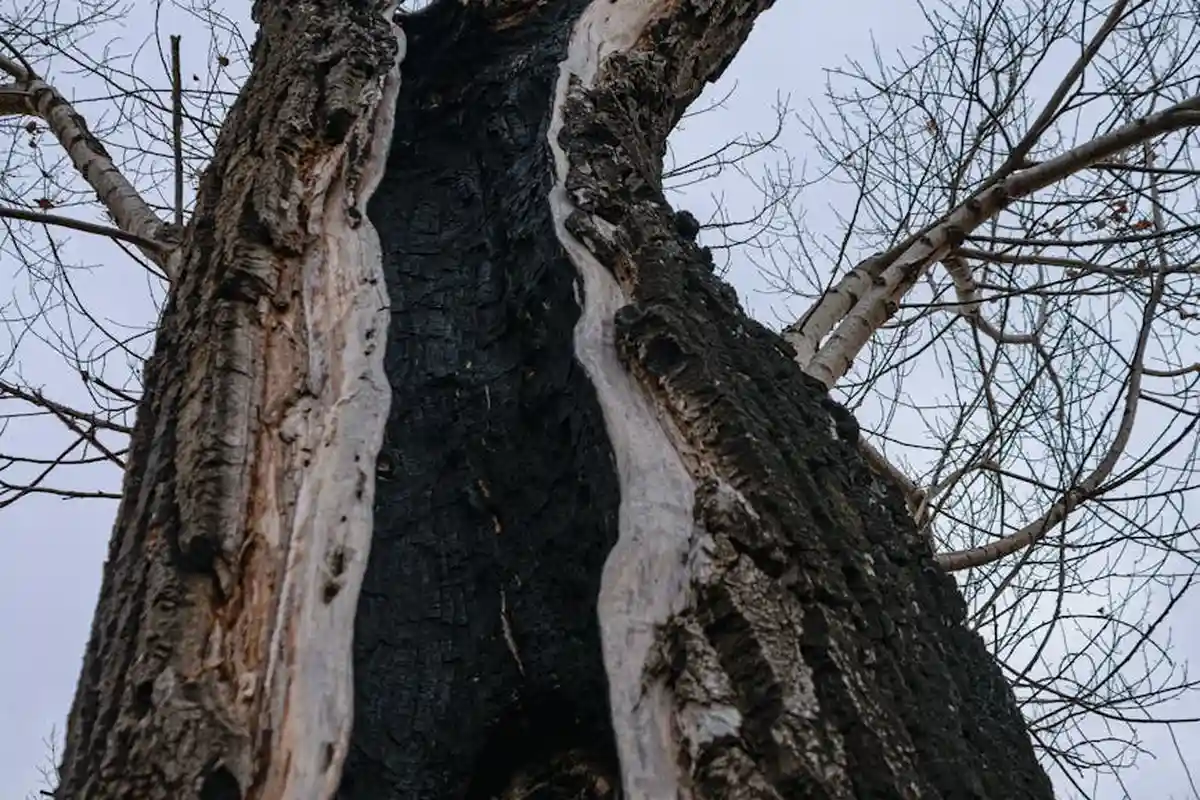
This practice isn’t a magic wand for any wood. Your material choice is the single biggest factor for success or failure.
You want softwoods. Cedar, cypress, and pine are the classics for a reason. They have a straight, simple grain structure with large, open pores. Think of this grain like long, hollow straws. When you char the surface, you create a layer of carbon that blocks the opening of these straws, sealing the wood beneath.
Hardwoods like oak, ash, or maple have a more complex, interlocking grain. Their structure is denser and tougher. Charring a dense hardwood creates intense, localized stress that often leads to deep cracks called checking, which destroys the protective layer you’re trying to create.
From a materials science angle, the process excels on woods with low density and minimal silica content. Silica is a natural mineral in some woods (like teak or ipe) that makes them durable but also abrasion resistant. A silica-rich wood fights your wire brush, making it nearly impossible to clean the char properly and achieve that iconic textured finish. When silica content is higher, tool wear increases, affecting cutting and brushing performance over time.
Let’s get specific. In my shop, I keep a simple test rack of charred samples facing the elements. A western red cedar board and a white oak board, treated the same day with the same method, tell two different stories after one year.
My Shop Test: Softwood vs. Hardwood Performance
You can run this test yourself. I took 12-inch samples of 1×6 cedar, pine, and red oak. I charred each one with a propane torch to a consistent, alligator-skin texture, brushed them with a stiff brass brush, and applied a coat of pure tung oil.
I mounted them on a south-facing fence, completely exposed to rain and sun. Every month, I documented them. Here’s what happened:
- The cedar and pine samples darkened uniformly. Water beaded up and rolled off the charred surface. After 12 months, they showed no new cracks or splits.
- The red oak sample looked great for about three months. Then, a hairline crack appeared along a prominent ray fleck. By month six, that crack had opened up into a split wide enough to fit a dime. Water would sit in this crack, soaking into the raw wood underneath and negating any protection.
The result was clear: the softwoods remained stable, while the hardwood failed structurally because the charring stress exacerbated its natural tendency to check. The oak’s dense, ring-porous structure couldn’t handle the thermal shock and subsequent wood movement. This challenges the hardwoods–softwoods durability myth, reminding us that durability is species- and context-dependent.
How to Do It Right: A Reliable DIY Method
Forget elaborate setups. With a few common tools and the right technique, you can get professional, durable results.
Gather these tools: a standard propane torch (bernzomatic is fine), a stiff wire brush (brass for softer woods, stainless for more aggressive cleaning), an air compressor with a blow-out nozzle, and your chosen finishing oil.
- Work in a safe, open area with a fire extinguisher and garden hose ready. Clamp your dry, pre-sanded board securely.
- Ignite the torch and adjust to a medium, bushy flame. Do not use a pinpoint, blue welding flame. Hold the torch tip 4-6 inches from the wood.
- Always move the torch with the direction of the grain, not across it. Moving along the grain ensures the flame travels down those “straws” evenly. Going across can create troughs and an uneven texture. Make slow, steady passes until the entire surface is a consistent matte black.
- Let the wood cool completely. This is critical. Brushing hot wood can smear tar-like residue.
- Using your wire brush, scrub firmly along the grain to remove the loose, powdery char. You are brushing down to the hard, lacquer-like charcoal layer. The air compressor is your best friend here. Blow off the dust after every few brush strokes to see your progress clearly.
- Within 24 hours of brushing, apply your finish. This seals the porous charcoal layer.
You must start with wood that is as dry as possible, ideally below 12% moisture content. Torching wet wood forces steam out, causing cracks and preventing a uniform char. For finish, I recommend a penetrating, water-repellent oil. Pure tung oil is my top choice for its durability and non-toxic profile. A high-quality exterior decking oil, like those for cedar, is also an excellent option. Just be sure to properly prepare the surface before oiling.
Before You Torch: Prep That Makes It Last
The work you do before lighting the torch determines 80% of your outcome.
Start with clear, kiln-dried lumber. Avoid pieces with large knots, which contain different resins and will char unpredictably. Give the board a light sanding with 120-grit paper. This pre-sanding isn’t to smooth the wood, but to remove any mill glaze or surface contaminants for a perfectly even char. Any oil or dirt will resist the flame and create a blotchy pattern.
Practice on off-cuts. This is non-negotiable. You need to master two things: the speed of your torch movement and the pressure of your brush. Too fast with the torch and you only get a golden stain. Too slow and you burn too deep, weakening the wood. Brush too hard and you go past the charcoal layer into soft wood. Brush too softly and you leave a sooty, dirty surface.
Finally, have your safety gear in place before the first spark. A charged fire extinguisher, a connected hose, and a clear, non-flammable workspace are mandatory. This is a controlled burning process. Respect it, and you’ll create stunning, lasting work.
Shou Sugi Ban vs. Modern Wood Preservatives
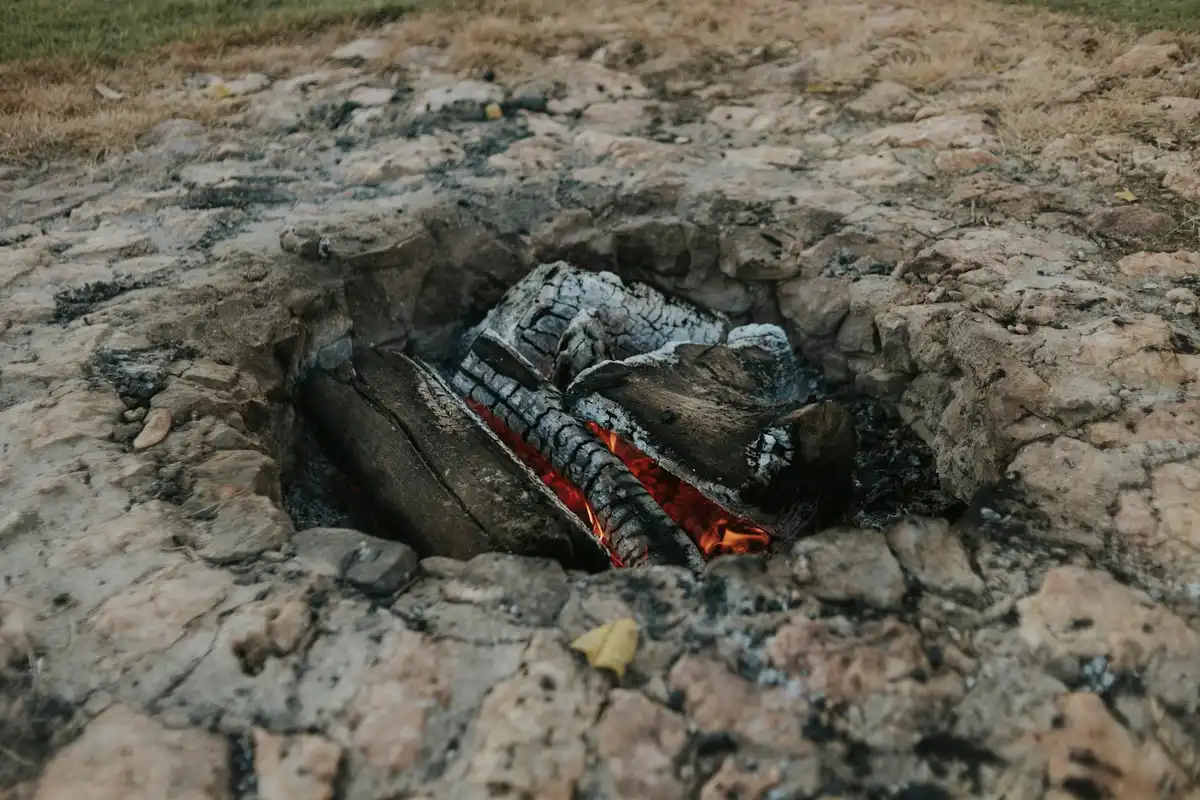
When you need wood to survive outdoors, you have options. Modern methods use chemistry. Shou Sugi Ban uses physics. The difference matters for how long it lasts, how much work it needs, and what it leaves behind in the soil.
Durability & Lifespan: A Question of Defense
Modern pressure-treated lumber works by forcing chemical preservatives deep into the wood’s cells. These chemicals, like copper compounds, are toxic to fungi and insects. This creates a poisonous environment inside the wood, stopping decay before it can start. A properly treated 4×4 post can last 40 years in ground contact. Understanding the pressure treated wood lifespan helps you plan maintenance and replacements for outdoor projects. It also guides the choice of treatment and installation methods.
Shou Sugi Ban takes the opposite approach. By charring the surface, you pyrolyze the wood. This heat chemically changes the cellulose and hemicellulose—the sugars that fungi eat—into stable carbon. I’ve examined cross-sections under magnification. The char layer has no food left for rot. It’s also hydrophobic, so water beads up and runs off instead of soaking in. That’s one method in the broader field of wood stabilization methods. Other methods—such as acetylation or resin impregnation—also resist decay.
But here’s the practical limit. The char is only a few millimeters deep. For a fence panel or siding board, that’s plenty. The protected backside is sealed to a substrate, and the charred face shields the edges. For a deck board or a planter box constantly exposed to abrasion and standing water, that thin char layer will wear through, exposing fresh wood to decay. That’s why I don’t recommend it for horizontal, high-wear surfaces.
Maintenance: The Re-Oiling Schedule
Pressure-treated wood is often left to weather to a gray color. It requires almost no maintenance for pure function, though it can look splotchy. Pressure-treated wood has key properties like decay resistance and moisture handling. These properties drive how it weathers and how long it lasts. Composite decking markets itself as maintenance-free, but it still needs yearly cleaning to prevent mold and can fade from UV exposure.
Shou Sugi Ban needs care, but of a simple kind. The char itself is stable. The maintenance is for the oil finish applied over it. This oil soaks into any microscopic cracks in the char, waterproofing it further and enhancing the color. In my coastal workshop, a test piece of charred cedar with oil lasted three years before water started soaking in and graying the wood in spots. A quick sand and re-oiling brought it right back.
Think of maintaining charred wood like maintaining a cast-iron skillet: periodic re-seasoning keeps it in prime condition. Plan to lightly re-oil decorative cladding every 2-4 years. For a garden bench getting more wear, expect to do it every 1-2 years.
Environmental & Health Impact
This is where Shou Sugi Ban shines. Traditional pressure-treated lumber uses chemicals regulated for environmental impact. You must wear a mask when cutting it and never burn the scraps. The sawdust shouldn’t be left in the garden. Composite decking is a mix of plastic and wood fiber-it’s essentially a plastic product at the end of its very long life.
Charring requires just wood, fire, and a natural oil like linseed or tung oil. The process creates zero toxic runoff, and at the end of its life, the wood can be disposed of without special handling. From a sourcing perspective, it encourages using durable, locally-sourced softwoods like cedar or cypress, which supports sustainable forestry better than importing tropical hardwoods.
Aesthetic Character: Weathering with Intention
Pressure-treated wood turns a silvery gray. Composite tries to look like wood but often has a uniform, plastic-like sheen. Shou Sugi Ban offers something you can’t buy off the shelf: controlled, dramatic texture. Linseed oil wood color appearance offers warm, natural tones that enhance grain without heavy coatings. It lets the wood’s inherent character show through.
The depth of char dictates the final look. A light char leaves a rippled, alligator-skin texture and a brown tone. A deep char creates a fissured, geometric crust that is jet black. When you brush it and apply oil, the highlights pop. Unlike a paint or stain that sits on top, the charred texture is part of the wood’s structure, so it weathers gracefully instead of peeling. Over decades, the black may soften to a deep charcoal gray, but the texture remains.
| Material | Pressure-Treated Lumber | Composite Decking | Shou Sugi Ban + Oil |
| Best Use Case | Structural posts, joists, ground contact. | Low-maintenance decking surfaces, railings. | Siding, fences, decorative screens, garden furniture. |
| Key Preservative | Chemical (e.g., copper). | Encapsulated plastic shell. | Carbonized wood surface + penetrating oil. |
| Expected Lifespan* | 20-40 years (ground contact). | 25-30 years (surface). | 15-25+ years (vertical, maintained). |
| Maintenance Cycle | Virtually none for decay resistance. | Annual cleaning for mold/mildew. | Re-oil every 1-4 years. |
| Environmental Note | Chemicals require careful handling/disposal. | Plastic/wood hybrid, difficult to recycle. | Wood, fire, and plant-based oil only. |
| Aesthetic | Weathers to gray; can be painted/stained. | Uniform color & texture; can fade. | Unique, textured black/gray; ages with character. |
*Lifespans are estimates and vary wildly with climate, species, installation, and maintenance.
The Practical Verdict
Shou Sugi Ban isn’t magic. It won’t make pine as durable as pressure-treated lumber for a deck frame. For cladding, fences, and decorative elements, it is a superb, low-chemical choice that combines ancient wisdom with striking modern aesthetics. For outdoor furniture, pine durability hinges on finish and exposure. Shou Sugi Ban can offer a resilient, lower-chemical option when properly applied. You trade some periodic maintenance for a product that is healthy to work with, beautiful to look at, and gentle on the environment. It solves specific outdoor problems brilliantly, but it is not a universal cure-all. Choose your project, and your wood, with that in mind.
Shou Sugi Ban: Key Questions Answered
1. Is a charred wood surface actually fire-resistant?
Paradoxically, the char layer can provide a degree of fire retardancy. The already-carbonized surface is less combustible than raw wood, as the volatile compounds that fuel flame have been burned away during pyrolysis.
2. What type of oil is best for sealing after charring and brushing?
Use a penetrating, drying oil like pure tung oil or polymerized linseed oil. These oils cure within the porous carbon layer, creating a flexible, water-repellent barrier without forming a surface film that could peel.
3. How does UV resistance compare between charred wood and pigmented exterior stains?
The dense carbon layer is superior at blocking UV radiation than most transparent stains. However, it is less effective than heavily pigmented, opaque stain formulations specifically engineered to absorb and scatter UV light.
4. Can you achieve a consistent char on rough-sawn or weathered wood?
No. An even, uniform char requires a clean, sanded surface. Rough-sawn or dirty wood will char unevenly, and pre-weathered wood has degraded surface fibers that will not form a stable carbon lattice.
5. Does sealing the end grain with the same torch-and-oil method provide adequate protection?
No. End grain’s capillary structure requires more robust sealing. After charring, saturate the end grain with multiple heavy coats of your sealing oil, or use a dedicated end-grain sealer for maximum moisture exclusion.
Final Judgment on Char and Grain
Shou sugi ban works by creating a physical, sacrificial barrier of carbon that shields the wood beneath from sunlight and water. The technique is effective, but its longevity depends entirely on the wood species you choose and your skill in applying a consistent, deep char. For a modern outdoor project, you are building a system, not just applying a finish; the char, the oil, and the wood itself must work together. I treat it as a high-maintenance, high-reward option for feature pieces, not a low-effort solution for every fence or deck.
Owning a piece of charred wood means committing to its upkeep and understanding the life cycle of your materials. Ask where your wood comes from, maintain the finish, and you contribute to a practice that respects both craft and ecology.
Industry References
- Shou Sugi Ban | The Art of Charring and Burning Wood – Woodworking Wisdom | Axminster Tools USA
- Blackwood & Ash Inc. – Shou Sugi Ban
- Three Unique Types of Treated Wood and How to Use Them – Woodrich Brand
- Shou Sugi Ban is the Most Gorgeous Way to Waterproof Wood Furniture | Architectural Digest
- Shou Sugi Ban Guide: How to Master Japanese Wood Burning – 2025 – MasterClass
- Shou Sugi Ban: The Art of Japanese Wood Burning (DIY)