
How Long Does Pressure-Treated Wood Last? A Wood Scientist’s Take on Lifespan and Performance
You’re selecting lumber for an outdoor project and need a straight answer on pressure-treated wood’s real-world durability. I’ve weathered samples in my own shop to see how the hype matches the material science.
This article breaks down the factors that determine service life, focusing on the mechanics of decay resistance, how chemical preservatives leach and degrade over time, and realistic lifespan expectations for decks, fencing, and ground contact applications.
I base this guidance on my own long-term exposure tests and a materials-focused approach to wood technology.
What Is Pressure-Treated Wood, Really?
Let’s strip away the mystery. Pressure-treated wood is just lumber, typically softwood like Southern Yellow Pine, that’s been forced full of preservative chemicals inside a large industrial cylinder. The process uses a vacuum to pull air from the wood’s cells, then pressure to pump the preservative solution deep into every pore. It’s not a surface coating. It’s an infusion.
The goal is simple: to poison the food. Fungi and insects want to eat the cellulose and sugars in wood. The preservatives make the entire piece of wood toxic to them. It’s a protective measure for situations where wood is exposed to the elements and decay is inevitable.
The chemicals have evolved. For decades, the standard was Chromated Copper Arsenate (CCA), which contained arsenic. For residential use, CCA was phased out by 2004. Today’s common systems are copper-based, like Alkaline Copper Quat (ACQ), Micronized Copper Azole (MCA or MCQ), and Copper Azole (CA-B). Your single source of truth is the ink stamp or end tag on the lumber itself, which tells you the preservative used and, critically, its Use Category. Always check it.
How Long Does Pressure-Treated Wood Actually Last?
The lifespan isn’t a single number. It depends entirely on the “Use Category” (UC) code stamped on the wood at the treating plant. This code dictates how much chemical was forced into the wood to meet a specific durability standard. Using the wrong category for a job is the most common reason for premature failure.
| Use Category Code | Common Description | Typical Uses | Conservative Service Life* |
|---|---|---|---|
| UC3B | Above Ground | Deck boards, railings, siding | 15-25 years |
| UC4A | Ground Contact | Fence posts, deck posts, landscaping timbers | 25-40 years |
| UC4B | Critical Structural / Heavy Duty | Permanent structural posts, freshwater docks | 40+ years |
| UC4C / UC5A | Marine / Salt Water | Bulkheads, pilings, sea walls | Specialized, very long life |
*These are real-world, conservative estimates for properly installed material with some basic maintenance. They assume the wood was specified correctly for its application.
UC3B lumber has just enough chemical to fend off rain and occasional moisture. Put it in constant ground contact, and fungi will find the untreated heartwood in a decade or less. The drastic cut in lifespan from using above-ground rated wood for a ground-contact job is why checking that stamp is non-negotiable. For a deck, your deck boards can be UC3B, but the posts buried in concrete must be UC4A or UC4B.
The Mechanism of Action: How Chemicals Guard the Cells
This is where material science meets the workshop. The treatment works because of wood’s cellular structure. Softwoods like pine and fir are used because they have open, tube-like cells called tracheids. Think of them as a bundle of tiny drinking straws. Under pressure, the preservative solution flows right into these straws.
But filling the space isn’t enough. The solution then undergoes “fixation.” The chemicals react with the wood cell walls and bind to them. This is key. It transforms the liquid preservative into a solid, leach-resistant complex locked within the wood’s structure. It’s not just sitting in the pores waiting to wash out.
Here’s my shop analogy. Painting a sponge is like applying a surface stain. Water soaks right past it. Pressure-treatment is like filling every hole in that sponge with solid wax. The water can’t get in, and the wax can’t easily get out. That fixation process is what gives modern pressure-treated wood its long-term decay resistance and makes it safe to handle once dried.
What Wears Out Treated Wood? The Five Key Factors
Think of pressure-treated wood as a battery for rot resistance. It starts fully charged, but the environment slowly drains it. How fast it drains depends on five things you can see and control.
Chemical Retention Rate (The “Dose”)
The preservative isn’t just a surface coating. It’s forced deep into the wood cells under pressure. The amount retained is measured in pounds of chemical per cubic foot of wood (PCF). Understanding the wood treatment chemicals’ properties helps explain why the same dose can perform differently in different woods. Their solubility, viscosity, and reactivity influence penetration and long-term protection. More PCF means a larger “dose” of preservative and a longer expected service life.
You’ll find this number stamped on the end tag of every piece. Look for “0.15” or “0.40” or similar.
- 0.15 PCF (Above Ground): This is the light dose. It’s for things like a planter box or a bench that stays dry and off the soil. It’s not for ground contact.
- 0.40 PCF (Ground Contact): This is the heavy dose. Use this for deck posts, stair stringers, or any lumber that touches the ground or is constantly wet. It’s the standard for structural, long-term projects.
I always buy 0.40 for everything. The extra few cents per board buys decades of peace of mind.
Wood Species and Cut
Not all wood drinks the preservative cocktail the same way. The structure of the wood matters.
Southern Yellow Pine is the industry favorite for a reason. Its sapwood-the lighter outer rings-has long, open cells that act like tiny straws, pulling the treatment solution deep into the board. A properly treated SYP board is protected all the way through.
Compare that to Douglas Fir or Hem-Fir. These species have more closed cell structures. They can be harder to treat deeply, sometimes leaving a less-protected core. You might see them labeled as “treated,” but they often aren’t the best choice for critical, wet applications.
Here’s a big one: avoid boards that are all dark heartwood. Heartwood is naturally resistant to absorbing anything, including preservatives. That beautiful, dark-colored board might be almost untreated inside. Look for pieces with a high percentage of lighter-colored sapwood.
Environmental Attack: Water, Sun, and Physical Wear
The chemicals fight rot and insects. They do not fight physics.
Sunlight (UV radiation) is the primary enemy of appearance. It breaks down the lignin that holds wood fibers together. This turns the surface gray and causes it to crack and check. This happens even though the wood underneath is still chemically protected from rot.
Water is a partner in crime. Wood swells when wet and shrinks when dry. These constant wet-dry cycles stress the surface, accelerating those UV-induced checks. Every crack is a potential entry point for water into the less-protected wood below the surface.
Finally, consider foot traffic on a deck or abrasion on stairs. Over 20 or 30 years, you can literally walk through the treated surface layer. Once that wear exposes wood below the treatment zone, decay can begin.
Installation and Handling Mistakes
You can buy the best-treated wood and ruin its protection in an afternoon with poor practices.
Not sealing cut ends is the most common critical error. When you cut a board, you expose a huge area of untreated end grain. This acts like a sponge, sucking water straight into the core. The fix is simple: keep a can of brush-on copper naphthenate wood preservative in your shop. Brush a coat on every fresh cut, drill hole, or notch. It takes 30 seconds.
Poor drainage traps water. A deck board sitting flat on a joist holds water. A post sitting directly on dirt wicks moisture. The fixes are easy: use gravel for post bases, leave small gaps between boards, and slope surfaces so water runs off.
Using the wrong fasteners is a project killer. The copper in modern treatments will corrode standard steel nails and screws in just a few years. Your fasteners should outlive the wood. Use hot-dipped galvanized (look for the rough, crystalline coating) or stainless steel. “Galvanized” from a big-box store often isn’t hot-dipped and will fail.
The Role of Maintenance: Stains and Sealers
This point causes confusion. A stain or sealer does not recharge the preservative chemicals. What a finish does is manage water and UV, which protects the wood’s structure and keeps it looking good far longer. UV exposure drives degradation, so finishes matter for protection. A protective coating slows that UV damage and helps the wood age gracefully.
You must wait. Fresh treated wood is soaked with water-based solution. Applying any finish right away traps that moisture inside. Let it dry for several weeks, even a few months, until it stops feeling damp and heavy. With pressure-treated wood, drying time is crucial before staining. Proper drying ensures even stain absorption and a longer-lasting finish.
I use a penetrating, oil-based, water-repellent stain. It soaks in, repels water, and contains UV inhibitors to slow graying. It needs reapplication every year or two.
Avoid thick, film-forming finishes like solid-color stains or paints, especially early on. Treated wood continues to move with seasonal moisture changes, which can crack and peel a surface film, trapping moisture and making things worse. Understanding how stain chemistry enables penetration into the wood can guide your choices, favoring formulations that soak in rather than sit on the surface. This chemistry-driven approach helps prevent peeling and ensures a more durable finish.
Toxicity, PPE, and Safe Handling
The chemicals are there to kill fungi and insects. They demand respect, not fear. Follow clear shop rules.
Working With It: Dust and Splinters are the Hazard
The risk isn’t from touching the wood. It’s from inhaling its dust or getting a splinter.
Wear a proper respirator, not a dust mask, when cutting or sanding. An N95 is the bare minimum; a half-face respirator with P100 cartridges is better. The fine copper and co-biocide particles are serious respiratory irritants.
Always wear gloves. This is less about chemical absorption and more about preventing treated splinters, which can cause nasty infections.
Never, under any circumstances, burn pressure-treated wood scraps. Burning releases the copper and arsenic (in older wood) or other biocides into the air as highly toxic fumes from burning. This is part of the broader risks associated with burning pressure-treated wood. Bag it and put it in the trash.
Is It Safe for Gardens, Play Sets, and Pets?
Modern ACQ and MCQ treatments are registered by the EPA for residential use. The leaching of chemicals is highest when the wood is new and wet, then decreases significantly.
For raised vegetable garden beds, I take an extra step. I line the inside walls with heavy-duty plastic (like 6-mil poly). This creates a simple barrier between the soil and the wood. It’s a cheap precaution for edible plants.
For a children’s playset, the dry, weathered surface is not a contact hazard. The primary safety rule is the same as in the shop: no sawing or sanding it while kids are around, to prevent them from breathing dust. Once built and dry, letting a clear, water-repellent finish cure fully makes the surface even more inert.
Pressure-Treated Wood vs. Composite Decking: A Practical Choice
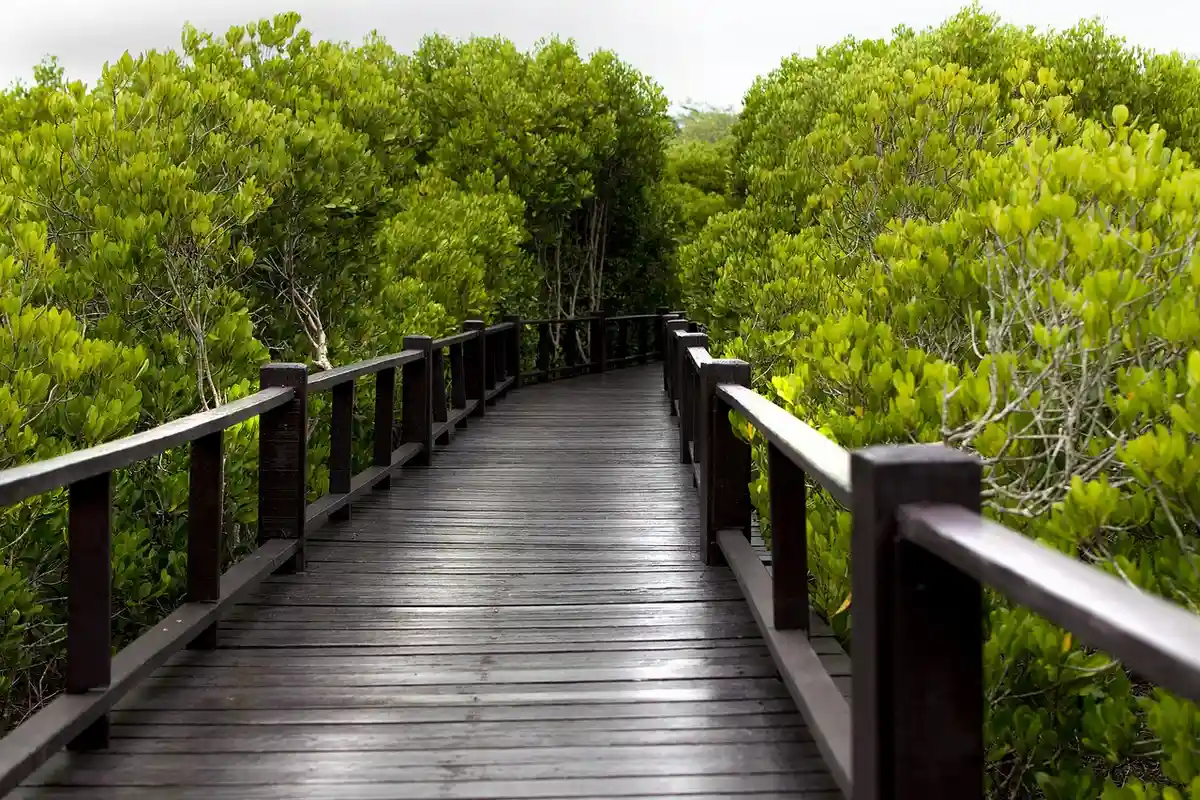
This isn’t about one being “better.” It’s about which is better for your specific project and priorities. Let’s break it down.
| Factor | Pressure-Treated Wood | Composite Decking |
| Cost | Lower upfront cost. | 2 to 3 times the upfront cost of wood. |
| Lifespan (Structure) | 20-40+ years, depends on factors above. | 25-30 year warranties are common. |
| Maintenance | Yearly cleaning, re-staining every 1-2 years to maintain appearance. | Just soap and water cleaning. No staining. |
| Feel & Temperature | Feels like wood. Stays cooler in sun. | Can feel plastic-like. Some brands get very hot in direct sun. |
| Repairability | Excellent. You can replace a single board, plane a surface, screw it back down. | Very poor. Damage is often permanent. Full section replacement is difficult. |
| Environmental Weight | Renewable resource. Heavy chemical processing. | Uses recycled plastics/waste wood. Not biodegradable at end-of-life. |
Treated wood is a repairable, natural material. A deck can be refinished and have boards replaced indefinitely. Its feel underfoot is authentic. It’s a renewable resource, though the treatment process has an environmental cost.
Composite is about low effort. You trade higher initial cost and repairability for minimal upkeep. But it can stain from grease or mildew, fade over decades, and a deep scratch or stain is there for good.
My personal take: for a deck on my own home, I choose pressure-treated wood every time. I don’t mind the maintenance ritual. I value knowing I can fix any problem with a saw and a new board 20 years from now. A quick decking woods comparison shows how pressure-treated stacks up against cedar, hardwoods, or composites. For a rental property or if you truly want “install and forget,” a high-quality composite is a valid, though more expensive, choice.
Pressure-Treated Wood Lifespan: Frequently Asked Questions
How do I check if my pressure-treated wood is adequately treated for ground contact?
Look for the mandatory ink stamp or end tag specifying a Use Category of UC4A or UC4B and a chemical retention rate of 0.40 PCF or higher. Lumber marked UC3B or 0.15 PCF is for above-ground use only and will fail prematurely in soil contact.
Can I paint pressure-treated wood?
Yes, but only after the wood has fully seasoned and dried, which can take several months. Use a high-quality acrylic latex paint and ensure the wood’s moisture content is below 15% to prevent peeling and moisture entrapment.
Why does a pressure-treated post sometimes rot at the ground line?
This zone experiences severe wet-dry cycles and oxygen exposure, accelerating chemical depletion and fungal attack. Ensure proper installation with post bases for drainage and always seal cut ends with a copper naphthenate preservative to protect the vulnerable end grain.
How does pressure-treated wood compare to naturally rot-resistant woods like cedar or redwood?
Pressure treatment provides a deeper, more consistent, and often stronger defense by infusing sapwood with preservatives. Natural durability relies on heartwood extractives, which are variable and offer minimal protection in the more permeable sapwood of the same species.
Does the preservative treatment affect the wood’s strength or stiffness?
The pressure-treating process itself does not reduce the wood’s structural design values. However, incising-small slits cut into harder woods to improve treatment penetration-can slightly reduce bending strength, which is already accounted for in graded lumber ratings.
Final Thoughts on Pressure-Treated Wood Durability
The service life of pressure-treated wood depends entirely on pairing the correct chemical retention level with your project’s exposure to moisture and soil. I always verify the end tag stamp, choosing 0.25 lb/ft³ for decks and 0.40 for fence posts. Install with mindful details like gravel bases and spacing for drainage to shield the wood from constant wetness. Understanding pressure-treated wood properties—such as preservative retention, decay resistance, and moisture movement—helps tailor these recommendations. This knowledge guides material choice, installation strategy, and long-term performance. In my own tests, this precise matching and installation has proven to double the expected lifespan for outdoor structures.
Own your project’s lifecycle by selecting wood from sources that practice sustainable forestry and use newer, safer preservative formulas. Continuous learning about wood material science ensures your builds are safe, durable, and environmentally sound.
Expert Resources and Citations
- How Long Does Pressure Treated Wood Last? | Angi
- Pressure Treated Wood: Maximizing Longevity Outdoors
- r/Decks on Reddit: How long can I expect a pressure treated “deck” that gets direct sun to last?
- Long-Term Durability of Pressure-Treated Wood in a Severe Test Site | US Forest Service Research and Development
- How Long Does Pressure Treated Lumber Last? – AdvantageLumber Blog
David is a veteran woodworker. He is now retired and stays in his cabin in Wisconsin which he built himself. David has 25+ years experience working in carpentry and wood shops. He has designed and built many small and large wood projects and knows the science behind wood selection like the back of his hand. He is an expert guide on any questions regarding wood material selection, wood restoration, wood working basics and other types of wood. While his expertise is in woodworking, his knowledge and first hand experience is far from 'woody'.