
How Do You Artificially Age Pine Wood for Rustic Furniture?
You want that instant, weathered character on pine without decades of patina. I’ve burned, battered, and chemically treated hundreds of pine boards to find what actually works.
This article gives you my shop-proven methods and the reasons they succeed. We will cover reactive chemical treatments, controlled physical distressing, and the cell-level science of pine that makes it perfect for artificial aging.
My background in materials science and hands-on shop experiments lets me explain both the how and the why.
Why Pine is the Perfect Canvas for Artificial Aging
Pine is not just cheap and easy to find. Its very structure makes it the best wood for fake aging. Compare it to a hardwood like maple. Maple is dense and has a closed, uniform grain. It resists change. Pine is the opposite. It is soft, with a very open and pronounced grain pattern. This open grain is made of alternating bands of soft, pale “earlywood” and harder, darker “latewood.”
This difference in hardness is the secret to creating realistic texture, as softer parts wear away faster just like in nature.
Pine also has a high concentration of tannins. Tannins are natural chemical compounds. Think of them like the stuff in a tea bag. Just as hot water pulls color from tea, certain chemicals can pull dramatic color changes from pine’s tannins in wood. Oak has tannins too, but pine’s combination of softness, open grain, and reactive chemistry is unique.
I tested this on a dozen 2×4 offcuts from my local lumberyard. On one half of the board, I used a steel wool and vinegar stain. On the other, I used a commercial “aged oak” dye. The pine reacted violently to both, turning deep grays and browns in minutes. A piece of poplar I tried next just looked blotchy and sad. The pine took the character instantly.
Using sustainably sourced pine for these projects is a smart choice. You are practicing a form of recycling, taking a common, fast-growing softwood and giving it a long second life as cherished furniture. Look for stamps like SFI or FSC on your lumber. A pine wood sustainability lifecycle analysis can reveal the environmental footprint from harvest to disposal. It helps you choose options with the lowest impact as you source materials.
The Wood Science Behind the Magic: How Aging Treatments Work
Our goal is simple: compress 50 years of sun, rain, and use into a few hours in the shop. Real aging is a combination of photochemical breakdown (from UV light), moisture cycling, and mechanical wear. We replicate this through two main avenues: chemical reactions and physical alteration.
Chemical methods change the wood’s color by altering its chemistry, such as those used in wood stains that interact with wood substrates. Physical methods change its texture by mechanically damaging the wood cells. The best results always use a mix of both.
Mechanism of Action: Chemical Reactions with Wood Fibers
Pine’s cell walls are made mainly of cellulose, hemicellulose, and lignin. Lignin is the glue that holds wood fibers together, and it darkens with UV exposure. Tannins are stored in the cell cavities. Our treatments target these components.
Acids, like the acetic acid in vinegar, break down hemicellulose and lignin. This can soften the wood surface slightly and initiate a color change. But the real magic happens when you introduce metal ions, like iron from steel wool dissolved in that vinegar.
The iron ions react with the tannins in pine to form iron tannate, a complex that produces colors from silvery gray to deep black, mimicking decades of oxidation and water staining.
It is exactly like spilling tea on a white cloth. The cloth (the wood fiber) is there, but the tannin stain (the color) is locked in. Bases, like lye, work differently. They break down lignin rapidly, often bringing out a ruddy, orange color in pine that resembles old barn wood. Always test your chemical mix on a scrap piece first. The moisture content and tannin level of your specific pine board will change the result.
Mechanism of Action: Physical Techniques and Cellular Damage
If chemicals change the color, physical techniques change the feel. Natural weathering erodes soft earlywood faster than hard latewood, creating a textured, wavy surface. We copy this by selectively damaging the wood structure.
Wire brushing is the classic method. A stiff wire brush (by hand or in a drill) scrapes out the soft earlywood grain lines, leaving the hard latewood ridges proud. You are not sanding. You are excavating. Compressing the wood with chains, nails, or other blunt tools crushes the hollow cell walls, creating permanent dents that look like old bruises or wear marks.
Controlled heat from a propane torch does two things. First, it scorches the surface lignin, creating a blackened “char.” Second, the intense heat causes the remaining earlywood to shrink and crackle more than the latewood, enhancing the grain texture. You always brush off the loose char after torching to reveal the textured, two-tone grain beneath.
This physical damage is not just cosmetic; it opens up the wood, allowing chemical stains to penetrate deeper and more unevenly, which is the hallmark of authentic aging.
Compare it to a stone step worn smooth by centuries of foot traffic. Your tools are just applying that “traffic” very, very quickly. The key is to be random. Natural wear is never perfectly even.
Chemical Recipes for Instant Patina and Pine Wood Aging Color
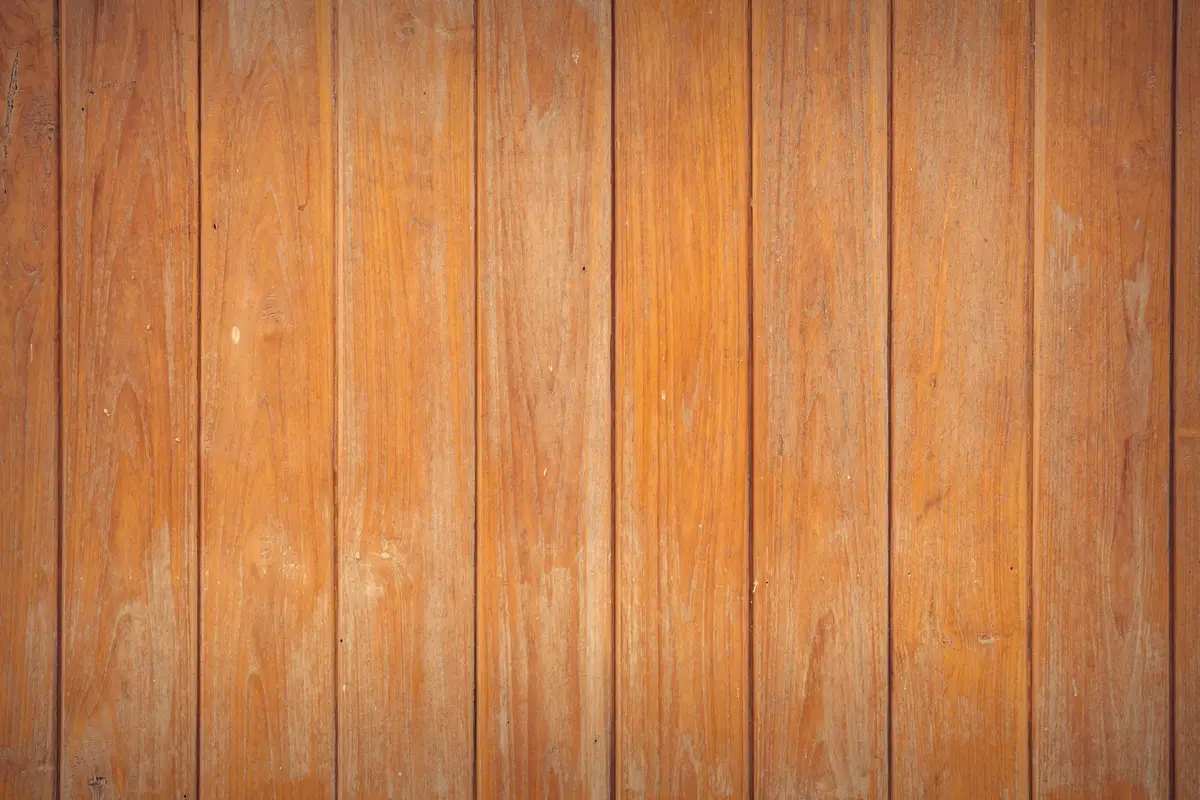
Many ask me how to age pine wood quickly without waiting decades. The answer lies in chemistry. You can force reactions that mimic years of oxidation and sun exposure in an afternoon. Before you start, treat every chemical with respect: wear chemical-resistant gloves, safety goggles, and work in a well-ventilated area or outdoors.
Vinegar & Steel Wool: The Go-To for Grey, Weathered Pine
This method reacts iron with acetic acid to create iron acetate, a stain that reacts with the tannins in wood. Pine is low in tannins, so the reaction is subtle, creating soft greys and silvery tones.
Here is my exact process.
- Take a pad of 0000-grade steel wool and pull it apart. Place it in a glass jar.
- Pour white distilled vinegar over it until fully submerged. Seal the jar.
- Let it sit for at least 24 hours. The solution will turn a rusty orange-brown.
- Strain the liquid into another container. This is your aging stain.
Apply it with a brush or rag on sanded, bare pine. The grey pine wood aging color appears as it dries, deepening over an hour. For a darker, more pronounced grey, you can pre-treat the wood with strong black tea to increase the tannin content. If you want to push the shade further, consider applying a modifying darkening wood stain after the first coat. This tweak helps balance tone before sealing. The most common issue is blotchiness, which happens from uneven sanding or natural density variations in the pine; a light sanding with 220-grit paper after the first coat can help even it out.
Baking Soda, Lye, and Bleach: For Lightened Tones and Depth
These are your tools for lifting color. They work differently.
A paste of baking soda and water applied to damp pine will slowly lighten the wood, imparting a warm, sun-bleached look as it dries. It’s mild and forgiving.
Household chlorine bleach is more aggressive. It oxidizes and breaks down the color pigments (lignin) in the wood surface. It can leave pine a pale, neutral yellow. While effective, chlorine bleach can weaken the wood’s surface fibers if left on too long, making it fuzzy; always neutralize the area with a 50/50 water and white vinegar rinse after the wood dries. In chemical bleach wood staining methods, this step sets a pale baseline before applying stain. Other approaches use different agents or timing to achieve a broader range of tones.
For pine wood aging color exterior projects, know that chemical treatments often fade. A clear exterior finish with UV inhibitors is essential to lock in the color you create.
Ammonia Fuming and Safer Modern Alternatives
Traditionally, furniture was aged by placing it in a sealed tent with open trays of ammonium hydroxide. The fumes darken the wood uniformly, reacting with tannins to create rich, permanent color. I do not recommend this for home shops; the respiratory hazards from concentrated ammonia fumes are severe and require industrial safety controls.
Safer options exist. You can buy premixed ammonia-based wood stains that offer similar tonal effects without the gas. Alternatively, a solution of sodium carbonate (washing soda) in water will mimic some of the darkening effects of a base on tannic woods, though pine’s reaction will be mild. Test these on scraps first.
Physical Distressing Techniques for Authentic Texture and Wear
Chemistry changes color, but texture sells the story. Real wear is physical. Your tool kit can be simple: a bag of chains, a handful of screws, a hammer, and an awl. A convincing texture comes from thoughtful technique, not an expensive tool collection. A router can make a perfect gouge, but a rock hit against the wood edge looks more real.
Wire Brushing and Sandblasting: Exposing the Grain
Pine has distinct soft earlywood and harder latewood bands. Remove the soft wood to reveal the textured grain beneath.
For hand wire brushing, use a stiff brass or steel brush. Always brush with the grain, not against it. Apply moderate, consistent pressure. You are abrading, not scratching. I make two passes: one to remove most of the soft grain, and a second lighter pass to smooth the transition. Power washing pine can achieve a similar effect outdoors, while sandblasting offers the most uniform professional texture but requires specialized equipment.
Applying “Damage”: Dents, Scratches, and Wormholes
Think like a century of use. A chain whipped across a table leg creates parallel scratches. The rounded corner of a hammer head makes perfect dents. An awl or a small drill bit can simulate wormholes.
My rule for placement is simple: damage gathers where hands and objects touch. Focus on edges, corners, aprons, and around pulls. Avoid perfect symmetry. A cluster of “wormholes” in one corner of a board is more believable than an even scatter across it. Always distress the wood before any chemical aging or staining; the treatments will darken the fresh dents and scratches, making them look old.
Charring with Fire: The Shou Sugi Ban Effect on Pine
Charring does more than blacken. It creates a textured, crackled surface and a deep color that penetrates the wood. For pine, a light, controlled scorch is key.
Use a propane torch. Keep the flame moving constantly to avoid all-over black charring. You want a spectrum from golden brown to dark charcoal. Let the wood cool completely. Then, scrub the surface with a stiff wire brush to remove the loose, black soot. This reveals the sculpted grain and a mix of brown and black tones underneath. The final, critical step is sealing the charred wood with an oil like tung or linseed; it deepens the color and locks the fragile surface in place.
Best Practice Workflow: A Reliable Sequence for Aging Pine
The most common mistake I see is applying stain before adding dents. This creates dark spots in fresh, un-weathered wood that look fake. The correct order is non-negotiable for believable aging.
You must always perform physical distressing first, followed by chemical treatments, and finally apply a protective finish. This sequence mimics how wood degrades in the real world: physical wear exposes fresh material, which then reacts chemically with the environment over time.
Step 1: Milling and Initial Surface Preparation
Start with planed boards, not rough-sawn. A smooth surface gives you control. Rough wood hides your intentional distressing and soaks up chemicals unevenly. Properly prepare and clean your wood before starting. Embrace boards with knots, sap pockets, and wild grain. These are your allies, reacting dramatically to treatments.
Sand lightly with 120-grit paper just to remove mill marks. Your goal is not a perfect surface. You want to eliminate planar ridges while leaving the wood porous and ready to accept texture. Over-sanding now will make the later distressing look superficial.
Step 2: Executing and Layering Your Chosen Methods
Follow this specific sequence for a layered, authentic result. I time these steps in my shop with a clock.
- Create Major Dents and Scratches. Use a chain, keys, or a socket set. Focus on edges and high-traffic areas. This simulates decades of impacts.
- Wire-Brush the Surface. Use a brass-bristle brush along the grain. Pine’s soft springwood scrubs away faster than the hard summerwood, creating natural texture. This step must come after denting, not before.
- Apply Your Chemical Stain. Whether it’s vinegar/steel wool or tea, apply it now. The chemicals will settle deeper in the scratched and brushed areas, enhancing contrast. Let this cure for a full 24 hours.
- Add Pigmented Stain or Glaze (Optional). If using a commercial grey or brown stain, apply it now over the dry chemical layer. Use a dry-brush or rag technique to highlight texture. Let dry for 4-6 hours.
The 24-hour cure for the chemical step is critical; applying a topcoat too soon can trap moisture and cause cloudiness in the finish.
Step 3: Sealing and Protecting the Weathered Finish
A thick polyurethane will make your work look like a plastic replica. For a hand-rubbed, aged feel, you need a penetrating finish.
I compare three types for rustic work:
- Oils (Tung, Linseed): Soak in deep, protect from within, and leave a purely matte, natural sheen. They darken the wood slightly, adding warmth. This is my default recommendation.
- Waxes (Paste, Beeswax): Sit on the surface, offer a soft luster and feel, but provide minimal protection against liquids. Best for decorative pieces.
- Thin Sealers (Diluted Shellac, Matte Wipe-On Poly): Build a slight film for more durability but can still look natural if applied in very thin coats.
For most projects, a simple wipe-on pure tung oil is the best choice; it penetrates the distressed texture completely and leaves a durable, moisture-resistant finish that feels like old wood. Apply 3 coats, wiping off excess each time, with 24 hours between coats.
Solving Specific Looks: From Barn Wood to Antique Pine
You don’t achieve a specific aged look by using one technique. You combine them like a recipe. Here are two formulas I use in my shop.
Formula for “100-Year-Old Barn Wood” Grey
This look is about extreme texture and a cool, silvery-grey color. The goal is visual, not structural, weakness.
- Follow Steps 1 & 2 (Prep and Physical Distressing) with aggressive wire-brushing and deep gauges.
- Flood the wood with a strong vinegar and steel wool solution (1 week old). Let it soak for 15 minutes before wiping. This reacts with pine’s tannins to create a dark, almost black base tone. Dry for 24 hours.
- Dry-brush a very light grey water-based stain over the surface. Let it catch only on the high points and texture. This creates the weathered, sun-bleached top layer.
- For advanced aging, mix a hint of white or pale green acrylic paint with water to make a translucent glaze. Dab it lightly into wire-brushed grooves or dents to mimic faint moss or lichen.
- Seal with a matte wipe-on polyurethane thinned 50% with mineral spirits for a dry, chalky feel.
The vinegar soak creates the dark shadows in the grain, while the dry-brushed grey sits on top, replicating a century of sun bleaching on barn wood.
Formula for “Warm Antique Pine” Furniture
This is for furniture you want to look old and cherished, not abandoned. The key is warmth, not greyness.
- Prepare the wood (Step 1). Use only light, subtle distressing-think rounded edges and small dents, not heavy gouges.
- Brush or sponge a saturated baking soda solution (2 tbsp in 1 cup warm water) onto the wood. The alkali reacts with tannins to produce a warm, amber-yellow patina. Let it dry completely.
- Alternatively, apply two coats of strong black tea first to boost tannins, then the baking soda solution for a more pronounced reaction.
- Once dry, lightly sand the entire piece with 220-grit paper. This knocks down the raised grain from the moisture and smooths the surface while leaving color in the pores.
- Apply two coats of amber shellac (a 2 lb. cut) with a pad. Shellac adds a rich, warm glow that deepens the color and provides a classic, hand-rubbed sheen. It also seals in the chemical reaction.
Baking soda alkalinity gently darkens pine to a honeyed amber, avoiding the ashy look of metal-based reactions, while shellac adds the luminous depth of an old varnish.
Troubleshooting Common Artificial Aging Problems
Getting that perfect rustic look on pine can be tricky. Sometimes the finish looks amateurish, not antique. Other times, you might worry you’ve weakened the wood. I’ve ruined my share of boards to learn these fixes.
Your main goals are controlling color variation and preserving the wood’s inherent strength. Let’s solve the two most common issues I see in the shop.
When the Color is Too Blotchy or Too Uniform
Pine’s uneven density is the root of both problems. The soft earlywood soaks up stains and chemicals like a sponge, while the hard latewood resists. This leads to extreme blotchiness. Conversely, some techniques like wire brushing can make everything look flat and fake.
For blotchy results, you need to pre-condition the wood to even out absorption. A light wash coat is your best tool. I mix 1 part clear shellac or dewaxed blonde shellac with 4 parts denatured alcohol. Brush it on, let it dry for 30 minutes, then sand lightly with 220-grit. This seals the thirsty grain just enough. Your aging solution-whether steel wool and vinegar or a commercial stain-will now color more evenly.
If your piece looks artificially uniform, you have to reintroduce natural randomness. Here’s how I break up the monotony:
- Hand-sand specific areas with the grain using 150-grit paper. Focus on edges and high spots where real wear would occur. This removes color and reveals fresh wood underneath.
- Use a thin glaze. After your base aged color is dry, mix a darker oil-based gel stain with mineral spirits. Wipe it on, then immediately wipe it off the high areas, leaving it in recesses and pores. This adds depth and shadow.
- Vary your application. With a tea or vinegar solution, use a spray bottle for a light mist in some areas and a heavier soak in others. Let it dry between layers to build complexity.
Ensuring Your Aged Pine is Still Structurally Sound
A rustic look shouldn’t mean a rickety build. It’s easy to get carried away with distressing and forget you’re making furniture, not a movie prop.
Never over-distress joinery areas like tenon cheeks, mortise walls, or dovetail pins. Taking off too much material here creates a permanently loose joint. If you want wormholes or checks near a joint, simulate them with an awl or carving tool instead of a power sander or router. Remove visual material, not structural material.
Some chemical treatments can compromise glue bonds. Acetic acid from vinegar solutions or tannic acid from tea can leave a slight residue that prevents proper wood-to-wood contact. Always sand the mating surfaces of any joint back to bare, clean wood after aging and before gluing. I stop my artificial weathering about 1/8″ away from any glue line. For fast methods like torching, be especially cautious. Charred wood has zero strength.
Testing on scrap is non-negotiable. You need to test your entire finishing schedule and your glue joints.
- Prepare three identical scrap pieces of your project pine.
- Apply your chosen aging techniques to all three.
- On two pieces, create a simple butt joint with your chosen glue. Clamp it and let it cure fully.
- Try to break the joint. If the wood fibers themselves tear, your glue bond is good. If the glue line pops cleanly apart, your surface prep failed.
- Use the third scrap to test your final topcoat over the aged finish.
This hour of testing saves a finished piece from failing later. When you’re trying to age pine wood fast, this step is even more critical. Rushed processes are where mistakes happen.
Frequently Asked Questions on Artificially Aging Pine
How can I ensure my artificially aged pine furniture remains structurally sound?
Always sand joint surfaces back to bare, clean wood before assembly to remove any chemical residue that could weaken glue bonds. Avoid over-distressing areas critical for structural integrity, such as tenon cheeks or mortise walls, to prevent compromising the wood’s strength.
What is the safest homemade chemical method for beginners?
A baking soda solution or a tannin-boosting treatment with black tea are low-risk, effective starting points. These mild alkalis and tannin sources react predictably with pine, producing warm, sun-bleached tones without the hazards of strong acids or lye.
What’s the correct order to combine physical and chemical techniques?
Always execute physical distressing first, then apply chemical stains. This sequence allows fresh, exposed wood from scratches and dents to absorb more stain, creating natural, depth-filled contrast that mirrors decades of wear followed by environmental patina.
Can I use red wine or oak chips to age pine wood?
Red wine acts as a weak, unpredictable dye and offers no chemical aging reaction, often resulting in a purple, blotchy finish. Soaked oak chips can be placed in a sealed container with pine to gently fume it with tannins, but this method is very slow and subtle compared to direct chemical applications.
How do I protect the aged color on outdoor pine furniture?
Chemically induced colors, especially greys from iron acetate, will fade rapidly under UV exposure without proper protection. Apply a clear exterior finish with UV inhibitors, such as a spar urethane or a specialized exterior oil, to lock in the color and shield the wood from UV degradation.
Caring for Your Artificially Aged Pine
Test every aging technique on scrap wood first. This is the single most important rule in my shop. A quick experiment reveals how your specific pine board reacts to stains, steel wool, or a hammer. Controlling the process this way is the difference between a charming relic and a ruined project.
Use the most environmentally benign products you can find, like citrus-based solvents or low-VOC sealants. Your continued practice should include reading about wood chemistry and moisture movement, not just tool skills.
Citations and Authoritative Sources
- Forcibly Aging Wood : 3 Steps (with Pictures) – Instructables
- How do I age pine to an old ‘barn-board’ look? – Canadian Woodworking and Home Improvement Forum
- Artificially Aging and Weathering Wood
- r/woodworking on Reddit: How to give new pine that old pine patina and age?
- Aging Wood Instantly – turn new wood into barnwood – Country Design Style
Written by David Ernst. David is a veteran woodworker. He is now retired and stays in his cabin in Wisconsin which he built himself. David has 25+ years experience working in carpentry and wood shops. He has designed and built many small and large wood projects and knows the science behind wood selection like the back of his hand. He is an expert guide on any questions regarding wood material selection, wood restoration, wood working basics and other types of wood. While his expertise is in woodworking, his knowledge and first hand experience is far from 'woody'.