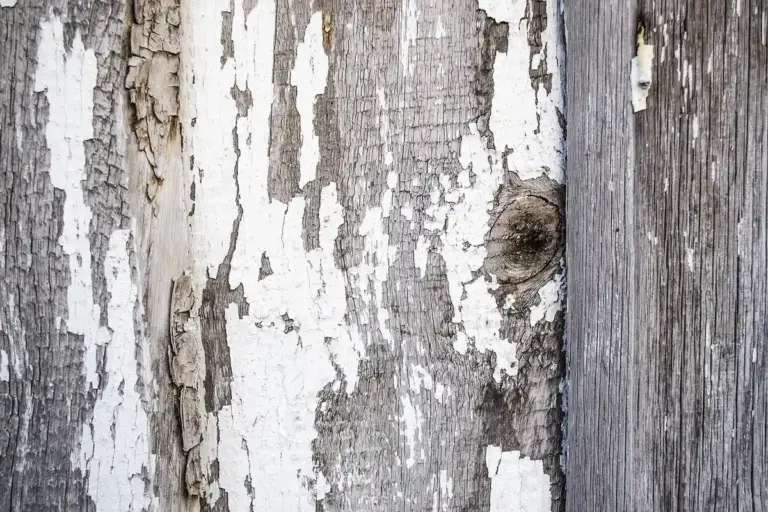
What Wood Species Resist Water Naturally, and How Do You Waterproof Them?
Identify woods naturally water-resistant and compare the best chemical treatments and physical coatings for woodworking projects.

Helping woodworkers using science and experience
Helping woodworkers using science and experience
Examines how timber responds to loads, moisture, and temperature, detailing strength, stiffness, dimensional changes, and degradation processes.
Identify woods naturally water-resistant and compare the best chemical treatments and physical coatings for woodworking projects.

Compare oven-dry, pin, pinless, and relative-humidity methods to measure wood moisture; pros/cons, accuracy, and practical tips.
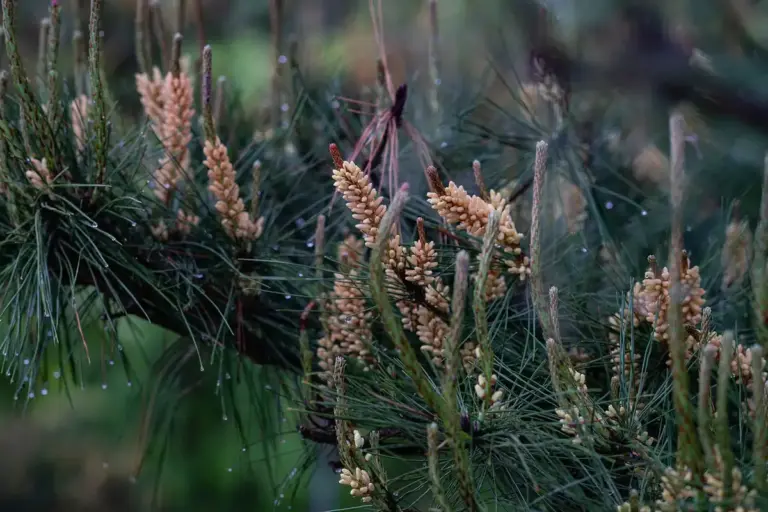
Pine Janka hardness and density: how pine's strength, stiffness, wear, and moisture-driven movement shape woodworking decisions.
How wood porosity drives absorption, adhesion, and surface finish; covers porosity types, species, prep, coatings, and testing.

Where to source high-quality hickory for furniture and tool handles; grain orientation, moisture content, and selection tips.
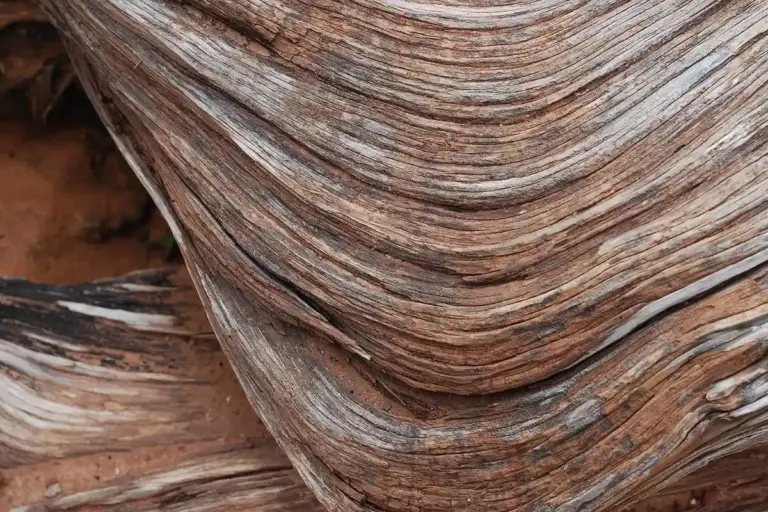
How to simulate and predict wood grain for veneer matching and inlay design: methods, models, tools, accuracy tips.

Walnut wood flammability: combustion temperature, ignition point, and fire safety tips for woodworkers.
Hickory wood properties for burning and smoking; how high density and Janka affect heat output and flavor.

How wood species affect stain uptake, blotching, color, and finish for staining, painting, and finishing with prep, top coats.

Compare wood drying methods and a step-by-step kiln build guide for woodworkers and wood-science enthusiasts.