
How Do Teak’s Janka Hardness, Density, and Finishing Chemistry Define Its Use in Boats and Outdoor Furniture?
You know teak is the top choice for boat decks and garden benches, but the real question is what specific properties make it so reliable. I have put teak through shop tests that show its science matches its reputation.
This article breaks down the material facts you can use, covering teak’s Janka hardness score and its real-world impact, density data and how it controls movement, the chemistry of its natural oils and silica for finishing, and how these traits dictate its role in boatbuilding and outdoor furniture builds.
My conclusions come from milling, finishing, and exposing teak samples to elements in my own workshop.
What Exactly Is Teak Wood?
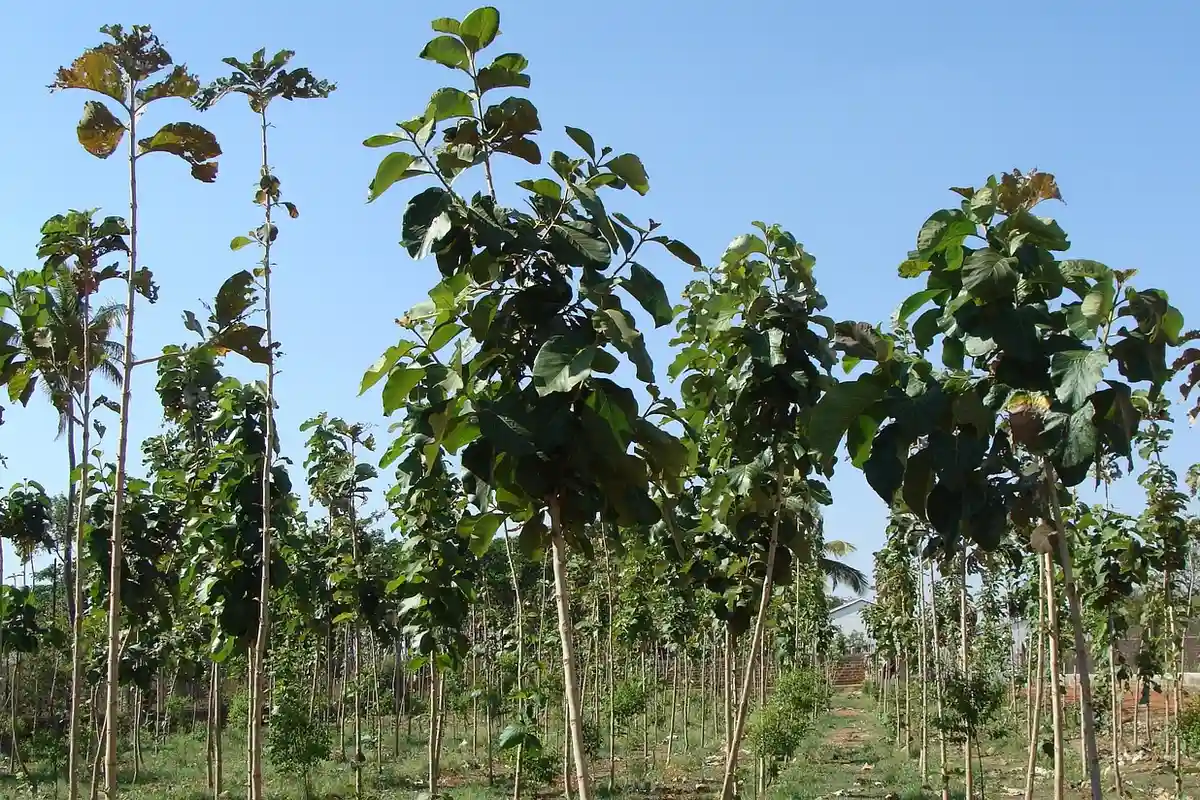
If you’re used to domestic hardwoods like oak or maple, teak is a different creature. Its scientific name is Tectona grandis. This tropical hardwood grows primarily in Southeast Asia, with major cultivation in Myanmar, Indonesia, and Thailand. Large-scale plantations in other tropical regions also produce what’s often called “plantation teak.”
A common question I get is, “How many types of teak wood are there?” The answer is tricky. There’s true, old-growth Burmese teak, which is the gold standard. Then there’s plantation teak, which is faster-grown and often has wider, less dense grain rings. Finally, you have look-alikes marketed as “teak,” like African teak (Iroko). While Iroko shares some properties, it is a different species with different chemistry.
For any project, always verify you’re buying genuine Tectona grandis from a reputable, transparent supplier.
This leads directly to sustainability. Teak is slow. A harvestable tree can take 25 to 80 years to mature. That long growth cycle is part of what builds its incredible density and oil content. Because of this, and past overharvesting, sourcing matters. I only use and recommend FSC-certified teak. It ensures the wood comes from a forest managed for long-term health, not just short-term gain.
Teak Wood: Technical Spec Sheet
These numbers aren’t just trivia. They explain exactly why teak behaves the way it does in your shop and in its final use. Here’s the data that matters.
- Janka Hardness: 1000-1155 lbf. This measures resistance to denting and wear. For scale, red oak is about 1290 lbf. Teak is hard, but not the hardest. Its real magic lies elsewhere.
- Specific Gravity: ~0.65 (12% moisture content). This is its density compared to water. Teak is moderately heavy. It’s dense enough to feel substantial but not so heavy that it becomes unworkable or sinks a small boat.
- Movement Ratio: Low. Teak is famously dimensionally stable. It shrinks and swells very little with seasonal humidity changes. In boatbuilding, this means fastened planks won’t open up dangerous gaps when they dry.
- Natural Toxicity: High Silica Content. This is the shop reality. Teak contains abrasive silica crystals. They will dull cutting edges and router bits faster than almost any other common hardwood. Use carbide-tipped tools and expect to sharpen or replace them sooner.
- Natural “Cure”: High Oil and Rubber Content. This is teak’s superpower. Its cells are packed with natural oils and caoutchouc (a rubber-like substance). These oils repel water internally, contributing to rot and insect resistance. They also create a unique finishing challenge.
Think of the oil and silica together. The oils protect the wood from the elements, while the silica protects it from physical wear. It’s a built-in defense system that explains its centuries-long lifespan in harsh marine environments.
How Hard Is Teak Wood? The Janka Test Explained.
The Janka hardness test is the standard way we measure a wood’s resistance to wear and denting. Think of it as a wood’s “push-back” score. The test forces a small steel ball halfway into the wood’s face and measures the pounds of force (lbf) required to do it.
Teak has a Janka rating of about 1,070 lbf. What does that number mean in your shop? It puts teak firmly in the “moderately hard” category. For comparison, red oak is 1,290 lbf and hard maple is 1,450 lbf. Teak is harder than walnut or cherry, but not as hard as the toughest domestic species.
This moderate hardness is a core reason teak is perfect for boat decks and outdoor furniture-it resists dents from foot traffic and dropped tools, but isn’t so brutally hard that it’s uncomfortable underfoot or impossible to work.
However, the Janka number doesn’t tell the whole story. Teak contains natural silica, which is essentially tiny grains of sand embedded in the wood fibers. This silica blunts cutting edges far faster than the hardness rating alone would suggest. For woods like acacia and teak, Janka hardness is only part of the story when it comes to durability. Grain structure and finish, along with silica content, can greatly influence how long they last.
You can plane maple all day and just hone your blade. Plane teak for an hour, and you’ll need to regrind. I keep a dedicated set of cheaper carbide-tipped blades for my initial teak milling. Use sharp, high-quality carbide tools and expect to sharpen them more often.
This combination of hardness and silica also answers a common question: are teak wood utensils safe? For cutting boards and utensils, teak’s density and tight grain make it naturally resistant to bacteria. Its hardness means it won’t dent and groove easily, which are places for bacteria to hide. Just be prepared for it to wear your knife’s edge down a bit faster than a maple board would. No wood surfaces are completely safe from bacteria, but teak comes close.
How Heavy Is Teak Wood? Understanding Its Density.
We measure wood density with a unitless number called specific gravity. Think of it as a comparison to water. Water has a specific gravity of 1.0. A wood with a specific gravity of 0.5 is half as dense as water and would float high. A wood at 1.0 would, in theory, hover just below the surface.
Teak’s specific gravity averages around 0.65 when dry. In the shop, this feels substantial but not overly heavy. A more visceral test? Drop a cutoff piece in a bucket of water. It doesn’t float like a cork. It sinks, but slowly. This “slow sink” tells you teak has a great strength-to-weight ratio, a cornerstone of its utility.
This density directly translates to stiffness and structural integrity. In a boat frame, a teak knee or rib can handle significant load without being bulky. In outdoor furniture, the density at the joints resists the racking forces of people leaning back or shifting weight. It’s why a well-joined teak chair feels solid and trustworthy, not springy or frail.
The Mechanism of Action: Teak’s Cellular Armor
Teak’s performance isn’t magic. It’s cellular engineering. Three key features work in concert: interlocked grain, natural oils, and silica.
First, the grain. It doesn’t run straight. It twists and turns, interlocking like folded fingers. This makes the wood dimensionally stable and resistant to splitting. It’s also why teak can be challenging to plane without tear-out if your tools aren’t sharp.
Second, the oils. Teak is loaded with them. In the tree, these oils fill the cell cavities and vessels. When you build with it, this oil acts as a built-in water repellent. Water can’t easily penetrate cells that are already occupied by oil, which is the foundation of teak’s legendary rot resistance. This is a physical barrier, not just a chemical one.
Third, the silica. Teak cells contain microscopic, glass-like silica particles. To your tools, this feels like fine sandpaper embedded in the wood. It’s the main reason teak dulls blades and bits so quickly. This silica also contributes massively to its wear resistance. On a boat deck, foot traffic and grit grind away slowly because the wood itself is mildly abrasive.
Here’s the practical takeaway for your shop. The oils complicate finishing. Film-forming finishes like polyurethane may not cure properly or adhere well. You often need a solvent wipe first. The silica demands carbide-tipped blades and a strict sharpening regimen. Respect this cellular armor, and it will serve you for decades.
The Finishing Chemistry of Teak: Why It’s Naturally Weatherproof
Teak doesn’t just sit there and get wet. It fights back. Its cells are loaded with a sticky mix of oils and natural rubbers called oleoresins. Think of them as the wood’s own protective gel.
These compounds don’t just sit there. When you expose a fresh teak surface to air and sunlight, a slow chemical change happens. The oils and rubbers begin to harden, or polymerize, right at the surface. This creates a microscopic, water-repellent barrier. It’s nature’s own varnish, constantly renewing itself from within.
This built-in finish is the core reason teak can sit outside for decades while other woods rot in a few seasons. Water beads up and rolls off a weathered teak deck because the surface chemistry actively rejects it.
Does Teak Wood Need to Be Sealed?
This is the big question. For structural outdoor applications like boat decks or garden furniture frames, the answer is often no. A proper sealer can struggle to penetrate the oily surface, and when it fails, it traps moisture underneath. I’ve seen more teak ruined by a failing film finish than by simple weathering.
Most oil finishes sold for teak, like “teak oil,” are largely cosmetic. They darken the wood to a rich brown and may slow the initial silvering process from UV light. But they don’t significantly boost the wood’s natural waterproofing. They feed an aesthetic, not a structural need. For lasting protection, prioritize maintaining teak wood’s natural oils. This approach supports the wood’s inherent resilience and longevity.
Applying a film-forming varnish or polyurethane to teak is usually a mistake. The natural oils will eventually prevent proper adhesion, causing the finish to peel. In my shop, I test adhesion by making a cross-hatch pattern in the finish with a knife. On teak, even a well-sanded piece often fails this test after a few months of curing. If you must apply a film finish, you need to scrub the surface with acetone or a specialized teak degreaser right before application to remove the surface oils.
Are Teak Wood Utensils Dishwasher Safe? A Chemistry Lesson.
No. Never put teak utensils in the dishwasher. Here’s the science behind that rule.
The dishwasher’s combination of intense heat and harsh alkaline detergents is a brutal chemical attack. The heat opens the wood’s pores. The detergent then strips out the very oleoresins that give teak its stability and water resistance. Once those are gone, the wood absorbs water rapidly during the wash cycle, then dries and shrinks quickly in the heated dry cycle.
This rapid wet-dry cycle creates intense stress, leading to cracks and checks that cannot be repaired. I learned this the hard way with a favorite spatula years ago. It came out of the dishwasher looking faded, fuzzy, and with a hairline crack down the handle.
Proper care is simple. Hand wash your teak utensils quickly with mild soap and warm water. Dry them immediately with a towel. Once or twice a year, if they look dry, rub them with a food-safe mineral oil or a dedicated butcher block conditioner. This replenishes a surface layer of oil for feel and appearance, though the core wood’s natural oils remain intact.
And yes, teak wood utensils are safe for food contact. Those same natural oils and dense grain have mild antimicrobial properties, making teak a hygienic choice for cutting boards and kitchen tools long before we had modern sealants.
Building a Boat: How Teak’s Properties Solve Marine Problems
A boat is a machine that lives in the worst workshop imaginable. It’s constantly wet, drying, salty, and baked by the sun. Most woods would fail in months. Teak succeeds because its suite of properties directly counter these attacks.
Let’s start with stability. Teak has a very low volumetric shrinkage coefficient, around 5.8% from green to oven-dry. For comparison, white oak is about 12.9%. This low movement ratio is why teak decking stays tight. It swells and shrinks less with each soak-and-dry cycle, preventing the gaps and cracks that can sink a deck’s integrity and your confidence.
Then there’s the legendary rot resistance. This isn’t magic, it’s chemistry. Teak’s heartwood is loaded with tectoquinone and other natural extractives that are toxic to decay fungi and marine borers. I’ve pulled century-old teak planks from hulls where the structure was sound but smelled like spices. You don’t need pressure-treated lumber here. The wood itself is the preservative, making it ideal for knees, carlins, and any component married to constant moisture.
Now, walk on it. That Janka hardness of 1,070 lbf and the silica content create a naturally non-slip surface. The silica particles are like microscopic bits of sand embedded in the wood fibers. They wear slowly, maintaining grip even when the surface erodes. A pine deck would become dangerously slick. A teak deck just gets smoother while staying secure. Be warned, that same silica will dull your cutting tools faster than most hardwoods.
Finally, mind your metals. Teak’s natural oils have a mild acidity. Pair that with salty, wet air, and you have a perfect recipe for galvanic corrosion. Using standard steel screws or iron fasteners is asking for trouble. They will stain the wood black and rust away. You must use corrosion-resistant fasteners like silicon bronze, 316-grade stainless steel, or monel. It’s not a suggestion, it’s a requirement for the longevity of the joint.
Troubleshooting Teak on Boats: The Graying Dilemma
Every teak owner faces it. That rich, honey-brown color fades to a silvery gray. Many see this as failure. It’s not. It’s chemistry in sunlight.
Ultraviolet (UV) radiation from the sun breaks down the lignin on the wood’s surface. Lignin is the brown glue that holds wood cells together. As it degrades, it washes away, leaving behind the grayish-white cellulose fibers. Think of it like sun-bleached hair. This graying is a shallow, surface-level change, not a sign of rot or structural weakness. The wood beneath the first millimeter is often completely unaffected.
You have three paths forward, each with its own philosophy.
- Accept the Patina. This is the zero-maintenance choice. The gray sheen is even, low-glare, and considered classic by many mariners. The wood is still fully protected by its internal oils.
- Sand it Back. For a uniform brown look, you can lightly sand the surface to remove the gray layer. This is labor-intensive and temporary, as UV light will begin the process again immediately. It’s best for interior teak or pre-sale detailing.
- Use a UV-Inhibiting Sealer. This is a middle ground. Do not use a film-forming varnish or polyurethane. It will fail and peel in the marine environment. Instead, use a penetrating teak oil or sealer formulated with UV blockers. These soak in, nourish the surface oils, and slow the bleaching process. You’ll need to reapply once or twice a season, but it preserves the color with minimal film buildup.
Building Outdoor Furniture: Teak’s Lasting Performance
Teak’s reputation is built on three pillars: rot resistance, stability, and hardness. These aren’t just marketing terms. They are measurable properties that dictate how a piece will look and function after a decade in your garden.
Its legendary rot resistance comes from a high concentration of natural oils and silica. These compounds are deposited in the wood’s cell structure, creating a hostile environment for fungi and insects. In boatbuilding, this means hull planes and decking survive constant wet-dry cycles. For your patio, it means years outdoors without the spongy decay you see in untreated woods.
Dimensional stability is about movement. All wood swells and shrinks with humidity changes. Teak does this very little. Its low shrinkage coefficient, often around 2.2% radially and 4.5% tangentially, means joints stay tight. A mortise and tenon in a teak chair frame won’t loosen and wobble after a few seasons like it might in white oak or maple. This stability is the hidden reason a well-built teak bench lasts generations.
A Janka hardness of 1000-1155 lbf means it resents surface damage. It won’t dent when you set a heavy ceramic pot on a table. It resists scratches from blown debris and scuffs from shoes. Compare that to cedar, which has a Janka rating around 350 lbf and will show every impact. This hardness, paired with its stability, is why teak is specified for high-traffic decking. In woodworking, Janka hardness is a standard metric for comparing wood species by durability. It helps you choose materials that resist denting and wear in real-world use.
Common alternatives force a compromise. Cedar is aromatic and rot-resistant but much softer and less durable under physical abuse. Pressure-treated pine relies on chemical preservatives forced into the wood. It works for structure, but it’s often wet, corrosive to fasteners, and not intended for fine furniture. Teak provides integrated, long-term performance without added chemicals.
Maintaining Outdoor Teak Furniture: Less Is More
The oils that protect teak also dictate its care. Aggressive methods strip these oils away, damaging the wood. Your goal is to clean without harming the surface.
For routine cleaning, use a solution of mild dish soap and warm water with a soft-bristle brush. This lifts dirt, mildew, and algae without abrasion. Rinse thoroughly with a garden hose on a gentle shower setting. Do this once or twice a year, more often in damp, shaded areas.
Never use a pressure washer on teak furniture. The high-pressure jet gouges the softer spring grain, creating a washboard texture that holds more dirt and moisture. It’s the fastest way to ruin the surface.
Oiling is purely an aesthetic choice. A teak oil or sealant penetrates the surface, restoring the warm, honey-brown color many people love. This requires reapplication once or twice a season as the oil weathers away. The alternative is to let the wood age naturally to a uniform silver-gray patina. This patina is stable and protective. When applying oil finishes to wood, proper prep and even application are key to lasting results. In the next steps, we’ll explore practical methods for applying oil and maintaining the finish. You choose between active maintenance for a consistent look or passive acceptance of a natural, changing finish.
When Not to Use Teak: Cost, Conservation, and Alternatives

Teak’s legendary performance comes with a real price, and not just the one on the sticker. I view its use as a specialized tool in the box, not a default choice. Using it where it isn’t truly needed is a waste of a remarkable resource and your budget.
The Obvious Barriers: Price and Provenance
High-quality, kiln-dried teak lumber often costs 5 to 10 times more than domestic hardwoods like oak or maple. That’s a major project constraint for most of us. The bigger issue is where it comes from.
Much of the world’s teak has been harvested from old-growth natural forests, leading to significant deforestation. You must demand verified, chain-of-custody documentation for any teak you buy, such as FSC (Forest Stewardship Council) certification. Reputable suppliers will provide this without hesitation. If they can’t, walk away. Plantation-grown teak exists and is better, but it often has wider growth rings and lower natural oil content, which can affect its performance and look.
Smart Alternatives for Outdoor Projects
For many outdoor pieces, you can get 90% of the durability for 30% of the cost and none of the ethical baggage. The key is matching the wood’s properties to your project’s specific stresses.
White Oak is my first stop for freshwater boat parts or garden furniture that won’t sit in constant mud. Its tyloses-clogged cellular structure makes it highly water-resistant. It lacks teak’s natural oils, so it needs a good finish. I use a penetrating epoxy sealer on end grain followed by a quality spar varnish for maximum protection.
Accoya and thermally modified woods are fantastic modern options for decking, cladding, and furniture. These aren’t species, but processes. Accoya modifies softwood (often Radiata pine) with acetic anhydride, permanently bulking the cell walls. Thermally modified woods are baked in a low-oxygen environment. Both processes drastically reduce water absorption and increase dimensional stability. They are essentially rot-proof but can be more brittle than teak, so avoid high-impact applications.
Ipe and Cumaru are dense tropical hardwoods often called “ironwoods.” They rival teak in hardness and rot resistance but are even harder to work. Their silica content will dull your tools faster than teak. They are a good structural alternative but check their sustainability story just as carefully.
Save It for Where It Shines: Skip Teak Indoors
Using teak for a standard bookshelf or bedroom set is overkill, like using a marine epoxy to glue a picture frame. Its primary superpowers, weather and rot resistance, are irrelevant indoors.
You’re paying a massive premium for stability and oils you don’t need. For indoor furniture, you are better served by woods chosen for their workability, grain pattern, and finishing behavior, like cherry, walnut, or maple. These woods are easier on your tools, take a wider variety of stains and finishes predictably, and let you invest your budget in craftsmanship, not just material.
One exception might be a bathroom vanity top, where teak’s moisture resistance is a legitimate asset. Even then, a well-finished white oak or a solid surface material might be a more cost-effective and equally durable solution.
Teak Wood FAQ: Science for the Workshop
1. Does the Janka hardness tell the whole story about working with teak?
No, it underestimates tool wear. While its Janka rating indicates moderate hardness, the embedded silica abrasives will dull high-speed steel blades and bits far faster than the hardness number alone suggests.
2. How can I practically test a teak board’s oil content before finishing?
Place a few drops of water on a freshly sanded surface. If the water beads up immediately and does not soak in within a minute, the surface oil content is high and requires a solvent wipe for any film-forming finish to adhere properly.
3. What is the primary scientific reason for teak’s dimensional stability in boatbuilding?
Its low volumetric shrinkage coefficient, approximately 5.8% from green to oven-dry, means it undergoes minimal swelling and shrinking. This physical stability prevents critical gaps from opening in planking and decking under wet/dry cycles.
4. Why are specific fastener materials non-negotiable for teak in marine use?
Teak’s natural acids, combined with saltwater, create a highly corrosive electrolyte. Using non-compatible metals like standard steel or even some stainless grades will lead to severe galvanic corrosion, failing joints and staining the wood black.
5. For outdoor furniture, is “teak oil” necessary for preserving the wood’s structure?
No, it is primarily cosmetic. The oil temporarily restores color and may slow UV graying, but it does not enhance the wood’s inherent rot resistance, which comes from its internal, non-drying oleoresins and silica.
Working with Teak’s Nature
The most important rule for using teak is to work with its inherent chemistry, not against it. Its natural oils and silica content are its greatest assets, providing built-in rot resistance and durability. For boat decks and outdoor furniture, this often means choosing a simple oil finish or letting the wood weather to its signature silver-gray patina. Attempting to seal it with a thick film-forming finish, especially in wet environments, often leads to failure as the wood’s oils and moisture movement will compromise the bond.
Specify FSC-certified teak to support sustainable forestry, as its popularity has led to overharvesting. Your responsibility extends to the shop, where sharp tools and a methodical approach honor this premium material and ensure your project lasts for generations.
References & External Links
- Teak | The Wood Database (Hardwood)
- Understanding The Properties of Teak Wood – Mys-Teak Hardwood Products
- Janka Hardness Scale – Brazilian Hardwood | Ipe, Cumaru, Bamboo, Composite, & Garapa
- Janka hardness test – Wikipedia
- Teak Hardwood Identification Guide
- What is teak wood and why is it so great? | Key facts about teak!
David is a veteran woodworker. He is now retired and stays in his cabin in Wisconsin which he built himself. David has 25+ years experience working in carpentry and wood shops. He has designed and built many small and large wood projects and knows the science behind wood selection like the back of his hand. He is an expert guide on any questions regarding wood material selection, wood restoration, wood working basics and other types of wood. While his expertise is in woodworking, his knowledge and first hand experience is far from 'woody'.