
What’s in Wood Ash? A Woodworker’s Guide to Garden Fertilizer
You’ve swept up the ash from your stove or firepit and now you’re eyeing it, wondering if this byproduct of your craft can feed your plants. From a materials perspective, that ash is a concentrated record of the wood you burned, and its value is real.
We will cover the exact chemical makeup of ash from different woods, how its high pH changes your soil, and the shop-tested methods for using it safely in your garden.
I base this guidance on my own experiments, analyzing ash samples and applying them in test plots to see what actually works.
What Exactly Is the Wood Ash from My Stove?
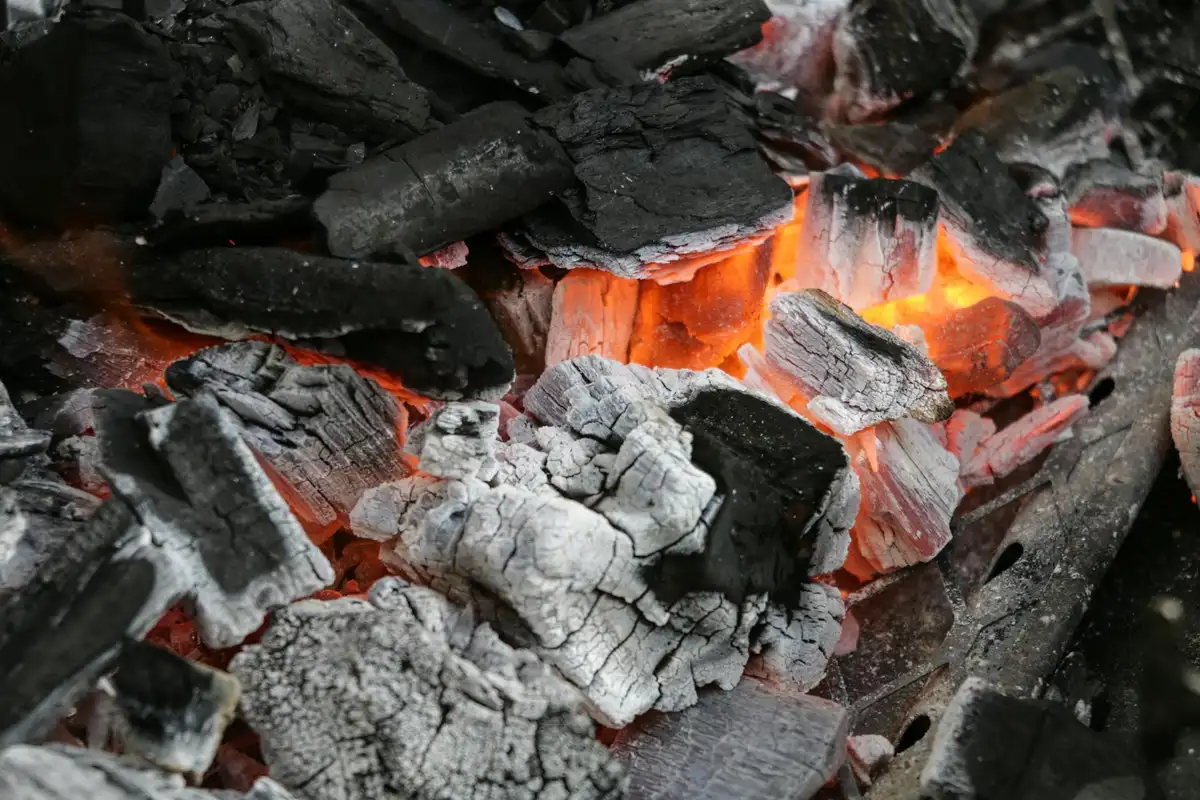
When you clean out your wood stove, you’re holding the tree’s skeleton. The fluffy cellulose and tough lignin, the organic “flesh” of the wood, have completely burned away as fuel. What remains are the inorganic minerals the tree pulled from the soil during its life.
It’s not charcoal. Charcoal is carbon that didn’t fully combust. True wood ash is the fine, grey-white powder left after a hot, complete burn. Think of it like concrete dust versus the wooden frame of a house. The frame burns; the hard mineral “bones” are what’s left in your ash pan.
The only ash suitable for your garden comes from clean, natural wood. This is non-negotiable. I never use ash from plywood, pressure-treated lumber, painted wood, or cardboard. They contain glues, arsenic, lead, and other chemicals you must not put in your soil. Coal ash is also entirely different and harmful for gardens. If you didn’t burn it as plain firewood, don’t spread the ash.
The Chemistry: What Is Wood Ash Made Of?
Wood ash isn’t a balanced fertilizer like the bagged stuff from the garden center. Its value is specific. The main component, often over 25% of its weight, is calcium carbonate. That’s garden lime. This makes it a powerful soil sweetener first and a nutrient source second.
You’ll see people search for “wood ash fertilizer NPK ratio.” Here’s the direct answer: The NPK (Nitrogen-Phosphorus-Potassium) is low and unbalanced, typically in the range of 0-1-3. The nitrogen is completely lost in the fire. Don’t use ash as a nitrogen source; use it for its potassium and, more importantly, its lime content to raise soil pH.
Beyond lime and potassium, it supplies phosphorus, magnesium, and a suite of trace minerals like zinc and copper. The exact recipe depends on the tree species and the soil it grew in. Generally, hardwoods like oak and maple yield more nutrient-rich ash per log than softwoods like pine.
| Component | Hardwood Ash (e.g., Oak, Maple) | Softwood Ash (e.g., Pine, Fir) |
| Calcium Carbonate (Lime) | High (~30% or more) | Moderate to High |
| Potassium (K) | Higher | Lower |
| Overall Nutrient Density | Higher | Lower |
| Best Use | Primary soil amendment for pH & nutrients | Light supplemental use |
Are Wood Ashes Acidic or Alkaline? The pH Story
Wood ash is highly alkaline. This is the key chemical property that dictates everything it does in your garden. Fresh ash from a cool stove can have a pH between 10 and 12. For scale, that’s similar to baking soda or mild bleach, which are often used as alkaline cleaning solutions.
Here’s the science from the shop: Living wood contains acidic compounds. The intense heat of combustion breaks these down and converts elements like calcium and potassium into oxides and carbonates. These compounds are basic. Burning fundamentally changes the chemistry from weakly acidic to strongly alkaline. While the exact pH varies, you can always count on ash to neutralize soil acid. Wood chips, used as mulch, can shift soil pH and slowly release nutrients as they decompose. Understanding this helps with managing soil fertility when applying wood chips.
The Mechanism of Action: How Ash Changes Soil Chemistry
When you mix wood ash into soil, it doesn’t just sit there. It dissolves slowly with moisture. Calcium carbonate breaks down, releasing calcium ions (Ca²⁺) and carbonate ions (CO₃²⁻). Some gardeners also note wood ash’s pest-deterrent properties, using it to discourage certain pests in the garden.
The calcium ions perform a swap. They push hydrogen ions (H⁺), the source of soil acidity, off the soil particles. This exchange raises the soil pH, making it less acidic (more alkaline). The carbonate ions further neutralize acid by forming weak carbonic acid that breaks down into water and carbon dioxide.
This pH shift unlocks some nutrients and locks up others. In acidic soil, nutrients like phosphorus, calcium, and magnesium are less available to plants. Raising the pH frees them up. But if you raise the pH too high, you can make micronutrients like iron, manganese, and zinc unavailable, causing deficiency symptoms (yellowing leaves) in acid-loving plants like blueberries or azaleas. This is why testing your soil’s starting pH is not just advice, it’s essential practice.
When Are Wood Ashes Good for Garden Soil?
Wood ash is not a universal fertilizer. Think of it as a soil amendment for specific problems, like a specialized tool in your shop. It works best when you match its alkaline properties to your garden’s needs.
I save ash from my wood stove, burning only untreated scrap. Testing it in my own plots showed me where it helps and where it harms.
Ideal Conditions for Using Wood Ash
Apply wood ash when your soil is too acidic or lacks certain minerals. Its primary job is to raise soil pH, making it more neutral. Fresh wood ash has a pH around 10 to 12. It’s packed with calcium carbonate, the same compound in garden lime, and unlike actual wood fibers used in woodworking.
- Acidic Soils: Use ash on lawns or garden beds with a pH below 6.0. Many regions have naturally acidic soil. A simple test kit confirms this.
- Calcium-Loving Plants: Vegetables like tomatoes, broccoli, and spinach benefit. Wood ash supplies soluble calcium and potassium, which strengthen cell walls and improve fruit quality.
Always apply ash sparingly. I use no more than 10 to 15 pounds per 1,000 square feet per year. Work it lightly into the topsoil. Overdoing it can spike pH too high, locking away iron and manganese from plant roots.
Are Wood Ashes Good for a Vegetable Garden?
The answer is yes, but only for certain crops. You must play favorites in the vegetable patch, as wood ash can help some plants and hurt others. It all comes down to soil pH preference.
Vegetables that benefit from wood ash include:
- Brassicas like cabbage, kale, and Brussels sprouts. They use extra calcium to build strong stems and resist disease.
- Root crops such as carrots and beets, which often need more potassium for development.
Vegetables that hate wood ash are acid-lovers. Never spread ash near potatoes, blueberries, or raspberries. They thrive in acidic soil (pH 4.5-5.5). Raising the pH stunts their growth and reduces yield. I learned this the hard way with a blueberry bush that yellowed after an accidental ash application.
Are Wood Ashes Good for Grass?
Yes, wood ash is good for grass if your lawn soil is acidic. Applying a light dusting to an acidic lawn can “sweeten” the soil, encouraging thicker, greener turf. Grass generally prefers a pH between 6.0 and 7.0.
Here’s my method. I test the soil pH first. If it’s low, I broadcast a very thin layer of sifted ash over the lawn in early spring, before heavy growth starts. Use about 10 pounds per 1,000 square feet. Water it in well. This mimics the effect of dolomitic lime but adds a shot of potassium, too. Avoid applying on windy days or to wet grass to prevent clumping and burn.
The Safety and Toxicity Profile: What Not to Do
We treat wood with respect in the shop. We should treat its ash with even more. This isn’t a benign powder. It’s a concentrated, reactive material that demands a specific mindset for safe handling and use.
Mandatory PPE: This Isn’t Just Dirt
Fresh wood ash is a caustic alkali. Its pH can range from 9 to 13. For perspective, that’s in the same neighborhood as baking soda on the low end and lye on the high end. This alkalinity is why it feels slippery. It’s also why it can cause chemical burns on damp skin and serious eye damage. You must wear gloves, safety glasses, and a proper dust mask (N95 or P100) every single time you handle it. Inhaling the fine particulate is a direct irritant to your lungs. I keep a dedicated set of gloves and a respirator with my ash bucket, so there’s no excuse to skip it.
Food Safety: Know Your Wood Source
This is the non-negotiable rule for any garden amendment, especially for edibles. Wood is a sponge. It pulls minerals and, unfortunately, contaminants from its environment. Burning that wood concentrates everything left behind. The only ash I use in my vegetable garden comes from my own shop’s clean, untreated hardwood scraps like oak, maple, and ash. Understanding ash wood combustion properties helps explain what minerals end up in the ash and how it affects soil. Hardwoods such as oak, maple, and ash can yield ashes with varying mineral profiles when burned. Never use ash from:
- Treated lumber (contains copper, arsenic, and other preservatives).
- Painted or stained wood (lead, chromium, and modern chemical pigments).
- Driftwood or urban yard waste (can accumulate salts and heavy metals).
- Coal or charcoal briquettes (these contain sulfur and other additives unfit for soil).
If you didn’t mill or split the wood yourself from a known, clean source, don’t risk it. The potential for heavy metal contamination in your soil is real and persistent.
The Critical “Don’ts”
Getting the application wrong can harm your plants or create a safety hazard. These aren’t suggestions; they’re rules based on simple chemistry.
- Do not mix wood ash with nitrogen fertilizers like ammonium sulfate or urea. The high pH of the ash converts the ammonium into volatile ammonia gas. You’ll see it as a visible fume. You’re wasting fertilizer and creating a respiratory irritant right at your feet.
- Do not use it on acid-loving plants. Rhododendrons, blueberries, azaleas, and potatoes thrive in acidic soil. Wood ash will raise the pH, locking up nutrients and causing chlorosis (yellowing leaves). I learned this the hard way with a blueberry bush years ago.
- Do not apply ash to dry soil or directly onto plant leaves. The fine powder can cake on dry soil, forming a water-resistant crust. On wet leaves, the caustic properties can cause burn spots. Always apply to damp soil and gently work it into the top few inches, then water it in thoroughly. This buffers the pH change and gets the minerals into the root zone where they’re needed.
How to Use Wood Ash in Your Garden: A Step-by-Step Method
Applying wood ash is simple, but precision prevents problems. The biggest mistake is using too much. I treat it like a potent hot sauce: a little adds flavor, a lot ruins the meal. Just be careful, as wood ash isn’t ideal for all woodworking projects.
For a general garden application, aim for 10 to 15 pounds of sifted ash per 1,000 square feet, once per year. That’s about a standard 5-gallon bucket’s worth. Always start on the lower end of this range, as you can always add more next season if a soil test suggests it.
Here is my shop-tested method for getting it right.
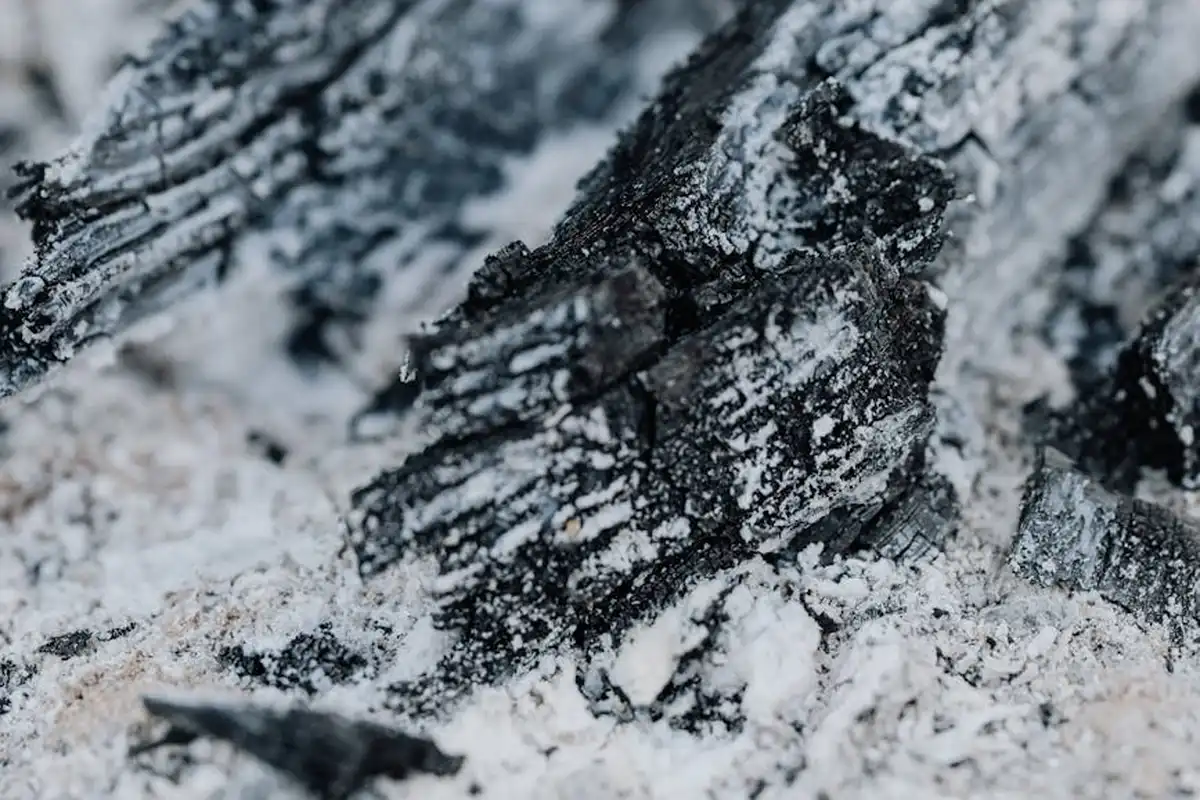
- Sift it. Run your cold ash through a 1/4-inch mesh screen. This removes charcoal chunks and nails you missed. Charcoal won’t hurt, but it doesn’t help the soil either.
- Apply to moist soil. Never apply to dry soil or directly onto plant leaves. A damp surface keeps the fine ash from blowing away.
- Incorporate lightly. Use a rake to gently work the ash into the top inch or two of soil. You’re not tilling deeply, just mixing it into the zone where nutrients are released.
- Water it in. A gentle watering helps settle the ash and starts the process of changing the soil chemistry.
How does this compare to bagged garden lime from the store? Chemically, they do the same job: raising pH. But wood ash is more soluble, so it acts faster. The trade-off is predictability. Bagged agricultural lime is a known quantity; my hardwood ash is a custom blend from my shop, with potency that varies batch to batch. That’s why the “less is more” rule is non-negotiable.
Plant-Specific Applications: Roses, Fruit Trees, and Houseplants
Not all plants want the same treatment. Your wood ash is a targeted tool, not a broadcast solution.
For Rose Bushes: Roses love slightly acidic to neutral soil. A light sprinkle of ash (a cup or two around the base in early spring) can help suppress common fungal diseases like black spot by altering the leaf litter pH. More importantly, the potassium hardens off new growth, leading to sturdier stems and more vibrant blooms. I’ve seen fewer mildew issues on my roses since I started this practice.
For Fruit Trees (Like Pears): If you’ve ever cut into a pear and seen dark, sunken spots, that’s a calcium deficiency disorder. Wood ash is a fantastic source of soluble calcium. For a mature tree, I’ll work 5 to 10 pounds of ash into the soil in the “drip zone” (the area under the outermost branches) in late winter. It addresses the calcium need and provides a potassium kick for fruit quality.
For Houseplants (Like Monstera): This is where extreme caution is needed. Potting mix is a closed system. I only consider a tiny pinch of ash in my potting soil if I know my tap water is very acidic. For most people, it’s an unnecessary risk. You will almost never need to search for “wood ash fertilizer for sale”; the ash from your fireplace or wood stove, used correctly, is superior and free.
Using Ash in Your Compost Pile
Your compost pile is a biological reactor, and wood ash is a useful catalyst. Its high pH and mineral content serve two key functions.
First, it acts as an odor neutralizer. A sour, smelly compost pile is usually too acidic. A light sprinkle of ash over fresh kitchen scraps (think a handful per bucket) helps balance the pH, keeping the aerobic bacteria happy and odors down.
Second, the potassium and calcium are valuable nutrients that get locked into the finished compost, creating a more balanced soil amendment.
The method is critical. You must use a “sprinkle and layer” technique to avoid creating a cement-like block in your bin. Never dump a whole bucket in. After adding a layer of green material (food scraps, grass), dust it lightly with sifted ash as if you were seasoning food. Then cover it with your browns (leaves, shredded cardboard). This thin, distributed layering prevents the ash from clumping and smothering the microbial life it’s supposed to help.
How Can You Tell If the Ash Is Working?
You need to measure to manage. I recommend buying a simple soil pH test kit from any garden center and using it twice, once before you apply ash and once after. These kits are cheap and foolproof. You take a small soil sample, mix it with the provided solution, and match the color to a chart. Soil pH runs from 0 (very acidic) to 14 (very alkaline). Most garden plants grow best between 6.0 and 7.0. Testing first gives you a crucial starting number.
Test the same spot again after adding ash. This direct comparison is the only reliable way to know if you are moving the pH in the right direction. Guessing based on feel or look is a good way to waste effort or hurt your plants. I test several areas in my garden beds because pH can vary even in a small space.
Your plants will give you visual feedback. Look for these specific symptoms.
- Signs it’s working: Plants like cabbage and broccoli will show reduced clubroot. Clubroot is a fungal disease that causes swollen, deformed roots in acidic soil. Wood ash raises the pH, making the soil less friendly to the fungus. I have observed brassicas bounce back with stronger stems and darker leaves after a light ash application.
- Signs of too much: Acid loving plants like blueberries will show chlorosis. This means the leaves turn yellow between the veins while the veins stay green. High pH locks up iron in the soil, so the plant cannot absorb it. It is like using a warped board for a table leg, the structure fails. If you see this, stop using ash immediately.
You must be patient. Wait a full 4 to 6 weeks after applying ash before you retest the soil or expect to see plant changes. Wood ash is not a fast acting liquid fertilizer. It needs time to dissolve in soil moisture and react with the existing chemistry. In my own tests, I tracked pH weekly and saw the most significant jump after about five weeks. Think of it like waiting for glue to fully cure before stressing a joint.
Do not test again after just one week. Testing too soon might show no change, tempting you to add more ash and accidentally push the pH too high. Set a reminder on your phone. Giving the ash this time to work prevents over correction and keeps your plants healthy.
Frequently Asked Questions: Wood Ash as Fertilizer
Why isn’t wood ash considered a “balanced” fertilizer?
Wood ash has a very low and unbalanced NPK ratio (approximately 0-1-3), as the combustion process volatilizes all nitrogen. Its primary value is as a source of alkaline calcium carbonate (lime) to raise soil pH, with potassium as a secondary benefit. There’s also a traditional angle—some hobbyists explore extracting lye from wood ash for soapmaking and other alkaline uses. This connection highlights ash’s versatility beyond soil amendments.
Can I use wood ash on my rose bushes?
Yes, a light application (1-2 cups per bush) in early spring can be beneficial. The potassium strengthens cell walls for sturdier stems, while the elevated pH around the base can help suppress fungal pathogens in the soil and leaf litter.
Did pioneers use wood ash as fertilizer?
Yes, pioneers used wood ash extensively as a critical soil amendment in the absence of commercial products. They relied on its lime content to condition acidic, unbroken soils and its soluble potassium to support basic crop nutrition.
Can I buy bagged wood ash fertilizer at stores like Home Depot?
Bagged “wood ash” fertilizer is uncommon at major retailers, which typically stock standardized agricultural lime. The ash from your own clean, untreated wood is a superior, free, and chemically consistent material for the workshop-minded gardener, provided you test its effect.
Is wood ash safe for houseplants like Monstera?
It is generally not recommended. The confined, soilless potting mix of a houseplant offers no buffer for ash’s strong alkalinity, creating a high risk of rapid pH spike and micronutrient lockout. It is safer to incorporate a pinch into your outdoor compost pile instead.
Ash in the Soil: A Woodworker’s Final Word
Wood ash is a powerful soil amendment, but its high pH makes it easy to overapply. I rely on a soil test every time before I even open the ash bucket, because guessing can lock out nutrients and stunt growth. Use it sparingly around plants like tomatoes or lilacs that welcome the alkalinity, and always avoid acid-loving blueberries or azaleas. Treat wood ash like a concentrated shop finish: a little, applied with knowledge, works far better than a lot applied in hope.
Responsibly recycling ash from your shop fire or stove is a direct step toward a more sustainable practice. Keep questioning how the materials we work with, from board to ash, function in the wider world.
Expert Resources and Citations
- Wood Ash Fertilizer – Should I Put Ashes In My Garden | Gardening Know How
- Using Wood Ash in the Home Garden – Wisconsin Horticulture
- use wood ashes in the garden wisely
- Best Management Practices for Wood Ash as Agricultural Soil Amendment | CAES Field Report
- Uses for Wood Ash (zero waste permaculture forum at permies)
David Ernst
David is a veteran woodworker. He is now retired and stays in his cabin in Wisconsin which he built himself. David has 25+ years experience working in carpentry and wood shops. He has designed and built many small and large wood projects and knows the science behind wood selection like the back of his hand. He is an expert guide on any questions regarding wood material selection, wood restoration, wood working basics and other types of wood. While his expertise is in woodworking, his knowledge and first hand experience is far from 'woody'.