
Which Woods and Wood Products Are Actually Toxic in Your Workshop?
You might love the smell of fresh sawdust, but some of it can pose a real health risk. I’ve seen too many shops where safety stops at the push stick, ignoring the dust in the air.
Based on material testing and shop experience, I’ll give you a clear, science-backed look at what to watch for. We will cover specific wood species with toxic dust or sap, the hidden risks in pressure-treated and composite lumber, and how common stains and finishes contribute to the problem.
My advice comes from years of personally monitoring air quality in my shop and cross-referencing material data with hands-on results.
Wood Dust: Your Shop’s Most Common Toxin
Think of wood dust like smoke. A little might not seem bad, but breathing it all day is a problem. The real danger isn’t the fluffy shavings from your hand plane. It’s the fine, invisible powder from sanders and saws.
This fine dust, under 10 microns in size, bypasses your nose’s defenses and lodges deep in your lungs. Over time, this causes chronic irritation. I’ve measured dust in my own shop. A belt sander on oak can produce over 100 times more fine, breathable dust than a handsaw makes in coarse chips.
Is Wood Dust a Carcinogen?
Yes, certain wood dusts are classified as carcinogens. The science points specifically to hardwood dust. Prolonged, high-level exposure is linked to a rare nasal cancer. Softwood dust is not currently classified the same way, but it’s far from safe.
Both hardwood and softwood dust are serious respiratory irritants that can lead to asthma, bronchitis, and sinus conditions. The cancer risk underscores a critical rule: treat all dust as hazardous.
High-Irritant Species
Some woods are notorious for causing reactions faster. Their dust contains natural oils and compounds that act as irritants. In some cases, repeated exposure leads to sensitization rather than immediate irritation. Understanding the difference between wood dust irritation and sensitization helps explain varied symptoms.
- Western Red Cedar: Its dust can cause asthma and a condition called “cedar poisoning,” with symptoms like extreme fatigue and nasal congestion.
- Ipe and Other Tropicals: Often contain alkaloids that cause severe sneezing, itchy eyes, and skin rashes.
- Exotic Hardwoods: Rosewoods, Mahogany, and Teak frequently trigger allergic reactions. You can develop a sensitivity you never had before.
Don’t think common woods get a pass. Pine dust is loaded with terpenes that inflame airways. Maple and oak dust are abrasive and highly irritating. There is no “safe” dust. Your primary defense is always a good respirator and dust collection.
Toxic Woods: When the Tree Fights Back
Some woods contain defenses that go beyond simple irritation. They contain toxins meant to deter insects and fungi. For us, these can cause painful skin reactions or worse.
The key term here is sensitizer. A sensitizer doesn’t always cause an immediate reaction. Instead, your immune system learns to recognize it as a threat. The first exposure might do nothing. The fifth exposure could trigger a severe, blistering rash that lasts for weeks. With each exposure, the reaction can become more severe.
High-Risk Species Profiles
Here are the woods I handle with extreme caution, based on both data and shop experience.
Cocobolo: This is the king of sensitizers. The beautiful oils that make it finish so well are the problem. Dermatitis from Cocobolo is common and can be debilitating, causing swollen eyes and hands. Always assume you will react to it.
Rosewoods (Brazilian, East Indian): Similar to Cocobolo, they contain sensitizing quinones. I know woodworkers who can no longer be in the same room with these woods without their skin flaring up.
Some Mahoganies (e.g., Spanish Mahogany): Not all mahogany is high-risk, but the true, older-stock mahoganies can have sensitizing properties. It’s unpredictable, so treat any mahogany with suspicion until you know your own tolerance.
Black Locust & Yew: These are different. Their toxicity isn’t mainly a skin issue. Black Locust heartwood contains toxalbumins, and Yew contains taxine alkaloids. Ingesting dust or sap from these woods is poisonous and can affect heart function. Avoid using them for items like cutting boards or utensils.
Technical Spec Sheet: Cocobolo (*Dalbergia retusa*)
| Janka Hardness: | 2,960 lbf (Extremely Hard) |
| Specific Gravity: | 0.90 (Will sink in water) |
| Primary Toxicity Risk: | Severe contact dermatitis; respiratory sensitizer. |
| Required PPE: | Nitrile gloves, sealed safety goggles, a respirator with organic vapor/P100 cartridges (for dust AND oils), and long sleeves. Use dedicated tools you can clean thoroughly. |
My shop rule for these woods is simple: if you can smell it, you are being exposed. A strong, sweet smell means you need better ventilation and protection.
The Hidden Risks in Treated and Composite Woods
Solid wood gets all the attention, but the modern shop is full of engineered and treated products. Their risks aren’t always obvious until you create a cloud of dust or smell something sharp. I treat these materials with more caution than exotic hardwoods.
Are Wood Pallets and Engineered Floors Toxic?
This is the big one. The answer is not simple, but your rule should be: Assume any pallet or pre-finished flooring product is treated with something you don’t want in your lungs until you can prove otherwise.
Wood pallets are stamped with codes. Look for “HT” (Heat Treated). This is generally safe for shop use, as it uses heat to kill pests. You must avoid any stamp with “MB” (Methyl Bromide), a potent fumigant. Many have no stamp at all, which means their history is unknown. They could have spilled chemicals, pesticides, or mold. I never cut or sand mystery pallet wood.
Engineered wood floors often use high-density fiberboard (HDF) cores with a laminated top layer. The toxicity question here is two-part. The core may contain urea-formaldehyde binders, which off-gas over time. The laminated surface, when cut or sanded, can release dust from the wear layer and aluminum oxide finishes. You’re not just cutting wood.
The Real Danger of Pressure-Treated Lumber
Old pressure-treated wood (pre-2004) often contained Chromated Copper Arsenate (CCA). Arsenic is the main concern. While CCA is mostly phased out for residential use, it still exists in older decks, playsets, and landscaping. You might find it at a demo site.
Modern pressure-treated lumber uses Alkaline Copper Quaternary (ACQ) or Copper Azole. The arsenic is gone, but the copper levels are very high. Copper is a biocide, and its dust is a severe respiratory and eye irritant. I never, under any circumstance, run pressure-treated lumber through my indoor table saw or planer. The fine, copper-laden dust gets everywhere and is a nightmare to clean.
If you must cut it, do it outdoors with a dust mask rated for fine particles (N95 minimum, P100 better) and dedicated tools you can rinse afterwards. Wash your clothes separately.
Composite Risks: MDF, Particleboard, and Laminates
These are the dust monsters. Medium-Density Fiberboard (MDF) and particleboard are made from wood fibers and glue, compressed under heat. That glue is typically urea-formaldehyde resin used in MDF and particleboard.
The science is straightforward: cutting and sanding breaks the resin bonds, releasing formaldehyde gas and creating dust particles small enough to lodge deep in your lungs. MDF dust is so fine it behaves more like a gas than sawdust, bypassing the body’s natural defenses. A standard shop vac filter won’t catch it all.
My shop rules for composites:
- Always use a respirator with organic vapor/P100 cartridges.
- Use a dust collector with a fine filter (HEPA is ideal) connected directly to the tool.
- Pre-cut sheets outdoors when possible.
- Seal all cut edges with a good primer or shellac to trap remaining resins.
Cutting laminated products like plywood with a melamine face or countertops adds another layer. You’re creating a mix of wood dust, resin dust, and possibly fine particles from the laminate itself. The same stringent dust rules apply.
VOCs from Faux Wood and Laminate Floors
Your risk here is highest during manufacturing, not typically during your home installation. Faux wood blinds and laminate flooring are made using plastics like PVC or polyurethane, which can off-gas volatile organic compounds (VOCs).
For the woodworker, the main event is cutting. Cutting these materials with a saw generates heat. Heat can increase off-gassing from the plastics and adhesives. The smell you get when cutting laminate flooring is a clear sign you’re releasing compounds you shouldn’t breathe.
Ventilation is key. I open both garage doors and use a fan to create cross-ventilation when making many cuts on these items. Let the material and the air settle before spending a long time in the space. For a few cuts on a new deck, the risk is low. For building a full room of blinds in a closed shop, you need a respirator and serious airflow.
Finishes, Glues, and Stains: Volatile Chemistry
Wood dust gets most of the attention, but the liquids and gels we apply are a major source of chemical exposure. Their toxicity doesn’t end when the brush stops moving. The real risk often lingers in the air as fumes during the cure, and even in chemically treated wood itself.
Are Wood Stains Toxic? The Solvent is the Story
Wood stain itself—the pigment or dye—is usually not the main hazard. The carrier solvent is. Oil-based stains use powerful solvents like mineral spirits or naphtha to carry the color deep into the wood. These solvents vaporize quickly, creating strong, flammable fumes that can cause dizziness, headaches, and respiratory irritation. Their toxicity and flammability require careful handling.
Some older or specialty oil stains may also contain heavy metal driers, like cobalt or manganese, to speed up drying. These are toxic if ingested and require careful handling and disposal of rags, which can spontaneously combust.
Water-based stains use acrylic or urethane carriers and have drastically lower VOC (Volatile Organic Compound) levels, making them a far safer choice for indoor use.
My rule is simple: for any interior piece, especially in a living space or children’s room, I use only water-based stains. The color options are excellent now. Save the oil-based stains for an outdoor deck where ventilation is unlimited.
Comparing Common Finishes: Cure Time vs. Fume Danger
All film-forming finishes release VOCs as they cure. The speed and volume of that release dictate your safety protocol. Here’s a shop-tested comparison.
- Lacquer (Nitrocellulose or Pre-Cat): Cures extremely fast by solvent evaporation alone. This creates a massive, concentrated burst of fumes. The solvents are potent. You must use a high-quality organic vapor cartridge respirator and have explosive-rated exhaust ventilation. Not for home shops.
- Oil-Based Polyurethane: Cures through a slower chemical reaction that releases solvents over days. The smell is strong and persistent. A piece finished with oil-based poly needs to off-gas in a well-ventilated, unoccupied space for at least several days, if not a week, before being brought inside.
- Water-Based Polyurethane: Cures primarily by water evaporation and coalescence, with a much smaller amount of co-solvents. The odor is mild and disappears within hours. It’s safe to use in living areas once dry to the touch, often within 2-4 hours.
- Hardwax Oils (e.g., Osmo, Rubio Monocoat): These are a hybrid. They contain natural oils and waxes but are thinned with mild solvents. Fume levels are low to moderate, similar to a water-based poly. They cure to a touch-safe finish quickly, but full hardening takes a few days.
In my shop, for anything that will live indoors, I choose between a water-based poly for maximum durability or a hardwax oil for a more natural feel. I reserve oil-based poly for shop jigs and outdoor benches.
Adhesive Risks: Fumes and Sensitization
Glues are easy to overlook because we use them in small amounts. But two types demand respect.
CA (Cyanoacrylate / “Super”) Glue: The fumes can instantly irritate your eyes and mucous membranes. In a confined space, they can cause respiratory distress. Always use CA glue in a well-ventilated area, and consider a respirator for large applications or if you are sensitive.
Epoxy: The two-part system is a sensitizer. This means repeated skin contact or inhalation of fumes can trigger an allergic reaction. The next time you use it, even with precautions, you could get a severe rash or respiratory issues. I never mix epoxy without nitrile gloves and ventilation. Sanding uncured epoxy dust is equally hazardous.
A Note on Wood Wick Candles
This query pops up often. The concern isn’t about plain wood. It’s about treated wood. A candle wick made from pressure-treated lumber, painted wood, or old pallet wood could release arsenic, chromium, or lead fumes when burned. A candle made with a wick from a known, clean wood source like untreated birch is low risk. The lesson is the same: know your material’s history. Never burn wood products of unknown origin.
Your First Line of Defense: Personal Protective Equipment (PPE)
Let’s be clear: a basic dust mask from the hardware store is a placebo for serious woodworking. It might catch a chunk of pine, but it’s useless against the fine, lung-penetrating particles from your sander or the volatile compounds from exotic woods, such as those used in wood ash treated wood. Your safety gear is not a suggestion; it’s the most important tool in your shop.
Choosing the Right Respirator Cartridge
Think of respirator cartridges as filters for specific threats. Using the wrong one is like using a coffee filter to clean muddy water.
- For Wood Dust (the constant hazard): You need a particulate filter. A P100 filter (the pink disks) is the standard. The “P” means it’s oil-proof, and the “100” means it filters 99.97% of airborne particles. This includes all fine wood dust and mold spores.
- For Fumes and Vapors (from finishes and adhesives): Dust filters do nothing here. You need an organic vapor (OV) cartridge. This cartridge contains activated charcoal that traps harmful chemical vapors from things like lacquer thinner, some stains, and CA glue accelerators.
For most finishing tasks, I use a dual-cartridge respirator with a P100/OV combination cartridge, which protects against both particulates and organic vapors in one unit. A tight seal is everything. Perform a positive/negative pressure check each time you put it on: cover the cartridges and inhale gently (the mask should collapse slightly), then cover the exhalation valve and exhale gently (you should feel no air escaping).
Gloves: A Simple but Critical Barrier
Your skin is an absorbent organ. Handling oily tropical woods like teak or cocobolo, or applying chemical strippers, requires a barrier. I keep a box of disposable nitrile gloves at every workbench.
Nitrile is my go-to because it’s resistant to a wide range of chemicals and woods, doesn’t leave fibers like cotton gloves can, and offers decent tactile feel. Change them often, especially if they get contaminated with sap or finish, and never use solvents to “clean” them-this breaks down the material and lets toxins through. For rough handling of splintery stock, I’ll wear a heavier nitrile-coated work glove over a disposable pair.
Why a Dust Mask Isn’t Enough
The dust created by power tools is measured in microns. A human hair is about 70 microns wide. Dust from sanding can be 5 microns or smaller. A simple dust mask is designed for larger particles, like pollen or sawdust you can see falling. It doesn’t seal to your face, so fine dust gets sucked in around the edges with every breath.
This isn’t just about comfort. Inhaling fine wood dust is a long-term health risk, and dust from toxic species can cause severe allergic reactions or respiratory sensitization after just one exposure. I treat any dust-generating operation-especially milling, routing, and sanding-as a P100 scenario. Your future self will thank you for not taking shortcuts. Being mindful of wood dust exposure hazards helps guide safe choices and preventive measures in every workshop. Small, everyday exposures can add up over time, so even routine tasks deserve proper controls.
Controlling the Cloud: Dust Collection and Shop Ventilation
You cannot outrun wood dust. The finest particles, under 10 microns, stay airborne for hours. Your body’s defenses trap larger dust in your nose and throat, but these ultrafine particles sail deep into your lungs. Your first and best defense is to capture dust at the source, before it becomes airborne and invades your shop air.
Start at the tool. If your sander, saw, or planer has a dust port, use it. Always. Connect it to a shop vacuum with a HEPA filter. A standard shop vac just recirculates the worst dust back into the room. A HEPA filter traps over 99.97% of particles down to 0.3 microns. This single upgrade is the most effective change you can make on a budget.
From there, consider a dedicated dust collector for larger tools like table saws and jointers. They move higher volumes of air, which is better for capturing the big chips before they hit the floor. But remember, they are for chip collection first. You still need a HEPA-filtered vacuum or air cleaner for the fine dust they miss.
Ventilation is a separate, critical layer, especially for finishing. “Low-VOC” does not mean “no-VOC.” Those solvents and chemicals still off-gas, and concentrated in a closed shop, they can cause headaches, dizziness, and long-term health issues. You must move contaminated air out and bring fresh air in when applying any finish, water-based or oil-based. Open doors and windows and use a fan to create a cross-breeze. It’s that simple and non-negotiable.
For general air cleaning, build a simple Corsi-Rosenthal box. It’s a box fan with four or five MERV-13 furnace filters taped to the intake side. Run it in the center of your shop after you’ve finished working. It won’t replace source capture, but it will scrub the finest, most dangerous dust from the air overnight. I built one for under $100, and it dramatically reduces the fine dust film on my benches.
How to Set Up a Basic but Effective Dust Collection System
Think of dust collection as a chain. Every link must be strong. The priority for connecting them is logical: start at the tool and work your way back to the motor.
- Tool Port: This is the origin. Use the correct size adapter to get a snug, airtight connection. A loose hose here wastes most of your suction.
- Hose: Keep it as short and straight as possible. Every foot of hose and every bend adds resistance, reducing airflow. A stiff, corrugated hose creates more turbulence than a smooth-walled hose.
- Separator: This component saves your filter and motor. It spins the air to force heavier chips and dust into a bin before they reach the fine filter. For a shop vac, a cyclonic separator like a Dust Deputy is a game-changer. It prevents your HEPA filter from clogging in minutes.
- Vacuum/Collector: This is the engine. For a small shop, a good 12-amp shop vac with a HEPA filter and a cyclone pre-separator is a powerful combo. For larger chip collection, a 1-horsepower single-stage dust collector is a logical step up.
You can build an effective separator. A Thien baffle is a popular DIY lid for a trash can that uses a baffle plate to separate dust. It works very well for the cost of some plywood and hardware. I’ve tested one against a commercial plastic cyclone. The DIY baffle catches about 85-90% of debris, while a well-designed commercial cyclone catches 95% or more. For the average hobbyist, the baffle is fantastic. If you generate sawdust daily, the efficiency of a commercial unit is worth it.
Sealing leaks is the final, critical step. A dust collector doesn’t “suck” dust; it creates a pressure difference, moving air from your tool to the bin. Leaks ruin this difference. Check every connection. Use aluminum foil tape, not duct tape, to seal seams on your collector and ducts. A small leak near the motor is stealing suction from your tool port. When I sealed all the seams on my cheap collector with foil tape, the suction at the end of the hose increased by a noticeable amount.
Safe Handling Procedures for Known Hazardous Materials
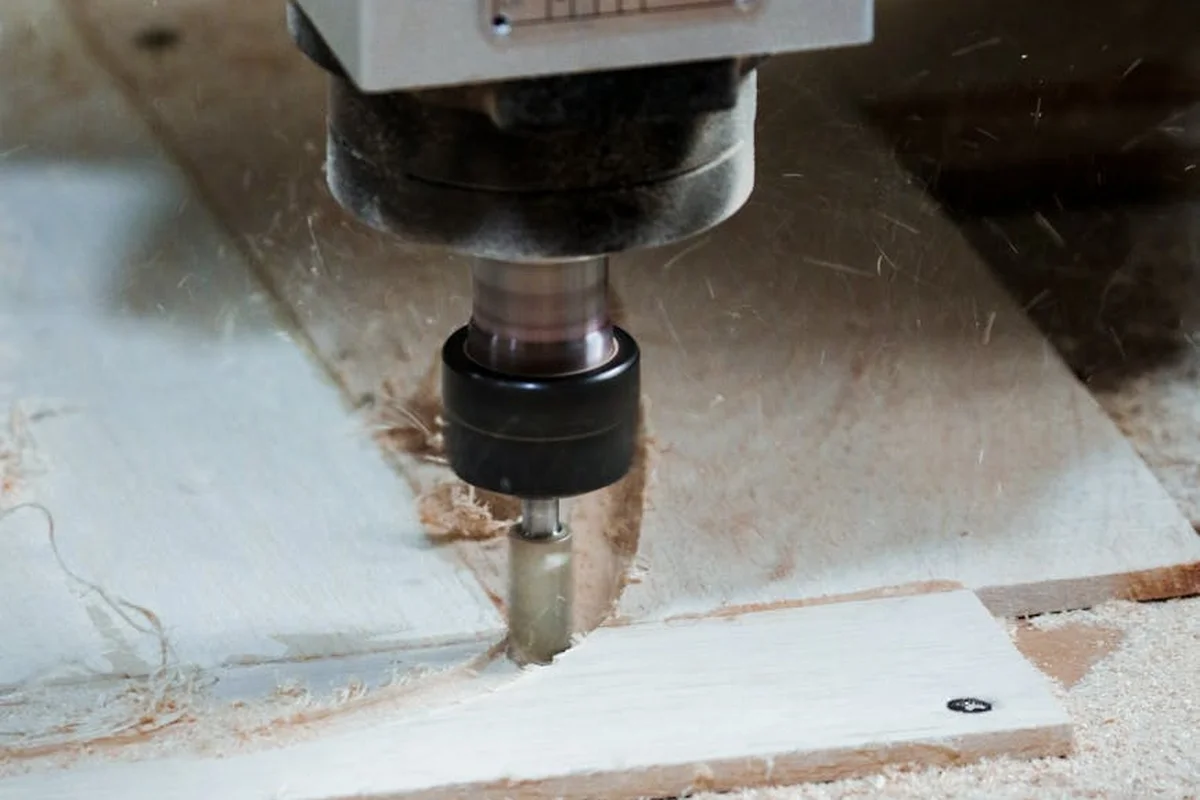
Knowing a material is hazardous is only half the battle. The other half is having a clear, shop-tested plan for handling it. This isn’t about fear, it’s about respect and control. I treat exotic woods, treated lumber, and composites like I treat a sharp saw blade, with focused procedures that keep me safe.
Working with Exotic Irritants: A Cocobolo Protocol
Cocobolo is a perfect example of a beautiful, useful wood that demands respect. Its natural oils contain allergenic compounds that can cause severe skin and respiratory reactions, even on first exposure. Your body can develop a sensitivity over time. My method locks down dust and sap at every stage.
- Unpack and Inspect Outdoors: Open any sealed plastic or paper wrapping outside your shop. This vents any accumulated dust or vapors. Visually inspect the stock for excessive sap or oil.
- Seal the Surface (Optional but Recommended): For highly figured or oily pieces, I sometimes wipe the surface with denatured alcohol on a rag to partially seal the pores before bringing it inside. This reduces dust during initial breakdown. Do this outside.
- Shop Prep is Key: Before the wood enters, set up your dust collector with a fine filter bag. Put on your PPE: a properly fitted P100 respirator, sealed safety goggles, and nitrile gloves. Wear a long-sleeve shirt you can wash immediately after.
- Machining with Maximum Extraction: Use sharp, carbide-tipped blades and bits. Your dust collector hose must be within two inches of the cut point the entire time. This is non-negotiable. For routing or sanding, use a tool with a built-in vacuum port.
- Immediate Cleanup: After machining, never blow off the tool or yourself with compressed air. Use a vacuum with a HEPA filter to clean all surfaces, including your clothes (while still wearing your respirator). Wipe down tools with a damp cloth to remove oily residue.
- Dispose of Waste Thoughtfully: Bag all sawdust and chips in a sealed plastic bag immediately. Do not let it sit in an open dust bin. I dispose of exotic wood waste with my household trash in sealed bags to prevent it from becoming someone else’s problem.
A common pitfall is thinking a simple dust mask is enough. The oils in Cocobolo dust can degrade the filter media in standard masks quickly. A P100 respirator with a proper seal is the only effective choice. If you start to feel any itching or nasal irritation, stop immediately and leave the area.
Cutting Pressure-Treated Lumber Safely
Modern pressure-treated wood (often labeled “PT” or “Micronized Copper Azole”) uses copper and other biocides to resist rot and insects. The hazard is in the fine dust, which you do not want in your lungs or tracked into your home.
Always cut, drill, and sand pressure-treated wood outdoors. I do not bring it into my enclosed shop space. Set up a portable work table in a well-ventilated area, away from open windows or doors to your house.
- Use a dedicated, carbide-tipped blade for treated wood. The chemicals are abrasive and will dull standard blades faster.
- Wear a P100 respirator and safety glasses. The dust is an irritant.
- Lay a disposable tarp or drop cloth underneath your cut to catch the majority of the sawdust for easy collection.
Disposal is critical. You cannot burn pressure-treated wood. The smoke contains concentrated toxic chemicals. Do not use the scraps for campfires or fireplaces. Small amounts of cut-offs and dust can be double-bagged and placed with regular municipal trash. For larger volumes, like from a deck demolition, you must contact your local waste authority or a hazardous waste disposal facility for guidance. They often have specific drop-off days for construction debris containing treated wood. If you’re looking to dispose or recycle pressure treated wood, your local waste authority can guide you to approved options. These programs help ensure safe handling and environmental responsibility.
Sanding Composite Boards: The MDF Challenge
Medium Density Fiberboard (MDF) is made of fine wood fibers bonded with urea-formaldehyde resin. The dust is extremely fine and the resin can off-gas. The goal is to capture the dust at the source before you can breathe it.
Start by sealing the edges and any cut faces with a shellac or acrylic primer. This locks in a significant amount of the uncured resin and reduces dust during final sanding. Sand in a sequence, starting with a coarser grit to shape, moving quickly to finer grits for finish. The longer you sand, the more dust you create.
You need two types of protection: a particulate filter for the dust and an organic vapor cartridge for the formaldehyde. A respirator with combination P100 and organic vapor (OV) cartridges is the correct tool. A standard dust mask or a particulate-only respirator does not protect against the vapor.
Use a random orbit sander that has a vacuum hose attachment and keep it running constantly. A vacuum sander connected to a HEPA-filtered dust extractor is the ideal setup. If you don’t have one, work over a downdraft table or right at the intake hose of your dust collector. After sanding, do not sweep. Use a HEPA vacuum to clean every surface, followed by a damp cloth wipe-down. Store MDF scraps in a sealed plastic bag if you plan to reuse them, as they will continue to off-gas slowly in your shop.
Identifying and Researching Unknown Woods and Products
You will eventually face a mystery wood. It might be a reclaimed barn board, an exotic offcut from a friend’s shop, or a pallet piece with a beautiful grain. The excitement is real, but so is the risk. Your first job isn’t to plane it, it’s to identify it.
Finding the Safety Data Sheet (SDS)
For any processed product like plywood, pressure-treated lumber, or a commercial finish, the Safety Data Sheet is your legal guide to hazards. It was once called the MSDS. The terms are interchangeable, but SDS is now the global standard.
An SDS breaks down a product’s chemical makeup, fire risks, and first-aid measures. The most critical sections for woodworkers are Section 2 (Hazard Identification) and Section 8 (Exposure Controls/Personal Protection). This is where you find the required PPE, like “use in a well-ventilated area” or “wear a respirator with an organic vapor cartridge.”
Finding an SDS is straightforward. Check the manufacturer’s website. Look for a “Resources” or “Safety” tab. If that fails, type the product’s exact name and “SDS” into a search engine. I keep a folder on my shop computer for SDS files of every adhesive and finish I own.
Consulting Wood Toxicity Databases
For solid lumber, your best resource is a dedicated wood toxicity database. These catalog the documented effects of dust, sap, and heartwood for thousands of species. For practical safety, consult the toxic woods safety guide for handling and PPE recommendations.
My primary go-to is The Wood Database. It has a dedicated section on wood allergies and toxicity, merging scientific data with practical reports from woodworkers. Another excellent resource is the HSE (UK Health and Safety Executive) wood dust page, which lists woods by their hazard risk.
Use these databases by comparing the wood’s visual characteristics. Note the color, grain pattern, weight, and scent. Cross-reference these traits with the database entries. For example, if you have a very heavy, oily-feeling wood that’s orange-brown, comparing it to the database might steer you toward suspecting it’s a type of rosewood, which is a known sensitizer. Treat this as detective work before the first cut.
My Shop Process for an Unknown Board
- Examine it visually and by smell. Note any striking color or resinous odor.
- Search databases using those traits. Can I narrow it to a genus, like Dalbergia (rosewood) or Tectona (teak)?
- If identification seems likely but not certain, I proceed as if it’s the more hazardous of the potential matches.
- I mark the board with chalk: “UNK – USE RESPIRATOR.” This reminds me every time I pick it up.
The Golden Rule: When in Doubt, Treat it as Hazardous
This isn’t about fear. It’s about a rational, conservative protocol. If you cannot identify a wood or find its SDS after a reasonable search, your assumption must be that its dust is toxic and its sap is an irritant.
This default stance is the single most effective habit you can develop for long-term shop safety. It protects you from the thousands of lesser-known species that haven’t been widely studied but may still cause reactions. The science shows that individual sensitivity varies wildly; what bothers one person may not affect another, and vice versa. You don’t want to discover your sensitivity the hard way.
In practice, this means suiting up. Use your best dust collection at the source. Wear a well-fitted respirator with P100 filters. Don gloves if the wood feels oily or you see sap. Work in a ventilated space. These measures may seem excessive for a single board, but they are your insurance policy against a lifetime of respiratory issues or a severe skin allergy that could end your hobby.
I have a simple rule in my shop. If I look at a piece and think, “I wonder what this is,” my very next thought is, “Dust collection on, respirator on.” It’s a non-negotiable link. This habit lets you explore and use incredible materials safely, which is the ultimate goal.
A Practical, Proactive Shop Safety Plan
Knowing the risks is step one. Building a system to manage them is where the real work happens. This isn’t about fear. It’s about building a routine as automatic as sharpening a chisel. I think of my shop safety in four parts.
Your Four-Point Safety Checklist
Follow this order every time you make dust.
- Gear Up: Protect your lungs, eyes, and skin before you start the machine.
- Suck It Up: Capture dust at the source with a dust collector or shop vacuum.
- Air Out: Exchange the air in your shop with fresh air from outside.
- Clean Up: Remove residual dust from surfaces, yourself, and your clothes.
Gear Up: Your Personal Barrier
A basic dust mask from a hardware store is for large chips, not fine wood dust. The most dangerous particles are too small to see. You need a properly fitted respirator with P100 filters for serious dust generation, like sanding or milling. I keep mine hanging right by the shop door. For highly toxic woods, add sealed goggles and gloves to prevent sap contact. Comfort matters. If your gear is annoying, you won’t wear it. Spend time finding a respirator that seals well on your face.
Suck It Up: Capture at the Source
A dust collector isn’t a luxury. It’s your primary defense. The goal is to trap over 99% of the dust before it enters your breathing zone. Connect it to every power tool you can. A system with 4-inch or larger ducts and a strong motor (look for high CFM) will move the volume of air needed to catch fine particles. For smaller tools, a HEPA-filtered shop vacuum works. The common mistake is using a weak vacuum with a tiny hose. It creates more noise than suction.
Air Out: Don’t Let It Linger
Even the best collector misses some dust. Stagnant air lets it hang around for hours. You need active ventilation. I use a simple exhaust fan in a window opposite my dust collector. Run it during work and for at least 30 minutes after. This single air exchange dramatically lowers the concentration of any allergens or irritants floating in your shop. In winter, I crack a window near the fan. The brief chill is worth the clean air.
Clean Up: The Final Defense
Never use a broom or a leaf blower. That just puts settled dust back into the air. Use a vacuum with a HEPA filter to clean your tools, benches, and floor. Change your shop clothes before going inside your home. Wash them separately. This simple habit prevents you from tracking wood dust, which can contain toxins or allergens, into your living spaces, especially when you’re cleaning delicate surfaces like mahogany wood. Your family will thank you.
If It’s Dangerous, Why Use It?
We use these woods for the same reason we use sharp tools and powerful machines. They are exceptional materials. The risk isn’t in the wood itself, but in our exposure to its dust. With the right knowledge and controls, you can work with almost any species safely and reap its unique benefits. I build with reclaimed exotic woods all the time. My system lets me do it without a second thought. Control replaces worry.
The core principle is simple. Respect the material’s properties, protect your health with a disciplined routine, and you can work with confidence. Your safety plan is the most important jig in your shop. Build it well, and use it every time.
FAQ: Wood Dust and Material Toxicity
1. Why is fine woodworking dust considered more hazardous than coarse dust?
Fine woodworking operations like sanding and routing generate respirable particles under 10 microns, which bypass your respiratory defenses and lodge deep in lung tissue. This dramatically increases the risk for chronic inflammation and sensitization compared to the larger, less-penetrating chips from sawing or planing.
2. How should I interpret a wood toxicity chart or database entry?
Use these charts to identify the primary hazard type (e.g., sensitizer, irritant, toxic) and the affected body system (respiratory, dermal). Cross-reference this with the wood’s workability notes; a very hard, oily species often requires more stringent dust and sap control during processing.
3. Can discussions on forums like Reddit be a reliable source for toxicity information?
While forums provide valuable real-world anecdotal reports of reactions, they should supplement, not replace, authoritative databases like The Wood Database or official safety sheets. Treat collective reports of similar symptoms (e.g., persistent rash from a specific species) as a strong warning to implement full PPE.
4. Where can I find a reliable, condensed guide (like a PDF) for shop safety?
Search for “wood dust hazard communication standard” documents from occupational health bodies like OSHA or the UK HSE, which offer authoritative, summary-style PDFs. Manufacturer Safety Data Sheets (SDS) for composite panels are also essential, condensed references for chemical hazards.
5. If I only work with domestics like maple or oak, is a simple dust mask sufficient?
No; even common hardwoods produce abrasive, irritating fine dust linked to respiratory issues. A dust mask lacks a facial seal, allowing dangerous particles to leak in, making a properly fitted respirator with P100 filters the minimum bench standard for any power sanding or milling.
Smart Woodworking: Mitigating Toxicity Risks
I insist on treating all wood dust as a potential health hazard, so you should never skip a respirator. Your first line of defense is always source control: use a dust collector or shop vacuum for every cut and sanding pass. Learn to recognize high-risk materials, like the fine dust from exotic hardwoods or the chemical residues on pressure-treated lumber. Consistent cleaning and gloves for handling sap or finishes prevent skin absorption and long-term sensitivity.
Source your wood from suppliers committed to sustainable forestry, reducing environmental harm. Stay informed on material science and safety research to evolve your practice responsibly.
Deep Dive: Further Reading
- Wood Toxicity and How to Protect Yourself – Woodworkers Source Blog
- Toxic Wood and Wood Allergies information
- Wood Allergies and Toxicity | The Wood Database
- Wood species toxicity | US Forest Service Research and Development
- Wood Toxicity Table – WoodBin
- TOXIC WOODS CHART This chart is incomplete and should be used only as a guide.
Written by David Ernst. David is a veteran woodworker. He is now retired and stays in his cabin in Wisconsin which he built himself. David has 25+ years experience working in carpentry and wood shops. He has designed and built many small and large wood projects and knows the science behind wood selection like the back of his hand. He is an expert guide on any questions regarding wood material selection, wood restoration, wood working basics and other types of wood. While his expertise is in woodworking, his knowledge and first hand experience is far from 'woody'.