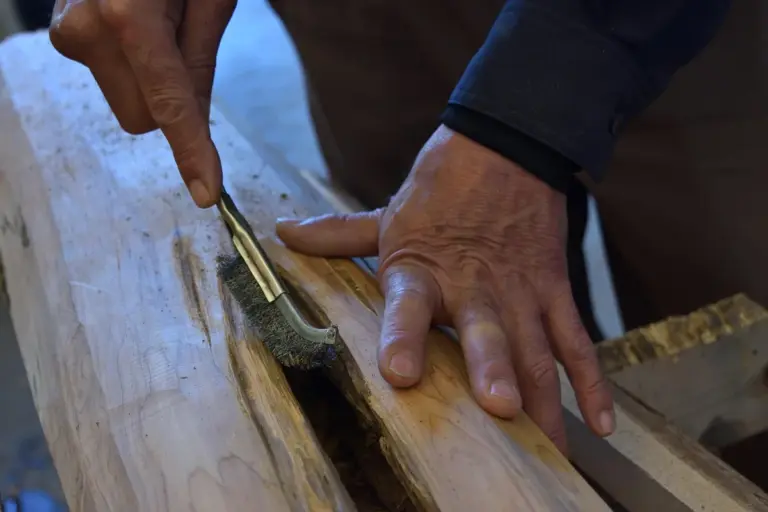
What’s the Science Behind Shellac, Lacquer, and Today’s Wood Finishes?
Trace historical shellac to lacquer: chemistry, durability, application, and modern synthetic finishes for wood materials.
Helping woodworkers using science and experience
Helping woodworkers using science and experience
Chemical science of wood finishes, covering formulation, curing, and performance of coatings and surface treatments.
Trace historical shellac to lacquer: chemistry, durability, application, and modern synthetic finishes for wood materials.
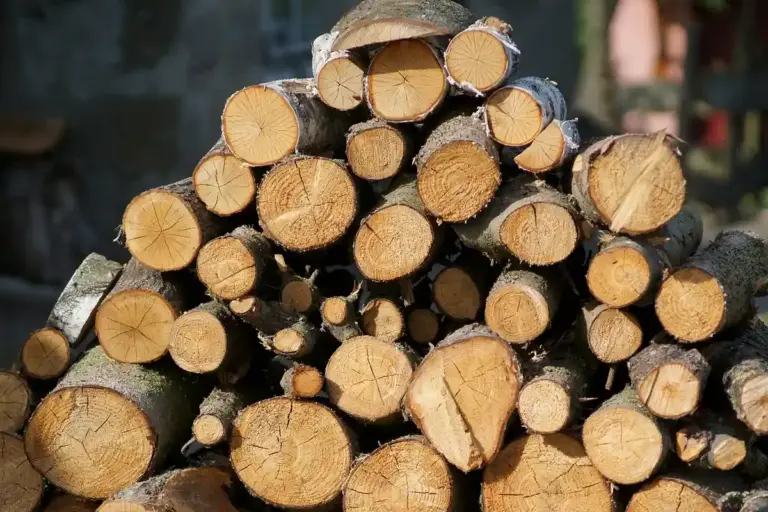
Finishing wood in high humidity: solvent evaporation and cure reactions are affected; effects on adhesion and drying times.
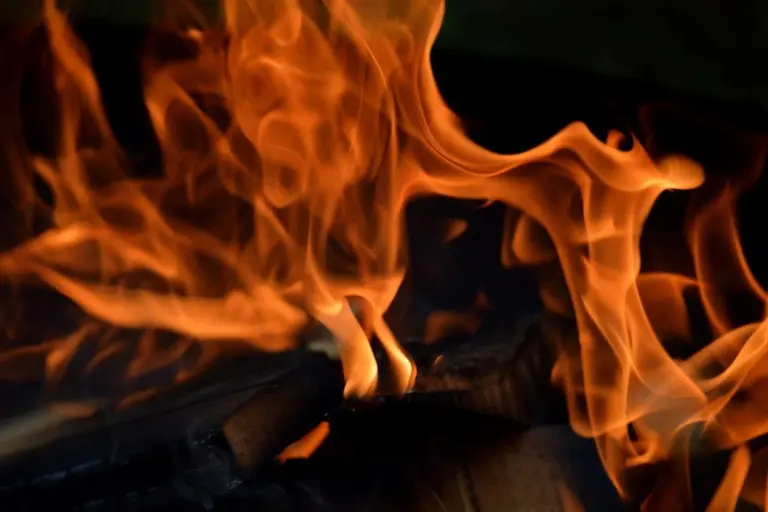
Speed wood finish curing with heat and catalysts: chemical principles, practical methods, temps, catalyst choices, safety.
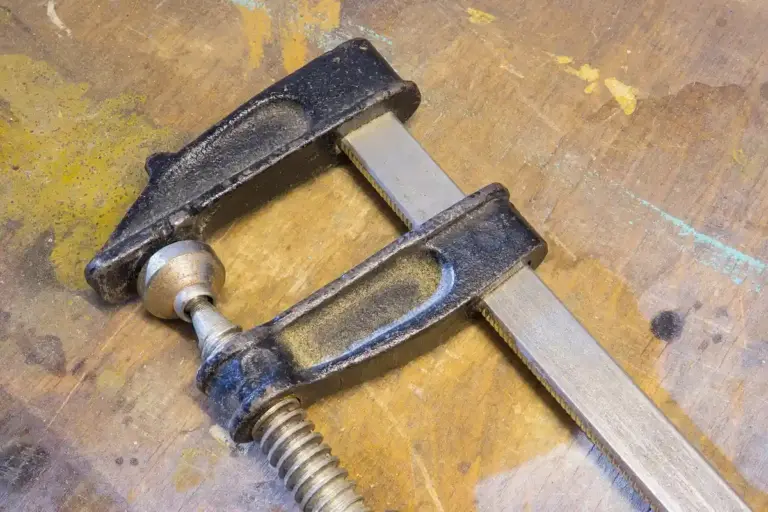
Clamping time, adhesive curing, and bond strength in wood: what matters, how tests evaluate it, and tips for woodworkers.
Solvent chemistry for safe, effective wood finish removal in repairs: wood-type compatibility, safety, VOCs, drying, tests, tips.
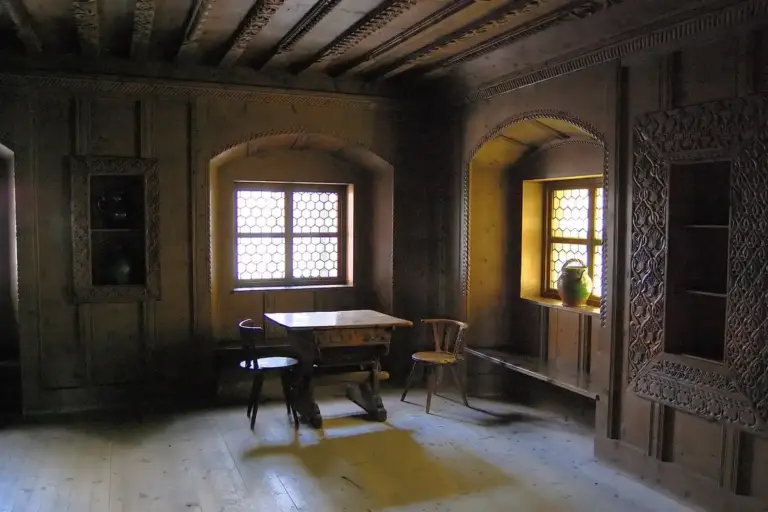
Antique wood cleaning: preserve patina with gentle agents, moisture control, spot testing, tool choices, finishes, seek a pro.
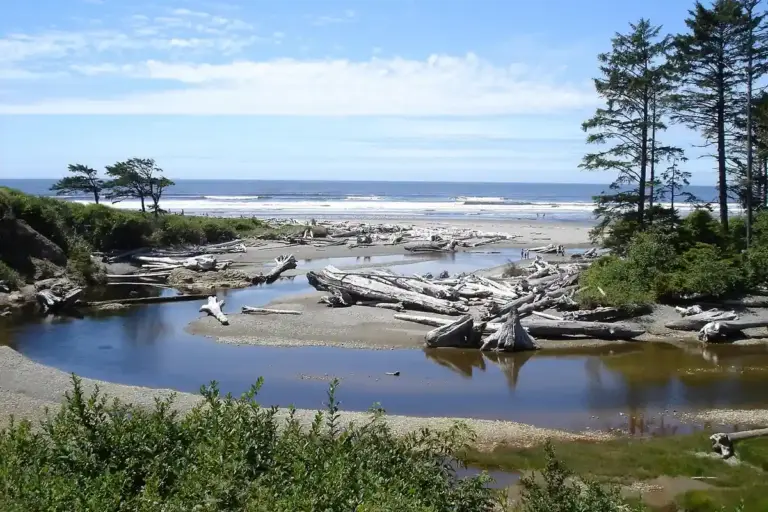
Does sunlight bleach wood? A concise guide to UV damage, color fading, finishes that protect, care tips, and common wood FAQs.
BLO vs polymerized tung oil: scientific wood finishing—drying, durability, film quality, color, safety, VOCs, application.
Prep with sanding and cleaning, priming, oil-based paint, drying, sealing, and cleanup for a durable finish.
Clean and maintain polyurethane wood finishes without damaging coating: methods, safe products, maintenance, troubleshooting.