
Is Shellac a Food-Safe Wood Finish? The Science of Ethanol, Bug-Lac, and Alcohol Resistance
You need a clear coat for a cutting board or kitchen table that won’t leach chemicals into food. I’ve mixed, applied, and stress-tested shellac in my shop to answer exactly that.
We will cover the ethanol solvent, bug-lac origins, and alcohol resistance to give you usable facts, not just theory.
I base this on my work as a woodworker who treats finishes like materials science experiments, not just shop recipes.
What is Shellac? The Bug-Lac Short Story
Shellac is not a tree sap or a varnish. It is a natural resin secreted by a tiny insect. Think of it as the insect’s protective shell, harvested and processed by us.
Chemically, it sits in a unique category. Unlike an oil that cures or a polyurethane that links into chains as it dries, shellac arrives as a complete, long-chain polymer. You are simply dissolving these pre-built polymer chains in ethanol to apply them, and the ethanol evaporates to leave the film behind. This is why it dries so incredibly fast.
Compared to common finishes, the difference is stark. Polyurethane forms a thick, plastic-like coat on top of the wood. An oil like tung or linseed soaks in and hardens within the wood fibers. Shellac does a bit of both: it penetrates the topmost pores and then builds a thin, distinct layer on the surface. The result is a warm, tactile finish that feels like the wood itself, not a coating.
From Insect to Finish: The Shellac Origins
The producer is the lac bug (Kerria lacca). These insects colonize host trees in Southeast Asia. To create a protective tunnel for their colony, the female bugs secrete a resinous substance. This encrusts the twigs, creating what’s called ‘sticklac’.
Harvesting is a cultivation cycle. Workers scrape the resin-coated twigs. This crude sticklac is crushed, washed, and filtered to remove twig debris and bug parts, resulting in ‘seedlac’. Further heating and filtering produces the pure resin, which is stretched into thin sheets, broken into flakes, or formed into buttons.
When sourced from responsible producers, shellac is a model of a renewable, agricultural product. The host trees are not cut down, and the lac bugs are farmed, not eradicated. It supports local economies in a way that harvesting rare tropical hardwoods often does not.
Now, the ‘bug juice’ question. I hear it often. The refining process removes the insects themselves. You are left with the purified resin they produced. It’s analogous to using beeswax, not the bee. For the finisher, this origin has a practical upside. Because it’s a secretion meant to shield a colony, the resulting resin is naturally hydrophobic and forms a continuous, protective film. The bug knew what it was doing.
The Food-Safe Question: Health & Safety Profile
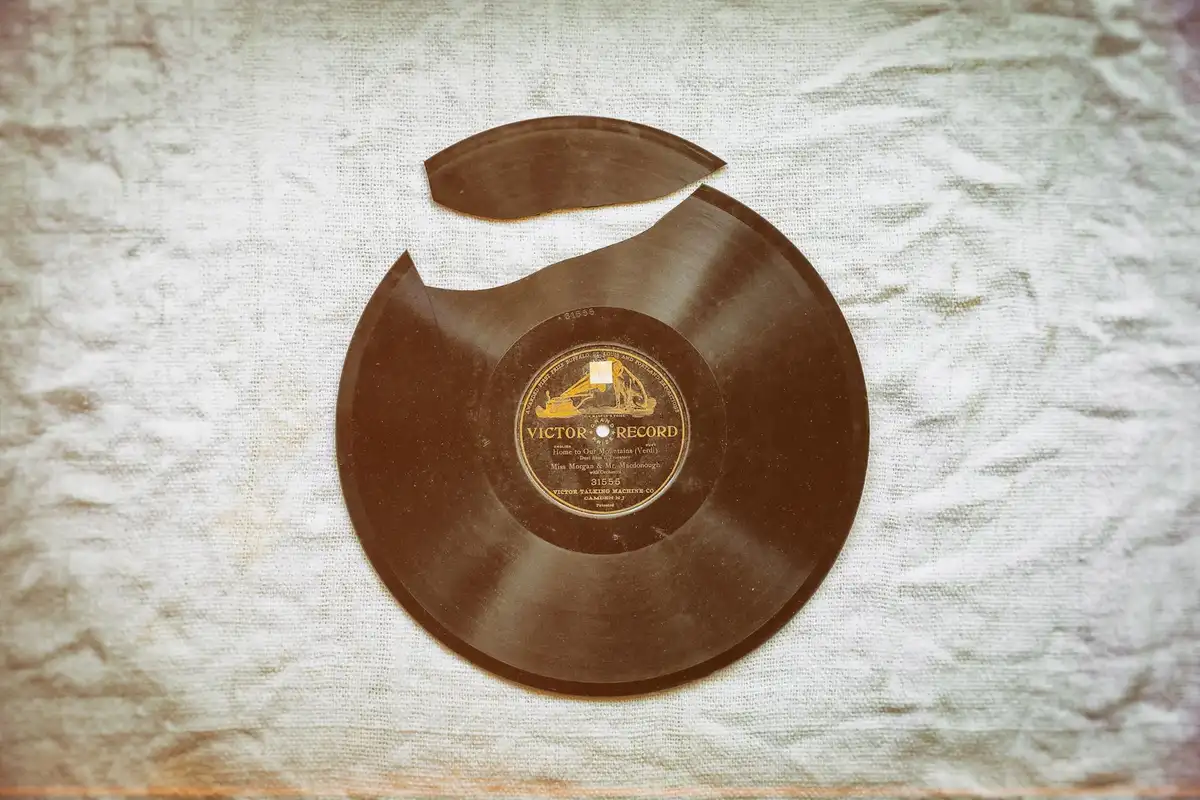
The US Food and Drug Administration (FDA) lists shellac as GRAS (Generally Recognized As Safe) for use as a coating on food and food-contact surfaces. This is its official regulatory status.
This safety rating applies specifically to the fully cured film, not the liquid in your jar. Think of it like an egg; raw, it carries a risk, but once cooked and solid, it’s perfectly fine. The cured shellac film is an inert plastic.
The real hazards exist during application and sanding. The ethanol solvent is highly flammable and its vapors can cause respiratory irritation. More critically, both the vapor and shellac dust are known respiratory sensitizers. Your body can develop an allergic-like reaction over time, making future exposure miserable.
Your personal protection is non-negotiable. Here is what you need:
- A proper organic vapor respirator when brushing or spraying in a confined space.
- A tight-fitting dust mask or respirator when sanding the cured finish.
- Cross-ventilation in your shop. Open doors, use fans to move fresh air through.
Compared to other “natural” finishes, shellac’s profile is straightforward. You don’t have to worry about nut oil allergies from products like walnut oil. You also avoid the heavy-metal driers (like cobalt or zirconium) found in some boiled linseed oils and varnishes, which are added to force the oil to cure faster. If you’re considering linseed oil finishes, the application method matters for even coverage and a smooth finish. The next steps will outline linseed oil finish application methods with practical tips and links.
How Shellac Works: The Science of Solvent & Film
Shellac is a unique finish. It doesn’t cure by absorbing oxygen like an oil or by a chemical reaction like a two-part epoxy. Shellac dries purely by solvent evaporation and then the resin molecules physically tangle together, a process called forming a thermoplastic film. Understanding solvent properties, such as evaporation rate and residues, helps with cleanup. It also informs finishing tool maintenance to keep brushes and other tools in good condition between coats.
The ethanol (denatured alcohol) dissolves the solid shellac resin. When you apply it, the alcohol flashes off into the air. As it leaves, the dissolved resin molecules are left behind. They bump into each other and their long, complex chains intertwine, locking into a solid layer.
This leads to the term “cut.” A cut is the weight of shellac flakes dissolved in a gallon of solvent. A “2 lb. cut” means two pounds of flakes were dissolved in one gallon of alcohol. This is the standard working strength. A thinner cut (like a 1 lb.) builds a film more slowly with less risk of brush marks. A heavier cut builds faster but can be gummy and difficult to apply smoothly.
Shellac in the can has a finite shelf life because of a process called hydrolysis. The resin is susceptible to moisture. Trace water in the alcohol or absorbed from humid air slowly breaks the chemical bonds in the shellac. The finish will eventually refuse to harden properly, remaining tacky for days. This is why I mix my own from flakes in small batches and use it within 6-12 months. Pre-mixed shellac is a “use it or lose it” product.
You will also see “dewaxed” shellac. Natural shellac contains about 3-5% wax. This wax can cloud the finish and, more importantly, interfere with the adhesion of some topcoats like water-based polyurethane. Dewaxed shellac is filtered to remove this wax. Use dewaxed shellac (like “Super Blond”) when you need crystal clarity or a reliable primer/sealer under another finish. Use regular “orange” or “garnet” shellac when you want its warm color and aren’t topcoating.
The Alcohol Resistance Test: A Shop Experiment
The chemistry of shellac is beautifully simple, and that’s why it fails one specific test. Shellac is dissolved in ethanol to make it liquid. When the ethanol evaporates, it leaves behind the solid shellac film. This creates a fundamental rule: like dissolves like.
A solvent will always attack the finish it originally carried. For shellac, that means any alcohol is a threat.
You don’t need a fancy lab to prove this. In my shop, I keep a shellac-finished scrap of maple for this exact test. All you need is that scrap, a cotton swab, and some common isopropyl alcohol (rubbing alcohol). Dab the swab in alcohol, press it firmly against the finished surface, and hold it for 15 seconds.
What happens is unmistakable. The hard, glossy film turns soft and gummy. If you rub, you’ll redissolve the finish, leaving a dull, sticky patch. It’s a perfect demonstration of the material’s limit.
This weakness stands in stark contrast to shellac’s other properties. It handles water and water-based liquids quite well. It resists oils and weak acids found in fruits or vinegar better than many finishes. But place a sweating whiskey glass on it, and the finish will cloud or turn white.
The rule from my bench is clear. Shellac is an excellent, safe choice for dry foods, bread boards, wooden toys, or tool handles. Avoid it for any surface that will see direct alcohol contact, like cocktail trays, bar tops, or the rim of a decorative wine glass.
How to Pick, Mix, and Apply Shellac for Food Projects
Your first choice is between flakes and pre-mixed liquid. I almost always use flakes. You get control and a guaranteed fresh mix. Bleached blonde flakes offer the clearest, lightest color. Dewaxed shellac provides the best adhesion for a topcoat if you ever want one.
Pre-mixed shellac from a can is convenient, but it has a short shelf life. Check the production date on the can; after a year, it may not dry properly no matter what you do. If you use it, shake it well and strain it through a paint filter.
Mixing from flakes is straightforward. Use 190-proof pure ethanol (Everclear) from the liquor store for the fastest drying and best clarity. Denatured alcohol from the hardware store works, but it has bitterants that can slow drying. My standard mix is a 2-pound cut: two pounds of flakes dissolved in one gallon of alcohol. For a small batch, a 1:4 ratio by volume of flakes to alcohol is a good start.
Let it dissolve for a few hours, stirring occasionally. Always strain it through a fine mesh or cheesecloth into a clean jar. Label it with the date.
For food surfaces, application method matters. Brushing works, but it’s easy to get streaks. Spraying gives a very thin, even coat. My preferred method for small items like bowls or boards is padding, or “French polishing.” You use a linen cloth pad to rub on many thin layers. This builds a thin, seamless film that is easy to repair.
If you get dust nibs or brush marks, you can fix them with a reflow technique. Lightly moisten a pad with fresh alcohol and very quickly, in one pass, glide it over the flaw. The alcohol will slightly melt the surface, allowing it to level. Practice on scrap first.
For a functional film, three to four thin coats are sufficient. Sand very lightly with 320-grit paper between coats only if there are dust nibs. For a final surface that feels like glass, you can apply a food-safe wax like mineral oil and beeswax blend. Do not wax a cutting board you plan to use with shellac; the wax will prevent the shellac from adhering properly to the wood. For a cutting surface, shellac alone is fine for a bread knife, but for a chef’s knife, you’re better off with a simple oil finish.
Shellac in the Real Shop: The Honest Trade-Offs
The Genuine Pros: Why Shellac Shines
Shellac dries incredibly fast. In my shop, a thin coat is dry to the touch in 10 minutes, and I can apply another coat in under an hour. This speed lets me finish a project in one afternoon.
Repairing shellac is simple. If a piece gets scratched, I dab a little ethanol on a cloth and rub the area. The finish melts and flows back together, erasing the damage. You cannot do this with polyurethane or epoxy. However, it’s important to know the specific repair techniques for different wood species.
Once the ethanol solvent evaporates, the cured film is pure lac resin. This cured shellac is non-toxic and FDA-approved for indirect food contact, making it a safe choice for many wood projects, especially when compared to other food-safe wood finishes.
Shellac has a unique optical quality. Its refractive index makes wood grain look deep and warm, almost like it glows from within. No other finish I’ve used gives cherry or walnut quite the same rich appearance, especially when compared to varnishes like lacquer.
The Genuine Cons: Where Shellac Falls Short
Alcohol is shellac’s kryptonite. Since ethanol is the solvent, any drink containing it (wine, spirits, some cleaners) will redissolve the finish. A spilled cocktail will leave a permanent white ring.
Heat resistance is poor. Shellac begins to soften at temperatures as low as 120°F (49°C). A hot coffee cup or bowl placed directly on the surface will leave a dent or a sticky mark.
Alkalis break shellac down. This means soap and water are its enemies. Regular washing with dish soap will degrade a shellac finish over time, limiting its use to items you only wipe clean or hand-wash briefly.
Shellac has a short shelf life. Once you mix flakes with ethanol, the clock starts. I find premixed liquid shellac is only good for about six months before it thickens and won’t dry properly. You must mix small, fresh batches.
Comparing Shellac for Food Use
Let’s put shellac side-by-side with other common food-safe finishes. Here is the real shop perspective.
Versus Pure Mineral Oil
Mineral oil never polymerizes (it never hardens). It soaks into the wood and needs reapplication every few months. It’s completely inert and safe, but it offers zero surface protection against water or scratches. Shellac builds a protective film, but mineral oil does not. These mineral oil limitations as a wood finish help explain why many people favor coatings that form a protective film. A closer look at mineral oil limitations wood finish can clarify the trade-offs with film-forming alternatives.
Versus Pure Beeswax
Beeswax is soft and water-resistant. It’s great for spoons or bowls that see light use. However, it wears away quickly and can feel gummy. Shellac is harder and more durable, but beeswax is easier to apply and reapply by hand.
Versus Hard Wax Oils
Products like Osmo or Rubio Monocoat blend oils, waxes, and chemical driers. They cure to a durable, water-resistant finish that handles alcohol spills far better than shellac. The trade-off is that hard wax oils contain synthetic catalysts, while shellac is a 100% natural resin after the ethanol evaporates.
Final, Clear Recommendations
Based on its properties, here is where shellac works and where it fails.
Best uses for shellac:
- Salad or bread bowls (for dry foods)
- Utensil handles (low wear, no heat)
- Decorative boxes or frames
- Children’s toys (due to its non-toxic nature)
Avoid shellac for:
- Cutting boards or butcher blocks (constant washing and knife contact)
- Bar tops, coffee tables, or dining tables (alcohol and heat exposure)
- Kitchen countertops or sinkside items (water and alkali soap)
- Any project that will live in a damp environment like a bathroom
In my shop, I reach for shellac when I need a fast, beautiful, and safe finish for indoor pieces that won’t see hard use. For a kitchen table, I use a hard wax oil. For a cutting board, I use mineral oil. Choose the right tool for the job.
Shellac Finish FAQ: Ethanol, Origins & Durability
1. Why is ethanol the required solvent for shellac?
Ethanol’s molecular polarity and hydrogen bonding capacity perfectly match shellac resin’s chemical structure, allowing it to dissolve the long polymer chains. Once the ethanol evaporates, these chains physically entangle to form the solid, thermoplastic film.
2. Does the insect origin of shellac affect its material properties?
Yes, the lac bug secretes the resin as a protective barrier, resulting in a natural polymer that is inherently hydrophobic and forms a continuous film. This biological function translates directly to a finish that resists water penetration and seals wood pores effectively.
3. How does shellac’s alcohol resistance compare to other common food-safe finishes?
Shellac has the poorest alcohol resistance, as ethanol is its original solvent. In contrast, fully cured hard wax oils or polymerized tung oil provide far greater resistance to spills, making them superior for surfaces like bar tops.
4. What is the primary cause of pre-mixed shellac’s short shelf life?
Shelf life is limited by hydrolysis, where trace moisture breaks the ester bonds in the resin polymer. Storing mixed shellac in a full, airtight container in a cool place can slow, but not stop, this inevitable chemical degradation.
5. Can I layer other finishes over shellac for added alcohol resistance?
You can topcoat dewaxed shellac with a compatible finish like a water-based polyurethane to add a solvent-resistant barrier. The shellac itself will remain vulnerable to alcohol from the side or if the topcoat is worn through or breached.
Final Polish on Shellac’s Place in Your Shop
Shellac remains a uniquely functional choice for projects like children’s toys or salad bowls where a non-toxic, repairable finish is paramount. Its performance hinges entirely on your solvent choice: pure ethanol creates a food-safe finish, while denatured alcohol containing methanol introduces significant health risks you must avoid. Remember that shellac’s lower resistance to alcohol and heat isn’t a flaw, but a feature that allows for easy spot repairs without stripping the entire piece. For the best balance of quality, ethics, and control, consider purchasing dry dewaxed flakes and mixing your own fresh solution.
Responsible craft means asking where your materials originate, favoring suppliers committed to sustainable lac harvests and ethical labor practices. Your growth as a woodworker is tied to this ongoing inquiry, blending practical skill with material science for safer, more durable work.
Related Guides and Information
- r/woodworking on Reddit: Looking for advice on food safe cutting board application. Shellac states, it is non- toxic when dry and hypoallergenic but everyone tells me not to use it on a cutting board prior to using mineral oil. Is this safe to use?
- Food-Safe Finishes – The Home Depot
- D.M.Shellac has brought to you the Food Grade Shellac used to boost appearence
- Warm food on Shellac? | Sawmill Creek Woodworking Community
- Top Food Safe Wood Finish Options for Your Kitchen Tools – Andrew Pearce Bowls
- Safe Wood Finishes for Food-Related Products | Holland Bowl Mill | Famous Wooden Bowls
- r/woodworking on Reddit: Is shellac food safe enough for kitchen utensils?
David is a veteran woodworker. He is now retired and stays in his cabin in Wisconsin which he built himself. David has 25+ years experience working in carpentry and wood shops. He has designed and built many small and large wood projects and knows the science behind wood selection like the back of his hand. He is an expert guide on any questions regarding wood material selection, wood restoration, wood working basics and other types of wood. While his expertise is in woodworking, his knowledge and first hand experience is far from 'woody'.