Pigments or Dyes: Which Wood Stain Chemistry Lasts?
Pigments vs dyes in wood stains: lightfastness, penetration chemistry, and color consistency for woodworkers and wood science.

Helping woodworkers using science and experience
Helping woodworkers using science and experience
Pigments vs dyes in wood stains: lightfastness, penetration chemistry, and color consistency for woodworkers and wood science.
Oil- and water-based polyurethane: chemistry, application tips, durability, finish life, VOCs, cleanup, and wood compatibility.
Assess VOC content, toxicity, and environmental impact of water-based wood finishes; debunk the myth they're always safer.
Woodworkers: film thickness, adhesion, and coating failure modes; surface prep, application, testing, and wood-specific factors.
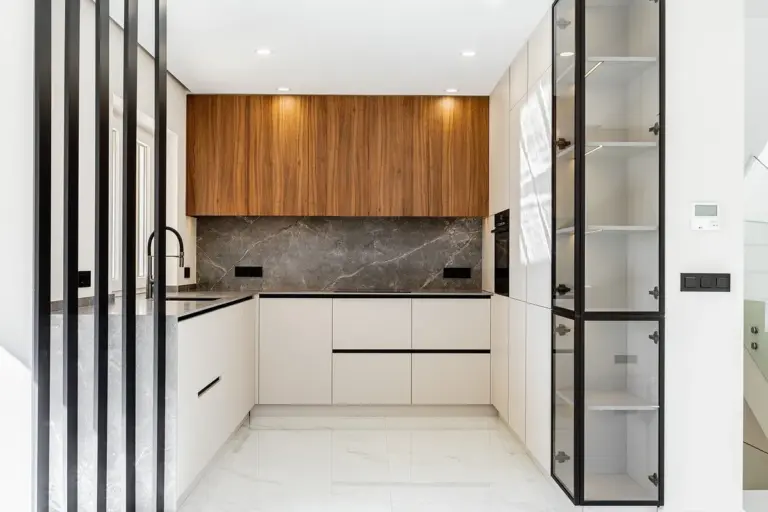
Lacquer vs shellac in wood finishes: solvent systems, drying mechanisms, and chemical resistance.
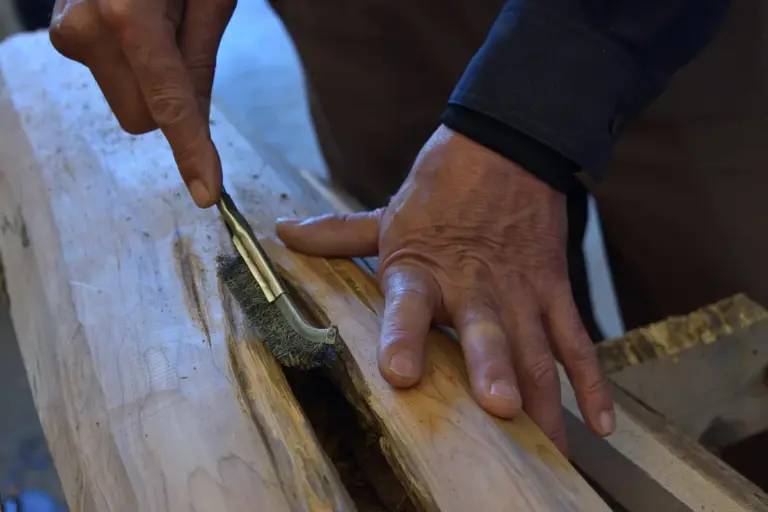
Trace historical shellac to lacquer: chemistry, durability, application, and modern synthetic finishes for wood materials.
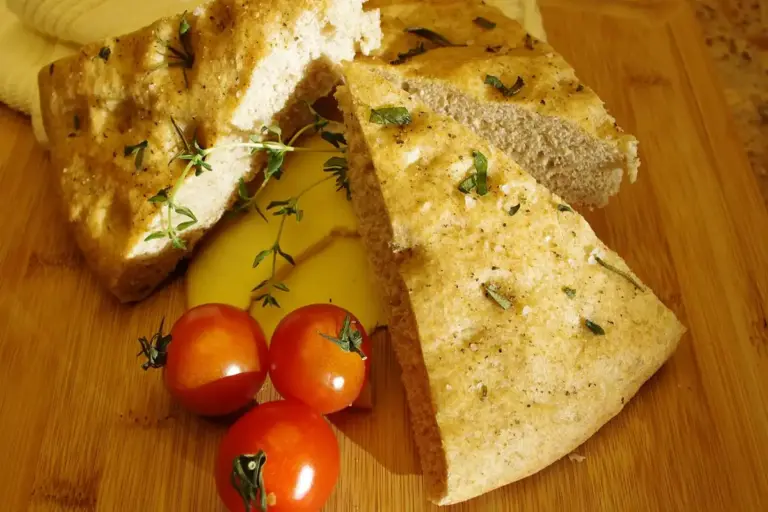
Food-safe wood finishes: chemical safety, durability, best practices, tips, and maintenance for kitchenware and cutting boards.
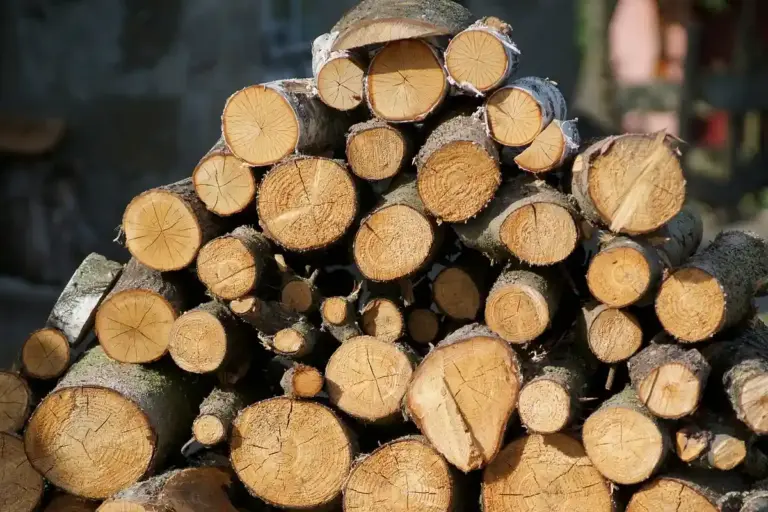
Finishing wood in high humidity: solvent evaporation and cure reactions are affected; effects on adhesion and drying times.
Assess biodegradability, VOCs, and green chemistry options in wood finishes for niche wood science, materials, and wood questions.
Speed wood finish curing with heat and catalysts: chemical principles, practical methods, temps, catalyst choices, safety.