Skip to content
No results
  • About Us
  • Accessibility (ADA) Policy
  • Affiliate and Advertising Policy
  • Blog
  • Contact Us
  • Glossary
  • Governance
  • Home
  • Partner With Us
  • Privacy Policy
  • Terms of Use
  • Write For Us
  • Home
  • Blog
  • About Us
  • Contact Us
Wood Work Science
Wood Work Science

Helping woodworkers using science and experience

Wood Work Science
Wood Work Science

Helping woodworkers using science and experience

Close-up of dark brown wooden planks with visible grain, representing a protected surface finished with cross-linked coatings.
  • Epoxies & Structural Resins

How Does Cross-Linking Chemistry Create Unbeatable Wood Finishes?

Epoxies and urethanes: cross-linking chemistry, durability, wood-protection surfaces, and answers to common wood questions.

  • David Ernst
  • August 14, 2026
Close-up of oriented strand board (OSB) showing wood chips and flakes with a rough textured surface.
  • Film Finishes

How Do You Test Wood Finish Durability Like a Materials Scientist?

Assess wood finish durability with standard chemical and abrasion tests—protocols, methods, and how results guide finish choice.

  • David Ernst
  • August 13, 2026
A person in a woodshop wearing red gloves, a checkered shirt, denim overalls, and a red-and-white cap, holding a power drill with wooden framing in the background.
  • Toxicity & Sensitization Profiles

What’s Really in Your Finish? A Woodworker’s Guide to Solvent Toxicity, VOCs, and Safety Gear

Safety in Wood Finishing: solvent toxicity, VOCs, PPE, ventilation, handling, storage, and best practices for woodworkers.
  • David Ernst
  • August 12, 2026
Orange and yellow flames rising from a dark background, symbolizing chemical reactions and durability in wood stains.
  • Stain Chemistry

Pigments or Dyes: Which Wood Stain Chemistry Lasts?

Pigments vs dyes in wood stains: lightfastness, penetration chemistry, and color consistency for woodworkers and wood science.

  • David Ernst
  • August 11, 2026
Dark stained wood plank surface with prominent grain and texture
  • Film Finishes

What’s the Real Difference Between Oil-Based and Water-Based Polyurethane?

Oil- and water-based polyurethane: chemistry, application tips, durability, finish life, VOCs, cleanup, and wood compatibility.
  • David Ernst
  • August 10, 2026
Close-up of dark, vertical wooden planks with a warm brown finish and visible grain patterns.
  • Toxicity & Sensitization Profiles

Is Water-Based Finish Always Safer? Wood Science Weighs In

Assess VOC content, toxicity, and environmental impact of water-based wood finishes; debunk the myth they're always safer.
  • David Ernst
  • August 9, 2026
Assorted nail polish bottles arranged on a glossy black surface, with their reflections visible
  • Bond Strength Testing & Failure Analysis

Does More Finish Always Mean Better Protection? The Science of Film Thickness Explained

Woodworkers: film thickness, adhesion, and coating failure modes; surface prep, application, testing, and wood-specific factors.
  • David Ernst
  • August 8, 2026
Modern L-shaped kitchen with white base cabinets, wood upper cabinets, dark marble backsplash, and glass-front pantry cabinet on the right.
  • Film Finishes

Lacquer or Shellac: How Do Solvents and Drying Define Your Finish?

Lacquer vs shellac in wood finishes: solvent systems, drying mechanisms, and chemical resistance.
  • David Ernst
  • August 7, 2026
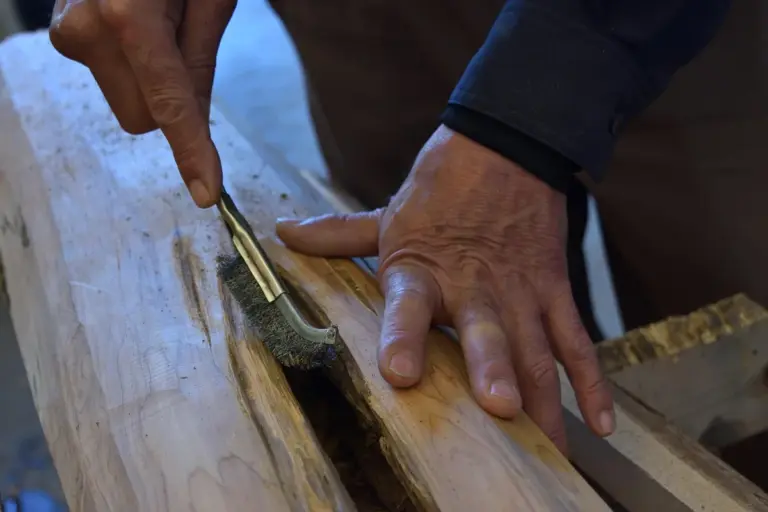
Close-up of hands using a small scraper to work on a groove in a light wood beam, exposing the grain and old finish.
  • Film Finishes

What’s the Science Behind Shellac, Lacquer, and Today’s Wood Finishes?

Trace historical shellac to lacquer: chemistry, durability, application, and modern synthetic finishes for wood materials.
  • David Ernst
  • August 6, 2026
Slices of bread and fresh cherry tomatoes on a wooden cutting board with sprigs of thyme
  • Food Safety

What Makes a Wood Finish Truly Food-Safe? A Woodworker’s Guide to Kitchenware

Food-safe wood finishes: chemical safety, durability, best practices, tips, and maintenance for kitchenware and cutting boards.

  • David Ernst
  • August 5, 2026
Prev
1 2 3 4 5 6 7 8 … 26
Next
  • Contact Us
  • About Us
  • Privacy Policy
  • Affiliate and Advertising Policy
  • Accessibility (ADA) Policy
  • Terms of Use
  • Partner With Us
  • Governance
  • Write For Us
  • Glossary
  • CLEANING & MAINTENANCE
  • REPAIR & JOINERY SCIENCE
  • Uncategorized
  • WOOD ADHESIVES & BONDING
  • WOOD FINISHING CHEMISTRY
  • WOOD PROPERTIES & PHYSICS
  • WOOD SAFETY & PRESERVATION
  • WOOD SPECIES DATABASE
  • Home
  • Blog
  • About Us
  • Contact Us

Copyright © 2026 - Wood Work Science