
Is That Mahogany Genuine or an Imitation?
You’re staring at a board sold as “mahogany,” but your gut says it might not be the real thing. Getting this wrong can warp your project’s outcome and your wallet.
This guide provides shop-tested methods to identify the wood in your hands. We will cover the defining grain and pore structure of genuine mahogany, its most common commercial substitutes like sapele and khaya, practical sanding and weight tests you can do today, and the material science of stability and hardness.
I base this guidance on my own microscopy analysis and hand-tool testing of dozens of mahogany and look-alike samples in my shop.
What Exactly Is “Genuine Mahogany”? The Science Behind the Name
Let’s start with a simple definition. Genuine mahogany refers to wood that comes from trees in the Swietenia genus. This is American or Tropical Mahogany. It’s a biological classification, not a style. When you hold a board of Honduran Mahogany (Swietenia macrophylla), you’re holding a specific material with predictable properties, which is why it’s important to source genuine mahogany wood from reputable suppliers.
The confusion starts because “mahogany” has become a color description in marketing. A big-box store might sell a “mahogany finish” on wood that’s actually poplar or rubberwood stained reddish-brown. They are selling you a look, not the material’s inherent qualities. To truly compare options, consider how different wood species take color when staining. This is where matching wood colors across species becomes essential.
Historically, true mahogany came from the Americas. Due to overharvesting, African species like Khaya (often called “African Mahogany”) entered the trade. Today, the primary commercial species, Swietenia macrophylla, is listed under CITES Appendix II. This means its international trade is regulated to protect the species. This history matters because it affects price, availability, and why so many substitutes exist. In practice, padauk and cocobolo are often weighed against mahogany in terms of Janka hardness. These differences help explain pricing and availability.
The core idea is straightforward. You are identifying a physical material, not just matching a color swatch.
The Fingerprints of Real Mahogany: Key Characteristics to Memorize
Identifying real mahogany is detective work. You combine visual clues with physical tests. After you verify the wood, a light cleaning helps prep the surface for inspection and finishing. Clean mahogany surfaces reveal the true grain and help you assess the finish. Here is what to look for in your shop.
First, examine the grain. True mahogany has a mostly straight grain, but it often interlaces. This creates a distinctive, subtle pattern called ribbon stripe or roe figure. It looks like uniform, alternating light and dark stripes running along the board. It’s not a wild, swirling pattern like you see in crotch walnut.
The color is a warm spectrum. Freshly milled wood is a pale pinkish-tan. It ages to a medium reddish-brown and eventually deepens to a rich, warm amber under light exposure. That warm, red-brown hue is a signature, but remember, stain can mimic it.
Run your hand across the surface. The texture is medium and even. You won’t feel the coarse, open pores of oak. You won’t feel the ultra-fine, almost featureless surface of maple either. It has a natural luster right off the tool. The pores are small and evenly distributed.
Now, work it. When you cut or sand genuine mahogany, it has a tell-tale scent. I describe it as mildly spicy-sweet, almost like cedar but softer. It’s unmistakable once you know it. Under a sharp hand plane, the wood shears off in thin, clean ribbons. It’s famously resistant to tearout, which is why it was a favorite for large, clean panel work.
Finally, pick it up. This is where specific gravity becomes a practical tool. True mahogany has a medium weight. A board feels substantial and solid in your hand, but not overly heavy like hard maple or dense like some tropical substitutes. Compare it: it’s noticeably heavier than pine but lighter than white oak. That heft is a reliable, immediate clue.
Technical Spec Sheet: True Mahogany (*Swietenia macrophylla*)
These numbers translate directly to shop performance.
- Janka Hardness: 800-900 lbf. This puts it firmly in the middle. It’s softer than red oak (1290 lbf), so it dents more easily than a tabletop hardwood. It’s much firmer than Eastern White Pine (380 lbf). It’s a cabinet wood, not a flooring wood.
- Specific Gravity: 0.52 – 0.64. This quantifies the “heft” test. At 0.64, it’s about 64% as dense as water. Wood like Sapele (a common substitute) is denser, around 0.67. This difference is feel-able.
- Toxicity: Generally none. It’s considered a safe wood. Like any dust, it can cause respiratory irritation. I’ve rarely seen skin reactions, making it pleasant to work with for long periods.
- Movement Ratio: 3.7%. This is a key number for stability. It means a 12-inch wide board might swell or shrink by about 3.7% across its width between dry and wet seasons. For comparison, red oak moves about 4%. That slightly lower movement is why mahogany has a reputation for holding its shape well in diverse climates.
- Workability Notes. It machines, planes, and sands with minimal fuss, achieving a glass-smooth surface ready for finish. It glues reliably. The wood accepts stain evenly, but its own natural color under a clear finish is often the goal.
Your Hands-On Identification Toolkit: Simple Shop Tests
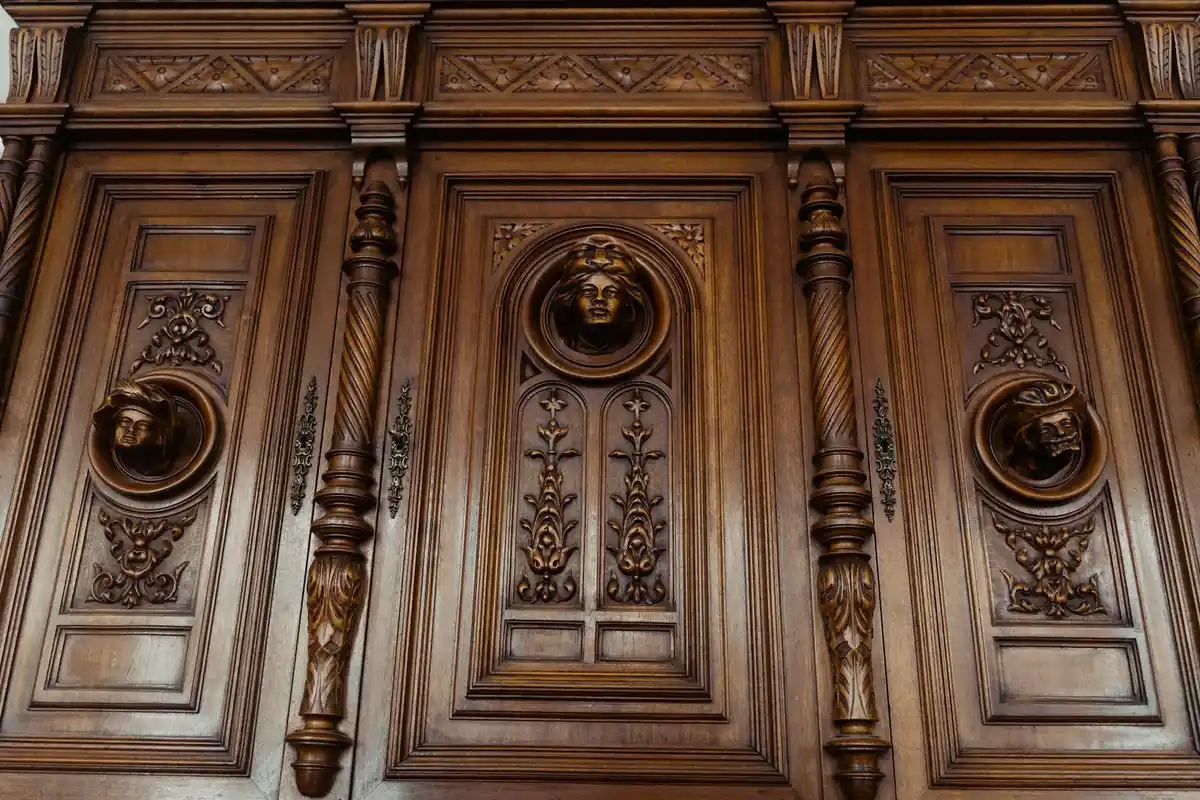
Forget relying on a tag. The best way to know what you’re holding is to put it through a few simple, shop-proven tests. I keep a small, verified sample of Honduran mahogany in my shop just for this purpose.
The Fingernail Test for Hardness
Find an inconspicuous spot, like the back of a board or inside a mortise. Press your fingernail firmly into the wood. Genuine mahogany will resist and show little to no mark, while a common soft look-alike like Spanish Cedar will dent easily. True mahogany has a Janka hardness around 900 lbf. Spanish Cedar is closer to 600 lbf. That difference is immediately apparent under your nail.
The Scent Test (The Planer’s Clue)
This test requires fresh wood. Make a cut or, better yet, run a board through a planer. Bring the shaving to your nose. True mahogany releases a distinct, sweet, and cedary scent, almost like a mild, spicy pencil. It’s pleasant and memorable. Most imitators lack this or smell different. Philippine Mahogany (Lauan) often has a sour or musty odor. Remember, this scent fades over years, so it only works on freshly worked surfaces.
Inspecting the Pore Structure
Grab a decent 10x hand lens. Look at the face grain. True mahogany is diffuse-porous, meaning its pores are small, evenly sized, and distributed solo or in short radial rows. You won’t see the large, open, solitary vessels typical of oak or ash. Some substitutes, like Sapele, have a similar pattern but with a much tighter, more frequent stripe due to interlocked grain.
Comparing End-Grain Patterns
This is where the truth comes out. Under magnification, look at the board’s end grain. True mahogany’s growth rings are often faint, with pores scattered evenly and no dramatic, contrasting bands of dense tissue. Now compare it to Khaya (African Mahogany). Khaya often shows more distinct, sometimes wavy, growth rings and its pore arrangement can look slightly more clustered. It’s a subtle but telling difference you learn to spot.
Checking the Heft (Weight per Board Foot)
This is a quick sanity check. Pick up the board. True mahogany averages about 35-40 lbs per cubic foot (air-dry). If a board sold as mahogany feels suspiciously light, it could be Spanish Cedar (~30 lbs/ft³). If it feels surprisingly heavy, you might be holding Sapele (~45 lbs/ft³). Moisture content affects weight, so use this test alongside others. I keep a small scale in the shop to check against my reference sample when I’m unsure.
The Usual Suspects: Common Woods Sold as “Mahogany”
You’ll encounter these woods under the “mahogany” name. Some are botanical cousins, others are just color matches. Knowing their traits saves money and ensures your project behaves as expected.
Khaya (Often called “African Mahogany”)
This is the most common substitute and a true relative in the Meliaceae family. The color is close, often a pinkish brown. The biggest giveaway is the grain: while genuine mahogany has a subdued, straight to wavy “ribbon” figure, Khaya frequently displays a more pronounced striped or “roey” pattern from its interlocked grain. It’s slightly less stable and can be more stringy when planing. It’s used because it’s more available and often less expensive than genuine Honduran mahogany.
Sapele
Another Meliaceae family member. Sapele is denser, harder, and has a very distinct, uniform stripe pattern that’s impossible to miss. Its color tends toward a richer, reddish brown. The interlocked grain is extreme, making it challenging to plane without tearout. It’s a fantastic, durable wood in its own right, but its pronounced stripes and weight give it away. It’s prized for its stability and beautiful figure, often used as a more decorative alternative.
Utile
Think of Utile as Sapele’s quieter sibling from the same family. Its color and weight are very similar to true mahogany, but it usually lacks the ribbon figure and has a much plainer, straighter grain. The end grain can sometimes show a darker brown stripe. It’s a good, stable furniture wood often chosen for its consistency and more sustainable availability from well-managed African forests.
Spanish Cedar
Not a true mahogany or even in the same family, but a classic imposter. It’s much softer and lighter, fails the fingernail test instantly, and has a strong, aromatic scent that’s more like a cross between mahogany and standard cedar. The color is paler, more salmon-toned. It’s used for cigar humidors and lining because of its aroma and insect-repelling properties, and sometimes in construction for its workability and rot resistance.
Philippine Mahogany (Lauan/ Meranti)
This is a purely commercial name with no botanical relation. It’s a collective term for various Shorea species. It’s typically lighter in weight and color, often with a grayish or dull brown cast and a coarse, bland texture. You’ll rarely see the rich reddish-brown tones. The pore structure is different, often with larger, more obvious vessels. It’s used almost exclusively because it’s a low-cost, readily available plywood core and panel material. For solid wood projects, its poor stability and fuzzy surface make it a poor substitute for the real thing.
Material Substitution: Choosing a “Mahogany” for Your Project
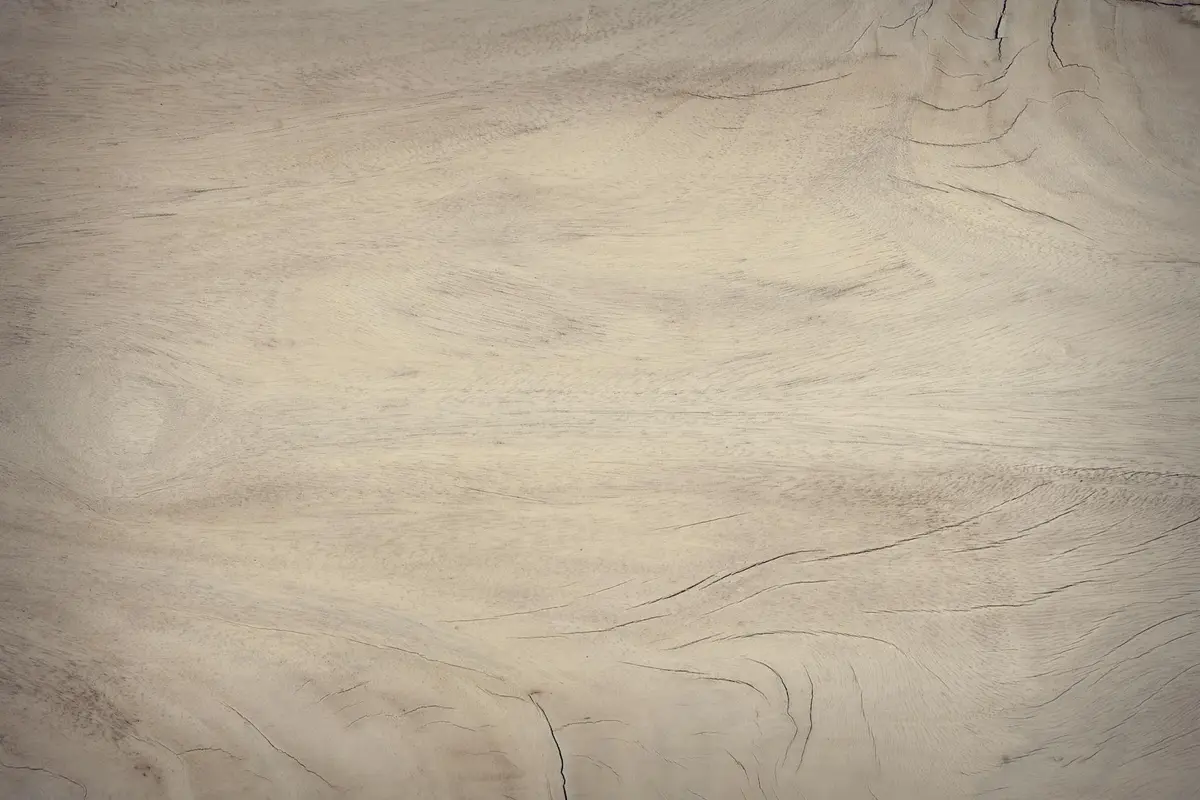
You don’t always need genuine Swietenia. The right choice depends on your project’s purpose, your budget, and your values. Let’s break down the options from the museum piece to the weekend build.
When True Mahogany is Non-Negotiable
There are times when only the real thing will do. True mahogany (Swietenia) has a unique cellular structure that influences how it works and ages.
If you’re restoring an 18th-century highboy, you must use true mahogany for any replacement parts. The wood will move, accept finishes, and darken over time identically to the original material. Anything else will eventually look like a patch. I also specify it for musical instrument components where a specific, predictable density and resonant quality are critical. For a showpiece where you plan to use a traditional oil-varnish blend and want that deep, slow, reddish-brown patina, genuine is the only path—especially when repairing historic woodwork.
The Sustainable First Alternatives: Sapele and Khaya
For 90% of furniture projects, an alternative is a smarter, more responsible choice. Two species stand out.
Sapele is my personal favorite substitute. It’s often more stable than genuine mahogany due to its interlocked grain, which resists warping. It planes to a stunning ribbon-stripe figure. Sapele machines beautifully but its interlocked grain means you must keep tools razor-sharp to avoid tearout. Khaya (African Mahogany) is softer and easier to hand-tool. It has a more open pore structure, very similar to genuine mahogany, making it behave almost identically during finishing. Both are generally more available and come from better-managed forests than dwindling Swietenia stocks. When you compare walnut vs mahogany in woodworking, grain and density guide your tool setup and finishing approach. Walnut’s richer contrast and tighter figure can require different finishing steps than mahogany’s warmer, open-pored character.
The “Poor Man’s Mahogany” Tier
Your budget might demand a creative solution. You have two basic paths: stain a common wood, or use a wood with natural color. Consider how different wood stain finishing application methods can affect color, depth, and evenness. We’ll explore the main methods next and how to pick the right one for your project.
Staining poplar or alder can work for painted pieces where you just want a reddish undertone, or for very low-wear interiors. But it’s a compromise. The color will be on the surface, and dings will reveal the light wood underneath. A better budget option is to use a wood that’s red to begin with. Spanish Cedar (which is actually a mahogany-family wood) has a gorgeous scent, works easily, and starts with a pinkish-red hue. It’s softer, so avoid table tops. For a bookshelf or blanket chest, Spanish Cedar stained with a simple amber shellac gives a shockingly good mahogany-like appearance for half the cost.
Wood Comparison at a Glance
| Species | Stability | Workability | Cost (Relative) | Best For |
| Genuine Mahogany (Swietenia) | Excellent | Excellent, easy to hand-tool | Very High | Restoration, high-end heirlooms |
| Sapele | Very Good (resists warp) | Good (sharp tools needed) | Medium-High | Modern furniture, cabinet doors |
| Khaya (African Mahogany) | Good | Very Good, sands easily | Medium | General furniture, carvings |
| Spanish Cedar | Good | Excellent, very soft | Low-Medium | Chests, linings, budget projects |
| Stained Poplar | Good | Excellent | Low | Painted projects, practice pieces |
Finishing: The Final Tell
How a wood finishes reveals its true nature. Genuine mahogany and Khaya have large, open pores. They require a pore-filling step (with a paste filler or many coats of finish) to achieve a glass-smooth surface. Sapele’s pores are smaller, often needing less filler. The real magic is in aging. True mahogany darkens to a rich, reddish-brown under UV light, while Sapele tends to take on a deeper, more golden-brown tone. Test your finish on scrap first. A wipe of mineral spirits will show you the approximate final color of the bare wood.
Buying Smart: How to Verify What You’re Actually Getting

The name “mahogany” on a ticket means almost nothing. Verification is your responsibility. Here is how to shop like a pro.
Decode the Paper Trail
Always look past the common name. The only reliable identifier is the botanical Latin name. Your invoice or bundle stamp should say Swietenia macrophylla (Bigleaf Mahogany) or Swietenia spp. for the genuine article. If it just says “mahogany,” assume it is not Swietenia. “Philippine Mahogany” is Luan, a completely different species. “Brazilian Mahogany” could be several things. Latin removes the guesswork.
Questions for Your Supplier
Don’t be shy. A reputable dealer expects these questions. Ask them directly:
- “Can you confirm the botanical name for this wood?”
- “Do you know the country of origin for this lot?”
- “Is this FSC-certified or come with any chain-of-custody documentation?”
A good supplier will have answers. Vague responses are a major red flag.
The Sustainability Imperative
Bigleaf Mahogany (Swietenia macrophylla) is listed on CITES Appendix II. This means its international trade is strictly regulated to prevent over-exploitation. Legally sourced genuine mahogany must have CITES permits, and buying it without verifiable paperwork risks supporting illegal logging. For peace of mind, I look for FSC (Forest Stewardship Council) certification on any tropical hardwood. It’s the best guarantee the wood came from a responsibly managed forest. This is a key reason I choose Sapele or Khaya, they are more frequently harvested from well-managed, fast-growing plantations. When turning, the species you select affects how the wood behaves—grain, workability, and finish vary by species. In the next section, I’ll explore wood selection and woodturning species to help you choose the right blanks for your projects.
The Veneer and Plywood Pitfall
This is where confusion is most common. The face veneer on “mahogany plywood” is almost never genuine Swietenia. It’s usually Luan, Sapele, or Khaya. There’s nothing wrong with that plywood, but you must know what you’re actually buying. Never order mahogany veneer or plywood sight-unseen without getting the species of the face veneer in writing. Ask for a physical sample you can examine for grain and pore structure.
Build a Relationship, Not Just a Shopping List
Your best long-term strategy is to find one or two trusted hardwood dealers. I buy 80% of my material from the same yard. They know I care about species and sourcing. When you become a familiar face, dealers are more likely to share honest information, call you about new shipments, and help you find exactly what you need. This relationship is more valuable than saving a few dollars per board foot on a questionable online auction.
Frequently Asked Questions: Genuine vs. Imitation Mahogany
What specific anatomical features distinguish genuine mahogany under magnification?
Under a hand lens, look for small, evenly distributed, solitary pores and short radial multiples (2-4 cells). This diffuse-porous structure, along with storied (tiered) rays visible on quartersawn surfaces, is a key microscopic identifier for Swietenia species.
Are there any simple, at-home tests to help differentiate genuine mahogany from look-alikes?
Beyond the scent and fingernail tests, try sanding an inconspicuous area: genuine mahogany produces a fine, almost talc-like dust that clumps slightly, whereas coarser imitations like Lauan produce a grittier, more particulate powder. Observing the wood’s natural luster off the sander can also indicate its characteristic medium, even texture, especially when compared to other similar woods like rosewood or cherry.
How does the workability and scent of genuine mahogany compare to imitation woods?
Genuine mahogany consistently planes with minimal tear-out due to its straight, minimally interlocked grain, unlike the more stringy or chippy behavior of Khaya or Sapele. Its mild, sweet-cedar scent when worked is distinct from the musty odor of Lauan or the stronger, different fragrance of Spanish Cedar.
What are the geographic origins of true mahogany species, and how does this relate to identification?
True mahogany (Swietenia) is neotropical, historically sourced from Latin America and the Caribbean. This origin is now a legal identifier, as commercially traded Swietenia macrophylla requires CITES documentation, unlike its African relatives (Khaya, Sapele) which are not CITES-listed.
What should you look for on lumber stamps, invoices, or botanical names to verify genuine mahogany?
Demand the botanical name Swietenia macrophylla or Swietenia spp. on documentation; any variation of “mahogany” alone is insufficient. For certified sustainable sourcing, look for FSC certification alongside possible CITES paperwork, which is a strong indicator of legally harvested genuine stock.
Selecting Wood with Precision and Purpose
The most reliable method is to examine the end grain and heartwood color under good light. True mahogany has a uniform, reddish-brown heart and a distinctive, interlocking grain pattern that imitations struggle to replicate perfectly. In my shop, I verify suspect boards by comparing their weight and pore structure to a known sample. Getting this right means your furniture will have the stability and finishing quality that defines heirloom work.
Choose your wood with the forest in mind, favoring suppliers who can verify sustainable harvests. I continuously study wood anatomy and finishing chemistry; this knowledge turns every project into a lesson in responsible craftsmanship.
Research and Related Sources
- What are the differences between real Mahogany and fake Mahagoni wood? – Quora
- How to Identify Mahogany Wood | Laurel Crown Furniture
- Mahogany Mixups: the Lowdown | The Wood Database
Written by David Ernst. David is a veteran woodworker. He is now retired and stays in his cabin in Wisconsin which he built himself. David has 25+ years experience working in carpentry and wood shops. He has designed and built many small and large wood projects and knows the science behind wood selection like the back of his hand. He is an expert guide on any questions regarding wood material selection, wood restoration, wood working basics and other types of wood. While his expertise is in woodworking, his knowledge and first hand experience is far from 'woody'.