
How Do You Dispose of Pressure-Treated Wood Without Breaking the Law or the Environment?
You have a stack of old, green-tinged lumber from a torn-down deck or a pile of cutoff ends from a new build. Throwing it in your regular trash or burning it in a firepit are dangerous mistakes I see too often.
Based on materials testing and regulatory research, this guide gives you actionable steps. We will cover why the chemicals are hazardous, your legal disposal options, how to find a recycling facility, and safe handling tips for your shop.
I base this advice on my own shop experiments with wood preservatives and years of navigating local waste codes for project clean-up.
Understanding Pressure-Treated Wood: What You’re Dealing With
Pressure-treated wood is regular lumber forced full of chemical preservatives under high pressure. Think of it like a sponge, but instead of water, it’s soaked with pesticides and fungicides designed to fight rot and insects for decades. You find it in outdoor structures like decks, fence posts, and retaining walls.
The wood itself acts like a chemical reservoir, holding onto compounds like copper, and in older stock, arsenic. This is the fundamental reason its disposal isn’t simple. You can’t just throw a toxic sponge in the trash and forget about it, especially when it comes to toxic wood dust and sap.
The industry has shifted formulas over time. Older wood treated before 2004 often used Chromated Copper Arsenate (CCA). Newer wood typically uses Alkaline Copper Quat (ACQ) or Copper Azole. While ACQ removed the arsenic, it increased the copper content. Both formulas create wood that requires careful handling and specific disposal paths.
Spotting Pressure-Treated Lumber in Your Pile
Before you can dispose of it, you need to be sure you have it. Start with a visual check. Look for a greenish or brownish tint, though this can fade to gray over time. Your best clue is the end stamp or tag.
- Look for abbreviations like “PT,” “GTN” (Ground Contact), or “UC4B.”
- The stamp may also name the treatment, like “ACQ” or “MCA.”
If the stamp is weathered away, use other clues. Pressure-treated wood is significantly heavier than untreated pine or fir of the same size. Its history is also a tell. If it came from an old deck, garden bed border, or anything touching the ground, assume it’s treated. When in doubt, treat it as pressure-treated. It’s the safer bet.
The Real Risks: Toxicity, PPE, and Why Rules Exist
Disposal is regulated for one core reason: the chemicals don’t break down. When buried in a landfill, they can slowly leach out, contaminating soil and groundwater. This isn’t a guess. I’ve seen the data from leachate studies, and it’s why landfills have special rules.
You absolutely cannot burn pressure-treated lumber, not even in a bonfire or outdoor fire pit. Burning is the most dangerous thing you can do. The heat vaporizes the chemical preservatives. For CCA wood, this releases highly toxic arsenic trioxide into the air. For ACQ wood, it releases concentrated copper particles. You and anyone nearby would be breathing this directly into your lungs.
Toxicity Profile: It’s Not Just “Bad Stuff”
Calling it “toxic” is vague. Knowing how it’s harmful informs your safety plan. The primary hazard in modern wood is copper. Copper is a primary irritant and a sensitizer.
Repeated exposure to copper dust can trigger lasting respiratory issues, like occupational asthma, even if you felt fine the first few times you cut it. Your body builds a reaction. Older CCA wood adds arsenic to the mix. Arsenic is a known human carcinogen linked to cancers of the skin, lung, and bladder. This isn’t scare tactics. It’s materials science that dictates our shop safety.
Essential PPE for Cutting and Handling
If you must cut or handle this wood before disposal, gear up correctly. This isn’t a job for a simple nuisance dust mask.
- Respirator: Use a properly fitted N95 or P100 respirator. The seal around your nose and mouth is crucial.
- Gloves: Wear durable work gloves to minimize skin contact.
- Eye Protection: Safety glasses are mandatory to keep dust out of your eyes.
Always cut outdoors where ventilation is unlimited. Position yourself so the wind carries dust away from you. If using a power saw, one with a dust collection bag attached is far superior to letting the dust fly free. Clean up sawdust immediately with a shop vacuum equipped with a HEPA filter, not a broom.
What Happens If You Get Sawdust on Your Skin?
Act quickly. Flush the area with cool water, then wash thoroughly with soap and water. The goal is to remove the dust before it can cause irritation or be absorbed.
If a rash, redness, or itching develops, see a doctor and tell them you were handling pressure-treated wood. Change your clothes after working with this material. Wash your work clothes separately from the family laundry to avoid cross-contamination.
Your Step-by-Step Guide to Legal Disposal
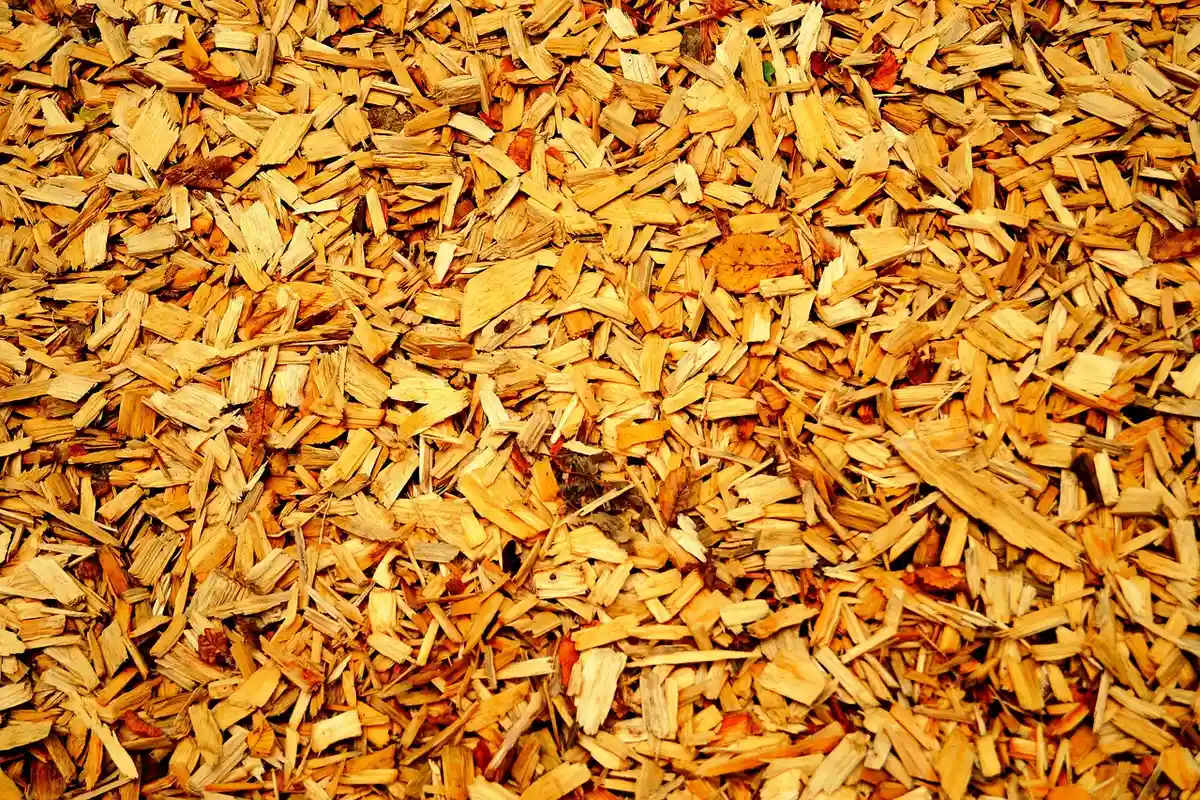
You cannot throw treated lumber in your regular trash. The chemicals make it a special waste. Follow this checklist in order. Skipping a step can lead to fines or turning you away at the gate.
Step 1: Check Your Local Regulations Immediately
Your local rules are the law you must follow. They change from one town to the next. A rule in Oceanside, CA is often different from one in San Diego, CA just 30 miles away.
Open your browser. Search for “[Your City or County] pressure treated wood disposal.” Your local government’s public works or waste management page will have the official answer. If the website is unclear, call them directly. I keep the number for my county’s waste line saved in my phone. Be sure to know how to identify pressure treated wood before handling it.
Never assume the rules are the same as your last house or a friend’s town; this is the most common mistake and it will waste your day. The science behind this variability is the landfill’s design. Some are lined to contain leachate (the liquid that seeps from waste), while older ones are not, influencing what they can accept.
Step 2: Identify Your Specific Disposal Facility
Your search will point you to a specific drop-off location. You generally have three types of places.
- A Construction & Demolition (C&D) Landfill: This is the most common endpoint. They are designed for inert building materials.
- A Hazardous Waste Transfer Station: Some areas classify older treated wood as hazardous, especially if it contains arsenic (from wood treated before 2004).
- A Municipal Collection Event: Many towns hold annual or quarterly events for problematic waste.
Do not just show up. Call the facility. Confirm they accept pressure-treated lumber that day. Ask about fees (it’s often charged by weight or per load) and any preparation rules. Some require wood to be under a certain length or bundled with twine.
Step 3: Prepare and Transport the Wood Safely
Now, get the wood ready for its final trip. Put on gloves and safety glasses for this.
First, remove all metal. Pull every nail, screw, and bracket. Landfills often charge extra for metal contamination, or will reject the load. Use a cat’s paw or a hammer. For non-treated wood attachments, like a pine cleat, separate them. Untreated wood can often go in regular trash or be composted, simplifying disposal.
If you are using an open-bed truck, you must contain the wood completely. Lay down a tarp, load the lumber, and wrap it tightly. The goal is zero sawdust or chips escaping on the road. Those particles contain the chemical preservatives and are a pollution source. I use ratchet straps over the tarp to secure it.
Safe Shop Practices and When NOT to Use Pressure-Treated Wood
The best way to handle treated wood waste is to not create it carelessly. These rules keep you safe in the shop and prevent future disposal problems, such as burning scrap wood where it can be hazardous.
Can You Cut, Sand, or Resaw Treated Wood? The Shop Rules
You can cut it if you must, but you must respect it. Sanding it, however, is a hard no. Here’s the science: the preservatives are deep in the wood fibers. Creating fine dust liberates those chemicals into the air you breathe, which is the most dangerous exposure route.
For necessary cuts (shortening a deck board), follow this process.
- Suit up in full PPE: An N95 respirator (not a dust mask), safety glasses, and gloves. Wear long sleeves and pants you can wash separately.
- Use sharp blades and cut slowly. A faster cut creates more heat and friction, vaporizing more chemicals and producing finer dust.
- Work outdoors or in a very well-ventilated space. Never in a closed shop.
- Clean up with a HEPA-filter shop vacuum immediately. Do not sweep or use a leaf blower, which will aerosolize the dust.
Do not sand pressure-treated wood under any circumstances; there is no safe way to do it as a woodworker. If you need a smoother surface, plan for it in your design or use a naturally smooth alternative wood from the start. To prepare a clean treated wood surface, start with a thorough cleaning to remove dust, oils, and residues. This helps coatings adhere properly and look their best.
When NOT to Use Pressure-Treated Wood: Critical Limitations
This wood has one job: to resist rot and insects in outdoor, ground-contact structures. Using it outside this lane is a material science mistake.
Never use it for:
- Indoor furniture, especially for children’s rooms. Chemicals can off-gas over time.
- Any food contact surface: cutting boards, countertops, picnic table tops.
- Vegetable garden beds or soil for edible plants. The chemicals can leach into the soil.
- Animal pens or housing where animals might chew it.
- Children’s playsets where hands and mouths have direct, frequent contact.
Pressure-treated lumber is for outdoor, non-contact structural use only, like deck joists, fence posts, and retaining walls. Using it elsewhere introduces unnecessary health risks and guarantees a complex disposal problem down the line.
What About That Old Deck? Assessing for Reuse
You’re tearing down an old deck. Is any of the wood still good? You need to assess it like a scientist.
Check each piece. Drive a screwdriver or an awl into the wood, especially near the end grain. If it sinks in easily or the wood is soft, spongy, or crumbly, it’s done. The cellulose fibers are too degraded. Do not repurpose it for anything structural.
Look for deep checks (cracks) or severe warp. This wood has lived its life and movement is a sign of internal stress.
If a board is still sound, hard, and straight, you can reuse it only for a similar, non-sensitive outdoor application. Think a gravel bin in the corner of your yard or a non-structural brace in a garden shed. Never promote it to a higher-use role.
Beyond the Bin: Responsible Repurposing and True Alternatives

True responsibility means reducing waste at the source. Let’s talk about last-chance uses and better choices for your next project.
Is Recycling Treated Wood an Option?
For a home woodworker, practical recycling options are nearly zero. Your curbside bin will not take it. The preservatives contaminate the clean wood stream.
In some industrial cases, old treated wood is chipped and burned in specialized facilities for energy recovery. This is not a service you can typically access. Do not take treated wood to a standard wood recycler or mulching facility; you will contaminate their entire operation, especially considering the potential risks associated with reclaimed barn wood.
Extremely Limited Repurposing: If You Must Reuse
If you have sound off-cuts and absolutely must use them, confine your ideas to non-critical, outdoor utility projects. The key is to minimize human and environmental contact.
- A three-sided compost bin for yard waste (not food scraps).
- The skid base for a storage shed placed on a concrete pad.
- A post for a rustic mailbox or “no trespassing” sign.
The rule is immutable: never let reused treated wood contact soil used for growing food, and never use it where people or pets will touch it regularly. I used some old deck boards for a simple rack to store my pavement stones. It’s off the ground and nobody touches it.
Choosing Sustainable Alternatives for Your Next Build
Plan ahead. For your next outdoor project, consider these better materials. They cost more upfront but save you from chemical concerns and disposal hassles.
Compare your options:
- Naturally Rot-Resistant Woods: Species like cedar, redwood, or black locust have natural oils and tannins that resist decay. They are chemical-free. Black locust is incredibly durable, harder than oak. Source from suppliers who practice sustainable forestry.
- Thermally Modified Wood: This is wood baked at high heat (over 400°F) in a low-oxygen kiln. The process changes the wood’s chemistry, making it stable and rot-resistant without chemicals. It works beautifully for decking and siding.
- Composite Lumber: Made from wood fibers and plastic, it won’t rot or splinter. It’s low-maintenance. Look for brands that use recycled content.
Investing in these alternatives closes the loop responsibly. You get a durable project and the peace of mind that comes with a simpler, safer end-of-life for the material.
Pressure-Treated Wood Disposal: Targeted FAQ
1. I’m near Oceanside, CA. Where exactly do I take pressure-treated wood?
Contact the City of Oceanside’s waste management department or the El Corazon Recycling Center directly, as their acceptance policies for Construction & Demolition (C&D) material are specific. Always call ahead to confirm they are accepting pressure-treated lumber that day and inquire about any weight-based fees.
2. How does disposal in San Diego County differ from other areas?
San Diego County has multiple, independently operated C&D landfills and transfer stations, each with its own waste acceptance criteria and fee structure. The key material science constant is that all facilities must manage copper leachate, but their specific handling protocols may vary, requiring you to verify your chosen location’s rules.
3>Why is burning pressure-treated wood more hazardous than just inhaling its dust?
Combustion thermally decomposes the solid chemical preservatives, converting them into concentrated gaseous or particulate byproducts. Inhaling these combustion aerosols, like arsenic trioxide from old CCA wood, delivers a far higher and more immediately toxic dose to lung tissue than sawdust exposure.
4. Can pressure-treated wood ever be recycled like untreated pallet wood or dimensional lumber?
No, the preservative chemicals are a permanent contaminant within the wood matrix, making it incompatible with clean wood recycling streams. Industrial energy recovery in specialized facilities is possible, but this is not a service accessible to individual woodworkers or the public.
5. Should I dispose of very old (pre-2004) pressure-treated wood differently than modern ACQ stock?
Yes, due to its arsenic content, some jurisdictions may classify pre-2004 Chromated Copper Arsenate (CCA) wood as a hazardous waste, requiring disposal at a designated hazardous waste facility. Confirm this distinction with your local regulator, as it fundamentally changes the required disposal pathway and cost.
Final Thoughts on Handling Pressure-Treated Wood
Your single most important job is to identify the wood correctly before you do anything else. Pressure-treated lumber is a hazardous material, not regular wood, because of the chemical preservatives embedded in it. Burning it can release toxic fumes and contaminated ash that harm people and the environment. Never burn it, bury it, or toss it in your regular trash. Your only safe and legal paths are through your local landfill’s designated handling or a specialized waste facility.
Responsible woodworking includes being a steward for the entire lifecycle of your materials. Disposing of treated wood properly is a direct contribution to a healthier environment and a safer community, grounding your craft in continuous, thoughtful learning.
Sources and Additional Information
- Waste Disposal – Rutherford County, TN
- Pressure Treated Wood Waste Now Accepted | Recology
- CCA-treated Wood
- How to Dispose of Pressure Treated Wood | repurposedMATERIALS
David is a veteran woodworker. He is now retired and stays in his cabin in Wisconsin which he built himself. David has 25+ years experience working in carpentry and wood shops. He has designed and built many small and large wood projects and knows the science behind wood selection like the back of his hand. He is an expert guide on any questions regarding wood material selection, wood restoration, wood working basics and other types of wood. While his expertise is in woodworking, his knowledge and first hand experience is far from 'woody'.