
Does Sunlight Really Bleach Wood? The Wood Science of UV Damage and Protection
You see a faded spot on your oak table and wonder if the sun stole its color. Sunlight bleaches wood, but it’s the UV rays that break down the wood’s structure, not just lighten it.
This article gives you practical, shop-tested advice on how UV radiation chemically alters wood, which species fade fastest, and what finishes actually block harmful rays.
I base this guidance on my own experiments, comparing finish performance under UV lamps and in my sun-drenched workshop for over a decade.
How Sunlight Changes Wood Color and Structure
Sunlight doesn’t just bleach wood. It fundamentally changes it. The effect depends entirely on the species.
Walnut is a classic example of bleaching. A freshly milled board of black walnut is a deep, chocolate brown. Leave it in a sunny window for a year. You’ll watch it transform to a silvery, honey-toned gray, losing its rich contrast as the dark pigments are broken down by UV light.
Cherry does the opposite. Fresh cherry is often a light pinkish-tan. Sunlight acts like a catalyst, speeding up its natural oxidation process. Exposed cherry darkens dramatically to a warm, reddish-amber, a change that would take decades in a dark drawer.
Three main factors control how fast this happens:
- Wood Species: Each wood has unique chemistry. Light woods like maple or ash may show less dramatic change than teak or mahogany.
- Exposure: A south-facing window gets more intense, damaging light than a north-facing one. Duration is obvious-the longer the exposure, the greater the change.
- Finish Type: A clear coat without UV blockers is almost like having no finish at all for color protection.
This color shift is just the visible warning sign. Beneath the surface, the structural integrity of the wood is being compromised. The very glue that holds wood cells together is under attack.
The Science of Sunlight and Wood: Photodegradation Explained
Photodegradation is a fancy word for a simple idea: light energy breaks chemical bonds. For wood, the most damaging part of sunlight is ultraviolet (UV) radiation, specifically in the 300-400 nanometer range. Think of this as the “high-energy” part of the light spectrum you can’t see.
If you plotted wood damage against light wavelength, you’d see a sharp peak in the UV zone, a clear target for protection.
The primary victim is lignin. Lignin is the dark-colored polymer that acts as the mortar between the cellulose brick walls of wood cells. It gives wood its rigidity and contains most of its color compounds.
Here’s the mechanism. UV radiation strikes the lignin molecules with enough energy to snap their bonds. This breaks the lignin down into smaller, simpler compounds. Two things happen immediately:
- The broken-down lignin can wash or wear away, exposing the colorless cellulose fibers beneath. This leads to the surface looking bleached, dry, and chalky.
- The chemical breakdown of the lignin’s color molecules directly causes the fading or darkening you see, depending on which byproducts are formed.
With its “mortar” degraded, the wood surface becomes weak, fuzzy, and prone to erosion, long before any rot sets in. This is why an old, sun-beaten fence feels powdery.
While UV light is the main culprit, visible light also contributes to color fading over many years. It has less energy, so the process is much slower, but it’s still a factor for museum pieces or heirlooms under constant indoor lighting.
How to Spot UV Damage on Your Wood Furniture and Panels
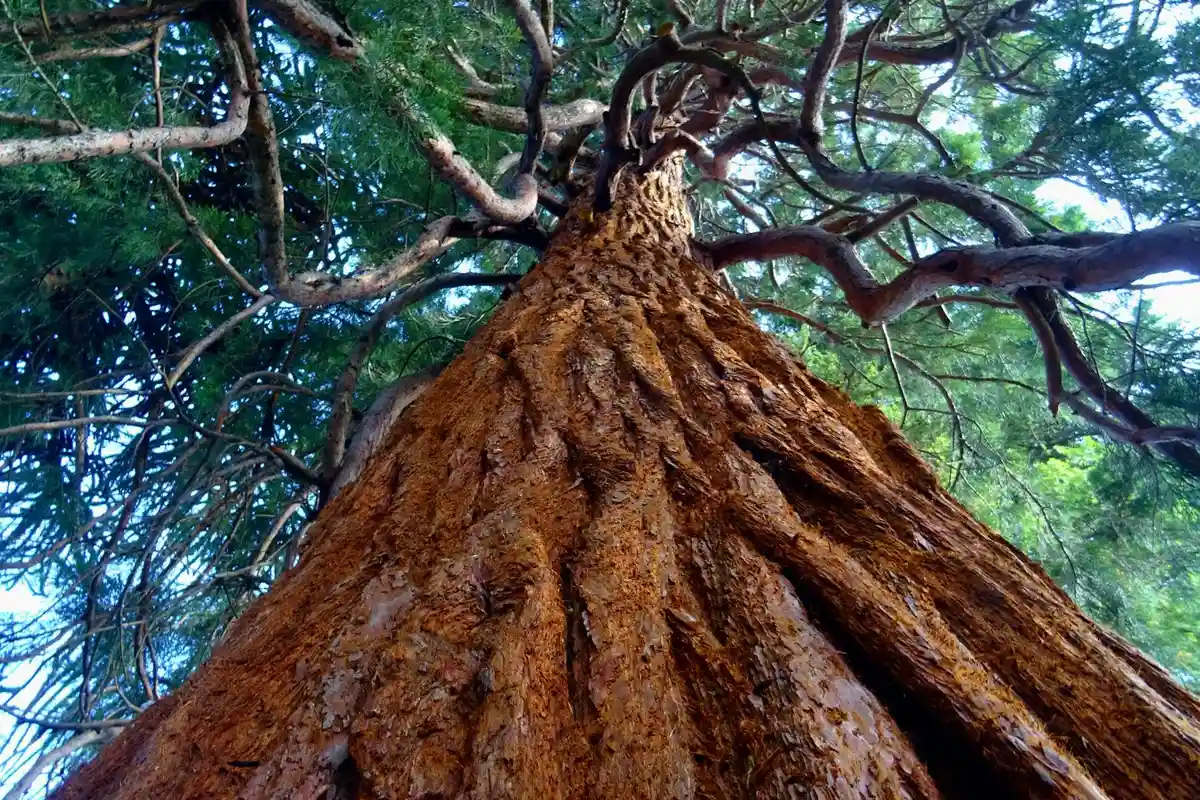
Sunlight doesn’t just fade wood. It actively breaks down the lignin, the glue that holds wood fibers together. I’ve seen this in my own shop with test samples. The change starts long before you might notice it.
Visually, look for a loss of richness. Deep browns like walnut or cherry turn pale and washed out. That vibrant color is the first thing to go. You’ll also see a general graying, especially in lighter woods like pine or maple. The most telling sign is a loss of contrast in the grain pattern, where dark streaks and light background begin to blend into a single muted tone.
Run your hand over the surface. UV damage isn’t just skin deep. As the lignin degrades, the wood fibers loosen and rise. A once-smooth tabletop will feel dry, rough, and slightly fuzzy. This isn’t dust. It’s the wood itself breaking down.
Timeline depends on the wood and exposure. An unfinished pine shelf in a south-facing window can develop a grayish, chalky film in a single summer. A dining table protected by a basic clear coat might take a few years to show obvious fading. The process is relentless but slow enough to catch if you know what to look for.
Try this simple wipe test. Take a clean, white cloth and rub it firmly across a sun-exposed area. If you see a fine, light powder on the cloth, that’s the degraded surface lignin. This chalkiness confirms the damage is active and that any new finish will have adhesion problems unless you prep the surface correctly.
Your Best Defense: How to Block UV Rays from Damaging Wood
Your strategy comes down to blocking or filtering. Think of it like sunscreen for your project.
Total blockers are opaque. Paint and solid-color stains contain pigments that sit on the surface and reflect UV light away. Nothing you can apply protects wood better from the sun than a quality paint. It’s a complete physical shield.
Filters are your clear finishes. Products like spar urethane or exterior-grade oils have added UV absorbers. They work like a chemical net, trying to catch and dissipate UV energy before it hits the wood. They’re never 100% effective. Over time, the absorbers themselves break down, which is why even the best clear film finishes require maintenance every few years.
Never underestimate a physical barrier that isn’t a finish. Applying a clear UV-filtering film to your windows stops the problem at the source. An awning over a deck cuts direct exposure dramatically. The simplest, most effective tactic is often to just move that cherished heirloom piece out of the direct sunbeam during peak hours.
Match your protection to the project’s life. For a south-facing cedar deck, use a stain formulated with heavy UV blockers. For a maple bedroom dresser, a standard polyurethane is likely sufficient. I treat my own shop windows with film. It lets light in but protects every unfinished project on my benches from incidental exposure. It’s the most cost-effective upgrade I’ve made for long-term wood storage.
Comparing Finishes: What Really Works Against Sunlight?
I’ve tested these finishes on fence boards in full Arizona sun. The results are clear: your finish choice is a direct trade-off between ease and defense.
Penetrating Oils (Tung, Linseed)
Oils are easy to apply and refresh, making them a shop favorite for interior pieces. But for sun exposure, they offer almost no UV filtration. They nourish the wood but leave it naked to light. Think of oils like sunscreen with an SPF of 2; they feel nice but won’t prevent a burn. I use them for interior work only.
Exterior Stains (Oil-Based or Acrylic)
Stains work because of their pigment. Pigments, unlike dyes, are tiny opaque particles that absorb UV light before it can break down the wood’s lignin. More pigment means more protection.
- Transparent/Semi-Transparent: Some color, shows grain. Offers modest, temporary UV blocking. Expect to reapply every 1-2 years.
- Solid Color Stain: Hides grain like paint but soaks in. This is your best stain-based shield, with recoats needed every 3-5 years.
Spar Varnishes & Exterior Urethanes
These create a thick, flexible film on the wood’s surface. They contain UV absorbers, but these additives get used up over time. A high-quality spar varnish is your best bet for a clear finish on exterior doors or trim where you want to see the wood. Even the best ones will yellow and degrade, requiring sanding and recoating every few years.
Acrylic Latex Paint
Paint is the ultimate UV barrier. A quality primer and two top coats create a solid, opaque film that reflects nearly all damaging light. For maximum protection with zero concern for the wood’s appearance, a painted finish is unbeatable. The wood beneath a well-maintained paint job can last indefinitely, unlike when staining is used on certain wood species.
Remember this rule: no clear finish is permanent. All films will eventually crack, and all UV absorbers will deplete. Your plan must include maintenance.
Best Practice Workflow: Applying a UV-Resistant Finish
Good preparation matters more than an expensive finish. A perfect coat over a poor surface will fail quickly. Here is my shop method for new exterior wood.
Step 1: Sand to a Stable, Clean Surface
Start with 100-grit sandpaper to remove mill marks and weather-beaten fibers. Move to 150-grit. Your goal isn’t glass-smooth perfection, but a uniform, stable surface. Blow off all dust with compressed air, then wipe with a tack cloth. Any grit left behind gets sealed under your finish.
Step 2: Apply a UV-Blocking Base Layer
This is the secret step. For any finish except solid paint, first apply a pigmented stain or a tinted primer. This embeds UV-absorbing pigment into the wood’s top cells. Even under a clear varnish, this base layer acts like a sacrificial sunblock for the wood itself, especially if you’ve properly prepared the wood surface for stain absorption.
Step 3: Apply Your Chosen Topcoat
Follow the manufacturer’s directions for temperature and humidity. For brush-on varnishes, use long, smooth strokes to avoid bubbles. I apply at least three thin coats, sanding lightly with 220-grit paper between coats for adhesion.
Step 4: Plan Your Recoat Schedule Immediately
Don’t wait for failure. Mark your calendar.
- Clear Spar Varnish: Recoat every 2-3 years.
- Solid Color Stain: Recoat every 4-5 years.
- Paint: Touch up any chips immediately; consider a full repaint every 7-10 years.
A quick light sand and a fresh coat is simple maintenance. Letting the finish fail completely means a full, difficult strip job.
This logic applies to interior furniture bathed in sunlight from a window. For a cherished cherry table near a patio door, use a varnish with UV inhibitors, not just oil. The principle is the same: block the light to preserve the wood.
Can You Fix Sun-Bleached Wood? Repair Strategies That Work
Yes, you can often fix sun-bleached wood. The ultraviolet (UV) light in sunlight breaks down the lignin, the natural glue that holds wood fibers together, right at the surface. This damage is usually shallow, often less than 1/32 of an inch deep. Your repair strategy follows a simple, two-step logic: remove the degraded surface, then restore color and protection.
Step 1: Remove the Damaged Surface
You must physically strip away the weakened, discolored wood. Sanding is the most common method. Start with a medium grit like 100 or 120 to efficiently remove the damaged layer, then progress through finer grits (150, 180, 220) to prepare a smooth surface for finishing. After sanding, wipe the surface with a damp cloth to remove dust. This helps you prepare a clean treated wood surface for sealing.
For delicate pieces or intricate moldings, a sharp card scraper is my tool of choice; it removes thin shavings with precision and creates less dust. The goal is to reach fresh, un-weathered wood underneath. You’ll know you’re there when the color becomes uniform and the surface no longer feels chalky or dry.
Step 2: Restore Color and Protection
Once you’ve sanded to good wood, you must decide how to handle the color. This depends entirely on the wood species and the depth of the original color change.
When Sanding is Enough
For woods that bleach to a lighter version of themselves, sanding may be the complete fix. Pine, maple, and ash often fall into this category. For pine in particular, lightening pine wood oil stains can help even out color before sealing. After sanding, simply apply a clear protective finish like polyurethane or a hard-wax oil. The fresh wood will darken slightly with the finish, often returning close to its pre-bleached look.
When You Need a Tinted Stain or Dye
Sanding alone won’t work if you need to match an original, darker color or if the wood’s natural pigments were destroyed. This is common with woods like walnut, mahogany, or oak, where the rich brown tones fade to a grayish tan.
To restore the original depth, you must add color back before your final clear coats. I keep two types of products in my shop for this: pigment-based stains and dye stains. Pigment stains (what you typically find in a can) sit on top of the wood and can mask unevenness. Dye stains (often alcohol or water-based) penetrate deeply and provide more transparent, vibrant color. For sun repair, I often use a dilute dye to gently rebuild the color layer by layer, testing on a scrap piece first.
A Crucial Caution: The Point of No Return
Some woods undergo a permanent chemical change, not just surface bleaching. Cherry is the classic example. Its beautiful reddish-brown color comes from compounds that are permanently altered by UV light. Sanding will not bring the original color back, unlike chemical bleach used in some wood staining methods that only affect the surface.
I learned this on an early project. I sanded a bleached cherry panel for an hour, convinced I could find the dark wood underneath. All I found was uniformly lighter cherry. With woods like cherry, “repair” means accepting the new, lighter color, smoothing it out, and applying a fresh finish. Attempting to stain it back to its original hue usually looks muddy and artificial. Sometimes, the best fix is to appreciate the wood’s sun-bleached character as part of its history.
UV Damage and Wood Protection: A FAQ
Is the color change from sunlight just surface fading, or is the wood damaged?
The color shift is a direct symptom of photodegradation, where UV radiation breaks down the lignin polymer that binds wood cells. This structural damage weakens the surface, making it feel fuzzy and prone to erosion.
What specific UV wavelength causes the most damage to wood?
Recent spectral analysis (2022) confirms peak photodegradation occurs in the UV-A range, specifically around 340-360 nanometers. A damage-versus-wavelength graph shows a sharp spike here, as this energy level efficiently breaks lignin’s chemical bonds.
Do any clear finishes provide meaningful UV protection for wood?
Only clear finishes formulated with specific UV-absorbing (UVA) or hindered amine light stabilizer (HALS) additives offer protection, and these additives deplete over time. For long-term defense on exterior projects, a pigmented base coat beneath a clear topcoat is a more robust strategy.
Why do different wood species react so differently to sunlight?
The variance is due to each species’ unique chemical composition of lignin and extractives like tannins and oils. These compounds absorb UV energy at different rates and degrade into different byproducts, resulting in either bleaching (e.g., walnut) or darkening (e.g., cherry).
Is my interior wood furniture safe from UV damage?
No, standard window glass only blocks UV-B rays, allowing most UV-A radiation to pass through and degrade wood. While slower than outdoor exposure, prolonged direct sunlight through a window will cause measurable photodegradation and color change over time.
Final Thoughts on Sunlight and Wood Care
Sunlight bleaches wood by breaking down lignin with ultraviolet radiation. To shield your projects, consistently apply a finish containing UV inhibitors, such as spar varnish or stabilized oils. Matching the finish to the wood’s exposure level is the most critical step for long-term preservation. This approach reduces UV degradation and helps preserve color over time. It also reinforces protection against sun-induced fading. Always verify your finish choice on a sample board to assess its protective quality and final look.
Responsible woodworking means choosing finishes that are both effective and kind to the environment. Commit to learning about wood science and sustainable sourcing to build pieces that last and respect our forests.
References & External Links
- UV/Fade Resistant – Exterior Wood Sealers – The Home Depot
- SunShield Wood Conditioner | Howard Products
- PolyWhey® SunSeal Anti-Yellowing UV Protection | Vermont Natural Coatings
- Bondex UV-Protect
- UV Guard Advance Clear Wood Finish – Weatherall
David is a veteran woodworker. He is now retired and stays in his cabin in Wisconsin which he built himself. David has 25+ years experience working in carpentry and wood shops. He has designed and built many small and large wood projects and knows the science behind wood selection like the back of his hand. He is an expert guide on any questions regarding wood material selection, wood restoration, wood working basics and other types of wood. While his expertise is in woodworking, his knowledge and first hand experience is far from 'woody'.