
What’s the Difference Between Hardwood and Softwood, and How Does Janka Hardness Affect Woodworking?
You’re choosing wood for a table and wonder if a “soft” pine can handle daily use like a “hard” oak. The common names are misleading, and the Janka hardness scale is the key to predicting how wood will behave in your shop and home.
We will cover the surprising botanical fact that defines hardwood and softwood, how the Janka scale measures real-world durability, and how to use this knowledge to select wood for easy machining or long-lasting strength.
I base this guidance on my own shop tests measuring dent resistance and tool wear across species, blending hands-on woodworking with materials science.
Hardwood vs. Softwood: It Starts with the Seed
Let’s clear up the biggest myth first. The words “hardwood” and “softwood” have nothing to do with how dense the wood feels. They are botanical labels that tell you how the parent tree reproduced.
Think of it this way: a pine cone and an acorn are both seeds, but they work very differently. Softwoods come from conifers, or gymnosperms. These are trees like pine, fir, spruce, and cedar. They have needles, are often evergreen, and their seeds are exposed, usually in a cone.
Hardwoods come from flowering trees, or angiosperms. This group includes oak, maple, walnut, and cherry. Their seeds are enclosed in a fruit or a hard shell, like an acorn or a walnut husk.
This is the core answer to “What’s the difference between hardwood and softwood?” It’s a seed story, not a hardness guarantee. The classic example is balsa wood. It’s incredibly light and soft, perfect for model building. Botanically, it’s a hardwood. Its seeds are enclosed. A longleaf pine, on the other hand, produces a wood that’s much harder than balsa, yet it’s classified as a softwood. The names can be misleading, which is why we need tools like the Janka scale to measure actual hardness.
The Science of Hardness: A Look Inside the Wood Cells
To understand why a piece of white oak is tougher than white pine, you need to look at the wood’s skeleton. Under a microscope, wood is a bundle of tiny, straw-like cells that once carried water.
In softwoods, these cells are called tracheids. They are uniform, long, and perform both water transport and structural support. This simpler structure is why softwoods are generally less dense and often easier to saw and plane. In hardwoods, there are two specialized cell types. Fibers provide the strength, while wider, hollow vessel elements (or pores) act as the main plumbing. This more complex system can create a denser, more intricate network.
You can feel this cellular difference in your shop. Run your hand across a piece of sanded red oak. You’ll feel the open pores of those large vessel elements. Now, feel a piece of sanded maple or pine. It will feel much smoother because the cellular structure is finer and more consistent.
Softwoods like pine show another quirk: growth rings with distinct bands. The light-colored, fast-growing “earlywood” is softer. The darker, dense “latewood” is much harder. This variation is why your hand plane can sometimes tear out chunks when planing pine cross-grain; the iron drops into the soft earlywood and then slams into the hard latewood. You learn to adjust your blade angle and take lighter passes.
This cellular architecture directly dictates how you use wood. The dense fiber network in hardwoods like hickory or maple resists dents and wear, making them ideal for flooring and workbench tops. The more open structure of many softwoods makes them easier to nail without splitting, which is why they have been the go-to for framing houses for centuries. Knowing what’s inside the wood helps you predict how it will behave under your tools and in your final project.
What is the Janka Hardness Scale, Really?
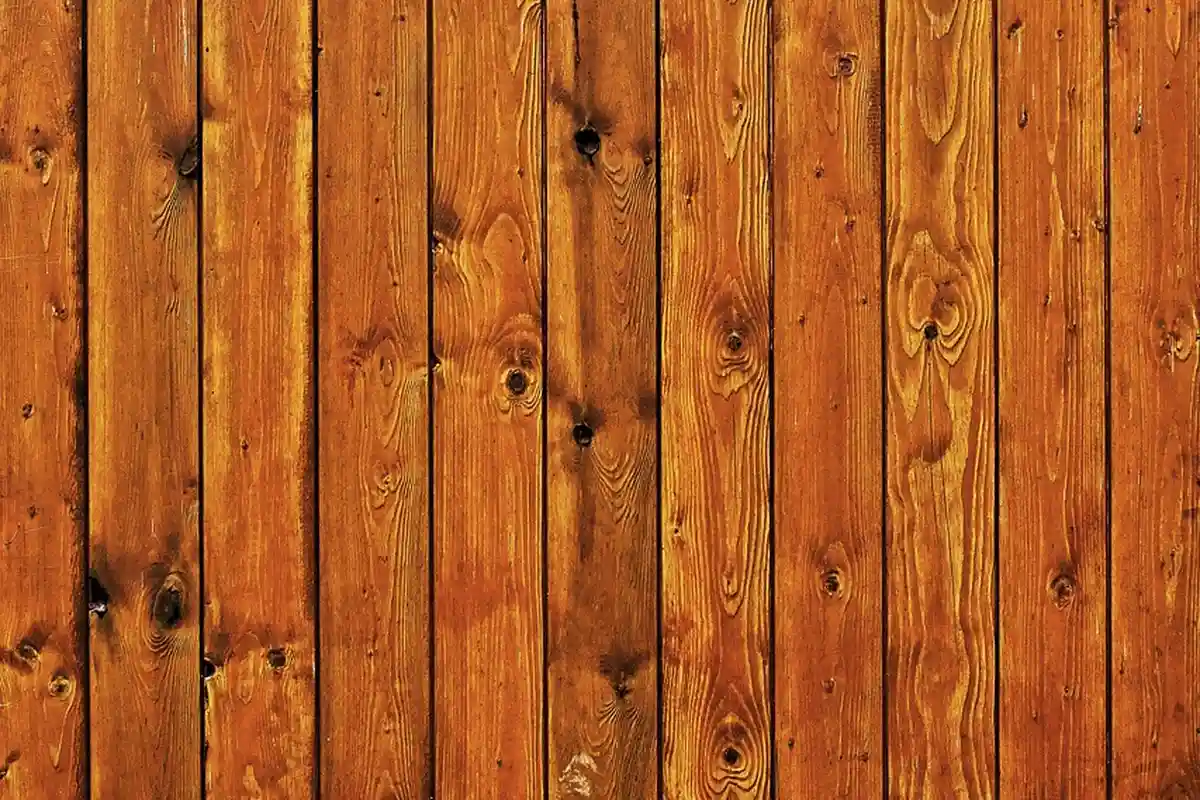
Let’s break down the Janka test. It measures the force required to push a standard steel ball, 0.444 inches in diameter, exactly halfway into a block of wood. Think of it like testing how much weight you need to sink a marble into mud versus into concrete. This single number gives you a direct, comparative measure of a wood’s resistance to denting and wear. In my shop, I use this test as a reality check before starting a project, because it tells me what I’m up against before I even make a cut.
The result is reported in pounds-force (lbf) or sometimes in Newtons (N). A higher number means a harder wood. For context, soft Eastern White Pine sits around 380 lbf, while hard Sugar Maple comes in at about 1,450 lbf. In practical terms, a wood with a Janka rating over 1,000 lbf will noticeably dull your planer blades and saw teeth faster than a softer species. You need to factor this into your tool maintenance schedule and your choice of cutting bits. For a tabletop that will see daily use, I target woods above 900 lbf. For a decorative wall shelf, I can comfortably use something softer and easier to work, like poplar at 540 lbf.
You might hear about other hardness scales, like the Brinell test for metals. The Brinell test uses a larger, harder ball and measures the indentation diameter, which is great for uniform materials like steel. The Janka test is purpose-built for wood because it accounts for the way wood fibers compress, crush, and splinter under pressure. This makes its readings far more relevant to our work with chisels, sandpaper, and everyday impacts. Relying on a metal scale for wood would be like using a ruler to measure temperature-it’s the wrong tool for the job.
How Wood Hardness is Measured and Why It Varies
We need a fair way to compare woods. That’s where the Janka hardness test comes in. It’s the universal standard, like a ruler for density. You can use it to compare different species of wood, such as Padauk, Cocobolo, and Mahogany.
The Janka Test: A Controlled “Hammer Blow”
Picture a steel ball bearing, exactly 0.444 inches in diameter. In a lab, a technician takes a perfectly prepared block of wood. They press this steel ball into the wood’s face grain until exactly half of its diameter is embedded. The machine measures the force, in pounds-force (lbf), needed to do this.
That number is the Janka rating. A higher number means a harder wood. The test is simple, repeatable, and gives us a common language.
- Steel ball (0.444″) is pressed into the wood’s face.
- Force is measured when ball is embedded halfway.
- Result is the Janka rating in pounds-force (lbf).
The Janka test simulates a standard impact, giving us an objective number to compare birch to oak or pine to cedar.
Why the Same Wood Can Test Differently
You might see different Janka numbers for the same species. That’s normal. The test is precise, but wood is a natural material. Three main factors cause this variation.
1. Moisture Content: The Biggest Variable
Wood is softer when it’s wet. As it dries to your shop’s Equilibrium Moisture Content (EMC), the cell walls tighten and the wood hardens significantly. A Janka test on green wood is useless for furniture making.
Always check the moisture content listed with a Janka rating; standard testing is done at 12% moisture, which is close to interior conditions.
2. Grain Direction: Side vs. End
Janka tests the face grain. But wood is far harder on its end grain. Try hammering a nail into the end of a pine two-by-four versus its side. The difference is massive. The Janka scale doesn’t measure end-grain hardness, which is why end-grain cutting boards are so durable.
3. Natural Sample Differences
No two trees are identical. Growth rate, soil minerals, and climate all change the wood’s structure. Sugar maple (1,450 lbf) is consistently harder than red maple (950 lbf), but even two sugar maple boards from the same forest can vary by 100-200 lbf.
In my shop, I’ve planed sugar maple that felt like iron and other pieces that cut like butter. Both were legitimately “hard maple.”
Using Janka as a Guide, Not a Gospel
The Janka rating is a powerful tool for predicting behavior. A wood rated at 1,200 lbf will dull tools faster than one at 600 lbf. It will resist dents better on a tabletop, especially when working with durable woods like acacia or teak.
But it is not an absolute law for every board in your stack. Use the scale to rank species for a project. Expect variation within that species. Think of a Janka number as a reliable average, not a guaranteed performance spec for every single board you buy. This understanding saves you from frustration when one piece of cherry seems oddly soft or a section of poplar is surprisingly tough.
Woodworker’s Technical Spec Sheet: Key Species Data
Numbers on a page are useful. Knowing what they feel like under your hand plane or how they respond to a nail is where the real knowledge lives. This table connects the lab data to the shop bench. Specific gravity tells you about density and weight. The movement coefficient predicts how much a board might swell or shrink with seasonal humidity changes. Pay close attention to the toxicity notes; walnut dust, for instance, is no joke for some people.
| Species | Janka Hardness (lbf) | Specific Gravity | Toxicity/Allergy Notes | Typical Movement Coefficient |
| Poplar | 540 | 0.42 | Generally inert; minimal risk. | 4.6% (High) |
| Alder | 590 | 0.41 | Can cause skin/eye irritation. | 5.2% (High) |
| Birch (Yellow) | 1260 | 0.62 | Common skin and respiratory irritant. | 7.1% (Medium) |
| Maple (Hard/Sugar) | 1450 | 0.63 | Severe respiratory and skin reactions possible. | 7.9% (Medium) |
| Cherry (Black) | 950 | 0.50 | Mild sensitizer; use dust control. | 4.8% (Medium) |
| Black Walnut | 1010 | 0.55 | Dust can be a potent allergen; toxic to some plants. | 5.5% (Medium) |
| Hickory (Pecan) | 1820 | 0.66 | Considered a sensitizer; use protection. | 8.9% (Medium) |
| Oak (White) | 1360 | 0.68 | Dust is a known carcinogen; serious respiratory hazard. | 6.6% (Medium) |
| Acacia | ~2200 | ~0.70 | Varies by species; treat as a potential irritant. | Data varies |
| Mahogany (Genuine) | 800 | 0.55 | Can cause dermatitis, asthma, and central nervous system effects. | 3.7% (Low) |
See how poplar (540 lbf) is softer than black walnut (1010 lbf) but noticeably harder than a typical pine at around 400 lbf? This is your baseline for comparison. Alder, often stained to mimic cherry, is a moderate hardwood at 590 lbf, perfect for beginner furniture projects.
Softwood Benchmarks
Softwoods are not just “soft.” They are gymnosperms, meaning their cell structure is different from hardwoods. They have long tracheids for transport, which makes them less dense but often very strong in length. This is why they rule the framing world. Their lower Janka scores simply mean they dent more easily under point loads.
I keep three softwoods in constant rotation in my shop for very specific jobs.
- Eastern White Pine (~380 lbf): My go-to for practice joinery, jigs, and shop furniture. It’s creamy, cuts like butter with hand tools, and is forgiving. It has a high movement coefficient, so allow for seasonal expansion in your designs.
- Douglas Fir (~660 lbf): Don’t let the “fir” fool you. At 660 lbf, it can be harder than some hardwoods like poplar. I use it for workbench frames and any project needing structural integrity without the cost of oak. It’s resinous, so it can gum up plane blades.
- Western Red Cedar (~350 lbf): Its low score makes it a dream for carving. The real benefit is its natural decay resistance. I use it for outdoor planter boxes and trim. It’s soft, so it will weather and dent, which adds to its rustic charm.
Douglas Fir proves that “softwood” is a botanical term, not a performance guarantee; its 660 lbf Janka rating demands sharp tools and respect.
Hardwood Spectrum: From Carving to Flooring
Grouping hardwoods by Janka range is more useful than an alphabetical list. It tells you immediately what a wood is capable of handling in the real world.
Carving & Easy Workability (Under 1000 lbf)
This is the sweet spot for learning, intricate work, and projects that won’t see brutal daily use. Basswood (not in our main table, at ~410 lbf) is the undisputed king of carving blocks. Poplar and alder, as shown, are your primary furniture woods here. They mill easily, sand predictably, and take stain evenly. Mahogany, with its low movement and 800 lbf rating, is famously stable and easy to work for large casework.
Is alder a hard wood? Technically, yes. Practically, it’s at the softer, more forgiving end of the hardwood spectrum, perfect for your first set of cabinets or a bedroom dresser.
All-Purpose Shop Favorites (1000 – 1500 lbf)
This is the core of fine furniture. Black walnut (1010 lbf) and cherry (950 lbf) are beloved for their beauty and balanced workability. They are hard enough for lasting tables, yet still cooperative under hand tools. White oak (1360 lbf) brings legendary strength and water resistance to the group. Ash (1320 lbf) is similar to oak but with more pronounced grain. These woods demand sharp tools. You’ll feel the difference in your arms at the end of a long planing session compared to poplar.
Cherry and walnut are the goldilocks zone for furniture: hard enough to last generations, soft enough to be a joy to work with hand tools.
High-Wear & Heavy-Duty (1500+ lbf)
When dents and scratches are not an option, you move into this tier. Hard maple (1450 lbf) is the standard for butcher blocks and dance floors because it can take a pounding. Hickory (1820 lbf) is even tougher, with a shock-resistant quality that makes it ideal for tool handles and workbench tops. It’s also famously difficult to work, prone to tear-out.
Is acacia wood hard? Absolutely. With species ranging up to 2200 lbf, acacia competes with the hardest domestic woods. It’s a phenomenal choice for flooring and heavy-use tabletops. That hardness comes with a cost: it will dull your cutters faster and requires slow, careful machining to avoid burning the dense wood.
Using the Janka Scale in Your Project Plans
The Janka scale isn’t just a trivia fact for wood nerds. It tells you how wood will behave in your shop and in your home. That number predicts wear, tool strain, and the final feel of your project. When you’re choosing a wood species cutting board, the Janka rating helps you balance hardness with knife-friendliness. Harder woods resist knife marks and wear, but can be tougher to work with. Think of the Janka rating as your material’s durability spec sheet, built right into the wood.
So, how does the Janka hardness scale relate to woodworking? It directly guides your material selection to match a project’s real-world use. You wouldn’t build a truck’s bed floor from balsa wood. The same logic applies to furniture or other woodworking projects.
Practical Rules of Thumb
You don’t need to memorize every species’ rating. Use these benchmarks to start your search.
- Flooring: Target 900 lbf or higher. This is the industry standard for handling daily foot traffic, chair legs, and dropped objects. Oak (1,290 lbf) and Hickory (1,820 lbf) are classic, durable choices.
- Tabletops & Work Surfaces: Aim for at least 700 lbf. A kitchen table endures plates, bumps, and homework. Hard Maple (1,450 lbf) or Walnut (1,010 lbf) provide great dent resistance. Softer woods below this range will show a history of use very quickly, which may or may not be the look you want.
- Interior Trim & Decorative Pieces: Flexible. Here, workability and grain often matter more. Pine (380-420 lbf) or Poplar (540 lbf) are soft, easy to shape, and perfectly suited for moldings or picture frames that won’t see abuse.
The Inevitable Trade-Offs
Every choice has a consequence, and hardness is a primary driver.
Harder woods resist dents and wear beautifully, but they demand more from you and your tools. They dull blades faster, require more power to mill, and can splinter more easily during routing or drilling. They are also often more expensive and can come from slower-growing trees, making sustainable sourcing a key consideration.
Softer woods are forgiving. They plane like butter, sand quickly, and are gentle on cutting edges. The trade-off is their memory. They dent from a stray grain of sand, a misplaced screwdriver, or even a firm fingernail press. This isn’t a flaw, it’s a characteristic you must plan for. A pine table tells a story; a maple table resists it.
A Shop Decision: Bench vs. Frame
Let me give you a real example from my shop. I needed wood for two projects: a new workbench top and a set of picture frames.
For the workbench, I chose Hard Maple (1,450 lbf). It had to withstand hammer blows, being a glue-up surface, and the general punishment of daily projects. A softer top would have become pitted and uneven in months. Yes, milling it was a workout for my planer and required sharp blades, but the durability is worth it. It’s a tool, not just a table.
For the picture frames, I used Eastern White Pine (380 lbf). Its job is to be light, easy to miter, and hold a photo. Hard maple would have been massive overkill, harder to work with for small parts, and more costly. The pine was a pleasure to shape by hand and will last generations in its role.
The Janka scale helped me make both choices confidently. It removed the guesswork and let me match the wood’s innate properties to the job it had to do. This was especially true when working with walnut, considering its Janka density and how it responds to finishing.
Putting Numbers to Work: Project-Based Wood Selection
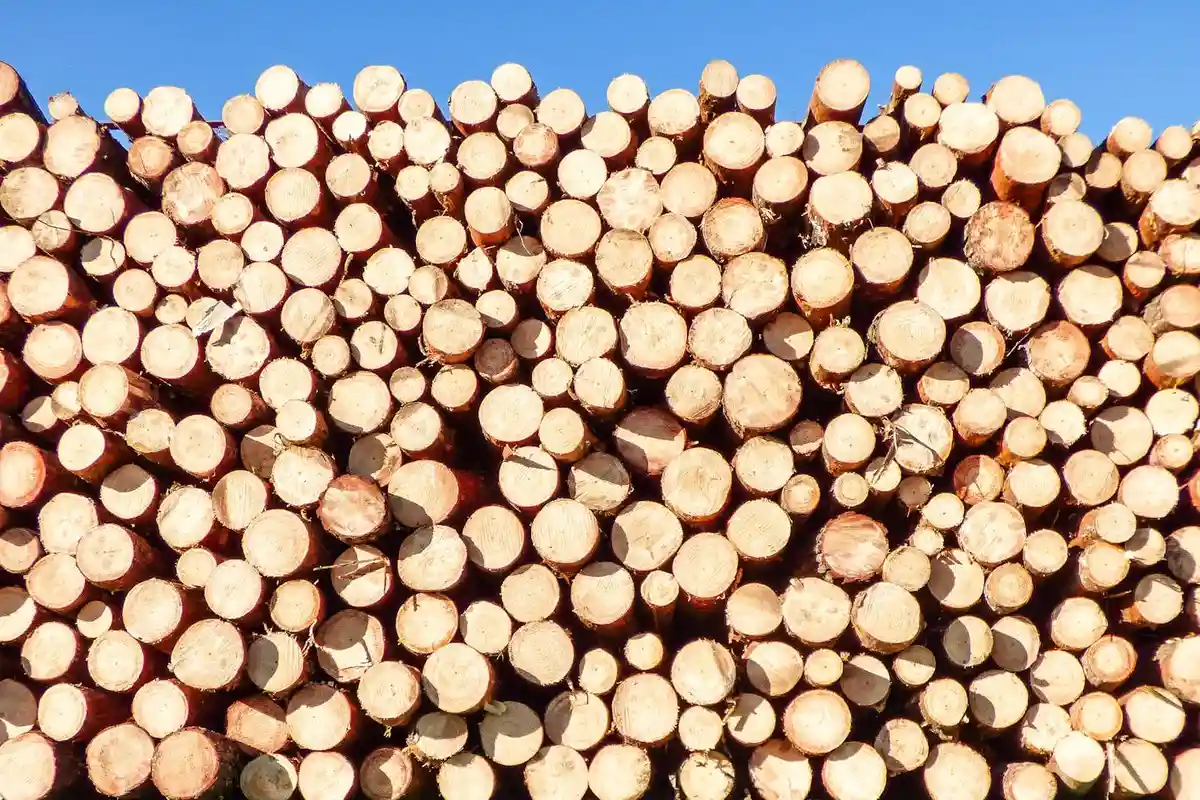
Now, let’s move past theory and into your shop. The real test of a wood is how it handles your tools and survives daily use. The Janka number isn’t a final grade, it’s a starting point for conversation. When we talk ash wood, its ash wood Janka density informs how it cuts and wears, and sustainability factors determine its long-term viability.
Matching Hardness to the Job
Choose a wood that suits your project’s life, not just its looks. A wood that’s too soft will dent, but one that’s too hard can be miserable to work and overkill for the task.
Building a kids’ play table? Consider soft maple (950 lbf) over red oak (1290 lbf). The maple is plenty durable for crayons and toy trucks, but its lower hardness makes rounding edges and cutting joinery noticeably easier on your tools and your arms.
For shop jigs and workbench accessories, I often use a dense softwood like Southern Yellow Pine (690 lbf). Its Janka rating is similar to black walnut (1010 lbf), but it costs a fraction of the price and is perfectly suited for taking screws and bearing weight. Save the expensive hardwoods for the pieces you see every day.
Task-Specific Comparisons
Different jobs demand different properties from the wood. Here’s how Janka and species biology guide my choices for common tasks.
Carving Spoons & Bowls: You want a wood that’s cooperative, not combative. Basswood (410 lbf) is the classic choice. Its low hardness and even grain let your carving knife slice, not tear. Cherry (950 lbf) is beautiful, but its higher hardness and occasional tricky grain require sharper tools and more patience. For a first spoon, basswood teaches you the cuts. Cherry rewards you once you’ve learned them.
Building Chairs & Framing: This is where strength under stress matters. White ash (1320 lbf) is a favorite for its excellent bendability and shock resistance, making it ideal for curved chair backs. Hickory (1820 lbf) is even stronger, but its extreme hardness can blunt tools quickly and it’s less forgiving to shape. For a sculpted chair, ash offers the best balance of strength and workability. For a rustic stool taking pure impact, hickory is unmatched.
The Sustainable Choice
Hardness doesn’t automatically mean better, and a high Janka score shouldn’t be an excuse for poor sourcing. Many durable softwoods can ethically replace threatened tropical hardwoods.
Need a rot-resistant wood for an outdoor planter box? Look at Western Red Cedar (350 lbf) or White Cedar (320 lbf). Their natural oils provide decay resistance, and their low hardness makes them easy to drill and fasten. There’s no need to specify a tropical hardwood like Ipe (3680 lbf) for this job. The cedar will last decades and comes from well-managed, often local, forests.
For interior furniture, consider thermally modified ash or maple. The heat treatment process increases stability and darkens the color, offering an aesthetic similar to some tropical woods without touching a rainforest. Often, the most responsible wood choice isn’t the hardest one on the chart, but the most appropriate one for your climate and conscience.
What the Janka Number Doesn’t Tell You
That Janka rating is a fantastic data point, but it’s just one piece of the puzzle. I’ve seen woodworkers get fixated on it and choose a species that’s a nightmare for their project. Choosing wood is like picking a teammate. You need to know more than just their raw strength.
Stability: The Fight Against Movement
Hardness has little to do with how much a wood shrinks and swells. This is measured by its shrinkage rates. You’ll see numbers for radial (across the growth rings) and tangential (along the rings) movement. The bigger the difference between these two numbers, the more likely the wood is to cup and warp.
Take a classic example. Hard maple has a high Janka. Australian buloke is even higher. But if I’m building a wide tabletop, I care more about stability. Quartersawn white oak, while still hard, has a much more favorable movement ratio. It will stay flat with seasons while a slab of unstable, super-hard wood could tear itself apart.
Workability: It’s Not Just About Effort
A wood can be moderately hard but tear out horribly because of interlocked or figured grain. Padauk and some mahoganies are famous for this. That Janka score doesn’t predict if your planer knives will chip the grain or if hand-planing will be a smooth dream.
Your tooling strategy matters more with tricky grain than pure hardness. For these woods, I immediately reach for a card scraper or a high-angle plane blade. The Janka test uses a steel ball bearing, not a knife edge, so it misses this crucial workshop reality of selecting wood based on more than just hardness.
Finish Absorption and Cost
How a wood accepts finish is critical. Very porous woods like oak or ash will soak up stain unevenly, often requiring a pre-stain conditioner. Dense, hard woods like maple or hickory can resist penetration, making some finishes sit on the surface. The Janka number tells you nothing about the pore structure.
And then there’s the real-world factor: the lumberyard shelf. Ipe is incredibly hard and durable, but it’s expensive, heavy, and can be tough on tools. A wood like white oak offers a great balance of hardness, stability, and availability for most furniture projects. Always weigh the Janka against local availability and your budget.
Hardness is a Solo Metric
This is my biggest warning. A wood can be hard but brittle. Some eucalyptus species are a good example. They test high but can splinter unexpectedly. Conversely, a wood like Eastern white pine is very soft but remarkably stable and forgiving. For a child’s toy or a painted cabinet interior, pine’s stability and ease of use make it a superior choice to a brittle, hard wood.
You must match the wood’s full set of properties to the project’s demands. A cutting board needs hardness and closed grain. A blanket chest needs stability. A carved ornament needs workability.
Working with the Extremes: Tips from the Shop
When you do need to use very hard or very soft woods, your technique has to adapt.
For Very Hard Woods (Ipe, Brazilian Cherry, etc.):
- Tool Sharpness is Non-Negotiable. Dull tools will burn the wood and wear you out. I sharpen twice as often.
- Use slower feed rates on planers and jointers. Rushing will cause tear-out and strain your machine’s motor.
- Pre-drill for all fasteners. These woods will snap screws and split easily.
For Very Soft Woods (Pine, Basswood, Cedar):
- Use a sanding sealer before final sanding. This hardens the surface fibers, preventing them from folding over and creating a fuzzy surface. It also helps prevent denting.
- Keep sanding grits progressive. Jumping from 80 to 220 grit will leave deep scratches that are hard to erase in a soft surface.
- Use sharp tools with a finely set mouth on your hand plane. A blunt tool or wide mouth will crush the wood fibers instead of shearing them cleanly.
Frequently Asked Questions
1. If balsa is a hardwood and southern yellow pine is a softwood, are the terms “hardwood” and “softwood” useless for woodworking?
No, the botanical classification remains crucial for predicting general cellular structure and workability, but it is not a reliable indicator of physical hardness. For actual dent resistance, always refer to the Janka hardness scale, which measures the material property relevant to your project’s durability.
2. Beyond seeds, what is the fundamental cellular difference I can observe in my shop?
Hardwoods possess specialized, dense fiber cells for strength, creating intricate grain patterns and pores you can often feel. Softwoods rely on uniform tracheids, resulting in a simpler, more consistent structure that typically machines with less tool resistance and shows distinct, alternating bands of soft earlywood and hard latewood.
3> The Janka scale measures denting, but what key woodworking property does it NOT directly assess?
It does not measure dimensional stability or resistance to warping and cupping, which are governed by shrinkage coefficients and grain orientation. A very hard wood can be unstable, while a softer, stable wood may be superior for large panels or frame construction where movement is a primary concern.
4. How does Janka hardness directly translate to my tool maintenance schedule?
Higher Janka ratings correlate strongly with increased rates of cutting edge dulling and wear on planer knives, saw blades, and router bits. When working with species above 1000 lbf, factor in more frequent sharpening cycles and consider carbide-tipped tooling for efficiency.
5. Is a higher Janka number always better for a durable finish?
Not necessarily; a harder surface resists denting but can be more challenging to sand to a perfectly smooth state and may resist some penetrating finishes. Softer woods dent more easily but often sand to a fine, consistent surface more readily, though they may require a hardening sealer for optimal finish durability.
Making Sense of Wood for Your Next Build
The most important advice is to look past the names hardwood and softwood and focus on the Janka hardness number for your specific project. This scale gives you a clear, practical measure of how well a wood will resist dents and wear in real use. I always test a sample piece first to see how it actually saws, planes, and sands before committing to a species. The hardwoods vs softwoods durability myth is a common oversimplification. True durability comes from the wood’s density, grain, and how it’s used. Let the wood’s performance in your shop guide you more than any textbook category.
Source your lumber responsibly from well-managed forests to protect this material for future builders. Your education as a woodworker never ends, so keep questioning how wood behaves and why.
Research and Related Sources
- Hardwood vs. Softwood Lumber | North Castle Hardwoods
- What is the Janka Hardness Scale? – BuildDirect
- Wood Hardness – Janka Chart – #CraftedForLife #CraftedForLife
- Hardwood vs. Softwood: What’s the Difference? – Sherwood Lumber
- Janka Hardness | The Wood Database
- Softwood vs. Hardwoods: What’s the Difference? – Mark’s Lumber
- Hardwood vs Softwood Lumber – HH Lumber
- Hardwood vs. Softwood | McCoy’s Building Supply
Written by David Ernst. David is a veteran woodworker. He is now retired and stays in his cabin in Wisconsin which he built himself. David has 25+ years experience working in carpentry and wood shops. He has designed and built many small and large wood projects and knows the science behind wood selection like the back of his hand. He is an expert guide on any questions regarding wood material selection, wood restoration, wood working basics and other types of wood. While his expertise is in woodworking, his knowledge and first hand experience is far from 'woody'.