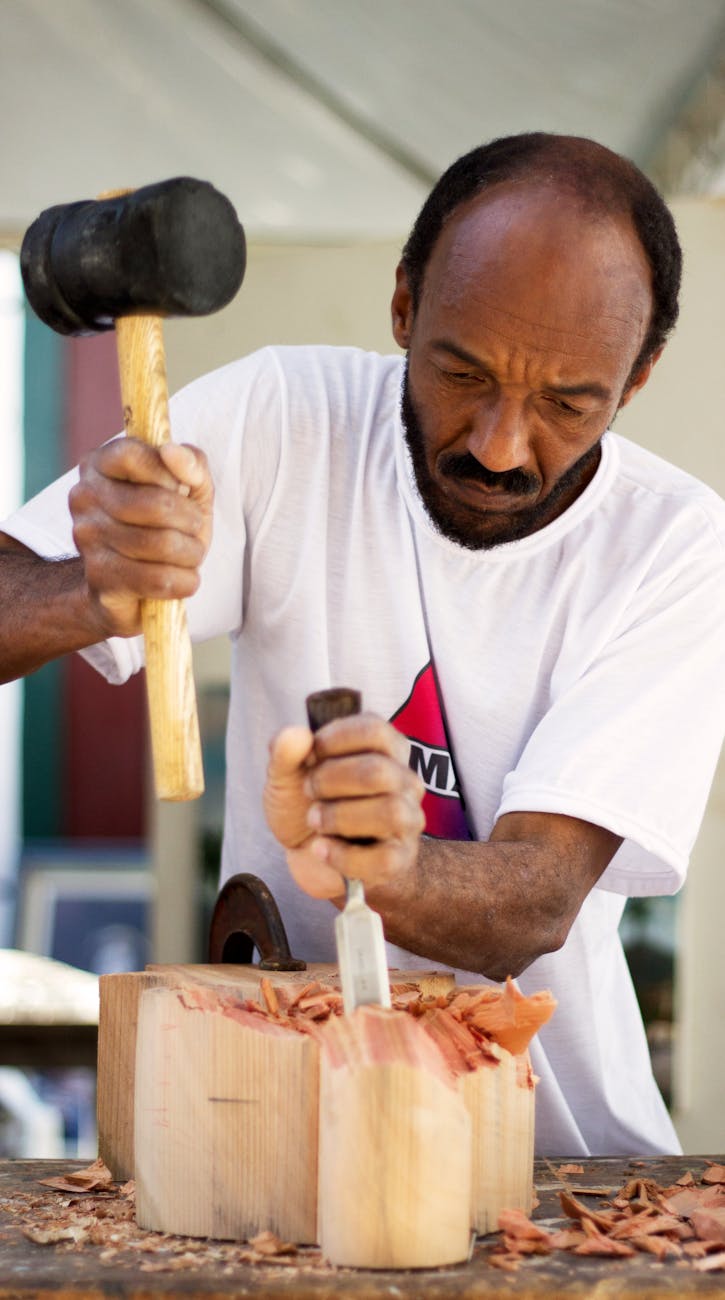
Wood, Understood — From Forest to Finish
At Wood Work Science, we turn complex wood behavior into clear, practical decisions. We test, measure, and explain—so your joinery fits, your finishes cure right, and your projects last. Have a tricky wood problem? Ask us anytime.
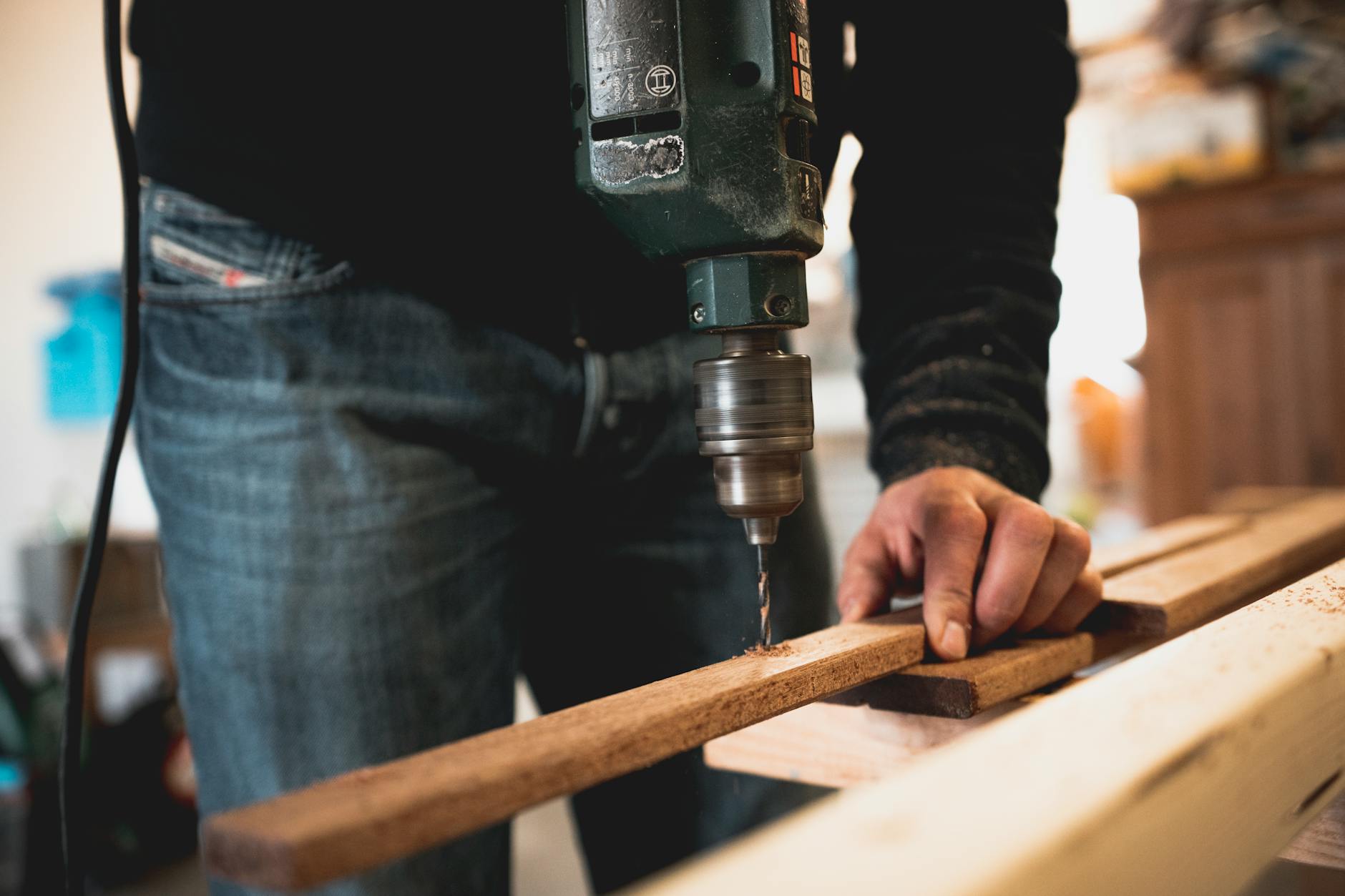
Make Smarter Choices With Evidence, Not Guesswork
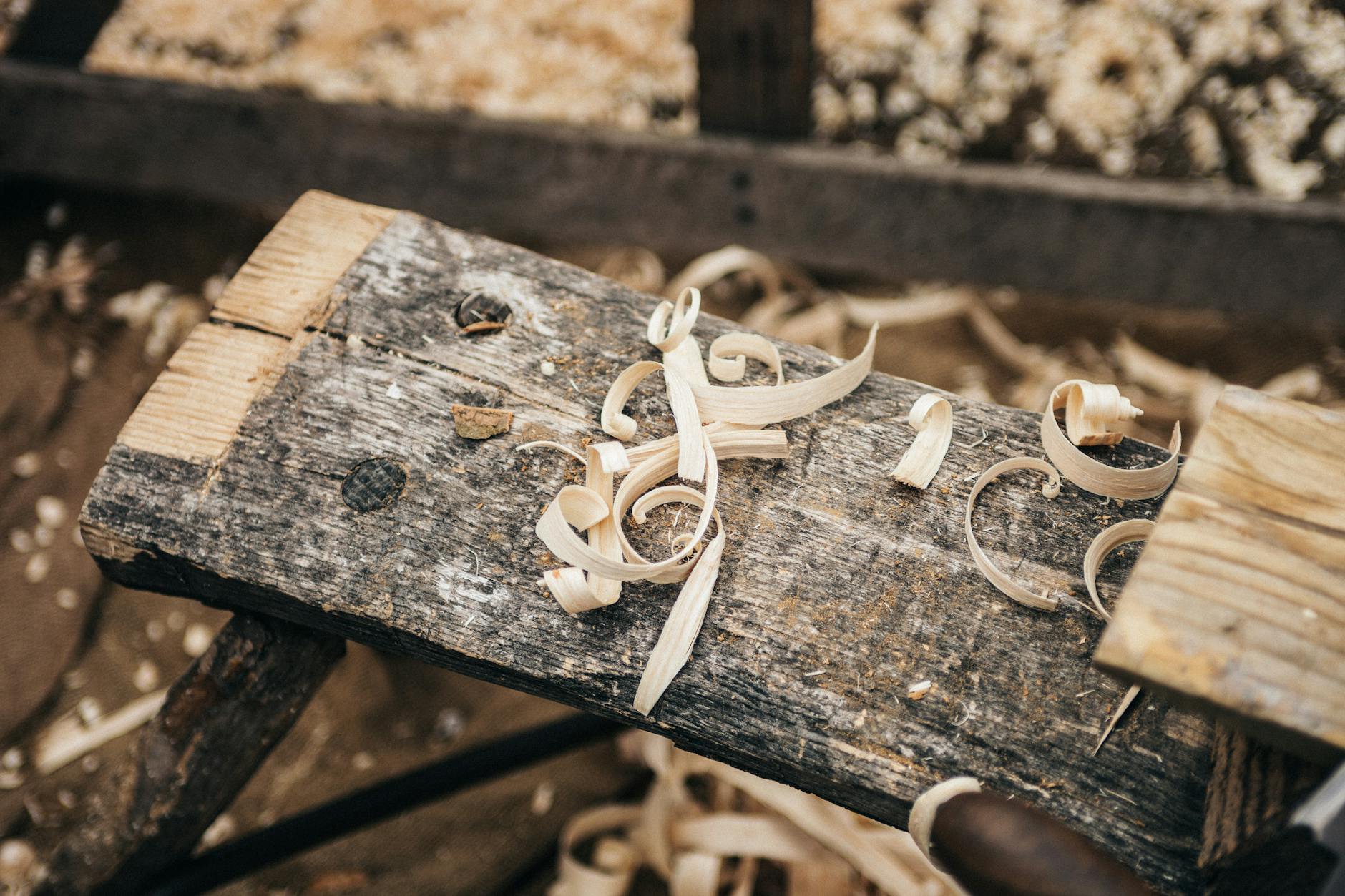
Know Your Species: Strength, Hardness, Movement
Side-by-side species profiles with hardness, density, shrinkage ratios, and working notes. Real shop effects—tear‑out risk, burn tendency, screw-holding. Plus acclimation guidance matched to your climate.
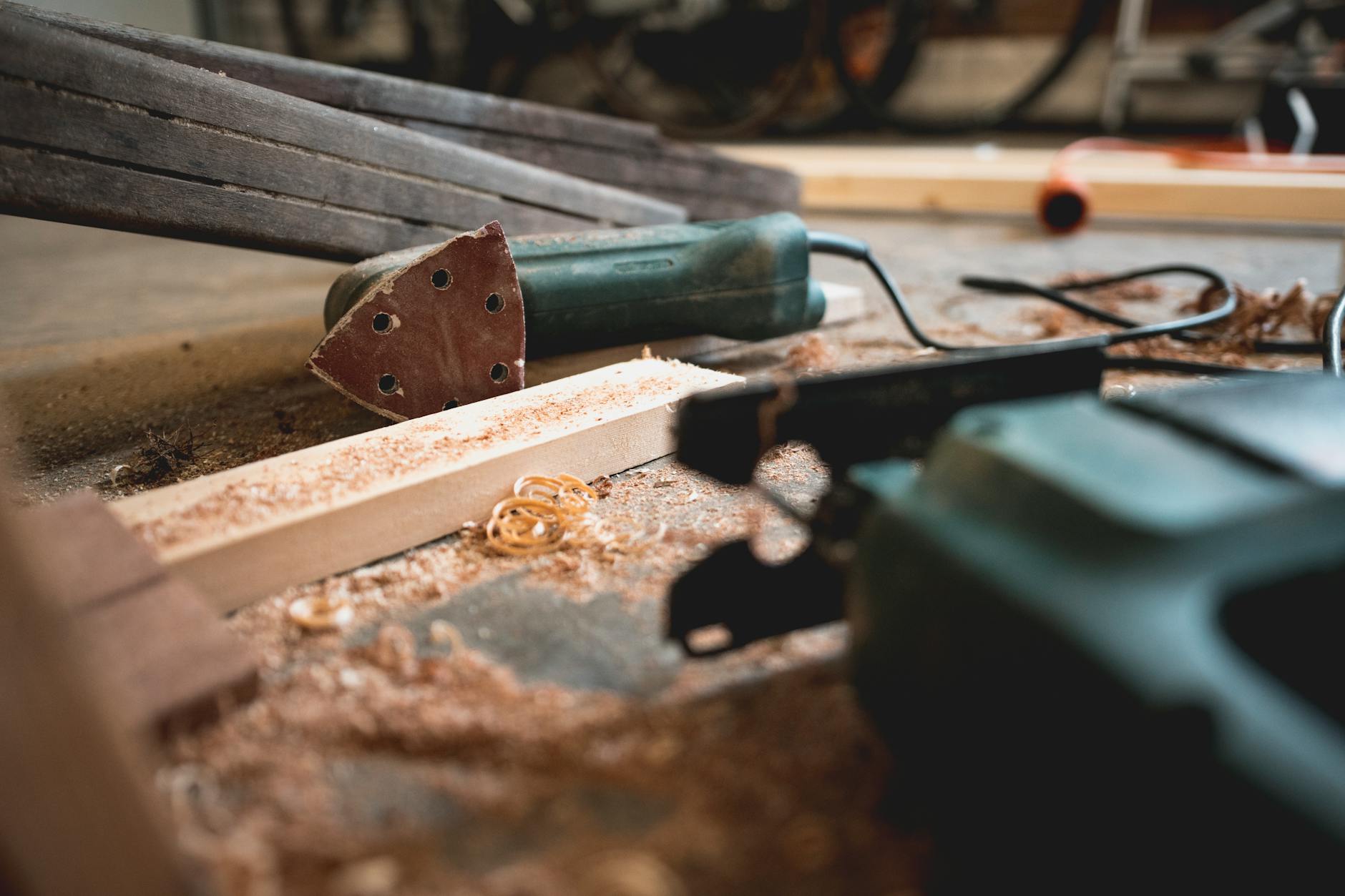
Finishes and Glues, Decoded
Cure-time and bond-strength checks across temperature and humidity. Film build, adhesion, and compatibility—tested. From shellac to 2K poly, from PVA to epoxy: what to use, when, and why.

Moisture Mastery = Fewer Failures
EMC you can use. Meter comparisons, kiln notes, and acclimation checklists. Stop cupping, gapping, and glue-line failure before they start.
Explore Our Latest Guides and Lab Notes
-
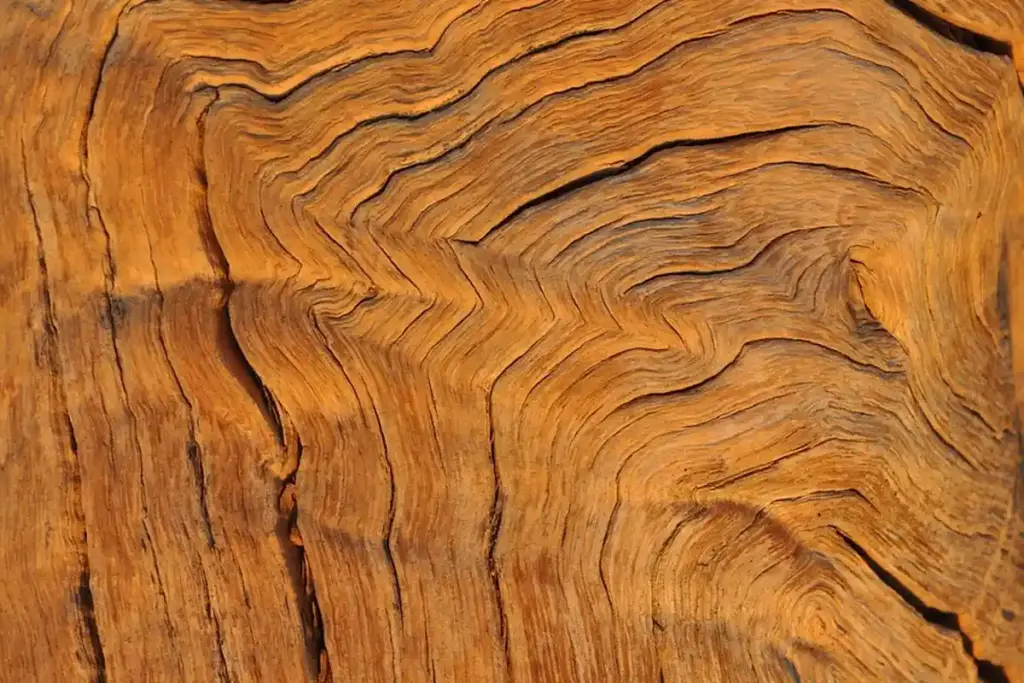
How Do You Calculate Wood Movement: Radial vs. Tangential Shrinkage?
Calculate wood expansion: compare radial vs tangential shrinkage ratios, formulas, examples, and answers to wood…
-

What’s the Difference Between Hardwood and Softwood, and How Does Janka Hardness Affect Woodworking?
Hardwood vs softwood contrast and how Janka hardness guides woodworking choices, with density, durability, and…
-

How to Choose Food-Safe Oils for Wooden Cutting Boards & Utensils
Best oils for wooden utensils and cutting boards; pore structure, absorption, and food-safety implications.
-

Why Does Wood Swell Faster Than It Shrinks? The Science of Hysteresis
Why adsorption and desorption rates differ in wood; factors, hysteresis, modeling and measurement; drying/finishing implications.
-

What Do Different Finishing Oils Actually Do to Wood?
Compare oils for wood finishing and wood therapy: tung, linseed, danish, mineral; drying times, uses,…
-

What Makes Steam Bend Wood? The Physics of Plasticizing Lignin and Cellulose
Steam bending physics: plasticizing lignin & cellulose for niche wood research, materials science, and wood…
New to Wood Work Science? Start Here.
Whether you’re building your first bench or your fiftieth cabinet, you’re in the right place. Start with our fundamentals—wood movement, grain selection, finishing systems, adhesive basics—then dive into troubleshooting shaped by reader questions. We update methods, run fresh tests, and revise conclusions as new data appears. Can’t find what you need? Tell us what to test next at woodworkscience.com/contact-us.
-

What Are the Best Woods for Turning? A Wood Science Guide
Woodturning wood selection: top species for easy turning, finishes, workability, moisture, stability, and common questions.
-
Walnut vs. Mahogany: Which Dark Wood Performs Best in Your Shop?
Walnut vs. mahogany: weigh density, grain, workability, finish, cost, availability, and best use for fine…
-
What Does Janka Hardness Actually Mean in Your Shop?
Janka hardness vs real-world woodwork: pick species, gauge cut effort and tool wear, finishability, and…
-

Is Exotic Wood Toxic? Separating Shop Myths from Material Science
Exotic wood toxicity: separate myths from real risks; compare species, exposure routes, safety steps for…
-
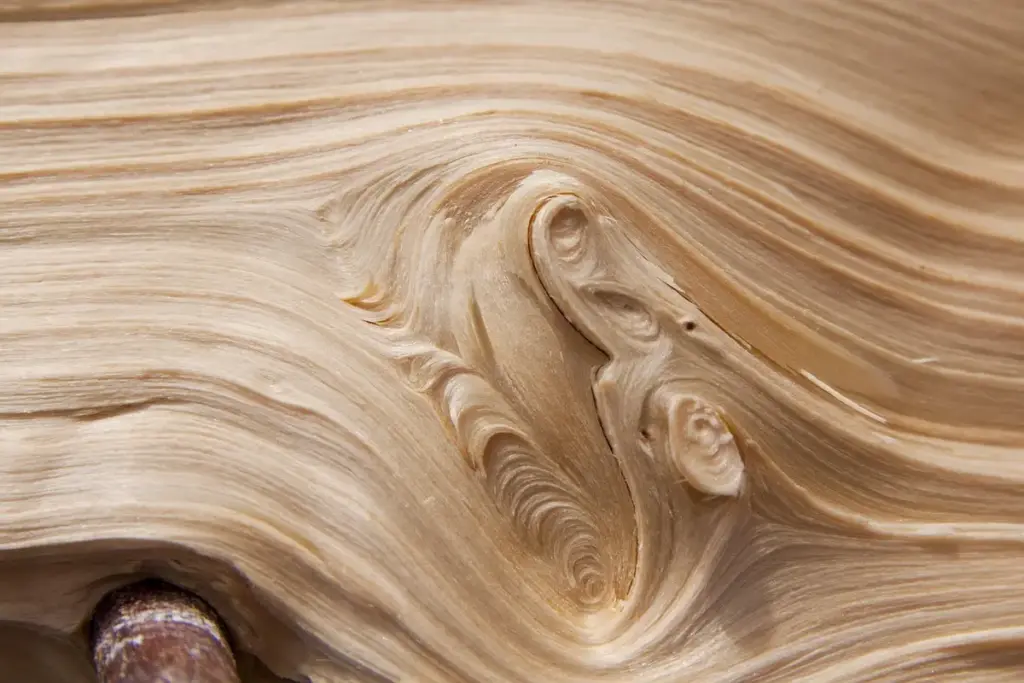
Why Does Wood Change Color Over Time?
Tannins, oils, and oxidation drive wood color changes over time; predict aging, choose finishes, and…
-

Which Wood Makes the Best Kitchen Countertop? A Materials Scientist’s Verdict
Compare wood species for kitchen countertops by hardness, stain resistance, hygiene, durability, and upkeep for…
About Wood Work Science
We’re a small, obsessive team of wood technologists, furniture makers, and millworkers. Decades of combined shop time. Years of lab work. We’ve tuned kilns, logged moisture cycles, pushed joints to failure, and rebuilt them better. Our mission is simple: translate the science of wood into reliable, real‑world guidance you can trust—so your projects survive seasons, travel, and time.
How we earn your trust: we document methods, share numbers, and state limits. Products are selected for relevance—no pay‑for‑placement. When we use affiliate links, they never influence our results and they help fund more testing. Every article is peer‑reviewed by a second editor and checked for clarity and safety. We correct mistakes promptly and timestamp revisions. Questions, corrections, or collaboration ideas? Reach us at woodworkscience.com/contact-us.