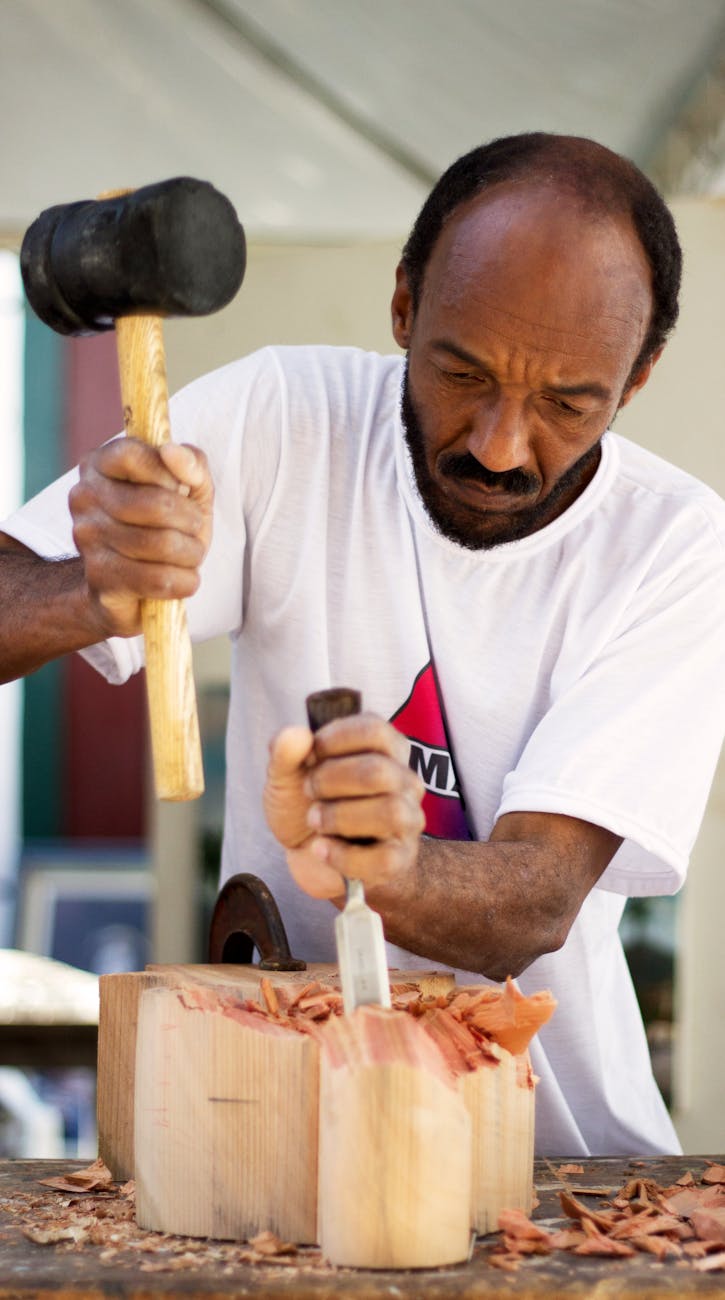
Wood, Understood — From Forest to Finish
At Wood Work Science, we turn complex wood behavior into clear, practical decisions. We test, measure, and explain—so your joinery fits, your finishes cure right, and your projects last. Have a tricky wood problem? Ask us anytime.
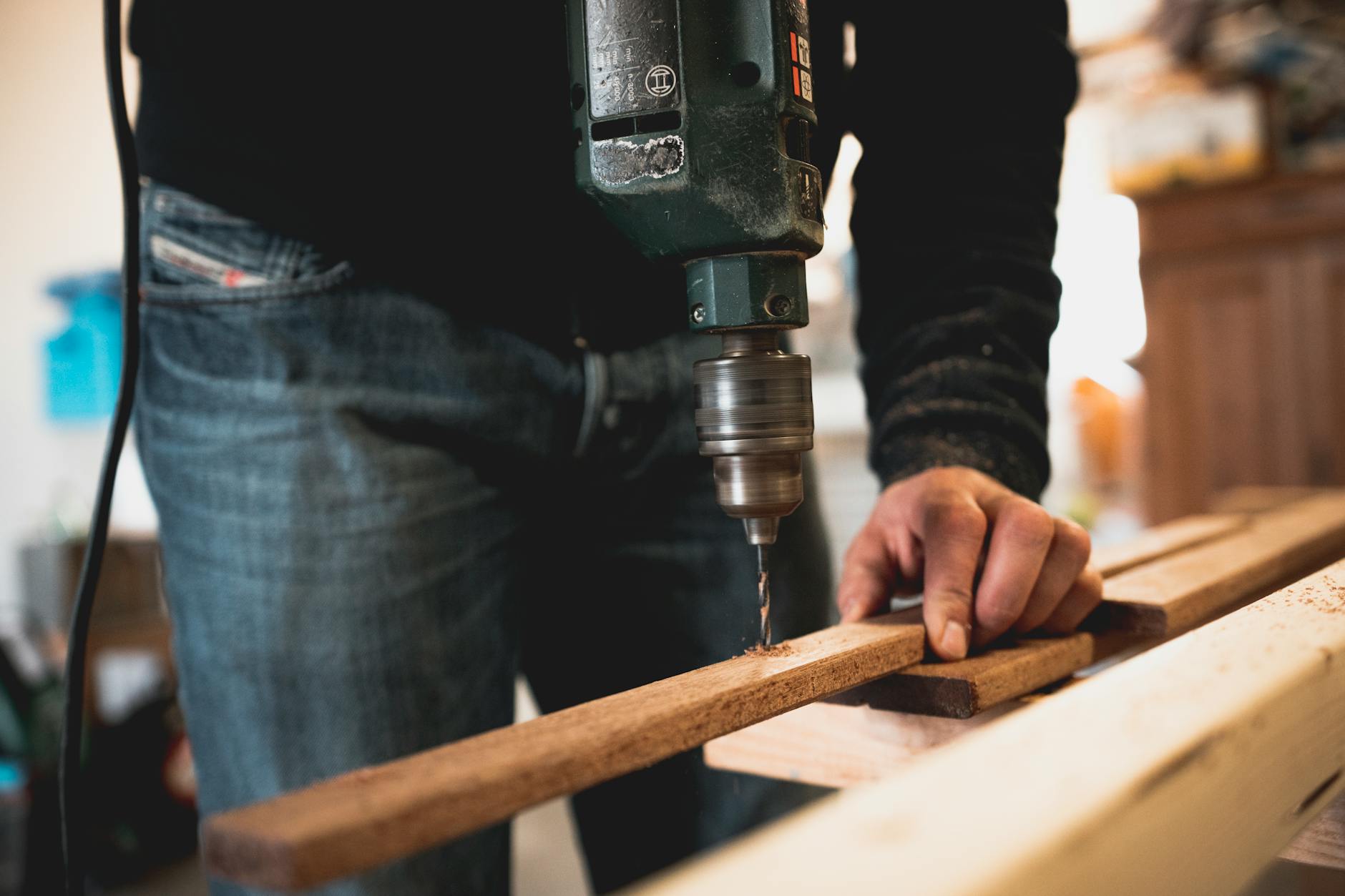
Make Smarter Choices With Evidence, Not Guesswork
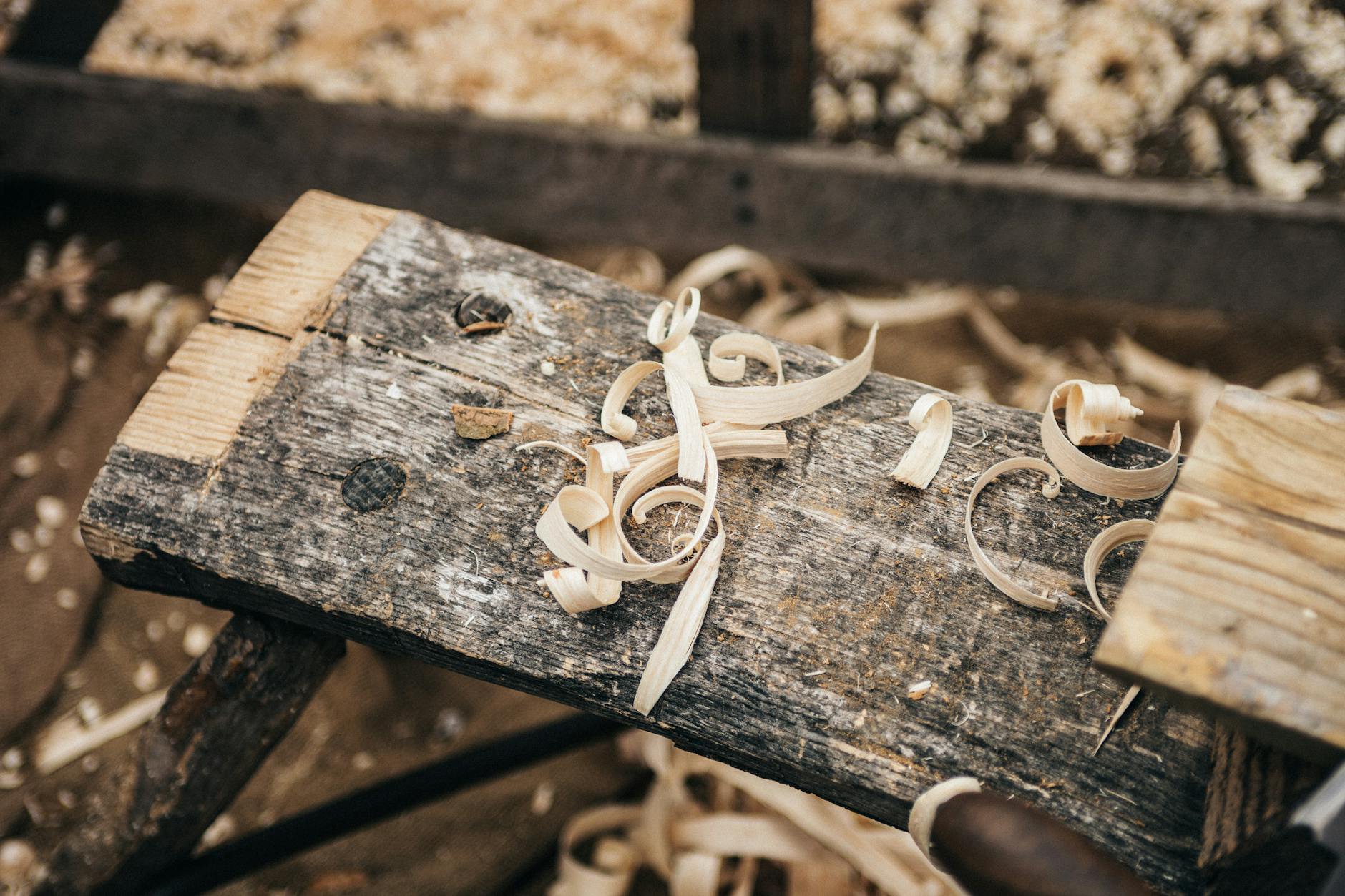
Know Your Species: Strength, Hardness, Movement
Side-by-side species profiles with hardness, density, shrinkage ratios, and working notes. Real shop effects—tear‑out risk, burn tendency, screw-holding. Plus acclimation guidance matched to your climate.
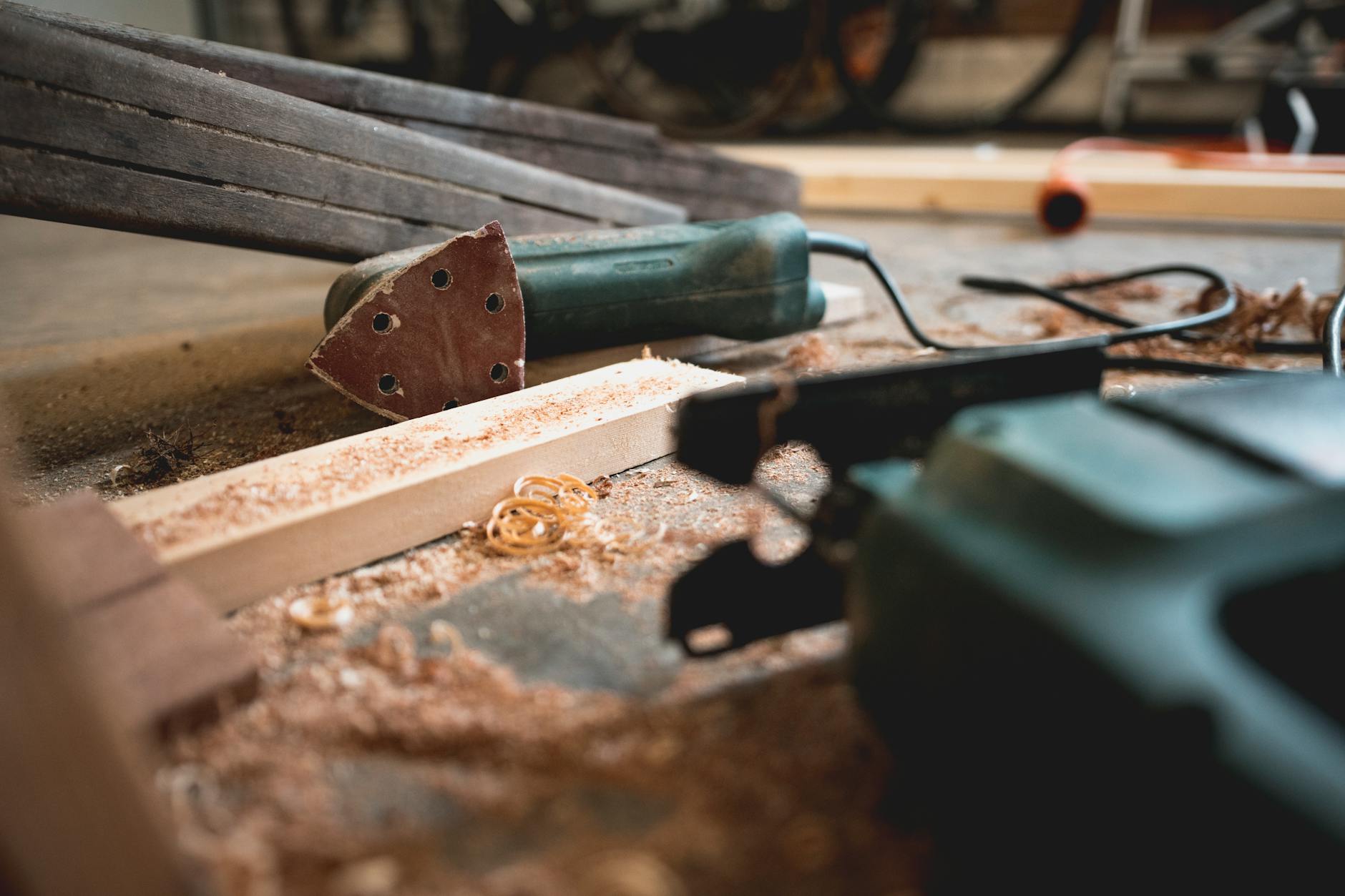
Finishes and Glues, Decoded
Cure-time and bond-strength checks across temperature and humidity. Film build, adhesion, and compatibility—tested. From shellac to 2K poly, from PVA to epoxy: what to use, when, and why.

Moisture Mastery = Fewer Failures
EMC you can use. Meter comparisons, kiln notes, and acclimation checklists. Stop cupping, gapping, and glue-line failure before they start.
Explore Our Latest Guides and Lab Notes
-

Can You Paint Over Polyurethane? A Woodworker’s Guide to Adhesion and Alternatives
Can you paint over polyurethane on wood? Prep, primers, compatible paints, and alternatives like shellac,…
-

What Does Wood Dust Really Do to Your Health? A Wood Science Safety Guide
Health hazards of wood dust; PPE, ventilation, dust collection, housekeeping, exposure limits, hygiene, and safe…
-
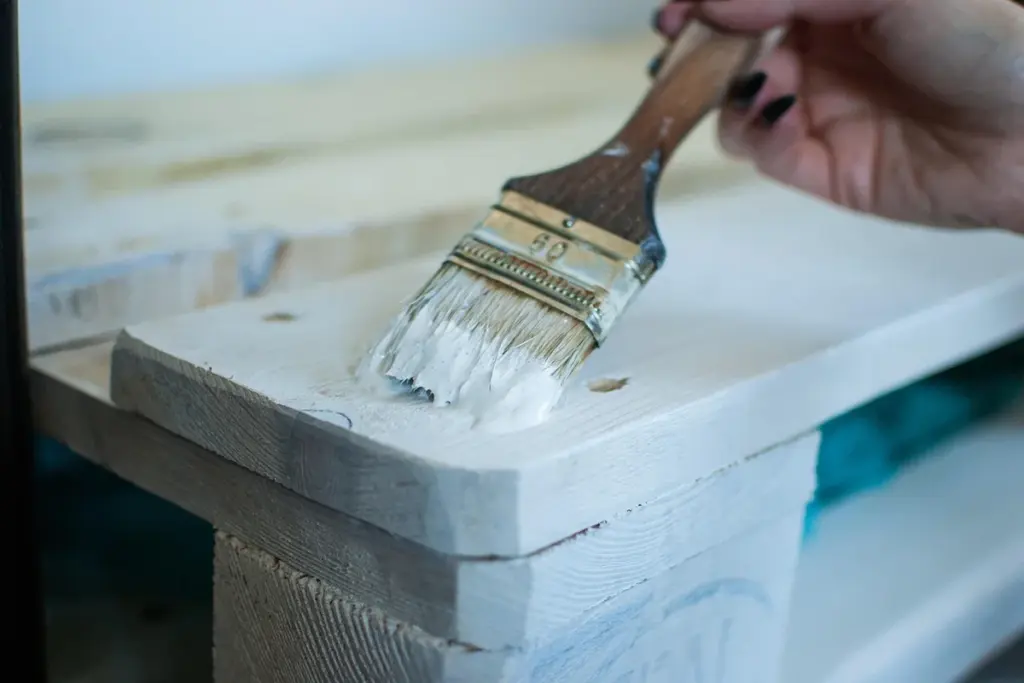
Can You Safely Apply Polyurethane or Lacquer Over Oil-Based Paint on Wood?
Can I topcoat dried oil-based paint on wood with polyurethane or lacquer? Prep, adhesion, compatibility,…
-
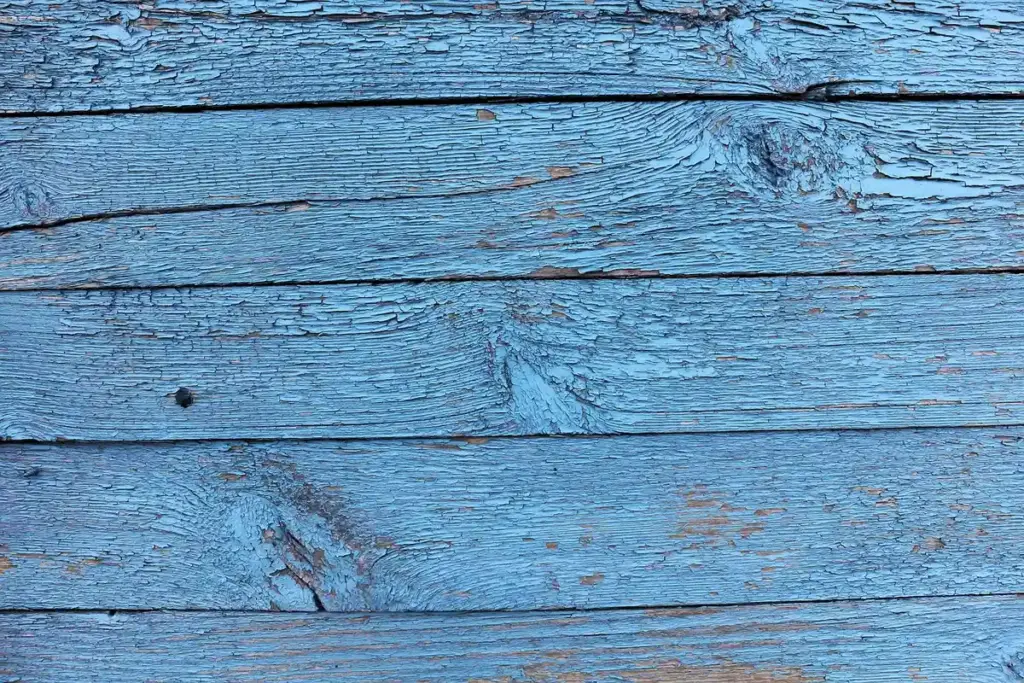
How Does Wood Science Guide Color Matching and Species Pairing in Your Projects?
Tips for matching wood colors, pairing species, and selecting grain, finish, and contrast for cohesive…
-

Can Walnut, Linseed, or Tung Oil Actually Seal and Finish Wood?
Can walnut, linseed, or tung oils seal and finish wood? Compare durability, curing, safety for…
-
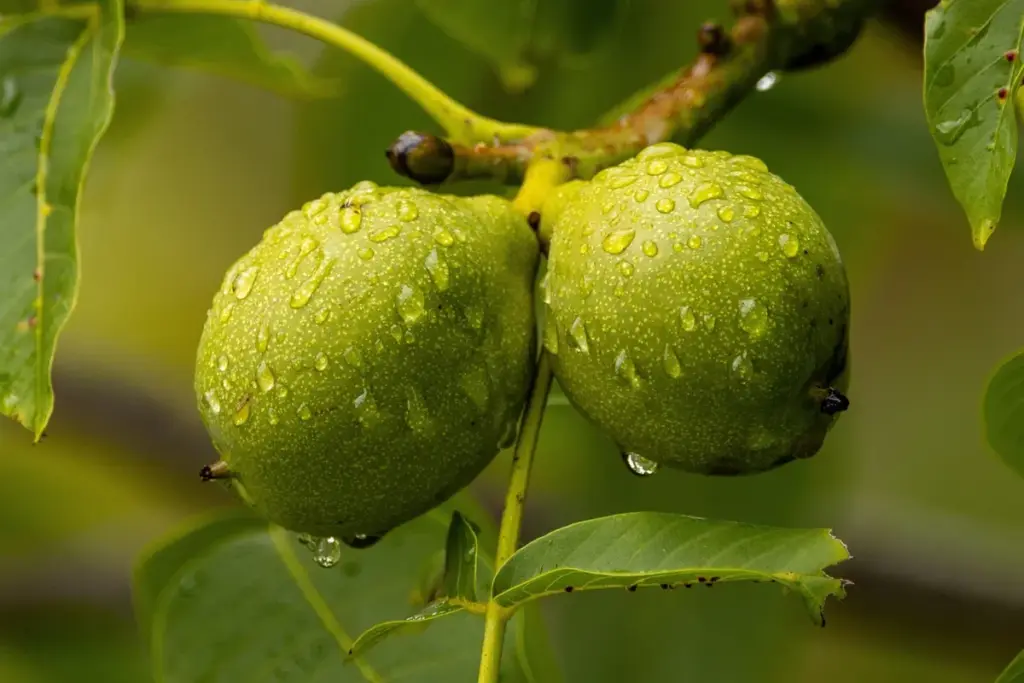
Why Is Walnut So Pricy, and What Makes Exotic Wood Cost So Much?
Why walnut costs more than other domestic woods; drivers of exotic-wood premiums—supply, demand, rarity, processing,…
New to Wood Work Science? Start Here.
Whether you’re building your first bench or your fiftieth cabinet, you’re in the right place. Start with our fundamentals—wood movement, grain selection, finishing systems, adhesive basics—then dive into troubleshooting shaped by reader questions. We update methods, run fresh tests, and revise conclusions as new data appears. Can’t find what you need? Tell us what to test next at woodworkscience.com/contact-us.
-
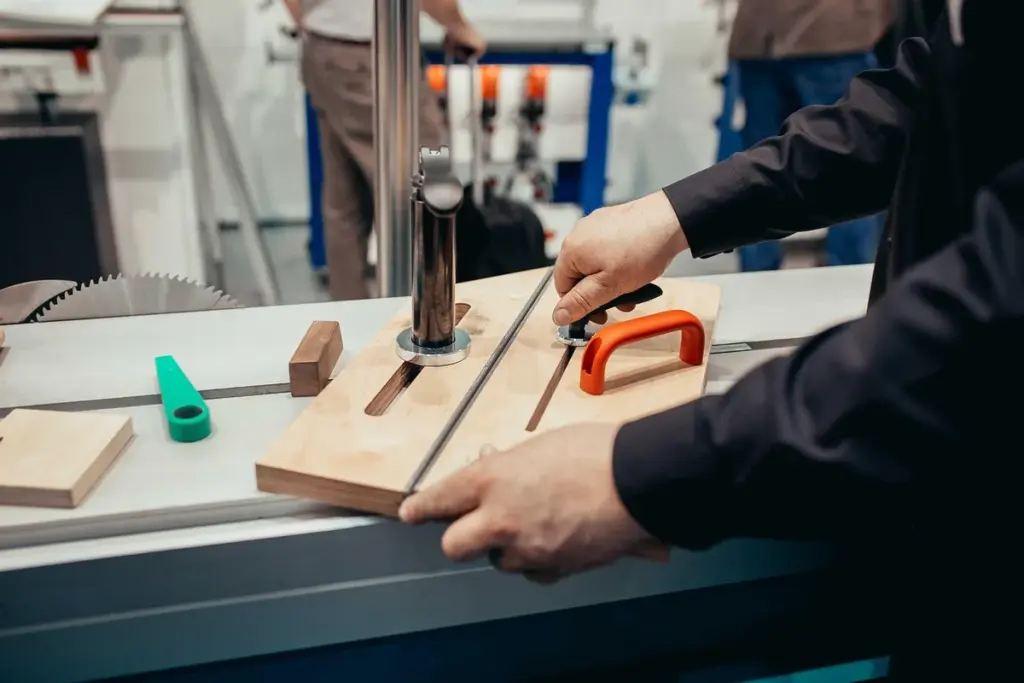
What’s the Correct First Aid for Splinters, Treated Wood Cuts, and Chemical Burns?
Step-by-step first-aid protocols for splinters, cuts from treated wood, and solvent exposure in workshop settings.
-

How Do You Calculate Ventilation CFM for a Woodworking Shop?
Your guide to CFM calculations, filter types, and placement for fume and dust control in…
-

Do Borax, Vinegar, and Salt Actually Preserve Wood Without Damaging It?
Natural wood preservatives: borax, vinegar, salt solutions—efficacy, corrosion risks, and wood-material questions for niche wood…
-
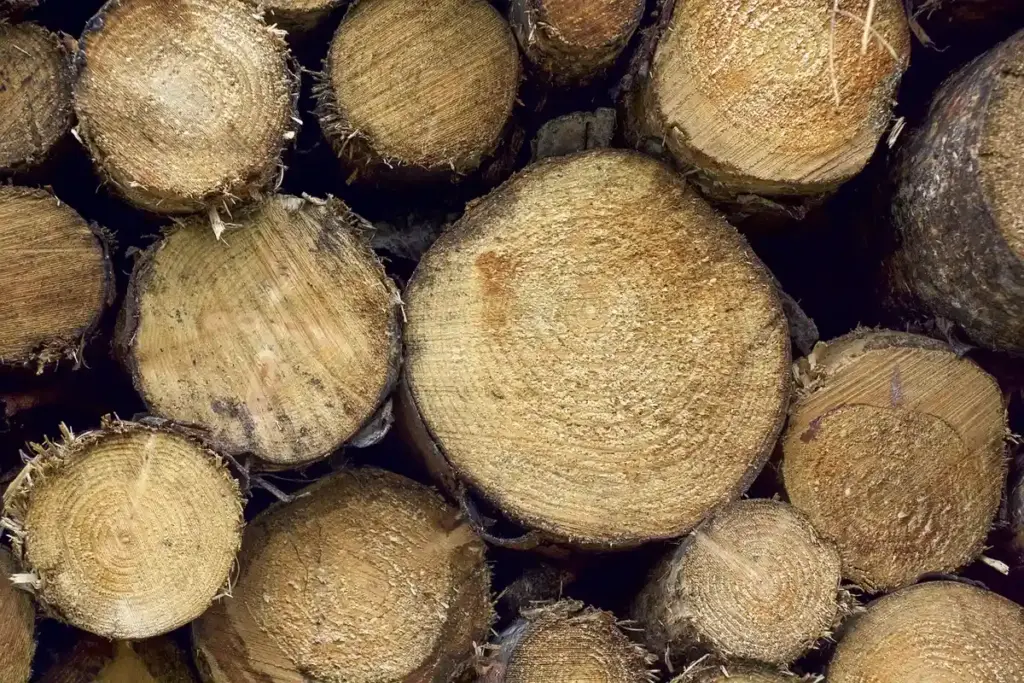
How Do You Store Lumber to Prevent Mold, Insects, and Warping Without Chemicals?
Store lumber safely: prevent mold, insects, and warping with non-chemical methods – ventilation, humidity, racks,…
-
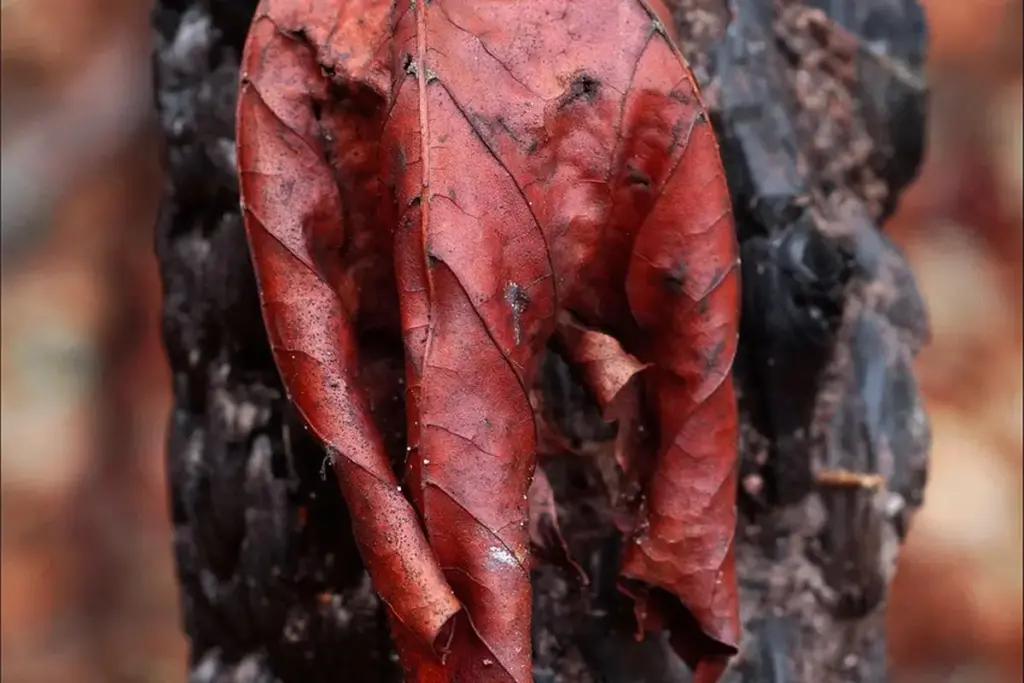
Shou Sugi Ban: Does Charring Wood Actually Protect It From Weather?
Shou Sugi Ban: does charred wood last in modern outdoor use? Durability, rot resistance, preservation,…
-

Is Shellac a Food-Safe Wood Finish? The Science of Ethanol, Bug-Lac, and Alcohol Resistance
Shellac as a food-contact finish: ethanol solvent behavior, Bug-Lac origins, and alcohol resistance for wood…
About Wood Work Science
We’re a small, obsessive team of wood technologists, furniture makers, and millworkers. Decades of combined shop time. Years of lab work. We’ve tuned kilns, logged moisture cycles, pushed joints to failure, and rebuilt them better. Our mission is simple: translate the science of wood into reliable, real‑world guidance you can trust—so your projects survive seasons, travel, and time.
How we earn your trust: we document methods, share numbers, and state limits. Products are selected for relevance—no pay‑for‑placement. When we use affiliate links, they never influence our results and they help fund more testing. Every article is peer‑reviewed by a second editor and checked for clarity and safety. We correct mistakes promptly and timestamp revisions. Questions, corrections, or collaboration ideas? Reach us at woodworkscience.com/contact-us.