
How Do You Fix Scratches and Gouges in Wood Flooring?
You see a new scratch on your floor and worry it’s ruined. I treat every repair as a materials problem, where the right filler and finish can restore the surface.
This guide provides shop-tested methods explained through wood science. We will cover diagnosing damage depth, choosing fillers based on adhesion science, and color-matching finishes for a permanent fix.
My recommendations are based on hands-on testing of adhesives and finishes on actual wood flooring samples in my workshop.
First, Diagnose the Damage: What Are You Really Fixing?
Rushing in with a stain pen is the most common mistake. You must identify the enemy first. Is the finish broken, or is the wood itself wounded? Your repair plan depends entirely on this answer.
Run your fingertip across the mark. Does it feel smooth? That’s a surface scratch, confined to the protective topcoat. Now, try the fingernail test. Drag your fingernail across the damage. If it catches, you have a gouge. The wood fibers have been cut or torn away, creating a void that needs filling. A dent is different; the wood is compressed, not missing.
The type of wood and its original finish are not minor details; they are your blueprint for a successful repair. A repair that works on open-grained red oak will fail on tight-grained maple. A polyurethane touch-up will reject an oil-based filler. Diagnosis saves you from wasting time and making the damage worse.
Is It a Scratch, a Gouge, or a Dent?
Let’s define the terms like a materials scientist. A scratch is a surface mar, a plow line through the finish that may expose the wood color beneath but doesn’t remove wood structure. A gouge is a trench where material has been forcibly removed. A dent is a depression where the wood fibers have been compressed but remain in place.
Each requires a different tactic. Scratches are fixed by recoating the finish. Gouges require a filler to rebuild the missing volume. Dents are interesting. Because the fibers are just crushed, you can often re-expand them with steam and heat, a process that softens the lignin, the natural glue in wood. I keep a clothes steamer and an iron in my shop for this. It doesn’t work on gouges where fibers are gone.
Identifying Your Floor’s Finish
You must know what you’re bonding to. Grab some clean cotton swabs and three solvents: denatured alcohol, mineral spirits, and water. In a hidden spot (like a closet corner), test each one.
- Rub with denatured alcohol. If the finish gets tacky or dissolves, it’s shellac.
- Rub with mineral spirits. If the finish softens slightly and the rag picks up color, it’s likely an oil-based finish (like tung oil or varnish).
- Place a water drop on the surface. If it beads up strongly after several minutes, you probably have a modern polyurethane or a conversion varnish.
Finish compatibility is non-negotiable for a seamless repair. Applying a water-based product over an oil-based one, or vice versa, can lead to poor adhesion, cloudiness, or permanent discoloration. Understanding the difference between oil-based and water-based finishes helps you pick the right option for your repair. Choosing the wrong pairing can undermine adhesion and final appearance. Always test your repair materials in an inconspicuous area first.
Your Floor Repair Lab: The Essential Tools and Solvents
Think of this as your shop requirement list. Using the wrong tool here is like using a chisel as a screwdriver. It might work, but you’ll hate the results.
Start with safety and assessment. You need an N95 mask for dust, safety glasses, and a moisture meter. Checking floor stability with a moisture meter prevents a perfect repair from failing later due to wood movement. Readings should be consistent across the floor.
Your solvent kit is your diagnostic toolbox: denatured alcohol, mineral spirits, and distilled water. Have plenty of lint-free microfiber cloths and a tack cloth for final cleanup.
Abrasives: The Key to Invisible Blending
For scratches, you need to gently abrade the area to create a “tooth” for the new finish to bond. I keep two grits on hand:
- 220-grit sandpaper mounted on a small sanding block for leveling raised grain or feathering edges.
- 400-grit sandpaper or a fine abrasive pad (like a maroon Scotch-Brite) for final smoothing and buffing the repair into the surrounding finish.
Never sand without a block on a floor. Your fingers create pressure points that will dish out the surface, making the repair more visible.
Repair Materials: Build, Color, and Seal
This is your reconstruction crew. For gouges, you need a quality wood filler that accepts stain. For color matching, use stain pens and tinted wax sticks. I prefer artist’s acrylic brushes for applying minute amounts of finish. A flexible putty knife spreads filler without digging.
Buy the best materials you can find for color matching; a cheap, off-color filler is more noticeable than the original gouge. For small dents and shallow scratches, a wax repair stick, melted in and buffed, is often the fastest, most forgiving solution.
The 5-Minute Fix for Light Scratches: Pens and Wax
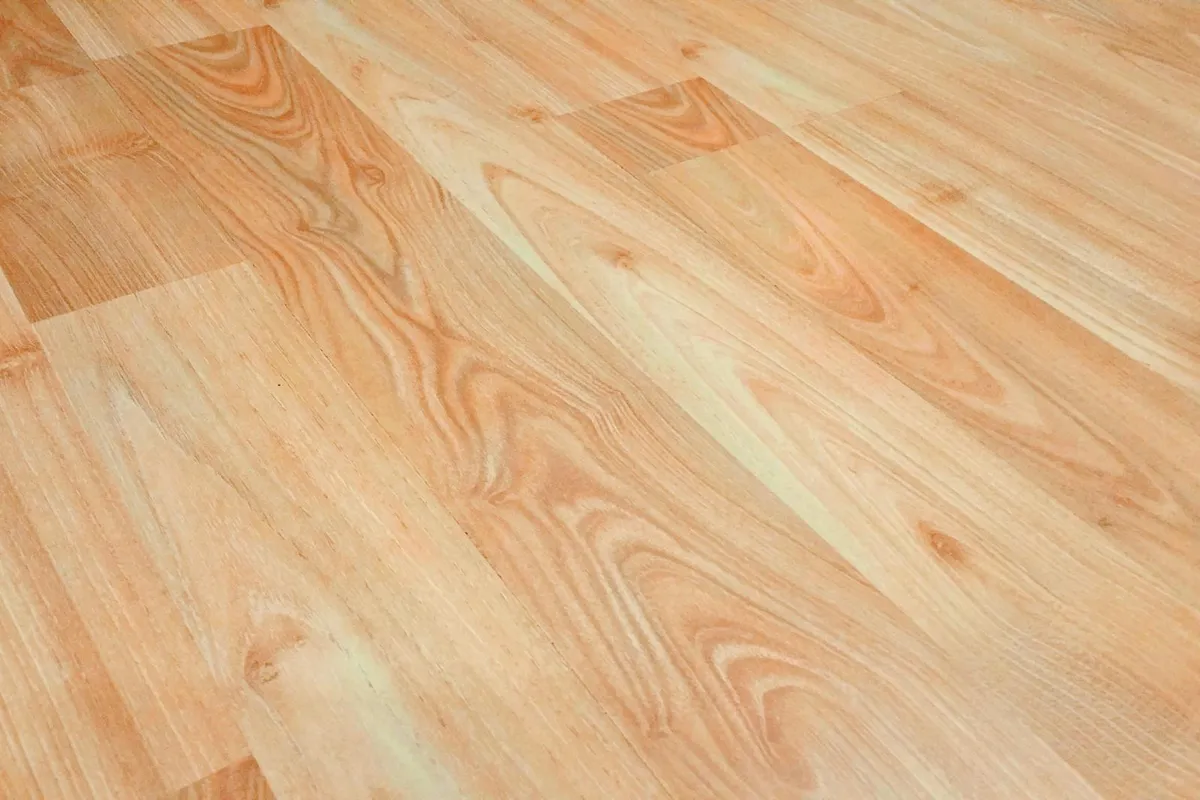
For minor surface scrapes that haven’t broken through the finish, you have two fast options. A floor scratch repair pen is liquid stain in a marker form. A colored floor scratch repair kit with wax sticks is more like a crayon. Pens stain the exposed wood fibers to mask the scratch. Wax sticks fill the physical gap with a colored, moldable compound. Pens work best on unfinished wood or very thin scratches in stained wood. Wax sticks are better for deeper, narrow scratches in finished floors, as they build up material. Your first move with either method should always be to test the color match on a hidden area or a spare floorboard. Lighting can fool your eye, and wood tones vary.
Using a Wood Stain Repair Pen
Clean the scratch with a slightly damp cloth, then dry it completely. Any dirt or wax will block the stain. Shake the pen well. Apply using light, feathering strokes along the length of the scratch, not across it. You want to color the exposed wood fibers without flooding the surrounding finish. Let it dry for two minutes. Buff gently with a clean, dry cloth. The goal is to stain the scratch, not paint the floor. Pressing too hard is a common mistake; it drives stain into the undamaged porous grain around the scratch, creating a dark blotch that’s harder to fix than the original scratch.
Filling with a Colored Wax Stick
Start with a clean, dry surface. Rub the wax stick firmly back and forth directly over the scratch, warming it with friction to help it flow in. You need enough wax to overfill the groove. Take a rigid plastic card (an old gift card works) and scrape it flat across the surface, removing all excess wax from the undamaged finish. Buff the remaining wax in the scratch to a sheen with a clean cloth. This repair is temporary but excellent for rentals or high-traffic areas, as the wax can wear away or be removed with cleaning, allowing for easy re-touching. It fills the void but doesn’t bond to the wood.
How to Fix a Gouge in Wood Flooring: The Filler Method
A gouge is a depression where wood fibers have been compressed or removed. This needs a structural repair. You’ll use wood filler, a paste that hardens in place. For DIY, I recommend a water-based filler. It sands easier and cleans up with water. Solvent-based fillers are harder and may be better for large gaps, but they’re tougher to sand smooth and require mineral spirits for cleanup. The critical thing to know is that wood filler does not accept stain the same way surrounding wood does; it will always look like a patch if you try to stain it after. You must either mix pigment into the filler itself or carefully color the cured patch with a touch-up pen or gel stain to match the finished floor around it.
Step 1: Clean and Key the Surface
Use a vacuum crevice tool to remove all debris from the gouge. Then, take a small piece of 220-grit sandpaper and lightly scuff the *sides* and *bottom* of the gouge. You are not sanding the good floor around it. You are creating microscopic scratches called a “mechanical key” for the filler to grip. Without this step, filler can pop out. Wipe the area meticulously with a tack cloth. Any dust or finish residue left behind will weaken the bond, making your repair prone to failure.
Step 2: Apply the Wood Filler
With a small putty knife, press the filler deep into the gouge. Work it in layers if the hole is deep. You must overfill it slightly, mounding it above the surrounding floor surface. All fillers shrink as their water or solvents evaporate during curing. Use the edge of your putty knife to shape the wet filler to match the floor’s profile-whether it’s flat, beveled, or has a wire-brushed texture. Getting the shape close now dramatically reduces the sanding work you’ll face later.
Step 3: Sand, Level, and Blend
Let the filler cure completely. Refer to your product’s instructions; this can take from 2 to 8 hours. Do not sand early. Once fully hard, use a sanding block wrapped in 220-grit paper. Sand *with the grain* of the wood, focusing only on the high spot of the filler until it is perfectly flush with the floor. Feather the edges of the patch so there is no detectable ridge. Vacuum, then go over the area again with a tack cloth. This final dust removal is non-negotiable before any touch-up coloring or reapplication of a protective finish coat.
Best Practice Workflow: Staining and Sealing the Repair
With the wood filler or replacement piece shaped and sanded, you have a perfect physical patch. Now comes the chemistry. Getting this sequence wrong, including how you stain the wood filler to match the grain, is the most common reason a repair stays visible.
The process is strict: color match first, stain second, seal last. You cannot reverse these steps without starting over. Rushing the stain before the filler is fully cured, or applying finish before the stain is dry, will create a muddy, weak spot that fails. For tiny scratches, an artist’s detail brush (size 0 or 1) gives you surgical control that a regular brush cannot.
Color Matching: It’s Not Just Brown
Your floor isn’t just “brown.” It’s a specific blend of red, yellow, and black pigment suspended in a carrier. To match it, you mix stains like paint. I use small plastic condiment cups from the grocery store for this.
Start with a stain that’s too light. Add drops of a darker, related color. For a red oak floor, you might mix a golden oak base with tiny amounts of a red mahogany and a dark walnut. Stir with a toothpick. Always test your mix on a scrap of the same wood species or the cured filler in an inconspicuous spot.
Apply stain to the repair in whisper-thin layers, letting each dry completely before assessing the color. Wood filler and end grain absorb stain differently than face grain. Multiple thin coats prevent a dark, blotchy patch and let you creep up on the perfect match. If it’s too dark after drying, you must sand it back and start the staining process again.
Applying the Protective Topcoat
The stain provides color but zero protection. You must lock it in with the original finish type, usually a polyurethane or oil-based varnish. A water-based poly over an oil-based stain needs a full 24-hour dry time first.
Use a small, high-quality brush. Apply one extremely thin coat over just the repair and a feather edge into the surrounding floor. Let it dry fully according to the product’s instructions. This first coat will raise the grain of the filler and any raw wood.
Lightly sand this dried first coat with 400-grit sandpaper to knock down the nibs and create a mechanical bond for the next coat. Apply a second thin coat. For high-traffic areas, a third may be needed to build the finish level flush with the old surface. Finally, buff the area with a very fine abrasive pad (white or gray) to blend the sheen with the worn finish around it.
Special Scenarios: Laminate Floors and Pet Damage
The rules change completely when the “wood” is a photograph under plastic. For deep damage from pets, you’re often fixing a combination of physical compression and torn fibers.
Repairing Laminate or Engineered Wood Floor Scratches
You cannot sand most laminate or thin engineered floors. You will sand through the image layer immediately. Repair here is purely cosmetic, using fillers that sit on top of the damage. Clean the scratch with alcohol. Use a putty knife to press a color-matched laminate repair paste into the gap. Wipe away all excess from the surface immediately, as it will stain the wear layer. Let it cure. It will fill the visual void but remains a vulnerable spot.
For minor surface scuffs, specific laminate repair markers can work. They are essentially colored waxes. They wear off with cleaning and traffic, requiring reapplication.
Fixing Dog or Cat Scratches and Dents
For dents (compressed fibers without torn grain), the steam method can work wonders on solid wood. The science is simple: heat and moisture make wood fibers flexible again so they can resume their original shape.
Place a damp, thin cloth over the dent. Set a household iron to a medium steam setting. Gently press the iron onto the cloth for 5-10 seconds. Check the progress. The steam penetrates the finish and swells the crushed cells. This only works on true dents, not scratches where fibers are cut. For scratches left after steaming, follow the filler and stain process. For shallow claw marks, a stain pen applied carefully can often disguise the damage after a thorough cleaning.
When DIY Isn’t Enough: Professional Floor Scratch Repair Services
You can fix a surprising amount with a wax stick and a walnut. But some damage signals it’s time to hire a professional. Calling a pro saves you money and heartache when a DIY attempt makes the problem worse.
Call a professional for any of these three situations: extensive damage, an unknown finish, or a compromised subfloor. “Extensive” means scratches and dents cover over 30% of a room. An “unknown finish” is a common problem in older homes; applying the wrong repair product can cause blotching or adhesion failure. If the floor feels spongy or you hear cracks when walking, the plywood or plank subfloor beneath may be damaged. This is a structural issue, not a cosmetic one.
People often search for “floor scratch repair cost” and “floor scratch repair services” with fear. Costs vary wildly, but understanding the process demystifies it. A full professional service typically follows a clear sequence.
- Assessment & Preparation: The pro identifies the wood species and finish, moves furniture, and isolates the work area.
- Repair Execution: This could be a localized repair, machine sanding the entire floor, or replacing individual boards.
- Finishing: Applying new stain (if needed) and multiple coats of a durable, site-applied finish like polyurethane.
Getting quotes is the most practical step you can take. Get at least three. A serious professional will want to see the floor in person, not quote over the phone. When comparing quotes, look for line-item clarity on repair method, square footage, number of finish coats, and the brand of products used. The cheapest option often uses inferior materials or rushes the job.
Understanding the Cost Factors
Why might one quote be $500 and another $2,000 for the same room? Four main factors drive the price.
- Repair Size & Type: A single gouge repair may have a minimum service fee of $150-$300. A whole-room sand-and-refinish job is priced by the square foot, typically $3-$8.
- Floor Type: A common 2 1/4-inch red oak strip floor is the baseline. Exotic hardwoods (like Brazilian cherry), wide-plank floors, or parquet require more skill and time, increasing cost.
- Need for Staining: A simple screen-and-recoat (abrading the old finish and applying a new topcoat) is less expensive. Adding a stain step, or changing colors, adds labor and material cost.
- Geographic Location: Labor rates in major metropolitan areas are higher than in rural regions. This is a fixed variable you simply need to budget for.
The single biggest cost factor is labor, not materials. A quality professional is paying for years of experience, specialized equipment, and insurance. That expertise is what you’re buying to protect your investment.
What Professional Repair Services Can Do
My shop experiments with filler often end in a visible, cloudy patch. A pro has solutions beyond what’s on a hardware store shelf. For a deep gouge across multiple boards, they might perform a “board splice.” They use a plunge router to cut out a clean, geometric section of the damaged board and glue in a perfectly grained replacement piece. The seam is nearly invisible.
For scratches that cut through stain into raw wood, the best pros employ or consult grain-painting artists. These artisans use artist’s oils and tiny brushes to replicate the complex figure of oak or maple, fooling the eye so the repair disappears. This artisanal touch is what separates a good repair from a great one.
When you talk to a professional, ask two specific questions. First, “What is your dust-containment system?” Modern systems should be HEPA-filtered and seal the workspace from the rest of your home. Second, “What is the warranty on the finish?” A reputable company will offer a 1-5 year warranty against wear and delamination. Their answers tell you how they value their work and your home.
Frequently Asked Questions on Wood Floor Scratch and Damage Repair
How do I choose the right floor scratch repair kit for my wood floor?
Select kits based on damage depth: wax-based kits for shallow scratches in finished floors, and filler-based kits for gouges, ensuring the filler is compatible with your floor’s finish type. Always test color matches on hidden areas, as wood filler and surrounding wood absorb stains differently due to porosity variations.
Can laminate floor scratches be repaired permanently, or is it only cosmetic?
Repairs on laminate are purely cosmetic, as the wear layer is a thin plastic coating over a printed image that cannot be sanded or refinished. Use color-matched paste fillers to mask scratches, but these sit on the surface and will wear away with traffic, requiring reapplication.
What should I expect from professional floor scratch repair services?
Expect a thorough assessment of wood species, finish, and subfloor integrity, followed by techniques like board splicing or grain painting for seamless repairs. Professional services should include HEPA dust containment and offer warranties on finish durability, ensuring long-term adhesion and performance when using polyurethane wood floor finishes.
What is the average cost for professional floor scratch repair, and what factors influence it?
Costs range from $150-$300 for minor gouges to $3-$8 per square foot for full sand-and-refinish jobs. Factors include repair extent, wood species hardness, need for staining, and local labor rates, with labor expertise being the primary cost driver over materials.
How effective are floor scratch repair pens, and when should I use them?
Repair pens are effective for minor surface scratches where only the finish is breached and raw wood is exposed, but not for deep gouges or dents. Use them on unfinished or stained wood, applying with light, grain-parallel strokes to prevent blotching from uneven pigment absorption. Afterward, apply a compatible wood stain, penetration sealer, or topcoat to protect the repair and even out color. This step helps the finish blend with the rest of the wood and resist future wear.
Preserving Your Wood Floor’s Legacy
Always match your repair method to the specific damage, starting with the gentlest approach like a walnut meat rub for shallow scratches before moving to fillers for gouges. I rely on material science, choosing fillers and stains that bond chemically with your floor’s original finish to avoid future failure. Testing every product and technique in an inconspicuous spot first is non-negotiable for a seamless, durable repair. This disciplined process is the single best way to restore both the beauty and the integrity of your wood flooring.
Responsible floor care is a sustainable act, minimizing resource use by preventing premature full replacements. Stay curious about wood properties and finish chemistry, as that knowledge empowers you to maintain any wooden surface ethically and effectively.
Research and Related Sources
- Hardwood Floor Scratch Remover
- r/CleaningTips on Reddit: Kids accidentally scratched our wooden floors. Is there anything I can do to make the damage less visible?
- How To Fix Scratches On A Wood Floor | Direct Wood Flooring
- How to Remove Scratches from Wood Floors | SVB Wood Floors
- How to Get Scratches Out of Wood Floors: 5 DIY Solutions
- Amazon.com: Hardwood Floor Scratch Repair
Written by David Ernst. David is a veteran woodworker. He is now retired and stays in his cabin in Wisconsin which he built himself. David has 25+ years experience working in carpentry and wood shops. He has designed and built many small and large wood projects and knows the science behind wood selection like the back of his hand. He is an expert guide on any questions regarding wood material selection, wood restoration, wood working basics and other types of wood. While his expertise is in woodworking, his knowledge and first hand experience is far from 'woody'.