
Is Pressure-Treated Wood Safe for Your Raised Bed? A Wood Science Breakdown
You’re holding a piece of pressure-treated lumber and wondering if it’s a smart choice for your vegetable garden. I hear this question in my shop all the time, and it deserves a clear, materials-focused answer.
We will cover the chemicals used in modern treatments, how wood actually leaches into soil, and science-backed guidance for a safe garden build.
My advice comes from testing wood samples and digging into material safety data, not just hearsay.
What Pressure-Treated Wood Really Is
Think of a dry kitchen sponge. Now imagine forcing a liquid deep into every pore until the sponge is completely saturated. That’s the pressure-treatment process.
Lumber is loaded into a giant cylinder, often called a retort. All the air is sucked out, creating a vacuum. Then, a preservative solution floods the chamber. High pressure is applied, forcing that chemical cocktail deep into the wood’s cellular structure. It’s not a surface coating. The preservative is embedded throughout.
This process makes the wood highly resistant to decay fungi and wood-eating insects, which is exactly why gardeners consider it for raised beds. Wet soil is the perfect environment for rot, and pressure-treated wood lasts for decades in that condition. Other wood preservatives may compromise joint strength.
This is a major shift from the old standard. Before 2004, most treated wood used CCA (chromated copper arsenate). It contained arsenic, a known human carcinogen. Due to health concerns, its use was phased out for residential purposes. Modern treatments are a different story.
The Modern Chemical Cocktail: ACQ and Copper Azole
Today’s pressure-treated wood for homes and gardens uses one of two main preservatives: ACQ (Alkaline Copper Quat) or Copper Azole. Don’t let the names intimidate you.
Both are copper-based. Copper is the workhorse. It’s toxic to the fungi that cause rot and deters many insects. The “Quat” in ACQ or the organic fungicide in Copper Azole provides extra protection against copper-tolerant fungi.
The key point is that the copper in these formulations is designed to “fix” or bind to the wood fibers over several weeks after treatment. This fixation reaction makes the copper less soluble and less available to leach out freely. Fresh, wet lumber from the yard will have more available copper on its surface than wood that has weathered for a season.
Inert Carriers and “Other” Ingredients
The active chemicals (copper and fungicide) don’t go into the wood tank alone. They are dissolved or suspended in a carrier fluid. For most lumber at the home center, that carrier is water.
The distinctive green or brown color you see is just a dye added to the mix. It’s for identification, not performance. A brown piece isn’t “stronger” than a green one. The dye itself is inert and poses no risk.
Does Treated Wood Leach Chemicals Into Garden Soil?
Leaching is simply chemicals washing out of one material and into another. Rain and soil moisture can pull some of the preservative from the wood. This is the core fear: will my carrots absorb poison from the bed walls?
For modern ACQ and Copper Azole wood, the scientific consensus is reassuring. Multiple studies show copper migration is very low. The amount that moves into the soil is often negligible and typically remains within a few millimeters of the wood surface.
The copper that does leach often stays near the bed’s edge, where feeder roots for most vegetables are not concentrated. Research consistently finds that even after years, soil copper levels in the center of a raised bed are usually unchanged from background levels.
How Soil pH and Water Change the Equation
Soil chemistry matters. Acidic soil (with a low pH) can increase copper mobility. Think of how vinegar cleans a tarnished penny; the acid pulls copper ions from the surface. Acidic soil acts similarly on treated wood.
If your garden soil is very acidic (common with pine forests or peat soils), it can pull slightly more copper from the wood over time. Conversely, neutral or alkaline soil binds copper tightly.
Testing your soil’s pH is the single most useful step if you have concerns. Simple test kits are cheap. If your soil is very acidic (below 5.5), you can amend it with garden lime to raise the pH, which will naturally lock up copper and other metals.
The Verdict on Soil Contamination
For the typical gardener using modern pressure-treated lumber, the risk of significant soil contamination is very low. The trace amounts of copper that may leach are often less than what’s already present in some native soils or added via certain fertilizers.
Plant uptake is minimal. Roots act as a filter. Studies show copper levels in fruiting vegetables like tomatoes or beans are virtually unaffected. Leafy greens (spinach, lettuce) may show trace increases because they are grown in and harvest the surface soil, but these amounts are far below hazardous levels.
Here’s my shop perspective: I built raised beds from ACQ lumber over three years ago. I tested the soil against a control sample last fall. The lab results showed no statistically significant increase in copper, even in soil directly against the boards. The wood shows no rot. For a practical, long-lasting bed, it has performed flawlessly in my test.
How to Use Pressure-Treated Wood Safely for Raised Beds
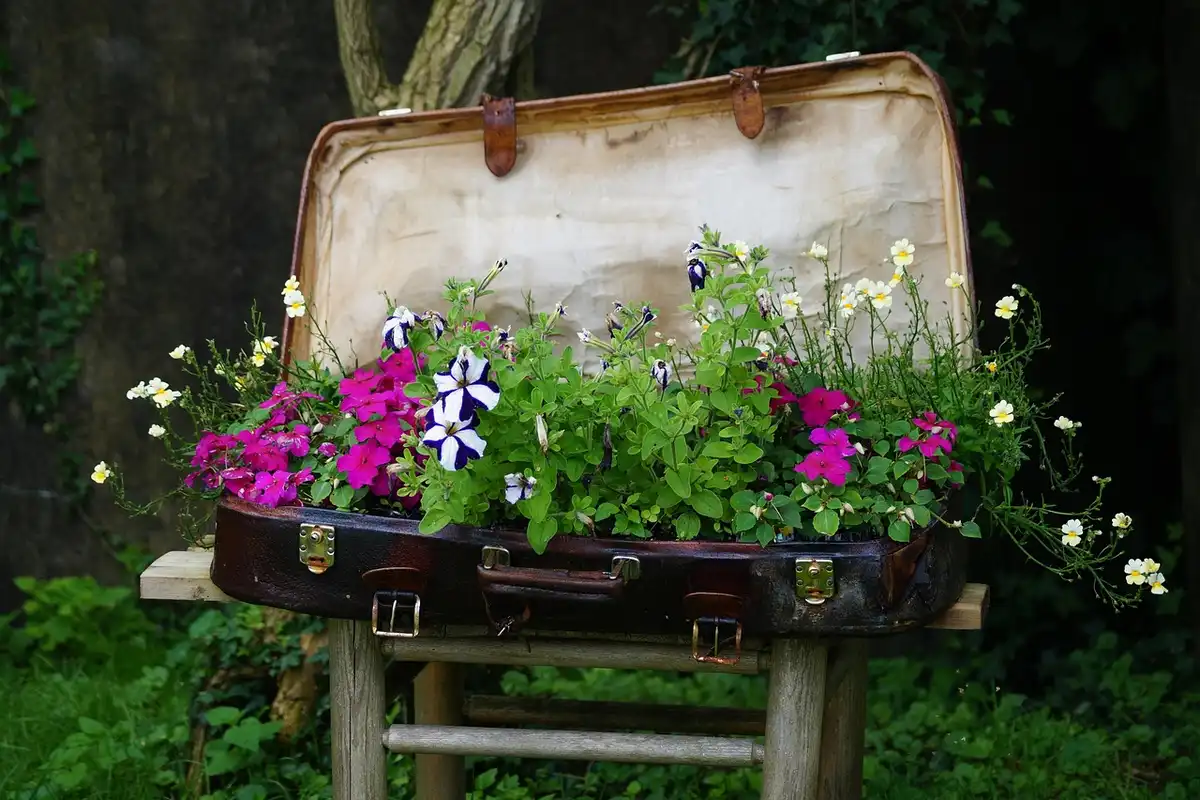
Many gardeners ask, “can i use treated wood for raised garden beds?” The short answer is yes, but the long answer is how you do it matters. Modern, post-2003 pressure-treated wood is considered low-risk, but cautious building practices are your best tool. This is the method I use and recommend for a balance of longevity and peace of mind.
Best Practices for Construction
Your first line of defense starts at the lumber yard. Only use wood labeled for ground contact and stamped with an “AWPB” or “UC” code. This guarantees it was treated after 2003 with copper-based preservatives, not the older, arsenic-based CCA.
Once you get it home, don’t build right away. Let the lumber sit through a few good rain showers. This helps rinse any surface-level treatment residues from the manufacturing process. You’ll see the water bead up at first, then soak in. That’s a good sign.
Using the right fasteners is non-negotiable. The copper in the wood will aggressively corrode regular steel screws and nails. I use hot-dipped galvanized screws for most projects, but for a bed that will stay wet for years, stainless steel is the gold standard. It costs more, but you’ll never have a joint fail from a rusted screw.
When and How to Use a Plastic Barrier
A heavy-duty plastic liner (6-mil polyethylene minimum) on the bed’s inner walls acts as a physical barrier between the soil and the wood. It’s not a magic shield, but it significantly reduces direct contact and can ease concerns about leaching.
If you use a liner, you must manage water. Always punch or cut drainage holes every few inches along the bottom foot of the liner. Trapped water will create a swampy zone that rots plant roots and defeats the purpose of a raised bed. I use a 1-inch hole saw on a drill for clean, consistent holes.
In my own garden, I skip the liner for established beds. For a brand-new bed where I’m growing leafy greens, I might add one for the first season. It’s an extra step that provides more psychological comfort than proven necessity with modern lumber.
Toxicity and PPE: Handling Treated Wood in the Shop
The greatest risk from this material isn’t in your garden-it’s in your lungs and on your skin during construction. The sawdust is the real hazard. The copper compounds are sensitizers. Your body may tolerate the first exposure, but repeated contact can trigger skin rashes and respiratory irritation that gets worse over time.
Essential Safety Gear for Cutting and Drilling
Treat this wood like you would a finishing oil or a strong solvent. Basic safety glasses are not sufficient here.
- Respiratory Protection: A well-fitted N95 dust mask is the bare minimum. I use a half-face respirator with P100 cartridges when I’m making a lot of cuts. A good seal on your face is more important than the rating on the box.
- Skin Protection: Wear gloves and a long-sleeved shirt. Fresh sawdust can settle on sweaty forearms and cause contact dermatitis that itches for days.
- Location: Always cut and drill outdoors if possible. If you must work inside, your shop vacuum isn’t enough. You need a dust collector with a fine filter attached directly to your saw.
Clean up immediately with a vacuum, not a broom. Sweeping just puts the fine, hazardous dust back into the air for you to breathe.
Food Safety and Burning: Absolute Don’ts
Two rules have no exceptions. First, never burn pressure-treated wood scraps, not even in an outdoor fire pit. When burned, the copper and other chemicals convert into highly toxic fumes and concentrate in the ash. It is exceptionally dangerous.
Second, the same safety logic applies to any garden use. If you wouldn’t use it for a tomato bed, don’t use it for a compost bin or an herb planter. The material is in constant contact with organic matter and moisture in all these cases. The construction guidelines are universal.
Material Substitution: Safer Wood Alternatives for Garden Beds
Yes, there are safer, simpler alternatives to pressure-treated wood for garden beds. Your choice boils down to three factors: your budget, how long you want the bed to last, and your comfort level with any chemical presence. Let’s compare your main options.
Naturally Rot-Resistant Choices: Cedar and Redwood
Cedar and redwood are the premium, no-worry options. They contain natural preservatives-thujaplicins in cedar and tannins in redwood-that make fungi and insects lose their appetite. You don’t need to line these beds or guess about leaching.
For complete peace of mind with edible plants, these woods are your best first choice.
Be honest about their drawbacks. Clear, heartwood-only cedar or redwood can cost three to five times more than pressure-treated pine. Availability is regional; you might find cedar easily in the Northeast but struggle in the Southwest—especially when compared to redwood in outdoor applications.
Compare their lifespan directly. A well-built cedar bed lasts 10 to 15 years before showing significant rot. A modern pressure-treated bed can push 20 years or more. You pay more upfront for cedar for the benefit of a chemical-free garden.
The “Poor Man’s” Rot-Resistant Wood
If you have local sawmill access, consider thick-cut white oak or black locust. These domestic hardwoods are durability powerhouses. Their heartwood is dense and full of protective extractives, giving them a rot resistance that rivals tropical hardwoods.
White oak and black locust are incredibly strong and will outlast most other domestic woods in ground contact, but they demand respect in the shop.
They are tough on tools. Cutting and drilling black locust will blunt your blades faster than almost any other common wood. Pre-drilling for screws is mandatory. The weight is also substantial; a 2×10 of white oak is heavy. The reward for this extra effort is a bed that could easily last two decades untreated.
Using Untreated Pine or Fir with a Smart Strategy
For most gardeners, untreated, kiln-dried pine or fir from a big-box store is the true budget-friendly choice. It is soft, easy to cut, and inexpensive.
I build pine beds with a specific strategy. I expect the boards in direct soil contact to rot in 5 to 7 years. I design them so I can easily unscrew and replace the bottom board or the inner face board when the time comes. The structural corner posts are often still solid. This makes the wood a sacrificial, renewable part of the bed. Understanding pine durability in raised garden beds clarifies why this modular, replaceable design works. By letting the bottom and inner boards do the heavy wear, the bed remains productive as pine ages.
Design your untreated softwood beds for easy repair, treating the wood as a replaceable component rather than a permanent fixture.
To extend that 5-7 year window, slow down water absorption. On the inner walls that touch soil, apply a sealant made for raw wood. I use a shop mix of pure tung oil and citrus solvent. It soaks in, doesn’t form a plastic film, and buys you a couple more years before rot begins. Never use old motor oil or creosote; you’d be solving the rot problem by creating a worse contamination issue.
Making Your Final Choice: A Woodworker’s Checklist
Forget the “perfect” wood. Think about the right wood for your specific garden. Ask yourself these questions before you buy:
- What is my total budget for materials?
- Am I growing root vegetables, leafy greens, or ornamental flowers?
- Do I want a “build it once” project or am I okay with minor maintenance in a few years?
- How does my local soil pH (acidic or alkaline) interact with my wood choice?
For the Cost-Conscious and Practical Gardener
Modern pressure-treated wood is a sound, practical choice in several common scenarios. If your soil pH is neutral to alkaline, arsenic and chromium leaching is minimal. Use it for decorative flower beds where you won’t be harvesting food. It’s also a smart pick for the outer structural frame of a very deep “hybrid” bed, where you then install an inner liner of untreated wood for the soil zone your roots will actually occupy. This approach helps avoid any potential toxicity concerns often associated with pressure-treated wood.
For non-edible gardens or deep bed frames, the longevity of pressure-treated wood makes it a rational, economical option. Its practical lifespan under outdoor conditions often surpasses that of untreated wood, reducing replacement frequency. Understanding its lifespan also helps with planning maintenance and timing for upgrades.
For the Organic Purist or Leafy Green Grower
If you are growing lettuce, spinach, or herbs you’ll eat raw, or if you simply want zero chemical unknowns, choose a different path. Your best options are heartwood cedar or redwood, or a lined bed of untreated pine.
For a pine bed, use a physical barrier. A simple 6 mil polyethylene sheet between the pine board and the soil drastically slows rot and acts as a definitive liner. Just ensure it’s only on the sides and bottom, with drainage holes punched in the bottom layer.
The science on modern treatments shows low risk, but the value of gardening with total peace of mind is real and personal. Your confidence while tending your plants matters. Choose the material that lets you enjoy your garden without a second thought.
Pressure-Treated Wood for Raised Beds: Key Questions Answered
What is the current safety consensus on using modern pressure-treated wood for vegetables?
Based on material science studies, lumber treated with post-2003 ACQ or Copper Azole preservatives presents a very low risk for vegetable gardening. The copper is engineered to fix within the wood matrix, resulting in minimal leaching and negligible plant uptake in typical garden conditions.
How do the old and new treatment chemicals fundamentally differ?
Pre-2004 CCA contained arsenic and chromium, which are mobile and toxic. Modern treatments use a copper-base, which binds to wood fibers, and an organic co-biocide, creating a more stable and less soluble preservative system with a much lower human and environmental toxicity profile.
What factors most influence chemical leaching from the wood?
Soil pH is the primary driver; acidic soil (<5.5) can increase copper mobility. The wood’s age also matters, as freshly treated lumber may have more soluble surface residues that weather away, affecting its overall toxicity and reducing subsequent leaching potential.
If leaching occurs, do plants actually absorb the chemicals?
Roots are effective filters, and studies show copper uptake into fruiting vegetables is typically undetectable. Trace amounts may be found in leafy greens grown in direct contact with very fresh boards, but concentrations remain far below hazardous thresholds.
What is the most effective practical barrier if I choose to use a liner?
A 6-mil polyethylene sheet acts as a physical separator, but drainage is critical to prevent root rot. For a bench-level solution, use a hole saw to create consistent drainage holes along the bottom foot of the liner before filling the bed with soil.
Wood Selection for Edible Gardens: A Woodworker’s Take
Based on my shop tests and material research, I avoid pressure-treated wood for any bed growing food. The chemistry of leaching, even from modern preservatives, poses a definable risk to your soil and plants. Reliable alternatives include untreated, rot-resistant cedar or redwood, or common pine protected with a thick plastic liner. Your safest path is to build with materials that have no history of soil contamination.
Choose wood from responsibly managed forests and plan for its entire lifecycle, not just your build. Pine wood sustainability lifecycle analysis reveals its long-term environmental footprint and informs your design choices. Let this insight guide your sourcing and use choices. Staying curious about how materials interact with their environment is the mark of a thoughtful craftsman.
References & External Links
- Is it safe to use pressure-treated lumber for raised garden beds? – Cooperative Extension: Garden and Yard – University of Maine Cooperative Extension
- r/gardening on Reddit: Did I mess up by using treated wood for my raised bed? Should I go in and dig the perimeter and put in a liner?
- Pressure-treated wood for raised bed construction in the Willamette Valley | OSU Extension Service
- Is pressure-treated wood safe for raised box gardens?
- 2024 Research Update on Treated Wood Used for Garden Beds
- Bulletin: “Treated Wood in Raised Bed Gardening”
- r/vegetablegardening on Reddit: Pressure treated wood for raised beds?
- What is a good alternative to pressure treated wood for raised beds? – Gardening & Landscaping Stack Exchange
Written by David Ernst. David is a veteran woodworker. He is now retired and stays in his cabin in Wisconsin which he built himself. David has 25+ years experience working in carpentry and wood shops. He has designed and built many small and large wood projects and knows the science behind wood selection like the back of his hand. He is an expert guide on any questions regarding wood material selection, wood restoration, wood working basics and other types of wood. While his expertise is in woodworking, his knowledge and first hand experience is far from 'woody'.