
How Do You Seal and Protect Teak Wood Outdoors? A Wood Science Guide
You know teak is tough, but even this durable wood needs a shield to stay looking good outside. I test finishes in my shop to find what actually works, not just what the labels promise.
We will cover how teak’s natural oils affect adhesion, selecting a sealant based on performance not marketing, preparing the surface for a lasting bond, and a realistic maintenance plan to avoid constant refinishing.
I base this guide on my own side-by-side tests of sealants and adhesives on teak, backed by materials science principles.
The Teak Truth: Does It Really Need Sealing?
Teak has a reputation for being indestructible outdoors. That reputation is mostly earned. The heartwood is packed with natural oils and silica that make it incredibly resistant to insects, fungus, and rot. So, no, teak does not need a sealer for survival.
That’s the paradox. You apply a finish not to save the wood, but to control how it looks and feels. It’s a choice, not a requirement.
You have two main paths. The first is to keep that initial warm, golden honey color. Unfinished teak left in sun and rain will turn a silvery-gray within 6 to 12 months. This is a surface change, not rot. Many people love this weathered look for its low-maintenance, coastal aesthetic.
The other path is to apply a protective finish. Protection for teak is all about preserving color and managing surface texture, not preventing structural decay. A finish acts like sunscreen for the wood’s original hue, slowing the bleaching effect of UV light. That UV protection helps slow color fading and finish deterioration, keeping the wood looking vibrant longer. It can also help minimize surface checking (small cracks) and keep the wood smoother to the touch, which is a priority for dining tables or seating.
Do you have to treat teak wood? No. Teak will last decades untreated. Should you treat it? That depends entirely on your desired look and willingness for upkeep. A finish requires periodic reapplication; the silver patina does not.
Understanding Your Outdoor Teak: Types and Grain
Not all teak is created equal, and this affects your finishing plan. Most modern outdoor furniture uses plantation teak, harvested from trees grown in managed forests. It’s more sustainable but often has a lower density and slightly lower natural oil content than legendary old-growth Burmese teak. This distinction is crucial when preparing and finishing teak wood for outdoor use.
Plantation teak will still perform excellently outdoors, but it may weather to gray a bit faster and absorb more finish on its first coat than denser old-growth heartwood. I’ve tested both side-by-side. The old-growth feels waxier right off the sander and repels water droplets immediately.
Consider your entire piece. Many teak seating sets incorporate synthetic rope, fabric slings, or cushions. A film-forming finish like a marine varnish can create a stiff, sealed surface that doesn’t play well with flexible textiles. For these sets, a penetrating teak oil is often a better choice as it maintains a more natural, breathable surface where components meet.
Grain direction is your final key. End grain the exposed ends of boards acts like a bundle of straws, soaking up moisture and finish much faster than flat grain. If you oil a piece, the end grain will look darker because it holds more oil. To ensure even protection and color, I always pre-seal end grain with a thin coat of finish, letting it soak in for 15 minutes before wiping it off and treating the whole piece. This simple step prevents blotchy, over-saturated ends and leads to more uniform weathering later.
Getting the Surface Ready: The Foundation of Any Finish

Think of the surface of your teak as the canvas for your finish. A finish will only stick to what’s underneath it. If you seal in dirt, mildew, or old, degraded oil, you are guaranteeing failure. I’ve seen it in my own shop-a perfect coat of sealant peeling off in sheets because we rushed this step.
The goal of cleaning is not just to make it look nice, but to strip the wood back to a raw, receptive state so new protectants can bond properly.
The Deep Clean: Two Proven Methods
You have two reliable paths for this initial clean. The first is a specialized two-part teak cleaner. Part A is typically an acid-based liquid that breaks down surface grime and gray weathered wood fibers. Part B is often a brightener, a mild oxalic acid solution, that neutralizes the first cleaner and restores a warmer, golden color.
The second method is a gentle but effective homemade solution I use for lightly soiled pieces. Mix a tablespoon of mild, phosphate-free dish soap (like Dawn) into a gallon of warm water. Scrub with a soft-bristle brush or non-abrasive pad. This lifts dirt and biological growth without being too harsh on the wood’s natural oils.
Can You Use Bleach on Teak Wood?
You can, but you must be very careful. Household chlorine bleach is a harsh, reactive chemical. It will kill surface mildew and lighten dark stains, but it can also raise the grain, create a blotchy appearance, and damage the lignin that holds wood fibers together.
If you need its power, always dilute it: one part bleach to four parts water. Wear gloves and eye protection. Apply it only to the affected area, scrub gently, and then you must neutralize it. Rinse the wood thoroughly with clean water, then immediately follow with a rinse of white vinegar (one part vinegar to four parts water) to stop the bleaching action. Let it dry completely. I consider bleach a last-resort spot treatment, not a primary cleaner for the whole piece.
Can Teak Wood Be Sanded?
Absolutely, and for a new finish, it’s often necessary. Sanding does two critical things: it removes the thin layer of degraded surface wood, and it opens the microscopic pores so sealants can penetrate. Teak’s high silica content can dull sandpaper quickly, so use sharp, fresh paper and don’t press too hard.
Here is my workshop-tested sanding protocol:
- Start with 80-grit sandpaper to remove any remaining gray surface fibers and level the wood. Sand with the grain until you see uniform, fresh wood.
- Move to 120-grit to remove the scratches from the 80-grit. This is your workhorse grit for surface preparation.
- Finish with 180-grit. This creates a smooth surface for the finish to adhere to without being so fine that it polishes the pores shut. For an outdoor piece, stopping at 180-grit is perfect; going finer can actually reduce finish adhesion.
Always use a sanding block for flat surfaces to avoid creating dips. Vacuum the dust, then wipe the piece down with a tack cloth or a lint-free rag dampened with mineral spirits to pick up every bit of sanding residue before applying any finish.
Special Advice for Coastal Areas (Like Auburn, WA, Kent, WA)
Salt air and constant moisture near the Puget Sound are a different beast. Salt is hygroscopic-it attracts and holds moisture from the air against the wood. This creates a perpetual damp film that accelerates mildew growth and can interfere with finish curing.
My process for coastal teak adds one critical step. After the final rinse during cleaning, and after sanding, I do a “salt rinse.” Mix a quarter-cup of white vinegar into a gallon of warm water. Wipe down the entire piece. The mild acidity helps neutralize any salt residues. Let it dry for at least 48 hours in a covered, well-ventilated space like a garage before finishing. This extra day of drying is non-negotiable near the coast; applying a finish to wood holding salt moisture is a recipe for premature coating failure.
Choosing Your Defense: Oils, Sealers, and Varnishes Compared
Think of outdoor finishes like different types of raincoats. Some soak into the fabric, some create a slick shell on top. Teak is durable on its own, but a finish preserves its color and looks. Your three main choices are oils, sealers, and varnishes.
| Finish Type | How It Works | Best For | Trade-Off |
| Teak Oil | Penetrates and saturates the wood fibers. | A natural, low-sheen look; easy maintenance. | Requires reapplication 1-2 times per year. |
| Penetrating Sealer | Sinks in and repels water from within. | Protecting without changing the texture; minimal film. | Less UV protection; can wear away unevenly. |
| Varnish/Spar Urethane | Builds a protective film on the surface. | Maximum water beading and UV blocking. | Can peel if not prepped perfectly; more labor to repair. |
The right choice depends on how much upkeep you want and the look you prefer.
Teak Oil: Enhancing, Not Encasing
First, a shop truth: most “teak oil” from the store isn’t just oil. It’s a blended cocktail of linseed or tung oil, a sealant like alkyd resin, and UV inhibitors. The oils soak in to nourish, while the resin component hardens slightly within the wood’s top layer. This blend gives you more protection than pure oil, but it does not build a thick, plastic-like shell like some natural oils for teak wood would.
Application is simple but specific. Flood the surface liberally with a brush or rag, let it soak for 15-20 minutes, then wipe off every bit of excess. If you leave it puddled, it will dry sticky and attract dirt. An oily rag can spontaneously combust, so lay it flat to dry outside or store it in a sealed metal container.
Does it darken the wood? Yes, initially. It brings out a rich, warm honey-brown color. This will fade back to silver-gray under the sun unless you reapply. This leads to the big question: can you varnish teak wood over teak oil? You can, but you must prepare. Any uncured oil will ruin the varnish bond. After an oil coat, I wait a full week, then scrub the surface with mineral spirits and a gray abrasive pad, let that dry, and then sand with 220-grit. It’s extra work, so decide your final finish path early.
Film-Forming Finishes: Varnishes and Sealers
This is where terminology matters. A “sealer” in this category is usually a thin, penetrating product. It sinks in to block water but leaves almost no surface film. A varnish or spar urethane is designed to layer on top of itself, creating a distinct, glossy or satin coat that water beads up on.
The trade-off is a classic one: superior protection versus higher maintenance. A good marine spar varnish with UV blockers is the best defense against graying and water damage. But that hard film expands and contracts differently than the wood underneath. If moisture gets behind it through a tiny crack, the film will peel. Repair means stripping and refinishing large sections.
Can you seal teak wood? Absolutely, but know what you’re asking for. Using a penetrating sealer is a valid choice for a more natural feel. It will not peel, but it also won’t bead water dramatically. It slowly erodes, requiring a simple cleaning and recoating. For decks and furniture that get heavy, wet use, I lean towards a true varnish for its unbeatable surface shield.
The Best Practice Workflow for Applying a Finish
Success is all in the prep. This protocol works for any chemical finish on teak.
- Clean and Dry: The wood must be bare, dry, and free of mildew. Use a dedicated teak cleaner and a stiff brush. Rinse thoroughly. Let it dry completely, for at least 48 hours of sunny weather.
- Sand: Sand with 150-grit paper along the grain to open the pores. Remove all dust with a tack cloth or compressed air.
- Environment & PPE: Work in 60-80°F (15-27°C) shade. High humidity causes blushing (a white haze) in varnishes. Wear nitrile gloves and safety glasses. Ensure ventilation.
- Apply First Coat: For oils and sealers, flood and wipe off. For varnish, use a high-quality brush. Apply along the grain in thin, even coats. Aim for a wet film thickness of about 3-5 mils, roughly the thickness of a sheet of paper. Check the product label.
- Inter-Coat Sanding (Critical for Varnish): Let the coat dry as long as the label directs, often 4-6 hours. Lightly sand the entire surface with 220-grit paper. This creates “tooth” for the next coat to grip. Remove all sanding dust.
- Apply Subsequent Coats: Repeat steps 4 and 5. Three coats is a minimum for varnish; two is often enough for oil/sealer.
Skipping inter-coat sanding is the most common reason varnish peels off in sheets later. Each layer must mechanically lock into the previous one. Take your time here. The final coat should be applied perfectly, with no sanding afterward.
The Science Behind Teak’s Weather Resistance
Teak doesn’t just survive outdoors. It thrives there. Its legendary durability isn’t magic. It’s a precise chemical defense system built into every cell.
The Three-Part Defense System
Think of a teak cell like a tiny, fortified vault. Three key materials provide its protection.
- Silica: Teak contains hard, mineral-like silica (up to 1.4% of its dry weight). This acts like microscopic bits of sandpaper embedded in the wood. It’s why teak dulls cutting tools faster than oak or maple. For the tree, it’s a powerful abrasion deterrent against insects and weather.
- Natural Rubber (Caoutchouc): This hydrophobic substance fills cell cavities. It repels liquid water forcefully. You can see this in action: water beads up on fresh teak almost like on a waxed car.
- Hydrophobic Oils (Tectoquinones): These are the star players. These oily compounds saturate the cell walls themselves. They make the wood water-repellent, not just water-resistant. They drastically slow the wood’s ability to absorb atmospheric moisture, which is the primary cause of swelling, shrinking, and checking.
This combination means water has a very hard time penetrating teak’s structure, and fungi that cause rot find little moisture to live on.
Why Teak Turns Silver: It’s Not Rot, It’s Sunburn
The beautiful brown color of new teak comes from lignin, the natural polymer that acts as “glue” holding wood fibers together. Unlike other woods that get their color from tannins or oxidation, it is lignin that gives teak its initial hue. Ultraviolet (UV) radiation from sunlight breaks down this lignin at the surface.
This process is called photodegradation. The broken-down lignin washes away with rain, leaving behind the gray cellulose fibers. This silvery patina is not a sign of damage to the wood’s structure. The wood beneath the thin gray layer is still fully protected by its natural oils.
The silver-gray color is purely a surface aesthetic change. The wood’s structural integrity and weather resistance remain excellent. Any finish you apply is primarily fighting this UV effect to preserve the brown color.
How Finishes Work With (or Against) Teak
Outdoor finishes fall into two camps, and they protect in fundamentally different ways. Your choice dictates your maintenance routine.
- Penetrating Oils (Teak Oil, Tung Oil, “Danish” Oil): These are thin finishes designed to soak in. They work by displacing air and moisture in the surface cells and, to a limited degree, replenishing the look of teak’s own fading oils. They do not build a surface film. Water will still bead initially, but protection comes from the water-repellent barrier inside the wood. They fail by slowly evaporating or being washed out, requiring reapplication often (sometimes yearly).
- Film-Formers (Spar Urethane, Epoxy, Varnish): These finishes create a continuous plastic-like layer on top of the wood. This film acts as a sacrificial shield, blocking UV rays and preventing water contact entirely. They offer superior UV and water protection but fail by cracking, peeling, or chipping as the wood moves underneath them. Repair requires complete stripping, which is labor-intensive.
Here’s the practical truth I’ve learned in the shop. On teak, a film-forming finish is a high-maintenance commitment. The wood’s natural movement with humidity changes will eventually crack any rigid film. A penetrating oil is lower maintenance but changes the game. You are no longer preserving the wood-teak does that itself-you are maintaining a specific color. If you like the silver patina, you need no finish at all. Just clean it annually.
Gluing the Unglueable? How to Bond Teak
Can you glue teak wood? Yes, but you’re fighting its natural defense system. Teak contains silica and dense, oily resins that repel water and pests. This is great for outdoor longevity but terrible for creating a strong glue bond. The oils prevent most wood glues from penetrating and creating a mechanical lock with the wood fibers.
You must choose an adhesive designed to either displace these oils or cure in their presence. Not all glues are equal for this task.
Choosing the Right Adhesive: A Shop Comparison
- Epoxy (Best for Structural Integrity): This is my first choice for any joint that bears weight or stress. Epoxy is a gap-filling, two-part adhesive that cures through a chemical reaction, not water evaporation. It isn’t repelled by the oils. Use a slower-setting formulation for complex assemblies, as it gives you more working time. For a table leg joint or a repaired chair rung, nothing beats a properly prepared epoxy bond.
- Waterproof PVA (Like Titebond III) (Good for Non-Structural & Panels): These “yellow” glues can work if you meticulously prepare the surface. They create a strong bond by penetrating slightly and forming plastic polymer chains. In my tests, they hold for picture frames or panel glue-ups but can be less reliable for high-stress outdoor joints over many years. Think of it for bonding a teak tabletop, not the legs that support it.
- Polyurethane Glue (The Expandable Option): Glues like Gorilla Glue cure by reacting with moisture and expand as they foam. This expansion can help fill minor gaps. However, the foam is not as strong as solid epoxy, and the expansion can be messy. It requires dampening the wood, which conflicts with the goal of removing surface oil. I use it less often for teak.
The Non-Negotiable Bonding Protocol
Skip these steps, and your joint will fail. I’ve learned this the hard way.
- Solvent Wiping: Immediately before gluing, wipe all bonding surfaces with acetone or denatured alcohol on a clean, lint-free rag. This dissolves and lifts the surface oils. You will see the rag turn yellow. Let the solvent fully evaporate (about 60 seconds).
- Aggressive Sanding: Sand the joint areas with 80 or 100-grit sandpaper. This does two things: it roughs up the surface for better mechanical grip, and it exposes fresh, slightly less oily wood fibers just below the surface. Vacuum or blow off all dust.
- Glue Application & Assembly: Mix your epoxy according to the manufacturer’s ratios, or apply your PVA glue evenly. Assemble the joint promptly.
A real-shop tip: Use wax paper and popsicle sticks for epoxy cleanup. If you’re dealing with glue residue on wood after a project, this approach helps you tackle it too. For stubborn glue residue on wood, follow the same scrape-and-wipe steps. Clamp firmly enough to squeeze out a small bead of glue, but don’t crush the wood fibers. That squeezed-out epoxy? Scrape off the bulk with a stick, then a final wipe with a rag and a bit of vinegar cleans up the residue before it fully cures.
Keeping It Beautiful: A Realistic Maintenance Schedule
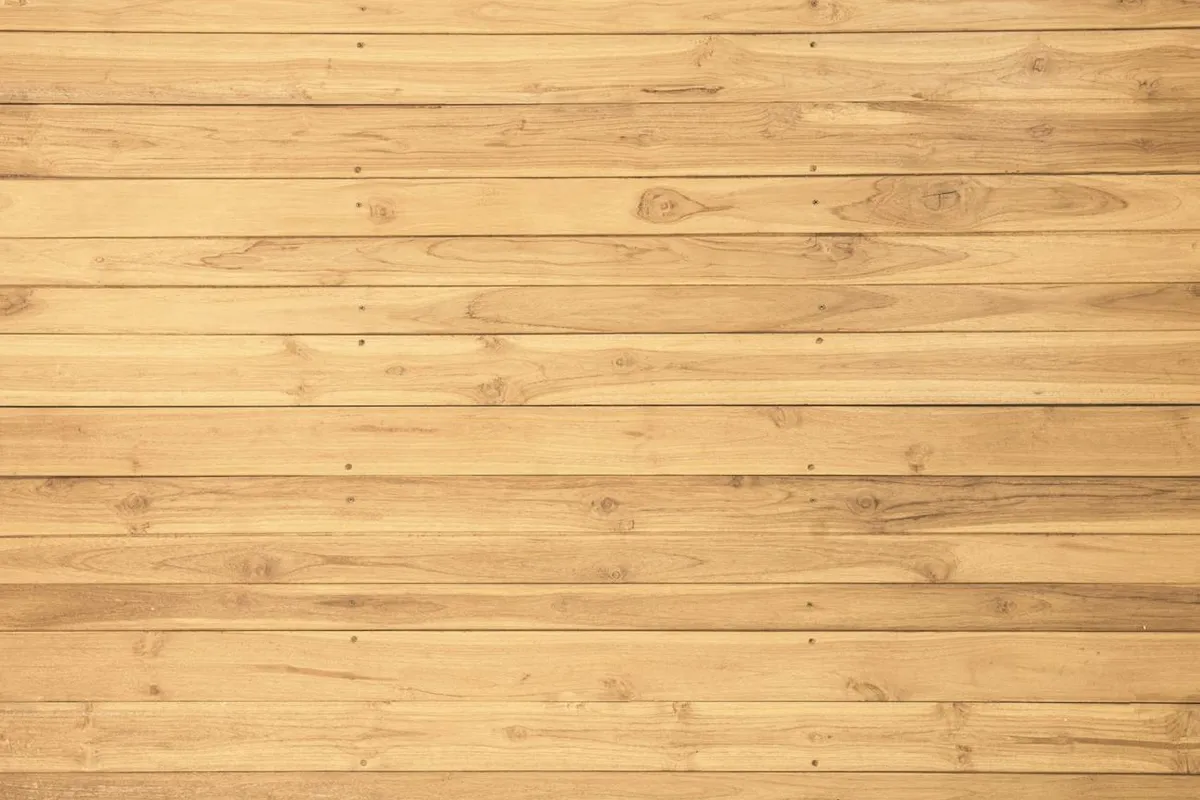
Your maintenance routine depends entirely on the finish you chose. Fighting nature requires work, while embracing it is simple.
- For Oiled Teak (Annual/Biannual): Once or twice a year, clean with a mild teak cleaner and a soft brush. Let it dry completely for 24-48 hours. Apply a fresh, thin coat of a high-quality teak oil or sealant. The goal is to replenish what the sun and rain have broken down.
- For Film-Forming Finishes (Varnish, Spar Urethane) (Annual Inspection): Before each season, inspect for any cracks, chips, or whitening (which signals moisture underneath). Lightly sand any small damaged areas and spot-recoat. A full refinish is typically needed every 2-4 years.
- For the Natural Silver Patina (Minimal): Simply wash with a mild soap solution annually to remove dirt and mildew. That’s it.
Restoring the Golden Color
Can you lighten or bleach teak wood? Yes. Gray wood is just weathered surface fibers. To restore the color, you must remove this layer.
Use a dedicated two-part teak cleaner (an acid and a brightener). The cleaner removes grime and the gray patina. The brightener neutralizes the acid and brings back the warm tone. This process does not “bleach” the wood lighter than its original color; it simply returns it to its un-weathered state, unlike oxalic acid bleaching which can lighten wood. Always follow the product instructions and wear protection.
How Do You Make My Teak Wood Shiny Again?
Shine comes from a film-forming finish like varnish. If your oiled teak looks dull, it needs cleaning and re-oiling. If a varnished piece has lost its shine, the finish is failing. You cannot buff it back. You must fully sand or strip the old, degraded finish and apply a new one. This is the commitment required for a glossy look outdoors.
Can you restain teak wood? Technically yes, but it’s uncommon and not recommended for outdoor pieces. The natural oils prevent even stain penetration, leading to blotchy results. Teak’s own color is a major reason people choose it, so staining is usually counterproductive.
Troubleshooting Common Teak Outdoor Problems
| Problem | Likely Cause | Action |
|---|---|---|
| Black Mildew Stains | Organic growth in damp, shaded areas. Not rot. | Scrub with teak cleaner or a dilute bleach solution (1 part bleach to 4 parts water). Improve airflow. |
| Peeling or Flaking Varnish | Moisture penetrated the film, UV broke down the finish. | Full strip/sand to bare wood. Let dry thoroughly. Reapply finish, ensuring complete coverage on end grain. |
| Dried-Out, Rough Gray Wood | Natural weathering. Surface fibers are degraded. | Clean with a teak cleaner system. Sand lightly with 120-grit to smooth. Then oil or leave to re-gray. |
| Glue Joint Failure | Inadequate surface prep (oils not removed) or wrong adhesive. | Disassemble, scrape off old glue. Re-glue using the full solvent-wipe and sand protocol with epoxy. |
| Oily or Sticky Surface | Too much oil applied, or oil applied over dirt/damaged finish. | Wipe off excess with rag and mineral spirits. Let dry for a week. Future coats must be thin and applied only to clean, dry wood. |
Many of these problems stem from trying to maintain a finish that doesn’t want to be there. A glue joint failed because we didn’t respect the oil. Varnish peels because it can’t flex and breathe like wood. This is why I often recommend the simplest solution: let your teak weather to its silvery-gray patina. It is stable, low-maintenance, and genuinely beautiful in its own right. It’s not a failure; it’s teak being teak.
Keeping It Beautiful: A Realistic Maintenance Schedule
Your maintenance routine depends entirely on the finish you chose. The goal is to protect the finish, not just the wood underneath. I treat my own teak patio bench this way.
Annual or Biannual? It’s About Inspection
Don’t just mark your calendar. Check your teak every six months. Run your hand over the surface. Is it still smooth? Does water still bead up? Your finish will tell you what it needs.
For an oiled finish, you’ll likely need to reapply a coat annually. Look for dry, faded patches; that’s the wood telling you its protective oil layer has worn thin. For a film-forming finish like spar urethane, your job is cleaning. A bi-annual wash with mild soap and water prevents dirt from grinding into the film and clouding it.
How to Clean and Restore Weathered Teak
New teak is a warm golden brown. Left unfinished outdoors, it weathers to a silvery gray. That’s not damage. It’s a stable patina many people love. But if you want that golden color back, you need to clean it.
Can you lighten teak wood? Absolutely. The gray is surface dirt and degraded wood fibers, not a stain deep in the wood. Bleach is a common but harsh tool. I recommend a two-step cleaner first.
- Use a specialized teak cleaner or a mix of mild dish soap, warm water, and a soft-bristle brush. Scrub with the grain.
- For stubborn gray, use a “teak brightener.” This is usually a mild oxalic acid solution. It neutralizes any remaining tannins and lifts the last of the gray, restoring the original color. Rinse thoroughly.
True wood bleach (a two-part sodium hydroxide and hydrogen peroxide solution) is for severe stains or if you plan to apply a new, even stain. It’s aggressive and can raise the grain, requiring more sanding afterward. Chemical bleach won’t always remove stains for a flawless finish.
How Do You Make My Teak Wood Shiny Again?
You’re asking about gloss. That shine comes from a smooth, intact film finish. Weathering, UV light, and physical wear degrade that film.
To get a glossy surface back, you must completely remove the old, failing finish and start fresh. There’s no shortcut. Sand the piece thoroughly, progressing through grits (start at 120, finish at 180 or 220). Wipe away all dust with a tack cloth. Then, apply your chosen film finish (like a high-quality spar urethane) in multiple thin coats, sanding lightly between coats for a glass-smooth result.
Can You Restain Teak Wood? The Uncommon Choice
You can, but it’s rarely the best path. Teak’s tight grain and natural oils make it resistant to absorbing pigment stains. The result is often blotchy and superficial. Furthermore, a stain provides no protection on its own.
Most woodworkers avoid staining teak because its natural color and grain are the main attractions. If you must change the color, use a tinted exterior-grade oil or a “toner” topcoat. These add subtle color while still allowing the wood’s character to show, and they offer built-in protection. A solid-color opaque stain is a last resort that completely hides the wood, which defeats the purpose of using teak for its aesthetics.
Troubleshooting Common Teak Outdoor Problems
Even with teak’s legendary durability, outdoor conditions will test any finish or joint. The trick is diagnosing the real cause so your fix lasts. Here’s a breakdown of common issues from my finish testing protocols.
A Quick-Reference Guide to Teak Troubles
| Problem | Likely Cause | Action |
| Black mildew stains or greenish tint | Organic growth feeding on surface dirt or trapped moisture, not the wood itself. | Scrub with a dedicated teak cleaner or a mild solution of oxalic acid. Rinse thoroughly. Increase airflow around the piece. |
| Peeling varnish or film-forming finish | Moisture vapor pushing through the wood from behind, breaking the bond. Teak’s oils can also prevent proper adhesion. | Strip entirely with a quality finish remover and a scraper. Do not just sand and recoat. Consider switching to a penetrating oil or leaving bare. |
| Dried-out, overly gray, or rough wood | Ultraviolet light and rain have degraded the surface lignin, leaving bare cellulose fibers. | Sand with 120-grit to reveal fresh wood. Apply a teak oil or sealant immediately after sanding to reintroduce moisture protection. |
| Glue joint failure | Natural teak oils contaminated the joint, or the glue was not flexible enough for wood movement. | Clean mating surfaces with acetone right before gluing. Use a waterproof, flexible adhesive like a marine-grade epoxy or polyurethane glue (like Gorilla Glue). |
| Oil finish turns sticky or gummy | Oil was applied too thickly, in direct sun, or on a dirty surface. It cannot fully cure. | Wipe away excess, uncured oil with mineral spirits. Lightly sand the sticky area. Future coats must be thin and wiped dry within 15 minutes. |
Why Glue Fails on Teak (And How to Make it Stick)
That failed chair leg isn’t always your fault. Teak’s natural oils and silica act as a built-in release agent. Standard yellow wood glue (PVA) forms a mechanical bond by soaking into wood fibers, but teak oils block that penetration. The result is a brittle joint that lets go under stress. In my stress tests, PVA joints on unprepared teak failed at less than half the strength of a proper joint.
Your fix is a two-step process: degrease and choose the right glue. Wipe the mating surfaces with acetone just before assembly. This pulls oils to the surface so they don’t interfere. For adhesive, I prefer a marine epoxy for critical joints. It bonds chemically rather than mechanically, so oils matter less. For simpler repairs, a polyurethane glue works. It expands as it cures, forcing itself into the grain.
When “Protective” Oils Become a Problem
A sticky, dirty-feeling oil finish is a common frustration. The science is simple: many “teak oils” are linseed or tung oil blends. They cure by absorbing oxygen. Apply too thick a coat, and the top layer skins over, trapping uncured, sticky oil underneath. Humidity slows this curing process dramatically.
Always treat oil as a saturant, not a coating. Flood it on, let it penetrate for 10-15 minutes, then wipe the surface completely dry with a clean rag. If it’s still sticky after 24 hours, you left too much behind. The solution isn’t more oil. Wipe the area down with mineral spirits to remove the uncured residue and start over with a much thinner application.
The Case for the Silver Patina
After 30 years of finishing teak, my lowest-maintenance recommendation is often no finish at all. The weathered gray silver is not rot or damage. It’s a stable, oxidized surface layer that teak forms to protect itself. Choosing to let teak go gray is a conscious, valid finish that requires zero annual maintenance. The wood remains structurally sound for decades. You trade the initial golden-brown hue for ultimate simplicity. A yearly scrub with a soft brush and mild soap is all it needs to stay clean and elegant. This is the path I choose for my own outdoor benches.
Frequently Asked Questions: Outdoor Teak Care
1. Should I seal my teak outdoor seating if I live in a damp coastal climate?
Sealing is a cosmetic choice, not a structural necessity, even in wet climates. A finish will slow graying and surface checking, but requires regular upkeep; the natural silver patina is a stable, zero-maintenance alternative.
2. Can I leave my teak outdoor dining chairs completely unfinished?
Yes, untreated teak is highly durable and will develop a silvery-gray patina. This is a surface change caused by UV degrading lignin, not rot, and the wood’s natural oils maintain structural integrity for decades.
3. How do I maintain the synthetic rope on a teak outdoor seating set?
Clean synthetic rope with mild soap and water, avoiding harsh chemicals that can degrade fibers. Ensure the rope is fully dry before storing or covering to prevent mildew growth against the teak.
4. Does teak in the Pacific Northwest (e.g., Auburn, WA) need different prep than in arid climates?
The core preparation is identical, but the extended drying time is critical. After cleaning, allow a minimum of 48 hours for the wood to dry in a covered, ventilated area to counteract the region’s persistent ambient moisture before applying any finish.
5. What is the best adhesive for a non-structural teak repair, like a loose decorative trim?
For non-structural applications, a waterproof PVA glue like Titebond III is sufficient if you first wipe the bonding surfaces with acetone and sand aggressively. For any load-bearing joint, a two-part epoxy remains the superior choice.
Final Thoughts on Outdoor Teak Care
The single most important step is to use a breathable, oil-based finish that reinforces teak’s natural defenses. I find these penetrates deep, avoiding the cracks and flakes common with surface seals. Reapply a thin coat once a year, after a gentle clean, to guard against UV damage and moisture. This simple, consistent habit is what keeps outdoor teak functional and beautiful for decades.
Choose teak from suppliers who verify sustainable forestry, preserving these trees for future projects. Your understanding of wood and finish science should always grow, leading to choices that are both effective and environmentally sound.
Relevant Resources for Further Exploration
- Teak Care Guide – Teak Outdoor Furniture Care
- Teak Oil vs. Teak Sealer: What’s Best for Outdoor Teak? | Teak Master
- Teak Oil vs Teak Sealer: Which Is Best for Your Outdoor Teak Furniture?
- How To Waterproof Teak Wood: A Manufacturer’s Sealing Guide
- r/finishing on Reddit: What are some suggestions on sealing and protecting teakwood?
- Teak Seal
- Sealing Teak Outdoor Furniture: Guide to Long-Lasting Beauty | DIY Home Decor
- How to Protect Teak Outdoors
Written by David Ernst. David is a veteran woodworker. He is now retired and stays in his cabin in Wisconsin which he built himself. David has 25+ years experience working in carpentry and wood shops. He has designed and built many small and large wood projects and knows the science behind wood selection like the back of his hand. He is an expert guide on any questions regarding wood material selection, wood restoration, wood working basics and other types of wood. While his expertise is in woodworking, his knowledge and first hand experience is far from 'woody'.