
How Does Tung Oil Harden and Protect Wood? The Polymerization Science Explained
You apply tung oil to wood for a durable finish, but its hardening relies on a specific chemical process. Knowing how this works prevents application mistakes and ensures a long-lasting result.
We will break down the materials science into practical woodshop advice. This guide covers the polymerization reaction that cures tung oil, how this affects wood protection and appearance, and the direct impacts on your application technique.
My advice comes from hands-on testing in my shop, where I compare how finishes like tung oil perform on different wood species.
The Chemistry in Your Can: Tung Oil’s Hardening Mechanism
First, let’s define a ‘drying oil.’ It’s a natural oil that transforms from a liquid to a solid film when exposed to air. This isn’t just evaporation like water drying up. It’s a chemical reaction. Think of tung oil and linseed oil as cousins in this family. Both dry, but tung oil does it better because of its unique molecular makeup.
Oxygen is the trigger for this change. When you spread tung oil on wood, oxygen from the air attacks the oil molecules. I like to compare it to building a chain link fence. Initially, you have separate metal links (the oil molecules). Oxygen acts like a worker that starts connecting them. Over time, these links cross-connect into a tight, flexible fence-a solid polymer network right in the wood.
This happens in three clear stages:
- Initiation: Oxygen radicals attack the oil, making the molecules reactive.
- Propagation: These reactive molecules rapidly link together, forming long chains and cross-links.
- Termination: The reaction slows as a dense, solid network forms, hardening the oil.
Now, for the common search: tung oil polymerization vs linseed. The difference is in the fatty acid chains. Linseed oil’s chains have their reactive sites spaced out. Tung oil’s fatty acids have a ‘conjugated triene’ structure-three reactive sites in a row, like a straight, eager line of people ready to hold hands. This tighter arrangement allows tung oil molecules to link up faster and more thoroughly, resulting in a cure that’s about twice as fast and a final film that is noticeably harder and more water-resistant than linseed oil. In my tests, a tung oil finish resisted water spotting where a linseed one still showed marks after the same cure time.
Why Molecules Matter: The Tung Fatty Acid
That ‘conjugated triene’ backbone is the star of the show. Imagine it as a special, spring-loaded spine. When oxygen hits it, the entire structure is primed to react and bond with its neighbors almost immediately. This architectural quirk is why pure tung oil cures from a tacky liquid to a firm solid in days, while other oils can stay soft for weeks. It’s not magic; it’s just very efficient chemistry.
The Shop Reality: How Oxygen and Time Drive the Reaction
In your workshop, you control the polymerization speed. Here are the key factors:
- Thin Coats: Apply wipe-on-thin coats. A thick puddle limits oxygen penetration and can stay gummy forever. I never brush it on like paint.
- Heat: Warmth accelerates the reaction. A room at 70°F (21°C) is ideal. Below 50°F (10°C), curing nearly stops.
- Airflow: Gentle air movement brings fresh oxygen, but avoid dust-laden gusts. A small fan on low across the room helps.
- Catalysts: Many commercial ‘tung oil finishes’ add metal driers like cobalt. These jump-start the reaction, cutting dry times in half. Pure tung oil has none, so it cures slower but is often preferred for food-safe projects.
You must distinguish between ‘dry to the touch’ and ‘fully cured.’ Dry to the touch happens when the surface isn’t tacky, usually in 24-48 hours for a thin coat of pure tung oil. Fully polymerized-where the chemical reaction is complete and hardness is maximized-takes 30 days or more. Rushing the next coat or using the piece before full cure is the top mistake I see. It leads to a soft, easily marred finish.
What Polymerization Actually Does Inside the Wood
This is where tung oil differs from common finishes like polyurethane. Polyurethane builds a plastic shell on top of the wood. Tung oil’s polymer network forms a solid, flexible mesh inside the top layers of the wood itself. It becomes a reinforcing part of the wood’s structure, not just a coating sitting on it. This is why an oiled surface feels like wood, not plastic. See a linseed tung oil polyurethane comparison to understand this contrast in how each finish interacts with the wood. Such comparisons highlight why tung oil often preserves the wood’s natural feel better than polyurethane.
Mechanism of Action: From Liquid to Protective Network
The polymer mesh tackles wood’s two main enemies: moisture and physical wear.
Hygroscopy Stabilized: Wood cells constantly absorb and release water vapor from the air, causing swelling and shrinking. The hardened oil network infiltrates and lightly coats the interior cell walls. This dramatically slows the moisture exchange rate, reducing movement and stabilizing the piece against seasonal humidity swings. It doesn’t make wood waterproof, but it makes it weather-resistant.
Cellular Reinforcement: Liquid tung oil is thin. It wicks deep into the lumens (the hollow cell cavities) and tracheids before it hardens. When it polymerizes there, it forms microscopic, hardened pillars and fills. This physically toughens the wood surface from within, making it more resistant to dents and wear than the bare wood would be. It’s like giving the wood’s own skeleton a light, flexible armor.
Filling the Grain: A Physical Change
As the oil hardens inside the wood’s pores and open grain, it creates a more level surface. After several coats and a light sanding between, the surface becomes smooth to the touch. The feel is distinct: a lacquered surface is uniformly slick, while an oiled surface is silky but still lets you feel the wood’s texture. It’s a warm, natural feel I prefer for furniture that will be touched often.
Creating the Sheen: A Light Interaction
A bare wood surface is porous and uneven, scattering light in many directions for a matte look. As you build up polymerized oil in the grain, the surface becomes more continuous and flat. Light reflects more evenly, producing a soft, satin sheen that comes from within the wood, not from a thick top layer. However, a pure hand-rubbed oil finish will not achieve a glass-like high gloss. That shine from store-bought blends usually comes from added resins or varnishes. For a deep, natural luster, I build up 5-7 thin coats of hand-rubbed oil and finish with a vigorous hand polish using a linen cloth.
Best Practice Workflow: Applying Tung Oil for Success
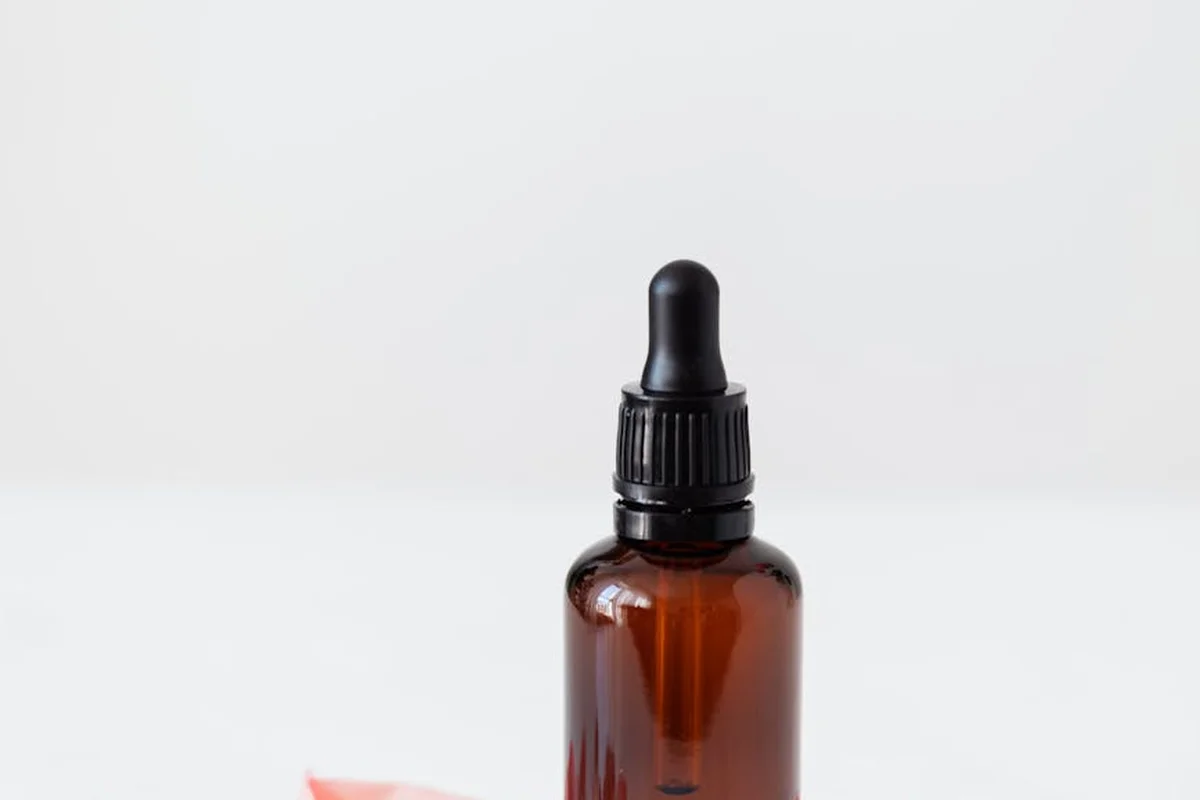
Forget complicated finishing schedules. A reliable, durable tung oil finish comes from one rule: let the polymerization reaction happen properly. This protocol is my shop-standard method for pure oil finishes.
Surface preparation isn’t just about smoothness; it’s about creating a uniform surface for the oil to penetrate and polymerize evenly. Sand thoroughly to at least 220 grit. Any scratches or mill marks left will be highlighted, not hidden, by the oil.
Step 1: Initial Flood Coat and Penetration
Pour a small pool of oil directly onto the wood. Use a rag or brush to spread it generously, working it into the grain like you’re trying to feed a thirsty surface. This first coat gets consumed the most as it fills the empty cell structure of the wood.
Let it penetrate for 15 to 30 minutes. You will see the glossy wet areas turn dull as the wood drinks it in. After this soak-in period, wipe off every trace of surface excess with a clean, absorbent rag. Leaving oil on the surface here creates a gummy layer that never fully cures.
Step 2: Building Thin, Cured Layers
Now, you build. The golden rule is that thin coats cure faster and harder because oxygen can reach more of the oil molecules to trigger polymerization.
After the first coat is dry to the touch (usually 24 hours), apply your next coat. Dampen a rag with oil, then wipe it almost dry on a paper towel. Apply this “barely-wet” rag to the wood in smooth, even strokes. You should see a slight sheen develop, not a wet look. Let it cure another 24 hours.
This wait isn’t for drying; it’s for the cross-linking polymer network to form, creating a solid foundation. Repeat this for 3 to 5 coats. For the final coat, use a “whisper coat.” Apply an extremely minimal amount of oil, then buff the surface aggressively with a dry rag after 10 minutes. This burnishes the finish.
Step 3: Final Curing and Use
The surface may feel dry after a week, but the oil beneath is still curing. Full polymerization and chemical resistance can take 30 days or more. Avoid placing glasses or wet objects on the surface until then.
Use the thumbprint test. Press your thumb firmly onto the finish. If it leaves a visible print or feels cool and soft, it needs more cure time. If it feels hard and warm and no mark remains, it’s ready for another coat or gentle use.
Solving Common Shop Problems with Tung Oil
Tackiness is the most frequent issue. It means the oil on the surface couldn’t polymerize. This happens from applying coats too thick, working in a cold shop (below 65°F), or having no air circulation.
The fix is straightforward: wipe the sticky surface with a rag dampened with mineral spirits to dissolve the uncured oil, then wipe it completely dry. Let it air out for a day, then restart with very thin coats in a warmer, well-ventilated space.
Can You Use Tung Oil On…? Answering Material Questions
Can you use tung oil on exterior wood? Yes, but with a key understanding. Its flexibility and water resistance are good, but ultraviolet light will degrade it. Expect to reapply a maintenance coat once a year on surfaces like garden furniture.
Can you put tung oil over stained wood? Yes, if the stain is fully cured and is a water-based or non-oily pigment stain. An oil-based stain can block penetration. Always do a test spot to check for adhesion and desired color. Understanding how the stain’s chemistry affects penetration into the wood helps anticipate how tung oil will interact with the surface. Penetration depth depends on wood porosity and solvent content, guiding your choice of topcoat.
Can I use tung oil on painted wood? No. Tung oil works by penetrating the wood fibers and hardening within them. It cannot seep into or mechanically bond to a sealed paint film. It will just bead up or wipe off. If you’re exploring oil finishes, see our guide on applying oil finishes wood methods. It covers prep, technique, and tips for bare wood surfaces.
Can you use tung oil on pressure treated wood? I don’t recommend it until the wood has fully weathered and dried, which can take 6 to 12 months. The treatment chemicals and high initial moisture content will prevent proper penetration and polymerization.
Troubleshooting Dull Patches and Imperfections
Blotchy, dull areas are almost always due to uneven absorption. Porous end grain soaks up oil and looks dark, while dense areas absorb less and look dry. The solution is not more oil at once, but more thin coats over time to gradually build an even, cured layer across all grain types.
Don’t fear dust. Because you are building a polymer matrix coat-by-coat, you can fix imperfections. If a dust nib lands in a cured coat, lightly sand it flat with 400-grit sandpaper before applying the next thin coat. You are not sanding through a film finish, you are just smoothing the foundation for the next layer.
Choosing Your Oil: Pure Tung, Polymerized, or Blend?
Walk into any hardware store and you’ll see several cans labeled “Tung Oil.” Their performance varies wildly. Your results depend entirely on which type you pick up, especially when comparing tung oil vs linseed oil.
Think of it like shopping for orange juice. You can get 100% pure juice, concentrate you mix yourself, or a sugary “orange drink.” Only one is the real, unadulterated thing. I always check the label, not just the front of the can.
100% Pure Tung Oil: The Slow, Penetrating Standard
This is the unaltered oil pressed from tung nuts. Its molecules are long, straight chains that need to link up with oxygen to form their 3D polymer network. This process takes time. Expect a full 30 days for a hard, cured finish you can use daily.
Pure tung oil offers the deepest penetration because its thin, unaltered molecules soak into wood fibers better than any other type. It doesn’t sit on top. This creates a rich, matte finish that feels like the wood itself, not a plastic coating.
Because it contains no driers or synthetic resins, it’s the safest choice for items that contact food. I use it on all my cutting boards and kitchen countertops.
- Best For: Cutting boards, butcher blocks, countertops, heirloom furniture projects where you have weeks for curing.
- Watch Out: The long cure means dust can stick to the surface for days. Work in a clean space and be patient. Applying it too thick will leave a gummy, never-drying layer.
Polymerized (Heat-Treated) Tung Oil: The Shop-Friendly Version
Manufacturers heat pure tung oil in an oxygen-free tank. This partially links the oil molecules together before the oil ever touches your wood. It’s like giving the polymerization reaction a head start.
Pre-polymerization cuts the cure time dramatically, often down to 3-7 days for a recoat, while creating a harder final film than pure oil. The heat also gives the oil a warm, amber tone I find perfect for woods like maple or ash.
It still penetrates well and maintains that hand-rubbed oil look, but it builds a more protective surface slightly faster. This is my go-to for most furniture.
- Best For: Tables, chairs, and casework where you need a durable finish but don’t want to wait a full month.
- Watch Out: The darker color can slightly alter the look of very light woods. Always test on scrap first.
Wiping Varnishes and Blends: The Middle Ground
Products labeled “Danish Oil” or “Tung Oil Finish” are almost always blends. They mix a small amount of tung or linseed oil with a varnish (like polyurethane) and a solvent (mineral spirits), which is used for wood protection.
The oil helps with penetration and look, while the varnish resins cure faster and build a thin, protective film on the surface. They wipe on easily and are very forgiving for a first-timer. These blends create a shallow film on the wood surface, offering more scuff protection than a pure oil but less than a full varnish coat.
The critical point is they are not a true penetrating oil finish. They sit somewhere in the middle. To know what you’re really getting, you must read the Safety Data Sheet (SDS, formerly MSDS). Look for ingredients like “alkyd resin” or “polyurethane,” which confirm it’s a blend.
- Best For: Beginners, or projects where you want a single-step “wipe-on” finish that enhances grain with minimal fuss.
- Watch Out: Don’t expect the deep nourishment or food safety of pure oil. Don’t use them where you need pure tung oil’s properties.
Tung Oil Polymerization: Practical FAQ
What is the basic chemical formula for the tung oil polymerization reaction?
Tung oil’s primary fatty acid is eleostearic acid (C₁₈H₃₀O₂), which contains a conjugated triene structure. This specific arrangement of three double bonds in a row is directly responsible for its rapid, thorough cross-linking with atmospheric oxygen during polymerization.
How does the polymerization mechanism affect my recoat and cure times?
Polymerization is a progressive cross-linking reaction, not simple drying. Recoating before the previous layer has sufficiently cross-linked (typically 24-48 hours) can trap uncured oil, resulting in a soft finish. Full hardness develops over 30 days as the network reaches maximum density.
Where can I find authoritative, detailed technical data on this process?
Search for scientific literature or technical guides using terms like “tung oil polymerization pdf” from sources like the Forest Products Laboratory or peer-reviewed journals. These documents detail reaction kinetics, the role of metal driers, and advanced spectroscopic analysis of the cured film.
Does polymerization affect the shelf life of pure tung oil in the can?
Yes, because polymerization is triggered by oxygen. Once opened, the oil can slowly begin reacting, thickening over months. For maximum shelf life, store pure tung oil in a full, tightly sealed container with minimal headspace (oxygen) and in a cool, dark place.
What does “tung oil polymerization near me” mean for selecting a product?
This search likely reflects a need for locally available, reliable tung oil. Focus on the product’s specification sheet, not marketing names, to identify if it is pure, polymerized (heat-bodied), or a blend, as this fundamentally dictates its curing behavior and final film properties—especially when comparing to other oils like boiled linseed oil.
Mastering Tung Oil: Curing and Long-Term Care
Tung oil hardens through polymerization, a chemical reaction that bonds its molecules when exposed to air. For the best results, always apply thin, even coats and allow each to cure fully before adding the next. This process builds a flexible, water-resistant finish that highlights the wood’s grain without forming a surface film. Your patience during the curing stage is the single biggest factor in achieving a durable, beautiful finish that protects wood for years.
Select tung oil from suppliers committed to sustainable harvesting to ensure your project supports healthy forests. Continue exploring material science and woodworking techniques to deepen your understanding and refine your craft.
Further Reading & Sources
- Interior/Original Formula Polymerized Tung Oil
- The Ultimate Guide to the Best Polymerized Tung Oil for Wood Finishing
- Tung oil – Wikipedia
- r/finishing on Reddit: Polymerize Tung Oil with Heat
Written by David Ernst. David is a veteran woodworker. He is now retired and stays in his cabin in Wisconsin which he built himself. David has 25+ years experience working in carpentry and wood shops. He has designed and built many small and large wood projects and knows the science behind wood selection like the back of his hand. He is an expert guide on any questions regarding wood material selection, wood restoration, wood working basics and other types of wood. While his expertise is in woodworking, his knowledge and first hand experience is far from 'woody'.