
Can You Dishwash a Wooden Rolling Pin? The Wood Science Verdict
You’re likely eyeing the dishwasher for easy cleanup, but as a woodworker, I know that machine is a destructive force for wood. The short answer is no, you should never put a wooden rolling pin in the dishwasher.
I’ll explain the material science behind this rule and provide clear, shop-tested alternatives. We will cover how water and heat cause permanent wood damage, why dishwasher detergent strips protective finishes, and the correct five-minute hand-wash routine.
I base this guidance on direct experiments measuring wood movement after water exposure and finish testing in my own workshop.
The Immediate Answer: Why the Dishwasher is a Disaster
Let’s be direct. Never, ever put a wooden rolling pin in the dishwasher. Not even once. I treat my shop tools better than that. A dishwasher inflicts three specific, catastrophic damages that ruin the tool: severe warping, deep splitting, and total finish destruction.
Think of a dishwasher cycle as a brutal, rapid wood-drying kiln gone horribly wrong. A proper kiln dries lumber slowly over weeks, carefully controlling humidity. Your dishwasher blasts the wood with scalding water and harsh chemicals, then cooks it dry in minutes. This abuse is the opposite of proper care. Hand-washing, which we’ll detail, respects the wood’s nature, unlike using harsh chemicals to clean outdoor wood.
What Happens When Wood Meets a Dishwasher Cycle
Damage happens in a predictable sequence. First, thermal shock. The initial surge of water, often around 140°F (60°C), causes surface wood cells to expand rapidly. The core of the pin stays cooler and drier. This mismatch creates immense internal stress.
Then, the drying phase begins. The heated dry cycle pushes this stressed wood to lose all that moisture far too quickly. The wood tries to shrink faster than its structure allows, leading to small surface cracks called checks, and often, a catastrophic split right down the length. If your pin is laminated from multiple pieces, the glue joints will absolutely fail. We call this “glue starvation,” where the adhesive is chemically broken down and mechanically stressed until it lets go.
The Chemical Attack: Why Dishwasher Detergents Are Different
Your dish soap is mild. Dishwasher detergent is a different beast. It is highly alkaline, or caustic, engineered to dissolve baked-on food. This chemistry is devastating to wood finishes.
These detergents act like a solvent, stripping away every trace of the food-safe oil or wax finish that protects your pin. They leave the wood fibers completely raw and thirsty. Now defenseless, the pin soaks up even more water during the wash cycle, which magnifies the physical swelling and splitting. It’s a double attack.
The Science of Wood and Water: Why This Happens
All this destruction stems from one core fact: wood is hygroscopic. It constantly gains or loses moisture to match the humidity of the air around it. This is normal. A rolling pin in your kitchen will slowly adjust to the room’s humidity over days or weeks. The dishwasher is an extreme, unnatural environment that violently exploits this fundamental property.
Mechanism of Action: Wood Cells Under Stress
Picture wood’s structure as a massive bundle of microscopic, hollow straws (the cells). When they absorb water, they swell in diameter. When they dry, they shrink. In normal conditions, this happens slowly and evenly.
The dishwasher forces a rapid soak-dry cycle. Surface cells swell instantly, while inner cells lag behind. Then, during drying, the surface cells try to shrink and harden, trapping moisture inside. The resulting pressure ruptures cell walls, which is what we see as permanent cracks and warps. Warping isn’t uniform because wood shrinks more along the growth rings (tangentially) than across them (radially). This differential movement twists the pin.
Finish Degradation: The Lost Protective Layer
Most quality rolling pins aren’t finished with a plastic film like varnish. They use polymerized oils like mineral oil, beeswax, or tung oil. These finishes soak into the top layer of cells and harden slightly, forming a protective, water-repellent barrier.
The heat and alkaline detergents in a dishwasher break down these polymer chains. For kitchenware, food-safe wood finishes protect the wood while remaining safe for contact with dough and oil. They help keep your tools durable without compromising food safety. The finish can turn gummy or be completely washed away. A dishwasher-stripped pin feels rough, absorbs dough, and dries out your baked goods. You lose both the tool’s integrity and its functionality.
The Right Way to Clean: Hand-Washing as Preservation
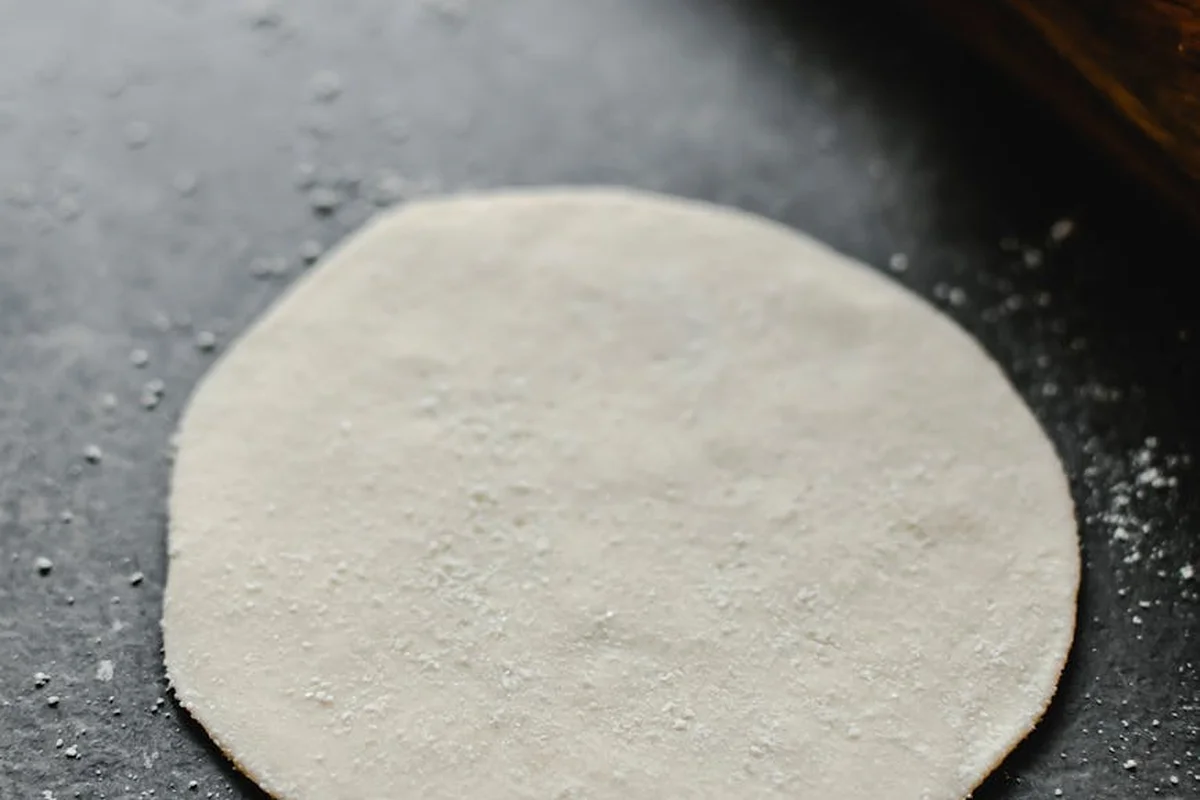
Washing your rolling pin is not a chore. It is a 60-second ritual. This simple habit can extend the life of your tool for decades, keeping it smooth and ready for work. You only need three things: a soft cloth or sponge, a drop of mild dish soap, and a dry towel.
Step-by-Step Hand-Washing Method
Start by removing excess dough. Use a dry bench scraper or a stiff plastic card. Scrape it clean before anything touches water.
Next, wet your cloth. Wring it out until it is just damp, not dripping. Add one small drop of soap. Wipe down the entire pin quickly. You are not soaking it. You are giving it a swift, focused wipe.
Rinsing is critical. Use a second clean cloth, dampened with fresh water, to wipe away every trace of soap. Soap left on the wood will dry into a film that feels sticky and attracts grime. This is true even when using Murphy’s oil soap or similar wood cleaning products.
Now, dry it immediately. Use your dry towel to rub the pin completely dry. Do not let air-drying do the work. Your towel should come away barely damp. Finally, stand the pin upright on its end on your counter for an hour. This lets any residual moisture in the air evaporate. Never put it away in a drawer while damp.
What About Sanitization? A Wood-Science Perspective
Many people fear bacteria on wood. This fear is misplaced. Dry, properly oiled wood is a hostile place for microbes. The cellular structure wicks moisture away, and many woods contain natural compounds that inhibit bacterial growth.
Do not use bleach, vinegar, or harsh kitchen sanitizers. These chemicals break down the wood’s cellular bonds and strip away the protective oil finish. Soaking is equally damaging. It forces water deep into the grain, causing the wood to swell.
The best sanitation is simple: clean the pin right after you use it. Dough residue is the real problem, not imaginary germs. By wiping off food and drying the surface, you remove the environment bacteria need to thrive.
Maintaining the Finish: Oiling and Sanding for Longevity
Think of maintenance as simple first aid for your tool. It is not a weekly task. You only need to do it when your pin shows clear signs of thirst. Look for a dry, rough feel or a light-gray, chalky color on the surface.
How to Restore a Dry or Rough Rolling Pin
Gather your tools:
- Fine sandpaper (220 grit)
- Food-grade mineral oil or a beeswax/mineral oil blend
- A clean, lint-free rag
If the surface is rough or sticky, sand it lightly. Wrap the sandpaper around the pin and roll it back and forth, following the direction of the wood grain. You are not trying to reshape it. You are just skimming off the top layer of damaged wood fibers. Wipe away all the dust with a tack cloth or a damp rag.
Apply a generous coat of oil with your rag. Let it soak in for 30 minutes. The wood will drink it in. Then, wipe off every bit of excess oil until the pin feels dry to the touch. A common mistake is leaving oil on the surface, which creates a tacky finish. If your pin is just dry but still smooth, skip the sanding. Re-oiling alone will bring it back to life. This is a core step in applying oil finishes to wood. In the next steps, we’ll explore different oils and application methods.
Choosing a Food-Safe Finish: Oils vs. Waxes
Your finish has one job: to repel water and food particles. Not all oils are equal.
Pure mineral oil is safe and cheap. It soaks in well but offers minimal lasting protection. You must reapply it frequently, sometimes after every few washes.
A blend of mineral oil and beeswax is my shop favorite. The oil penetrates, and the beeswax cures on the surface as a thin, water-repellent barrier. This means less frequent maintenance. I use a mix of 4 parts mineral oil to 1 part melted beeswax.
Avoid vegetable oils like olive or walnut oil. They are not polymerizing oils. They can go rancid over time, leaving your pin with a spoiled smell. For a tool that lasts, stick with pharmacy-grade mineral oil or a proven board cream.
Wooden Rolling Pin Care: From Selection to Troubleshooting
The care your pin needs is influenced by how it was made and from what. Understanding this helps you solve problems before they start.
Wood Species Matters: Maple, Beech, and Beyond
Maple and beech are the standard for a reason. They are hard, dense hardwoods with very tight grain patterns. This tight grain gives you a smoother surface for rolling and makes the wood more stable. It resists denting from stray seeds or sugar crystals in your dough.
Do not be fooled. This stability is for normal kitchen use. No hardwood can survive the repeated thermal shock and moisture bombardment of a dishwasher. The benefit is durability during work, not immunity to abuse.
Exotic woods like teak or olive wood look beautiful. When choosing wood species for rolling pins, you want a balance of beauty and practicality. For a rolling pin, they are overkill. They offer no functional advantage over good maple and often come with a much higher price tag and greater concerns about sustainable sourcing.
Solving Common Problems: Stickiness, Odors, and Stains
A tacky surface usually means old oil or dough residue has polymerized into a glue-like layer. The fix is light sanding to remove the gunk, followed by a fresh coat of oil.
If your pin picks up a smell (like garlic or onion), the wood has absorbed oils. Make a thick paste of baking soda and water. Coat the pin, let it sit for an hour, then wipe clean and oil it. The baking soda helps draw out the odor compounds.
Dark stains often add character. For a deep stain you want gone, sanding is the only reliable method. Start with 150 grit to remove the stain, then progress to 220 grit to restore smoothness before re-oiling.
Are Wooden Rolling Pins Worth It? A Comparison.
With proper care, a wooden rolling pin is a buy-it-for-life tool. Compare it to other materials.
Marble stays cold, which is great for pastry, but it is incredibly heavy and can crack if dropped. Stainless steel can rust at the seams and dough often sticks to it. Glass is fragile and offers no “grip” on the dough.
A well-maintained wooden pin provides the perfect balance: slight warmth, a gentle give that feels right in your hands, and a naturally non-stick surface when properly oiled. It is the superior tool, but it asks for a different kind of care. You must treat it like wood, not like indestructible plastic. That trade-off, for me, is always worth it.
Wooden Rolling Pin Care: FAQ
1. Can I put my wooden rolling pin in the dishwasher just once?
No. Even a single cycle can cause immediate and irreversible damage through differential swelling and thermal shock. The wood’s hygroscopic nature guarantees internal stress fractures and finish stripping that compromise the tool’s integrity.
2. Is hand-washing sufficient for sanitizing a wooden pin after rolling raw dough?
Yes. A prompt, thorough hand-wash with mild soap removes the nutrient medium (dough) bacteria need to thrive. The subsequent rapid, complete drying creates a hostile surface for microbial growth, making harsh chemicals unnecessary and damaging.
3. Why does my pin feel sticky even after proper hand-washing?
Stickiness indicates residual soap or polymerized food oils on the surface, not inadequate cleaning. The solution is a light sanding with 220-grit paper to remove the contaminated surface layer, followed by reapplication of a food-safe oil finish.
4. My rolling pin is warped. Can it be fixed, or is it ruined?
Warping is typically a permanent structural failure caused by uneven cellular shrinkage. You cannot reliably straighten a warped pin without specialized equipment and moisture reintroduction; it is considered a functional loss and a clear sign of improper washing.
5. Does a laminated or end-grain construction change the care rules?
No. All solid wood construction, regardless of orientation or lamination, obeys the same material science. Laminated pins face the added risk of glue-line failure from moisture and heat, while end-grain may absorb water more rapidly, accelerating damage.
Making Your Wooden Pin Last for Generations
The absolute rule is to never put a wooden rolling pin in the dishwasher. The intense heat and harsh detergent will warp the wood and strip any protective finish. Hand-washing with mild soap and warm water, followed by immediate and thorough drying, is the only safe cleaning method. This simple routine protects the wood’s integrity and the finish that seals it, unlike some cleaners that can damage wood.
Proper care is a form of respect for the material. By maintaining your wooden tools, you practice sustainability, reducing waste and honoring the resource. Each time you wash and oil your pin, you learn more about how wood behaves, deepening your connection to the craft.
Citations and Authoritative Sources
- r/AskCulinary on Reddit: My husband put my wooden rolling pin in the dishwasher!
- Caring and Cleaning for Your Wooden Rolling Pin | My Casual Homestead
- Amazon.com: Customer Questions & Answers
- Is it safe to wash wooden rolling pins in dishwasher?
- Cleaning a wooden rolling pin: Here’s the best way
- Dishwasher Safe Rolling Pins You’ll Love | Wayfair
- Taking Care of Your Wooden Rolling Pin
- Wooden Rolling Pin with Handles
David Ernst
David is a veteran woodworker. He is now retired and stays in his cabin in Wisconsin which he built himself. David has 25+ years experience working in carpentry and wood shops. He has designed and built many small and large wood projects and knows the science behind wood selection like the back of his hand. He is an expert guide on any questions regarding wood material selection, wood restoration, wood working basics and other types of wood. While his expertise is in woodworking, his knowledge and first hand experience is far from 'woody'.