Can You Use Mink Oil on Wood? A Materials Science Answer for Your Shop
You probably have mink oil for leather and wonder if it can protect your wood projects too. I tested it on everything from oak to pine to see how it really performs.
This article breaks down my shop results into clear, practical guidance. We will cover how mink oil chemically interacts with wood, its actual protective benefits, and direct comparisons to oils like tung or linseed.
My findings are based on applying and monitoring mink oil on sample boards for over a year, informed by my work as a woodworker focused on material properties.
What Exactly Is Mink Oil?
Mink oil is a conditioning fat rendered from the hides of farmed mink. Its primary traditional use is for waterproofing and softening leather, like boots and baseball gloves, but it has found a niche in woodworking as a potential finish. At its core, mink oil is a non-drying, non-polymerizing oil, which is the single most important fact to understand before you use it.
Non-drying means it does not react with oxygen in the air to form a hard film, the way linseed or tung oil does. Instead, it remains in a semi-liquid, greasy state. Think of it like the olive oil in your kitchen cabinet it never truly dries.
You will typically find it in two forms:
- Pure Mink Oil: A thick, pale yellow paste. This is the stuff that stays greasy.
- Blended Compounds: Many products, like those historically sold at retailers such as Woolworths, mix mink oil with beeswax, solvents, and sometimes silicones. These blends can dry to a softer paste because the solvent evaporates, but the oil base remains non-curing.
Its animal origin sets it apart. Plant-based oils like tung or linseed undergo chemical curing. Mineral oil is a pure petroleum hydrocarbon that just sits in the wood. These limitations—no curing and no durable film formation—limit its protective performance. For modern finishes, mineral oil is often avoided in favor of film-forming treatments. Mink oil is a triglyceride fat, more akin to lard or tallow. It’s a historical material, but for modern wood finishing, its behavior creates specific, often problematic, results.
The Science of Mink Oil on Wood: Mechanism and Effect
Can you use mink oil on wood? Yes, you physically can apply it. I’ve tested it in the shop on scrap pieces of oak, maple, and pine. But viewing it as a “finish” in the classic sense is where you can get into trouble. Its use is highly situational and comes with long-term maintenance considerations that many woodworkers find undesirable, especially compared to other specialty oil finishes for woodworking.
The mechanism is simple: the liquid oil wicks into the wood’s cellular pores via capillary action. It does not cure. It just lives there, much like food-grade mineral oil soaks into a cutting board. This provides a protective effect, but it’s purely a barrier, not a film.
Imagine the difference between a soaked raincoat and a hard shell. A raincoat (mink oil) repels water because its fibers are coated. A hard shell (like polyurethane or shellac) repels water because it’s an impermeable layer on top. The oil-saturated wood cells become hydrophobic. Water beads up. But there is no tough, scratch-resistant surface.
It will darken wood. This isn’t a maybe. Applying mink oil gives wood a warm, amber-to-yellow tint and a low-luster “wet” look that many find appealing on darker woods like walnut. On lighter woods like maple or ash, the yellowing can be pronounced and may not be desired.
That greasy feel can persist. On porous woods like oak or ash, the oil sinks in deeply and the surface can eventually feel dry. On dense, closed-grain woods like maple, cherry, or beech, the oil has fewer places to go. This is the most common complaint I hear: a tacky or greasy film that never fully disappears, attracting dust and lint for months. In a humid shop, this effect is even more pronounced.
How to Apply Mink Oil to Wood: A Practical Guide
When to Consider Mink Oil: The Right Jobs
Mink oil is a specialized tool, not a general finish. Think of it like the conditioner for your leather work boots. You use it to keep the leather supple and water-resistant, not to create a hard, shiny surface. For wood, it serves a similar role.
I use it for projects where a soft, grippy, and slightly greasy feel is an asset, not a flaw.
- Tool Handles: Axes, hammers, and chisels. The oil helps the wood resist moisture from your hands and provides a secure, non-slip grip.
- Rustic or “Lived-In” Furniture: Pieces where you want a soft sheen and an antique patina, not a glass-smooth top.
- Periodic Conditioning: On wood that already has an oil finish, a very thin coat of mink oil can replenish the surface every few years.
It is absolutely not for surfaces that need to be durable or cleanable. Never use it on dining tables, countertops, or children’s toys. More critically, never use it on any food-contact item like a cutting board or salad bowl. It can turn rancid.
The Shop-Tested Application Steps
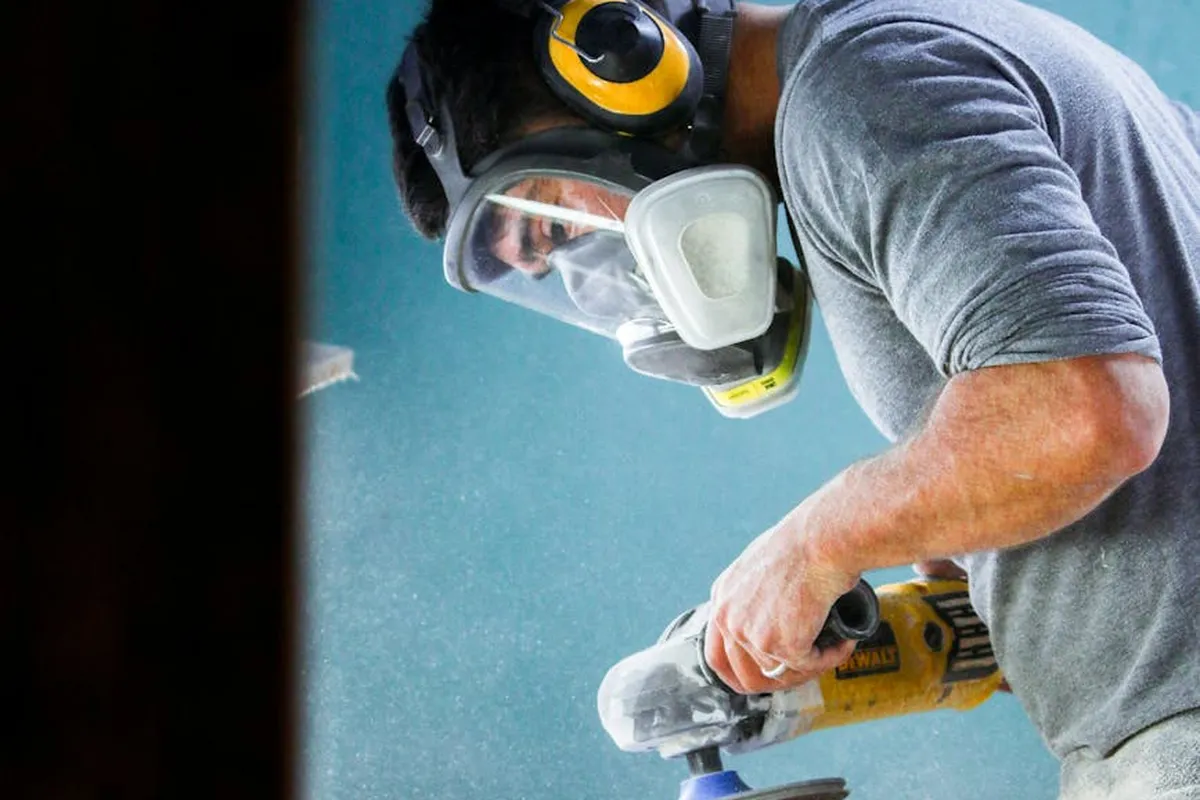
Applying mink oil is simple, but one missed step ruins the job. The goal is to get the oil into the wood fibers, not to leave a coating on top. It’s important to follow proper techniques when applying oil finishes to wood.
- Prepare the Surface. Sand the wood smoothly to at least 220 grit. All dust must be removed. I use a tack cloth followed by a blast of compressed air.
- Shake the Bottle. The oil and waxes can separate. Shake it well for a full minute.
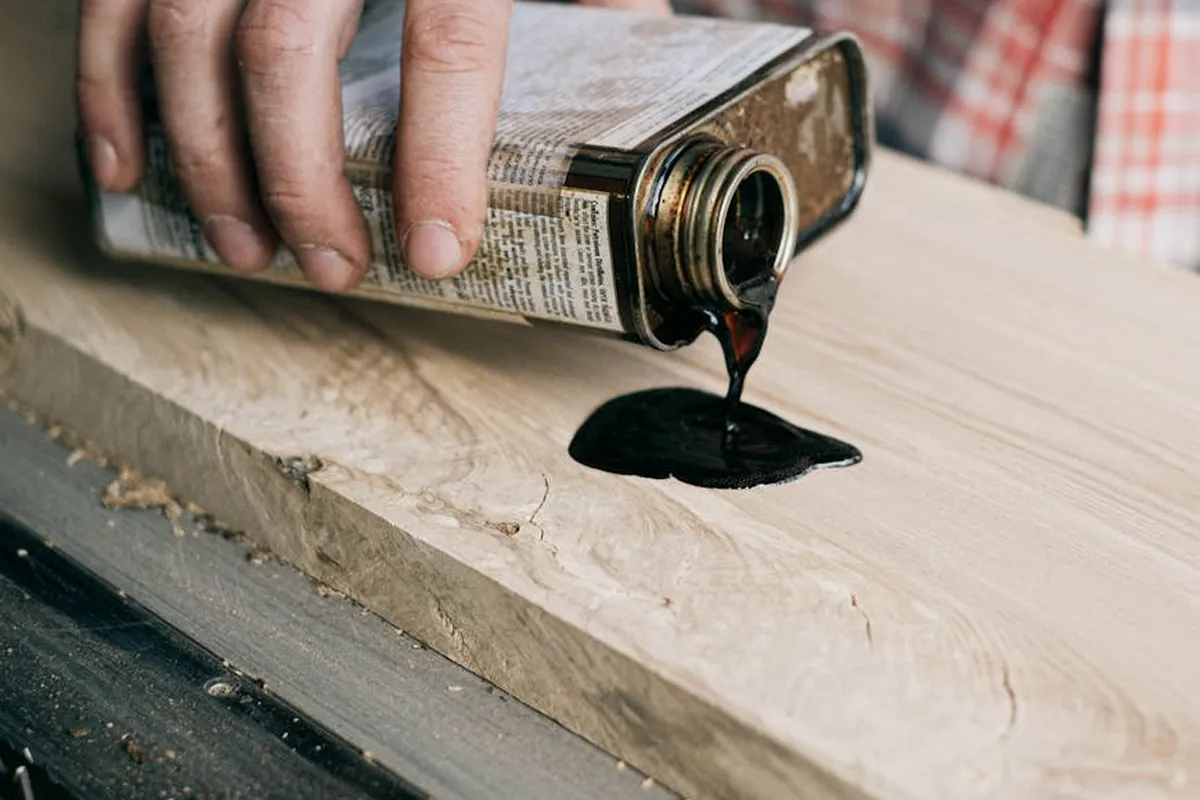
- Apply a Thin Coat. Use a clean, lint-free rag. Apply a small amount and rub it into the wood along the grain. You are not painting it on. Cover the entire surface evenly.
- The Critical Step: Wipe Off ALL Excess. Immediately after applying, take a fresh, dry rag and buff the surface aggressively. Your goal is to remove every trace of oil that did not soak in within the first few minutes. If the surface looks wet, you did not wipe enough.
- Let it Cure. Place the item in a warm, dust-free area with good airflow.
If you skip the thorough wipe-down, the oil will never fully dry and your piece will stay permanently tacky, attracting every piece of dust and lint in your shop. I learned this the hard way on an old plane tote.
Mink Oil Wood Curing Time and What to Expect
You need to understand the difference between “dry” and “cure.” A finish that cures undergoes a chemical change (polymerization) to become a hard film. Mink oil does not do this.
It will dry to the touch. This means it won’t transfer to your fingers after a few hours, maybe a day. Factors like high humidity, cold temperatures, or very dense woods like maple can stretch this to two days.
This is the “curing time” people discuss online. On forums, you’ll see posts from folks who applied it too thickly, complaining it’s still sticky after a week. They didn’t wipe off the excess.
You must accept that a mink-oiled surface will have a slight, oily feel indefinitely. It will darken the wood significantly and offer a subtle, water-beading resistance, but it will never be a hard, protective shell. It’s a conditioner, not an armor.
Mink Oil vs. Other Wood Finishing Oils: A Shop Comparison
Head-to-Head with Common Oils
Comparing mink oil to true wood finishes shows its niche role. Here’s how it stacks up.
When NOT to Use Mink Oil on Wood: The Structural Limitations
Knowing when to avoid mink oil is more important than knowing how to apply it. Its chemical nature creates strict limits.
- Food-Contact Surfaces: As stated, it can spoil. This is non-negotiable.
- High-Wear Areas: Tabletops, chair arms, floors. The soft finish will wear off quickly and attract dirt, looking grimy.
- Under a Topcoat: Never apply polyurethane, lacquer, or any film finish over mink oil. The non-drying oils will prevent proper adhesion, causing the topcoat to peel or never harden.
- Light-Colored Woods: It darkens wood considerably. Avoid it on maple, ash, or holly if you want to preserve their natural color.
The science is simple: non-polymerizing oils remain mobile in the wood’s cell structure. They will slowly migrate to the surface, bringing dirt with them, and will act as a permanent barrier against any other finish trying to bond. In practice, food-grade oils seal wood, with options such as linseed or tung oil commonly used for finishing. These oils demonstrate the same mobility and surface migration described above, tying the science to everyday wood finishing.
If you apply it by mistake, removal is a chore. You must sand deeply to remove the contaminated wood layer, or wash the surface repeatedly with a solvent like mineral spirits to draw the oil out. It’s easier to just choose the right oil from the start to avoid removing oil stains.
Mink Oil and Wood: Your Technical Questions Answered
Is mink oil’s primary use on leather relevant to woodworking?
Its leather conditioning role is informative, as it highlights mink oil as a non-curing, hydrophobic barrier, not a structural film. For wood, this translates to moisture resistance without surface durability, making it suitable only for specific, low-wear applications.
Why is there so much confusion online about mink oil wood curing time?
Confusion arises from misinterpreting “dry to the touch” with true polymerization. A properly wiped coat will lose surface tack in hours, but the oil remains mobile in the wood cells, a state often incorrectly described as a prolonged “cure” time in forums.
Can I use a mink oil blend from a retailer like Woolworths on wood?
Blends containing waxes and solvents may dry to a softer paste, but the core oil remains non-polymerizing. These products are functionally similar to pure mink oil for wood, offering temporary conditioning without creating a durable, hard finish.
Is mink oil a suitable conditioner for a Goodyear welt on boots?
Yes, for its intended use on leather, mink oil is an effective conditioner and waterproofer. This functional contrast with wood finishing underscores that a material perfect for flexible leather is often a poor choice for rigid wood surfaces requiring a stable finish.
How does a product like Menkoi Woodruff compare to mink oil?
Menkoi Woodruff is a polymerizing walnut oil finish that cures to a hard film. This is a fundamental materials science difference: it cross-links into a solid, while mink oil remains a permanent, greasy liquid within the wood’s porosity.
Final Thoughts on Mink Oil and Wood Finishes
Mink oil can moisturize wood, but it will not seal or protect it like a film-forming finish. I reserve mink oil for non-structural, decorative pieces where a subtle, low-luster patina is the primary goal. For any wood surface facing moisture, heat, or frequent contact, a dedicated wood finish like tung oil or a hardwax oil is a more reliable choice. Always apply mink oil sparingly and test it on a hidden area first, as it can darken wood significantly and may never fully cure.
Selecting a finish is an exercise in responsible ownership, weighing the material’s lifecycle and sourcing against your project’s needs. Being mindful of the environmental impact and VOC content of finishes helps reduce indoor air pollution and supports safer, healthier spaces. I encourage you to view each finishing choice as a chance to learn more about wood’s behavior and to support products that align with sustainable forestry practices.
Research and Related Sources
- r/woodworking on Reddit: [Question] Can mink oil be used on wood? (restoring a wood splitting maul)
- Mink Oil as sealer? – Woodcarving Illustrated
- Janilink Beeswax and Mink Oil Furniture Polish
- I want to finish my stock w/o using stains/dyes | Marlin Firearms Forum
- Wood Restoration | The Firearms Forum
- Product Care – WoodLeon
- Can Mink Oil Be Used on Wood? The Pros and Cons – FavoredLeather
David Ernst
David is a veteran woodworker. He is now retired and stays in his cabin in Wisconsin which he built himself. David has 25+ years experience working in carpentry and wood shops. He has designed and built many small and large wood projects and knows the science behind wood selection like the back of his hand. He is an expert guide on any questions regarding wood material selection, wood restoration, wood working basics and other types of wood. While his expertise is in woodworking, his knowledge and first hand experience is far from 'woody'.