
Can You Keep Purpleheart Purple and Actually Work With It?
You chose purpleheart for that stunning violet hue, only to watch it slowly turn brown in your shop. Its legendary hardness then makes every cut and sanding step a battle.
This guide tackles both problems with shop-tested methods. We will cover the exact science behind the color change, proven UV-blocking finishes that work, specialized tooling strategies to defeat its density, and smart design choices to make building with it a success.
My advice comes from milling and finishing hundreds of board feet of purpleheart, tracking color stability with different sealants, and systematically testing blade wear.
What Exactly Are You Working With? A Purpleheart Material Data Sheet
You are working with Peltogyne spp., commonly called Purpleheart or Amaranth. This wood grows in the forests of Central and South America. Always look for lumber with FSC certification to ensure it was harvested responsibly.
Think of this data sheet as your project blueprint. Knowing these numbers tells you exactly how this wood will behave under your tools and in your climate.
| Property | Purpleheart Value | For Comparison (Common Woods) |
| Janka Hardness | 2,520 lbf | Red Oak: 1,290 lbf, Hard Maple: 1,450 lbf |
| Specific Gravity | 0.86 | Oak: ~0.68, Maple: ~0.63 |
| Toxicity / Dust Safety | Dust can irritate skin, eyes, and lungs. | Similar to many exotics. Wear a respirator and goggles. |
| Movement Coefficient | Low (Stable) | More stable than Oak, similar to Maple. |
That hardness number is your first clue. Purpleheart is about twice as hard as common red oak. Your tools must be sharp, and you must feed stock slowly to avoid burning the wood or dulling your blades instantly.
Purpleheart’s Chemical Color Change (It’s Not a Stain)
The vibrant purple is not a surface stain. It comes from natural pigments inside the wood. When you cut or sand it, you expose those pigments to two things, oxygen and ultraviolet (UV) light. They react and oxidize, changing color.
Does purpleheart wood stay purple? No, it does not. Left alone, it will slowly turn a deep brownish purple and eventually a medium brown. I have planed a board and watched the bright purple surface fade to a more subdued lavender within 30 minutes in my shop light. Your goal is not to stop this change, but to manage it.
How Do You Keep Purpleheart Wood Purple? A Finisher’s Protocol
Every technique here targets one enemy, ultraviolet light from the sun and indoor bulbs. UV radiation drives the chemical reaction that browns the wood, leading to UV degradation of wood finishes.
The Pre-Finish Color Lock: A Two-Step Chemical Dance
You have two main strategies before applying your final finish. I have tested both in my shop.
The first method is “sun tea” for wood. You intentionally expose the sanded wood to sunlight to pre oxidize the pigments to a color you like, then seal it. This sets the color permanently at that stage, unlike bleaching wood with UV sunlight which can weaken the fibers.
- Sand your project to its final grit (I go to 220).
- Place it in direct, bright sunlight. A sunny windowsill works.
- Check it every 30 to 60 minutes. The color will shift from bright purple to a richer violet or burgundy.
- Remove it once you achieve the hue you want. This usually takes 2 to 4 hours. Beyond that, it starts browning.
The second method is to seal it immediately after sanding to block UV from the start. You use a finish or sealant with strong UV inhibitors right away. This locks in the freshest, brightest purple. The trade off is that if the finish ever fails, the wood underneath will quickly change color where exposed.
In my tests, the “sun tea” method gave a deeper, more stable color I preferred for furniture. The immediate seal method worked best for small decorative items kept strictly indoors.
Best Practice Workflow: The Color-Preserving Finish Schedule
This is my proven sequence after choosing a pre treatment method. For wood this hard, proper sanding is non negotiable. In the sanding sequence for wood stain preparation, progressing from rough to fine grits sets the stage for even absorption. Skipping steps can ruin stain adhesion and final color.
- Mill and shape your pieces. Use sharp carbide tooling and slow feed rates.
- Sand thoroughly. Start at 120 grit to remove tool marks. Progress to 150, then 180, and finish at 220 grit. For a glass like surface, go to 320 grit. The dense wood can take it and will finish better.
- Apply your chosen pre color treatment (“sun tea” or immediate seal).
- Wipe the piece with a tack cloth to remove all sanding dust.
- Apply your first coat of UV blocking finish. Use a brush or rag, following the grain.
- Let it dry fully, then lightly sand with 320 grit paper to smooth any raised grain.
- Apply at least two more coats for solid protection, sanding lightly between each.
Choosing Armor: The Best Finish for Preserving Purpleheart Color
Not all finishes block UV light equally. You need one labeled for UV resistance.
Marine grade spar varnish is the heavyweight champion. It is loaded with UV absorbers and is flexible, which helps it withstand wood movement. It has a slight amber tint that can warm the purple nicely.
Water based UV resistant polyurethane is a great clear option. It adds almost no color, so the purple stays true. It is also low odor and dries fast. Its durability is very high for indoor use.
A clear epoxy resin seal coat can be effective. It creates a thick, plastic like barrier that blocks all air and UV. I use it for bar tops or rings. Be warned, some epoxies yellow over time, which will tint your purple.
Never stain purpleheart. Staining is a common beginner’s trap that only muddies its unique color. You are working with a naturally pigmented wood. Your job is to protect that pigment, not cover it up. Next, we’ll explore how different wood species respond to staining and painting effects. This will help you preserve color and pick the right finish.
Shop Tactics for a Hard, Dense Wood
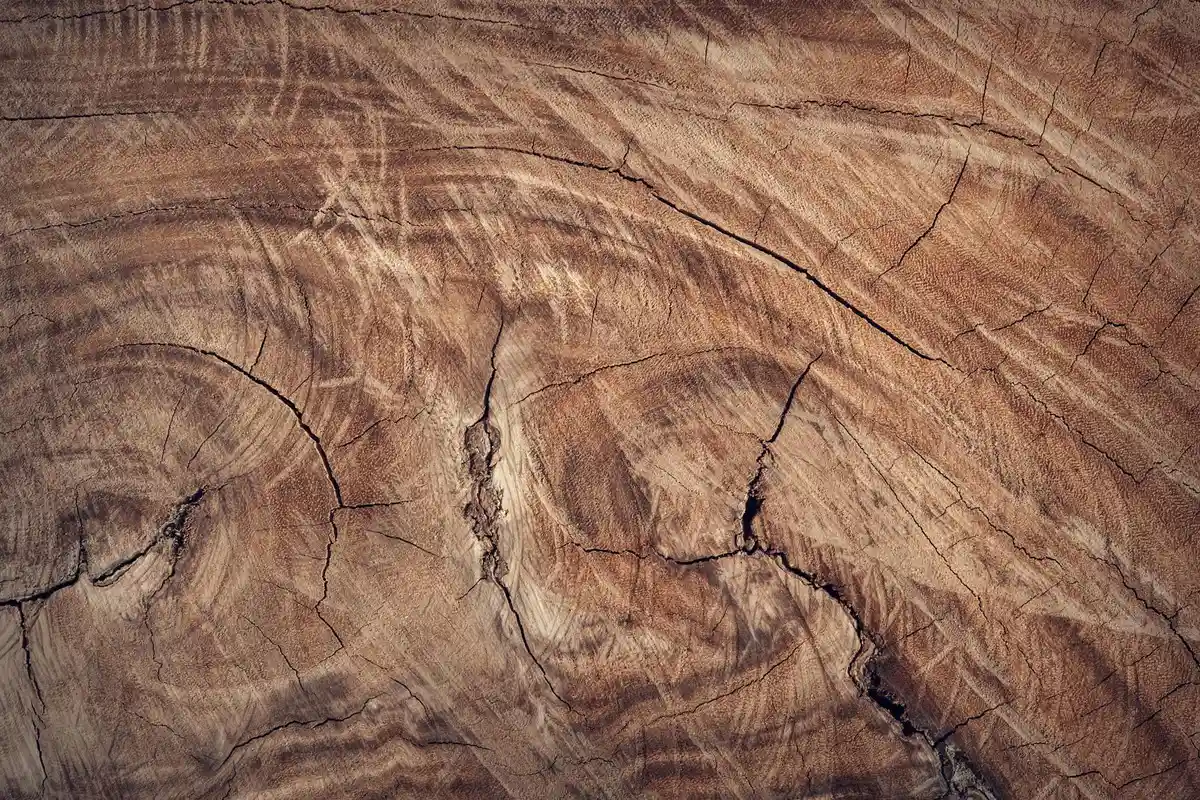
Now that you’ve protected the color, you have to earn it. Here’s how to work with the wood’s physical attitude.
Tool Prep: Keeping Your Edge Ahead of the Wood
Purpleheart has a Janka hardness around 1860 lbf, which is about three times harder than red oak. Your tools feel that difference immediately. Dull tools don’t just perform poorly, they will burn the wood and tear out its interlocked grain, ruining your surface before you even start.
I treat my shop time with purpleheart like surgery. Every cutting edge gets inspected and honed. For powered tools, carbide-tipped blades and router bits are the standard, not a luxury. Steel dulls far too quickly. On a table saw, use a blade with at least 60 teeth and a low hook angle (around 10 degrees). This combination shears the dense fibers cleanly instead of aggressively grabbing and potentially causing kickback.
Cutting, Drilling, and Shaping Without the Drama
Cutting requires a steady, confident feed rate. Push too slow on a table saw, and the blade friction will create burn marks and a distinctive high-pitched whine. Push too fast on a bandsaw, and you risk bending the blade or getting a rough cut. Listen to the machine; a smooth, consistent sound means you’re in the zone.
For drilling, a sharp brad-point bit is your best friend. The center spur keeps it from wandering on the hard surface. Drill in short bursts, pulling the bit out completely to clear the deep, compacted chips. Heat is your enemy here, as it can harden the wood fibers around the hole, making further work difficult.
Sanding creates a fine, dense powder that hangs in the air. A quality respirator with P100 filters is mandatory, not optional. Start at 120-grit to level any tear-out, then move to 150, 180, and 220. Skipping grits just means you’ll spend forever trying to sand out the deeper scratches left by the previous, coarser paper.
The Joinery Question: Does Purpleheart Wood Split Easily?
It can, thanks to that interlocked grain. The wood wants to hold together, but a fastener driven into it can act like a wedge, prying those fibers apart. Pre-drilling pilot holes for screws or nails is an absolute rule, not a suggestion. For a #8 screw, I drill a pilot hole the diameter of the screw’s shank and a clearance hole for the threads. This greatly reduces the chances of the screw stripping the wood.
Gluing success depends entirely on surface prep. You need a freshly planed or sanded surface for the adhesive to bond properly to the wood, not to any oxidized surface cells. I’ve had the best results with polyurethane glue (like Gorilla Glue) because it expands to fill any microscopic gaps in this hard wood. Apply glue, assemble, and clamp within 10 minutes. Tightbond II also works well if your joint is perfectly fitted.
Finally, break all sharp edges with a file or sandpaper. A 90-degree corner on purpleheart is a splinter waiting to happen. A slight roundover isn’t just a design choice, it’s a practical necessity for durability.
What Should You Actually Build With It?
Purpleheart is expensive and challenging. Your projects should respect that by playing to its strengths: incredible color, hardness, and wear resistance.
Purpleheart’s Best Roles: Accents, Wear Surfaces, and Statement Pieces
Think of purpleheart as a specialist, not a general contractor.
- Accents: It excels as thin inlays, drawer pulls, pen blanks for turning, or small hardware. A little goes a long way visually.
- Wear Surfaces: Its hardness makes it ideal for end-grain cutting boards, tool handles, or even high-traffic flooring inlays.
- Statement Pieces: A small jewelry box, a picture frame, or a turned bowl makes the color the star without requiring a fortune in material.
You could build a whole chair frame from it, but the cost and tool wear are hard to justify. It’s like using a race car to get groceries. For carving, it’s possible with razor-sharp gouges and immense patience, but most carvers prefer softer, more forgiving woods.
When to Choose a Different Wood: Practical Purpleheart Alternatives
If the purple color is your main goal, consider padauk. It’s still hard (1720 Janka) and offers a brilliant orange-red that also darkens over time, but it’s generally easier to machine and often less expensive.
If you need extreme hardness for a workbench top or tool handle, look at jatoba (Brazilian Cherry, 2350 Janka) or even hard maple (1450 Janka). Both are more predictable to work with and lack the color-changing chemistry that complicates finishing. Choosing an alternative often comes down to whether you want the specific challenge of purpleheart’s color preservation or just its physical toughness.
Advanced Handling and Troubleshooting
Once the basics are covered, these finer points separate a good project from a great one.
Managing Movement in a Stable Wood
Purpleheart is relatively stable for its density, but “stable” doesn’t mean “immune.” All wood is a sponge. Acclimating your stock to your shop’s humidity for several weeks is critical. I aim for an equilibrium moisture content between 6% and 8% for indoor furniture.
Compared to other exotics, its movement is moderate. It’s more stable than many African mahoganies but slightly less stable than genuine teak. In a typical home with seasonal humidity swings, you can expect some movement. Always design with wood movement in mind, using breadboard ends or floating panels, even with a wood this dense.
The Long Game: Maintaining the Color Over Decades
Preservation is a marathon, not a sprint. No finish lasts forever. The UV-inhibiting seal you applied will slowly degrade with sunlight exposure.
Every few years, inspect the surface. If the rich purple is browning, it’s time for a refresh. Don’t sand down to bare wood immediately. First, clean the surface with mineral spirits, then lightly scuff-sand with 320-grit paper just to rough up the existing finish. Apply a fresh, thin coat of your UV-protective topcoat. This method maintains the protective build-up and shields the wood without a full, invasive refinish. In a low-light setting, you might only need to do this every five to ten years.
Frequently Asked Questions: Preserving and Working Purpleheart
Does an oil-based finish help preserve the purple color?
No, traditional oils like tung or linseed offer little UV protection and can accelerate browning by promoting oxidation. For color preservation, you must use a finish specifically formulated with UV inhibitors.
How does the high Janka hardness specifically impact using hand planes or chisels?
It demands impeccably sharp, finely honed tools with a micro-bevel to cleanly shear the dense fibers. Dull edges will crush the wood surface rather than cut it, leading to tear-out and excessive physical effort.
What is the most effective way to prevent splintering when cutting joinery like mortise and tenons?
Use sharp, carbide-tipped router bits or chisels and make lighter, incremental passes rather than full-depth cuts. Always ensure the wood is firmly supported on both sides of the cut to prevent breakout at the edges.
Can the vibrant purple color be restored after it has naturally turned brown?
No, the oxidative color change is permanent within the wood substrate. Lightly sanding the surface may reveal less-oxidized wood underneath, but the only way to permanently “reset” the color is to remove a significant layer of material. Even then, changing wood stain color after application can be challenging.
Why is pre-drilling for screws essential even though purpleheart is dimensionally stable?
Its high density and interlocked grain create extreme resistance, causing screw threads to act as wedges that can split the wood. A correctly sized pilot hole removes material for the shank, allowing the threads to engage without generating splitting force.
Key Takeaways for Purpleheart Wood
The single most important practice is applying a UV-blocking finish like a marine spar varnish immediately after your final sanding. This barrier drastically slows the color shift from vibrant purple to a muted brown, preserving the wood’s dramatic appearance for years. In my shop, I pair this with exclusively using sharp, carbide-tipped tools to cleanly cut the dense fiber without burning or tear-out. Respect the wood’s hardness from the first cut to the final coat, and your purpleheart project will remain both beautiful and durable.
Please seek out purpleheart certified by organizations like the Forest Stewardship Council to support responsible harvesting. I encourage you to view each project as a chance to learn more about material behavior and sustainable craft.
Industry References
- How Does Purple Heart Wood Change Color? – Cormark International
- Purpleheart Color Retention – Woodworking | Blog | Videos | Plans | How To
- r/woodworking on Reddit: Purpleheart PSA, leave it in the SUN! If you are worried about your orange purpleheart, once you’re done working it, literally leave it in the sun for a day to bring out it’s true color. I’m making a bunch of headphone stands, this one is about done. Just needs feet and a leather cable strap.
- Finishing purpleheart – FineWoodworking
- Purpleheart | Color Change | Woodworker’s Journal | How To
- maintaining color in purpleheart | LumberJocks Woodworking Forum
- How do you finish Purpleheart to keep it purple? | BladeForums.com
- How To Make Purpleheart Very Purple – King’s Fine Woodworking Inc
David Ernst
David is a veteran woodworker. He is now retired and stays in his cabin in Wisconsin which he built himself. David has 25+ years experience working in carpentry and wood shops. He has designed and built many small and large wood projects and knows the science behind wood selection like the back of his hand. He is an expert guide on any questions regarding wood material selection, wood restoration, wood working basics and other types of wood. While his expertise is in woodworking, his knowledge and first hand experience is far from 'woody'.