
How Do You Repair Scratches on Different Wood Species and Finishes?
That fresh scratch on your table isn’t just a cosmetic issue; it’s a materials failure you can fix with the right science. I’ll show you how to approach it like a wood scientist, not just a weekend warrior.
We will cover how to assess scratch depth and type, why wood density and grain pattern dictate your method, and how to match common finishes like oil, polyurethane, and lacquer.
My advice comes from hands-on testing in my shop, where I’ve documented repair results on over fifty wood and finish combinations.
First, Diagnose the Scratch and the Surface
Before you reach for any product, take two minutes to diagnose the problem. A proper diagnosis tells you exactly which tool to use. Getting it wrong can make the damage worse.
The Fingernail Test
Run your fingernail gently across the scratch, perpendicular to its direction.
- If your nail does not catch, the scratch is only in the finish.
- If your nail catches slightly, the scratch is into the finish and likely into the very top wood fibers.
- If your nail catches and drops into a groove, the scratch is deep into the wood itself.
This test matters because a surface-level finish scratch needs a different repair than a gouge in the wood’s cellular structure. Treating them the same way leads to poor results.
Identifying Your Finish
The repair must be compatible with the existing finish. Here’s a shop-tested method. Pick an inconspicuous spot, like the bottom of a table leg.
- Put a few drops of denatured alcohol on a cotton swab.
- Rub it firmly on the spot for about ten seconds.
- Observe the result.
- Shellac: The finish will feel instantly sticky and start to dissolve. The swab may pick up color.
- Nitrocellulose Lacquer: Similar to shellac, it will soften and become tacky.
- Oil or Oil-Based Varnish/Polyurethane: Nothing will happen. The alcohol won’t affect a cured, film-forming finish.
- Hard Wax Oil: Very little to no reaction.
If the alcohol does nothing, try a few drops of lacquer thinner in another hidden spot. If it dissolves the finish, you have a lacquer or pre-catalyzed varnish. No reaction likely points to a polyurethane or a conversion varnish, which are very chemically resistant.
When to DIY vs. Call a Pro
You search for “wood scratch repair near me” when you’re unsure. Use this guide.
A DIY fix is possible when: The scratch is shallow (fails the fingernail test), the damaged area is small, and you can identify the finish. Most surface scuffs and light scratches fall here.
Call a professional when: The scratch is deep into the wood across a large area, the finish is alligatored (cracked like dry mud), or the piece is a high-value antique. Professionals have tools and solvents for re-amalgamating finishes that are unsafe or impractical for home shops. For a cherished heirloom, their expertise is worth the cost.
The Real Science Behind Wood Scratches and Repair
Think of your finished wood surface as a layered system. A scratch damages one or more of these layers. The repair method must match the damage type, whether you’re fixing scratches or gouges in wood flooring.
Defining the Problem: Where is the Scratch?
- Finish-Only Scratch: You’ve scraped the protective topcoat but haven’t reached the wood. The wood’s color underneath is still intact. This is a disruption in the film.
- Pigment Scratch: You’ve cut through the finish and into the stained wood fibers, removing or compressing the colorant. The wood is exposed but not deeply carved.
- Structural Wood Scratch: You’ve physically removed or crushed the lignin and cellulose fibers that make up the wood. This creates a void or dent.
Most common scratches are a combination of the first two. A deep gouge involves all three.
The Mechanisms of Repair
All repairs use one or more of these three scientific actions.
1. Filling Voids: This is physical gap-filling. For deep wood scratches, you use a material like wax, epoxy, or colored putty to occupy the space the missing wood fibers once did. It’s a physical patch.
2. Re-pigmenting: This addresses color loss. You use a stain, a tinted finish, or a pigment marker to add color back to the exposed, pale wood fibers so they blend with the surrounding area. Understanding pigments versus dyes in wood stains helps you choose the right approach for blending. Pigment-based stains sit on the surface for a more opaque color, while dye-based stains soak in for richer depth.
3. Re-amalgamating the Finish: This is the most scientific fix for film-forming finishes like lacquer and shellac. You apply a solvent that partially dissolves the edges of the scratch, allowing the finish to flow back together and bridge the gap as the solvent evaporates. It literally welds the finish back into one piece.
Debunking Common Kitchen “Repairs”
Let’s be clear about two popular myths.
Does vinegar and olive oil fix wood scratches? No. The vinegar does nothing. The olive oil simply darkens the exposed, dry wood fibers and makes them slightly translucent, which can mask a shallow scratch for a few weeks. It’s a cosmetic trick. It’s not a repair. The oil will eventually rancidify, attract dust, and prevent any proper finish from adhering later.
Do walnuts remove wood scratches? Similarly, no. Rubbing the oily meat of a walnut on a scratch deposits oils and minute particles into the void, darkening it. It’s a temporary, crude filling and coloring method. It does not repair wood or finish. On an open scratch, these oils will go rancid and darken unevenly over time.
These methods are the equivalent of hiding a dent in your car with a sticker. For a lasting fix, you must address the physical or chemical damage correctly.
Your Repair Toolkit: From Kitchen Hacks to Pro-Grade
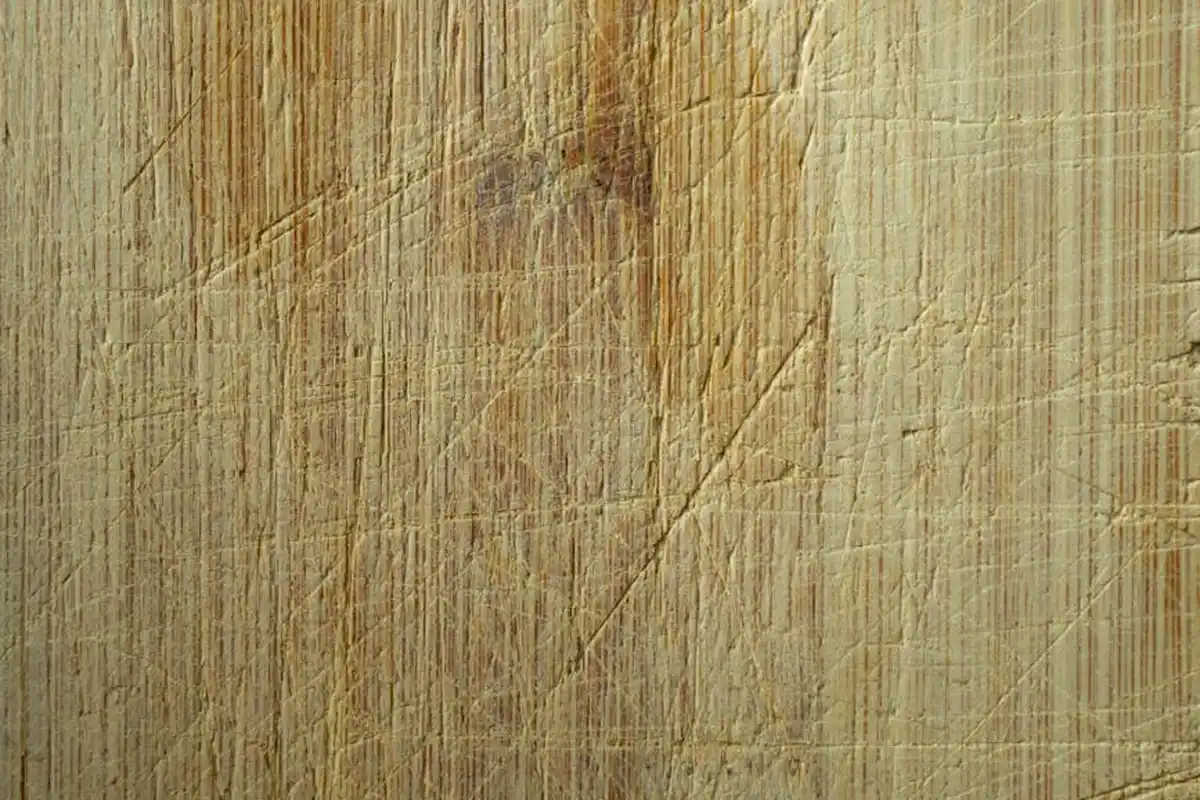
You can fix a scratch with a walnut or a crayon. I’ve done it. The real question is whether you *should*, and for how long you want that fix to last.
Home remedies work on a principle of masking. Rubbing a walnut meat into a scratch uses its oils and fine particulate to darken and fill the gap. A wax crayon or a matching colored pencil does the same. These are quick cosmetic covers that wear away with cleaning and offer no structural fill. They are perfect for a fast touch-up before guests arrive.
Dedicated products-repair sticks, fillers, and pigment pens-are designed for permanence. They bond to the wood or finish. Think of them not as makeup, but as a grafted skin.
Every repair method has four key traits. Judge your options against them.
- Hardness: The repair must match the surrounding surface. A soft wax repair on a hard maple table will dent anew, highlighting the old fix. Hardness is about wear resistance.
- Color Match: This is the toughest part. Wood isn’t one color. You must match the base hue, the grain lines, and account for aging. Most kits fail at mimicking depth.
- Adhesion: Will it stay? Oils may not bind to a polyurethane finish. Many fillers shrink as they cure, pulling away from the scratch walls.
- Reversibility: Can you undo it? A wax fill is easy to remove with mineral spirits. A hardened epoxy filler is forever. Consider this before working on an antique.
Choosing between a big-box kit and a specialty supplier comes down to precision. A generic kit from a hardware store offers a palette of basic wood tones. It’s fine for a pine shelf or an oak floor where a “close enough” brown works.
For a fine furniture piece in cherry or walnut, a generic brown will look like a mistake. Specialty suppliers sell fill sticks and pigments by specific wood species and even stain names. The extra cost is for color accuracy, which is what makes a repair invisible. My rule: use the hardware store for construction lumber and the specialty shop for furniture.
Repairing Scratches by Wood Species Behavior
The wood itself dictates your strategy. Its grain pattern and pore structure are the canvas you’re trying to replicate. To bring that texture to life, we’ll explore how to simulate wood grain patterns in your renderings.
Open-grained woods like oak and walnut have pronounced pores. A scratch often gouges these pores, creating a ragged, dark line. Your goal is to fill them.
For a wood scratch repair walnut needs special attention to its color variance. Walnut’s heartwood ranges from grayish brown to deep chocolate, often with purple undertones. I use a dark filler for the pore lines and a separate, lighter medium-tone filler for the scratch body. Apply them separately, then blend. A single-color fill will look like a solid blob on walnut’s dynamic surface, especially when compared to other woods like mahogany.
Oak is more forgiving on color but tricky on texture. A filler that dries too smooth will shine in contrast to oak’s rough grain. I sometimes dust the wet filler with fine sanding dust from the same board to impart a grain-like texture.
Closed-grained woods like maple and cherry have a smooth, uniform surface. Here, the scratch itself is the entire problem. There are no pores to hide it. The repair must be flawless in color and perfectly level.
On cherry, remember it darkens with light exposure. A perfect color match today will be a light spot in six months. For cherry, I mix my filler to match the future color of the surrounding wood, not its current shade. This takes practice, but it’s the only way for the repair to age with the piece.
Birch is a closed-grained impostor. It can have wild, irregular grain patterns that absorb stain blotchily. A scratch repair on stained birch must mimic this irregularity. Use a fine artist’s brush to paint in fake grain lines with a slightly different shade after the main fill is in place.
Pine is soft and dents easily. The scratch is often a compression of the wood fibers, not a removal. Sometimes, you can swell the wood back up. Place a damp cloth over the dent and apply a warm iron briefly. The steam causes the crushed fibers to expand. This won’t work on a finish-coated scratch, but it’s magic on bare wood. For finishing pine, start with surface prep. Light sanding and a clean, dust-free surface help the next steps go smoothly.
Mahogany has a intermediary pore structure. Its main challenge is its reddish hue, which most generic “brown” fillers ignore. A mahogany repair often needs a drop of red artist’s oil pigment mixed into a neutral filler base. Without that red tone, the repair will look dead and gray against the warm wood.
The Best Practice Workflow for Each Major Finish Type
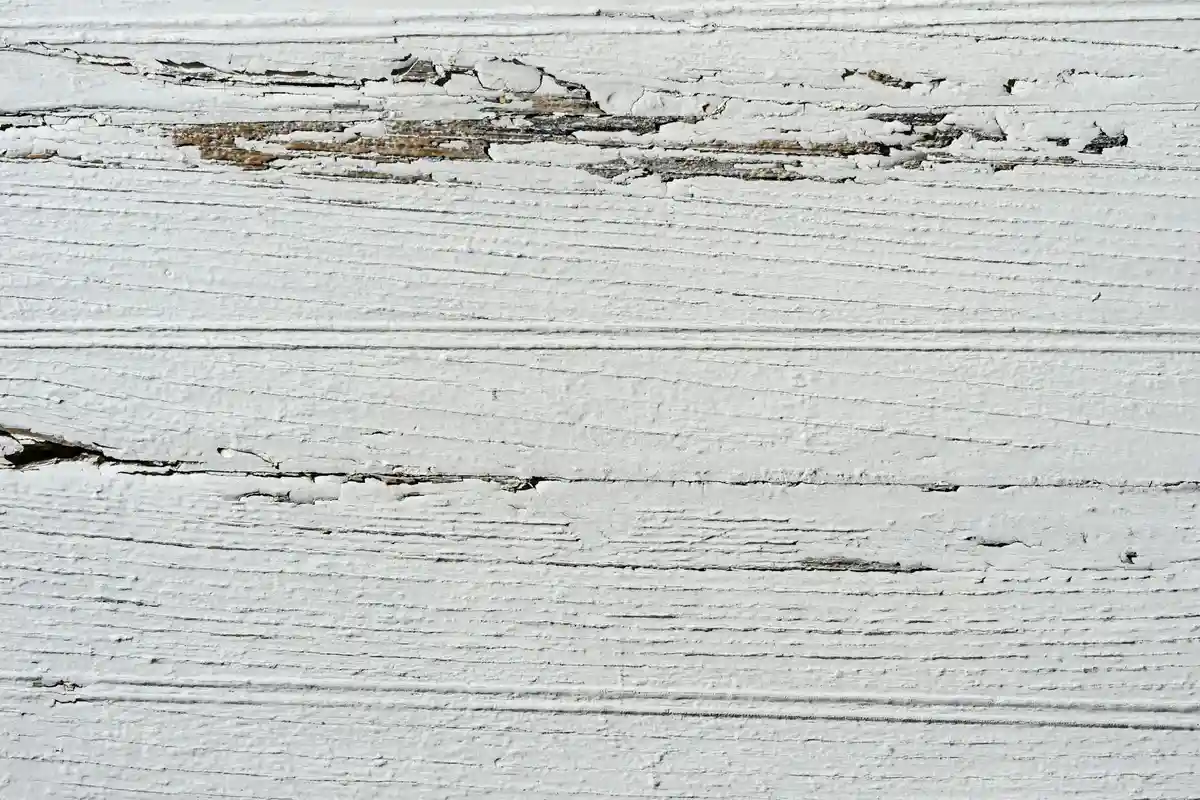
Think of your finish as a distinct layer with its own physical properties. The right repair method works with those properties, not against them. Getting this wrong is why many DIY repairs look obvious and fail quickly.
Oil & Wax Finishes: The Rejuvenation Protocol
With oil and wax, you aren’t really fixing a scratch in a film. You’re repairing the wood’s surface nourishment. The scratch removed the protective oils, leaving dry wood fibers exposed. Your goal is to spot-feed the wood to match the surrounding, still-oiled areas.
- Clean the scratched area with a damp cloth, then let it dry completely.
- Apply a small amount of the original oil (like linseed or tung oil) directly into the scratch with a fine brush or cotton swab. Let it soak for 5-10 minutes.
- Wipe away all excess oil from the surface with a clean cloth. Only the scratch should remain damp.
- Allow it to cure fully-this can take 24-72 hours depending on the oil.
- Once cured, apply a matching paste wax over the entire panel, buffing it to a consistent sheen. The wax will help blend the repair and restore surface protection.
I keep small, labeled bottles of the exact oil and wax used on each of my projects for this exact reason. A plant-based oil finish on a sustainably sourced piece isn’t just an ethical choice; it’s a practical one that makes future care simple.
Shellac & Lacquer: The Amalgamation Method
Shellac and lacquer are thermoplastic finishes. This means they can be softened and re-melted by their original solvents. We use this property to perform “amalgamation,” where the solvent melts the edges of the scratch, allowing the finish to flow back together.
- Identify your finish. Denatured alcohol melts shellac. Lacquer thinner melts lacquer. Test in an inconspicuous spot first.
- Apply a few drops of the appropriate solvent to a fine, lint-free cloth (like a cheesecloth pad).
- Rub the cloth over the scratch using light, rapid, circular motions. You are not scrubbing. You are generating friction to melt a thin layer of the surrounding finish.
- Work quickly. The solvent evaporates fast. You should see the scratch begin to fill and disappear as the finish liquefies and levels.
- Stop immediately once the scratch is gone. Let the area harden for at least an hour before handling.
The key is to melt just enough finish to bridge the gap, without dissolving down to bare wood. If you go too far, you’ll create a dull spot or a depression. Practice on a scrap piece first. This technique fails on polyurethane because it’s a thermoset plastic; solvent just softens the top, it doesn’t truly re-melt it.
Varnish & Polyurethane: The Fill and Feather Strategy
Modern varnishes and polyurethanes cure into a hard, durable plastic film. They do not re-melt reliably. Your only option is to fill the void with new finish and disguise the transition.
- Clean the scratch with mineral spirits to remove any wax or grease.
- Use a very fine abrasive pad (600-grit or finer) or sandpaper to gently scuff the entire scratch and a half-inch of the surrounding finish. This gives the new layer something to grip.
- Wipe away all dust with a tack cloth.
- Using a small artist’s brush or a foam applicator, apply a thin coat of the same finish directly into the scratch. Try to keep it within the scratch lines.
- Let this first coat dry completely, then apply a second, slightly wider coat, gently “feathering” the edges out onto the surrounding, scuffed finish.
- Repeat, letting each coat dry and building the fill just proud of the surface. It may take 3-5 coats.
This method requires patience between coats. Rushing leads to a soft, gummy fill that shrinks and looks terrible. The feathered edge is critical; a hard line of new finish on old will always be visible.
Painted Finishes: Touch-Up or Total Do-Over
Painted wood presents a color-matching challenge more than a finish challenge.
For a small, superficial scratch that hasn’t gouged the wood:
- Clean the area.
- Use a fine-tip artist’s brush to dab matching paint directly into the scratch. Less is more.
- Let it dry completely. A small, filled scratch is often less noticeable than a poorly blended patch.
For a deep scratch that exposes bare wood or primer, you must seal it first. Unsealed wood will wick moisture and cause the touch-up paint to fail. Apply a tiny bit of primer or clear shellac to the exposed wood, let it dry, then proceed with the color touch-up. If the scratch is on a large, flat panel and the touch-up is obvious, you will likely need to repaint the entire face for a uniform result. There’s no solvent trick here that will perfectly blend dissimilar paint layers.
Applying the Fix and Making It Last
Execution matters. A perfect plan with a sloppy application still fails.
The Final Steps: Cure, Level, and Blend
After you’ve applied your repair material, the real work begins. You must integrate it.
- Let it cure, not just dry. Surface dry is not enough. Give oil repairs days and film finishes (poly, varnish) at least 72 hours to fully harden. Rushing this ruins everything.
- Level the repair. If the repaired spot is raised (common with polyurethane fills), use a very fine abrasive (1200-grit sandpaper or a grey abrasive pad) to carefully sand it flush with the surrounding surface. Use a light touch and a sanding block to avoid creating a new dip.
- Buff to a uniform sheen. Once level, polish the entire area. For film finishes, I use automotive polishing compound on a soft cloth. For oil/wax, a fresh coat of wax and vigorous buffing does the trick. This step erases the microscopic scratches from sanding and unifies the gloss.
A repair is successful when you can’t feel it with your fingernail and can’t see it in raking light. If you can still see a shadow, you may need to apply more fill or accept it as part of the piece’s history.
Honest Prevention and Realistic Expectations
The best repair is the one you never have to make. Felt pads under every object that moves on your furniture are non-negotiable. Coasters are mandatory, not optional. I tell clients to treat a finished wood table like a respected guest, not a workbench.
Manage your expectations. A repair will never be 100% invisible under all lighting conditions. It will be a “five-footer”-looks perfect from five feet away. The goal is to remove the visual distraction, not to turn back time. Deep gouges in open-grain woods like oak or ash may always hold a slight shadow because you cannot perfectly replicate the torn wood fibers.
Your wood and its finish are a married system. You must respect both partners. The right repair method honors that specific union. A shellac fix will ruin a polyurethane table. An oil treatment will do nothing for a lacquer scratch. Start by identifying the finish, then follow its rules. This is the difference between a hack and a craftsman’s touch. Historically, wood finishes—shellac and lacquer among them—tell how craftspeople solved problems with the materials of their time. Understanding those finishes helps guide modern repairs.
Frequently Asked Questions: Scratch Repair Products and Practices
When should I use a commercial wood scratch repair kit versus individual products?
Use a kit when you need a complete, multi-tool solution for various scratch depths on common species; they provide filler, pigment, and applicators in one package. Choose individual products when you need precision, such as a specific solvent for amalgamation or a custom-mixed filler for an exotic wood, as kits often lack specialized materials.
How does a wood scratch repair pen work, and what are its limitations?
A repair pen deposits a pigmented, often solvent-based, resin directly into a scratch to re-color exposed wood fibers. Its primary limitation is that it only addresses color loss, providing no structural fill for deep gouges, and the resin may not be chemically compatible with all underlying finishes.
Is a scratch repair spray a good solution for hardwood floors?
Spray-on “scratch cover” products are a temporary, cosmetic fix that use oils and pigments to mask shallow scuffs on floor finishes. They are not a permanent repair, can create a slippery film, and may interfere with future professional recoating, making them unsuitable for anything beyond a quick visual touch-up.
Can I rely on products purchased from a hardware store or Amazon for a quality repair?
Big-box stores and Amazon are sufficient for general-purpose fillers and wax sticks intended for common woods like oak or pine. For fine furniture or complex finishes, source from specialty woodworking suppliers, as they offer superior color accuracy and products formulated for specific, professional-grade finishes.
Why does repairing a scratch in walnut require a more nuanced approach?
Walnut’s color complexity and pronounced grain pattern demand a multi-step filling strategy to avoid a flat, monochrome patch. You must separately address the dark pore lines and the lighter scratch body with different filler tones, then blend them to mimic the wood’s natural depth and variance.
Preserving Wood Grain and Finish Integrity
The single most important rule for scratch repair is to always identify your wood species and finish type first. I test every method on scrap pieces or hidden areas, because what works on oiled walnut can cloud a lacquered maple surface. Match your repair material-filler, dye, or finish-to the original’s sheen and color for a seamless fix. This disciplined approach protects the wood’s value and your effort, ensuring repairs vanish into the grain.
Choosing to repair a piece extends its life and reflects a commitment to sustainable material use. I encourage you to keep exploring wood science and finish properties, especially when repairing historic woodwork, as this knowledge turns every scratch into a chance for thoughtful stewardship.
Citations and Authoritative Sources
- Amazon Best Sellers: Best Wood Scratch Covers & Removers
- How to Easily Fix Scratches in Hardwoods and Furniture | Thrifty Decor Chick | Thrifty DIY, Decor and Organizing
- Weiman Wood Furniture and Floors Repair Kit Markers (4 Count) 511D – The Home Depot
- “wood scratch repair” : Target
- r/howto on Reddit: Any tips on best way to fix these scratches on our hardwood floors?
- How to remove fine scratches from wood furniture without repainting or stripping it down – Quora
- How to Remove Furniture Scratches from Wood with a Walnut
- 3 Ways to Patch a Scratch
Written by David Ernst. David is a veteran woodworker. He is now retired and stays in his cabin in Wisconsin which he built himself. David has 25+ years experience working in carpentry and wood shops. He has designed and built many small and large wood projects and knows the science behind wood selection like the back of his hand. He is an expert guide on any questions regarding wood material selection, wood restoration, wood working basics and other types of wood. While his expertise is in woodworking, his knowledge and first hand experience is far from 'woody'.