
How Can You Finish Mahogany to Prevent Blotches and Boost Its Grain?
Mahogany’s luxurious grain deserves a flawless finish, but its uneven density often leads to splotchy, disappointing results. I’ve salvaged enough projects to know the solution isn’t just in the can-it’s in the preparation.
This article breaks down a reliable, materials-science approach, covering the cellular reason mahogany blotches, how to selectively seal the wood, comparing oil-based versus water-based strategies, and my proven step-by-step application method.
I base this guidance on my own shop experiments, measuring absorption rates and finish performance on mahogany to merge practical woodworking with solid material facts.
What Makes Mahogany a Unique Wood to Finish?
Mahogany has a distinctive cellular blueprint. Under a microscope, you see large, open pores arranged in long, clear channels. The density varies significantly between the softer spring growth and harder summer growth. This open structure is your key to a great finish.
This is nothing like pine or cherry, which have tight, uniform grain. Those woods are notorious for blotching with stain because the liquid soaks in unevenly across the whole surface. Mahogany’s open pores act like built-in highways for finish. The liquid travels more predictably along these channels, leading to far less blotching on the face grain. The challenge isn’t blotchy absorption, it’s managing the dramatic visual texture these pores create.
Genuine mahogany offers a natural color palette from pale pinkish-brown to a deep, rich reddish-brown. It darkens beautifully with age and UV light. I often leave it natural to honor that aging process. You might choose a stain if you need to match other pieces or intentionally push the color toward a more classic, darker chocolate hue. Staining mahogany is usually for color adjustment, not for fighting unpredictable absorption.
The Shop Science of Blotching and Grain Enhancement
The Mechanics of Blotching
Blotching is simple physics. Think of wood cells as tiny straws. End-grain is the open end of the bundle, sucking up liquid like a sponge. Face-grain is the side of the bundle. In tight-grained woods, the “side” has tiny, inconsistent holes, so liquid pools and absorbs unevenly, causing dark splotches.
Mahogany’s large pores on the face-grain act more like the open ends of the straws. They provide a consistent path, so blotching is minimal. Your primary concern with mahogany is end-grain, which will always absorb more finish and become darker. Sealing it first is non-negotiable.
How Finishes “Pop” the Grain
Grain enhancement is all about light reflection. Unfinished wood has a flat, dry surface that scatters light. When you apply a liquid finish, it soaks into the porous spring grain more than the dense summer grain. This causes the softer areas to darken slightly more.
You create shadow and highlight. The finish also fills the microscopic valleys, creating a smoother surface that reflects light more uniformly. The combined effect of differential darkening and a leveled surface makes the grain pattern appear deeper and more three-dimensional. It’s like wetting a stone-the colors and patterns instantly become vivid.
Oil Finish vs. Film-Forming Finish: A Cellular View
The choice here defines your final look. An oil finish (like tung or linseed) penetrates deeply into those open pores and cures inside the wood. It leaves the surface feeling like wood, not plastic. At a cellular level, it darkens and reinforces the cell walls from within, emphasizing the grain’s natural topography. There is a reason it’s often called wood therapy.
A film-forming finish like lacquer or polyurethane sits primarily on top of the wood. It fills the pores with a buildable coating that creates a flat, protective shell. Light now reflects off the smooth film surface, giving a high-gloss, formal appearance. Oils enhance by soaking in, films enhance by laying on top and creating a perfectly flat mirror for light. For mahogany, I prefer oils or oil-based varnishes that build within the pore structure, celebrating its texture.
Can You Bleach Mahogany? The Chemistry Explained
Yes, you can bleach mahogany, but you must pick the right chemical tool. There are two main types.
Oxalic acid is a mild bleach best for removing dark water stains or mineral marks. It works by chelation, binding to the iron in the stain and allowing you to rinse it away. It won’t significantly lighten the wood’s base color.
For true lightening, you need a two-part wood bleach (sodium hydroxide and hydrogen peroxide). This is a powerful oxidative reaction. The base (sodium hydroxide) opens the wood’s lignin structure, and the peroxide attacks the chromophores-the molecules that give wood its color. This process literally breaks down the colored compounds, lightening the wood substantially. From a wood color chemistry standpoint, tannins oxidation and related chromophore changes drive many of the hue shifts you see. Recognizing this helps explain species variability and guides how you plan finishing. It’s aggressive. On mahogany, it can create a very pale, almost blonde base for exotic finishes, but it will also raise the grain dramatically, requiring thorough sanding after neutralization.
Your Step-by-Step Best Practice Workflow

Follow this sequence exactly. Skipping a step is the most common reason for a blotchy, disappointing finish on mahogany.
Step 1: Surface Preparation is Everything
How do you prepare mahogany wood before finishing? You sand it meticulously. Mahogany’s pores and soft grain lines sand at different rates, so a perfectly level surface is non-negotiable. To keep the surface level, follow a careful grit progression. A grit sandpaper wood finishing guide can walk you through the sequence from rough to ultra-smooth for mahogany.
Start by hand-sanding with the grain. I use this progression: 120-grit to remove mill marks, 150-grit to smooth, and 180-grit to finalize. Never skip a grit. For a showpiece, a final pass with 220-grit is optional, but going finer can burnish the wood and hinder stain absorption. That sanding sequence for stain is a core part of wood stain preparation. Sticking to it helps ensure even stain absorption and a uniform finish.
The goal is a uniform, scratch-free surface that feels smooth to your fingertips, not to make it glassy.
Cleaning is the next critical step. Every speck of dust will show under a clear finish. Use compressed air to blow out the open pores, then wipe the entire piece with a tack cloth. A tack cloth is a cheesecloth treated with a mild adhesive; it picks up dust that a regular rag leaves behind. Go over the wood twice to be sure.
Step 2: The Critical Decision – To Stain or Not to Stain?
Mahogany has a beautiful natural color that deepens with age. My first recommendation is always to test a clear finish on a scrap piece to see if you even need stain. A coat of boiled linseed oil or shellac can enrich the color enough.
If you want to change the color, you must choose your weapon carefully. Can mahogany wood be stained? Absolutely, but its porous nature demands the right product. If you decide to change the color after it dries, there are techniques to adjust the shade without a full redo. Understanding how to change the stain color after application will help you plan your next step.
- Dye Stains: These are colorants dissolved in a solvent. They penetrate deep into the wood fibers, offering vibrant, transparent color that highlights grain detail. They are less likely to blotch because they don’t sit on the surface.
- Pigment Stains: These contain fine ground particles that sit in the wood’s pores. On mahogany, they can look muddy and blotchy because the pigments cluster unevenly in the large pores.
- Gel Stains: These are thick, pudding-like pigment stains. Their viscosity means they don’t rush into the pores, giving you more control for an even coat. This is my go-to for avoiding blotches when adding color.
Can you stain mahogany wood black? Yes, but use a dye or gel stain. A black pigment stain will often look splotchy and hide the grain. A black dye will give you a more even, deep ebony look while letting the grain pattern show through.
Step 3: Applying a Pre-Stain Conditioner (The Blotch Shield)
Think of a pre-stain conditioner as a thin, fast-drying sealer. It partially fills the largest pores in the mahogany so that when you apply stain, all areas absorb color at a more similar rate (surface preparation for stain). This prevents dark, ugly blotches in the more porous sections.
How do you apply a pre-stain wood conditioner on mahogany? It’s simple but time-sensitive.
- Shake the can well. Pour some into a clean container.
- Flood the surface liberally with a brush or cloth, working with the grain. Don’t let it puddle, but make sure it’s wet.
- Wait 5 minutes. This lets it soak in.
- Wipe off ALL the excess with a clean, dry cloth. If you leave any behind, it will create a barrier that rejects stain.
- Let it dry for the time specified on the can, usually 1-2 hours. The surface should feel dry, not tacky, before you touch it with stain.
Step 4: Applying Your Chosen Color
This is where patience pays. For gel stains or dyes, I use a soft, lint-free cloth folded into a pad. For larger areas, a high-quality natural bristle brush works.
Apply a generous, wet coat along the grain, covering one manageable section at a time. The key to preventing blotching on mahogany here is to maintain a “wet edge” and wipe off the excess on a strict schedule.
- Apply stain to a 2×2 foot area.
- Immediately use a clean cloth to wipe off the excess, again with the grain. This removes stain sitting on the surface, leaving color only in the wood.
- Move to the next section, slightly overlapping the previous one to avoid lap marks.
- Work quickly and consistently. If the stain starts to dry before you wipe, it will set unevenly and create dark spots.
Let the stain cure fully, often 24 hours, before moving to the topcoat.
Step 5: Choosing and Applying the Protective Topcoat
What is the recommended finish to protect mahogany and highlight its grain? For depth and warmth, nothing beats an oil finish. For durability on a tabletop, a hard film finish is better.
- Oil Finishes (Tung, Danish Oil): These soak into the wood, hardening from within. They offer a rich, low-luster look that makes the grain “pop” with a three-dimensional quality. Application is simple: wipe on, let sit 15 minutes, wipe off. They need multiple coats and offer moderate protection.
- Varnish (Polyurethane, Spar): These create a protective plastic film on the surface. They are very durable and water-resistant. Use a brush to apply thin, even coats. Brushed-on varnish can look plasticky if applied too thick; always tip off your brush strokes for a smooth film.
- Lacquer: Dries very fast and can be sprayed for a flawless, professional surface. It’s more forgiving for building coats but requires proper ventilation and equipment.
For a classic mahogany piece, I often use a Danish oil for the first coat to enhance the grain, followed by 2-3 coats of a satin wipe-on polyurethane for durable protection without hiding the wood.
Step 6: Building and Smoothing the Finish
How many coats of finish are typically needed for mahogany? For oil, 3-4 coats. For varnish or lacquer, 3 coats is a minimum for good protection, with 4-5 for tabletops.
After each coat dries (check the can for recoat times), you must sand. This isn’t to remove finish, but to “de-nib” – leveling the tiny dust nibs and imperfections that settled into the wet coat.
How do you sand between coats? Use a very fine abrasive. I use 320-grit sandpaper or a maroon synthetic steel wool pad (equivalent to 320-400 grit). Sand very lightly, only until the surface feels uniformly smooth, using just the weight of your hand. You are dusting off the high spots, not grinding through the finish. If you sand through to bare wood, you’ll have to touch up that spot.
After sanding, clean the surface thoroughly with a tack cloth before applying the next coat. The final coat should not be sanded, unless you plan to polish it to a higher sheen.
Advanced Techniques and Color Modification
Once you’ve mastered the basics, these methods let you customize the look further.
Grain filling creates a mirror-smooth, poreless surface. Mahogany has large, open pores. After staining, you can apply a paste wood filler (tinted to match your stain or left natural). Force it into the pores with a plastic scraper or stiff card, let it dry slightly, then wipe across the grain with burlap to remove excess from the surface. This is labor-intensive but standard for high-end piano finishes.
To enhance the grain of mahogany without stain, use an oil “pop.” Before any finish, wipe the sanded wood with a damp cloth. This raises the grain. Let it dry, sand lightly with 220-grit to remove the fuzz, then apply a coat of pure boiled linseed oil. The oil immediately darkens the wood and saturates the porous grain lines, making the pattern stand out dramatically. Let it cure for a few days before applying your topcoat.
Can you paint mahogany wood? Yes, but it’s often a shame to cover such beautiful grain. If you must, proper prep is key. Can you paint over mahogany wood? Not directly over an old finish. Sand it thoroughly to create “tooth” for adhesion. Can you paint mahogany wood white? Absolutely, but you must use a high-quality, stain-blocking primer first. Shellac-based primer (like B-I-N) is excellent because it seals the wood’s tannins and prevents any bleed-through that could yellow your white paint over time. Apply two thin coats of primer, sand lightly between, then apply your paint.
Troubleshooting Common Mahogany Finishing Mistakes
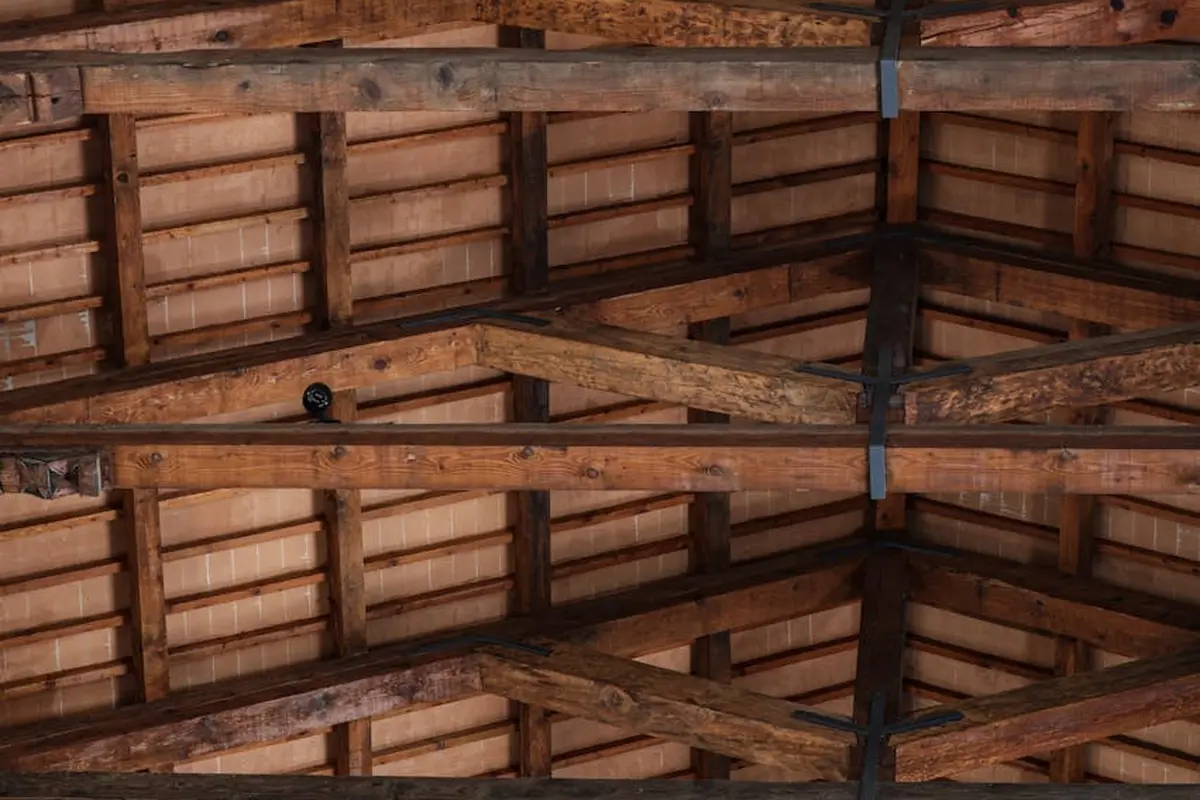
Mahogany is a rewarding wood to finish, but its structure creates specific challenges. Rushing the process is the biggest mistake you can make. Before you begin finishing, clean the mahogany wood surfaces to remove dust and oils. Cleaning mahogany surfaces first helps ensure a smooth, even finish. Here’s how to spot and fix the most common problems.
Blotchy, Uneven Stain
This is the classic mahogany headache. The wood has areas of wildly different density-the porous, fast-growing springwood soaks up stain like a sponge, while the dense summerwood barely accepts any. The result is a stark, splotchy contrast instead of a rich, even color.
The most reliable fix is to use a pre-stain wood conditioner, which is essentially a thin, penetrating sealer that partially clogs those thirsty pores. Apply it liberally, let it soak in for the time specified on the can (usually 5-15 minutes), and wipe off the excess. You must apply your stain while the conditioner is still tacky, not fully dry. For an even more controlled look, I often use a gel stain, which sits more on the surface and is far less prone to blotching.
Dull Spots or a “Cloudy” Finish
You’ve applied a beautiful clear coat, but patches look hazy or lack depth. This usually points to contamination or a sanding error. The most common culprit is sweat and oil from your own hands. Always wipe the piece down with a cloth dampened with mineral spirits just before applying finish. This lifts any unseen grease.
The other cause is sanding through the sealer coat. If you sand your first coat of finish to smooth it and hit bare wood, that spot will absorb the next coat differently, creating a dull patch. To avoid this, add a few drops of dye or transtint to your first seal coat; it will color the wood dust, making it obvious if you sand too deep.
A Rough, Gritty Final Surface
You followed the sanding steps, but the finished piece feels sandy. This is almost always due to “grain raise.” Mahogany’s open pores act like tiny straws. When you apply a water-based finish or even wipe with a damp cloth, moisture swells the wood fibers at the pore openings, making them stand up and feel rough.
The solution is simple: raise the grain on purpose before your final sanding. After you’ve sanded to 180 or 220 grit, wipe the entire surface with a damp rag. Let it dry completely. Those swollen fibers will harden. Then, lightly sand the entire piece with that same 220-grit paper just to knock off the fuzz. This one extra step ensures your final finish goes on glass-smooth wood, not a surface that will erupt with fuzz after the first coat.
Peeling or Poor Adhesion
When a finish chips or peels off easily, it failed to bond with the wood. This is often a chemistry problem. Applying a water-based polyurethane directly over an oil-based stain that hasn’t fully cured will cause it to bead up and adhere poorly. Always check cure times, not just dry times.
Another adhesion killer is silicone contamination from furniture polish. If you’re refinishing an old piece, scrub it thoroughly with a dedicated cleaner like Krud Kutter or denatured alcohol to remove any wax or silicone residue. For maximum adhesion on any project, always scuff-sand the sealed surface with 320-grit sandpaper before applying the next coat; this gives the fresh finish something mechanical to grip onto.
The Three Cardinal Sins to Avoid
Based on both chemistry and shop experience, here are the non-negotiable rules for a perfect mahogany finish.
- Rushing the Sanding: Stopping at 120-grit leaves microscopic tears and scratches that stain and finish will magnify. Progress smoothly through each grit (120, 150, 180, 220) to create a perfectly flat, closed surface.
- Skipping the Conditioner (if staining): It feels like an extra step, but it saves you from the nightmare of stripping and redoing a blotchy stain job. It is not optional for mahogany.
- Mixing Incompatible Products: Always follow the “like over like” rule or ensure full curing between dissimilar products. An oil-based finish over a fully cured water-based seal coat is fine. A water-based finish over a wet oil stain is a disaster.
Mahogany Finishing FAQ: A Wood Science Perspective
What type of stain works best for mahogany to avoid uneven coloring?
Gel stains are optimal for color control, as their high viscosity rests on the surface and fills large pores evenly, preventing rapid, blotchy absorption. Dye stains are a good secondary choice for deep, transparent color but offer less control over pore absorption than gels.
How do you apply a pre-stain wood conditioner on mahogany, and why does it work?
Apply conditioner liberally, let it penetrate for 5-10 minutes, then thoroughly wipe off all excess before it dries tacky. It works by temporarily sealing the porous spring grain to equalize absorption rates with the denser summer grain, creating a uniform staining substrate.
What is the recommended finish to protect mahogany and highlight its grain?
An oil-based finish like tung oil or Danish oil best enhances grain by penetrating and darkening the porous cellular structure from within. For high-durability surfaces, a thin coat of oil followed by a satin wipe-on polyurethane provides protection while preserving visual depth. Proper application techniques are essential to achieve the desired results.
How do you sand between coats when finishing mahogany?
Sand lightly with 320-grit abrasive solely to “de-nib,” removing dust particles without cutting into the finish film. This mechanical abrasion creates microscopic scratches for optimal inter-coat adhesion while maintaining film integrity.
What are the most critical mistakes to avoid when finishing mahogany?
The three cardinal sins are inadequate sanding progression, which leaves a uneven surface; skipping pre-stain conditioning when using pigment stains; and applying incompatible finish layers without allowing for full chemical cure between coats.
Maintaining Your Mahogany’s Finish and Grain
Always start with a washcoat of diluted shellac or a commercial sanding sealer. I’ve found this single step is the most effective way to prevent the ugly, uneven blotching mahogany is known for. This creates a stable base for your stain, letting the rich color and ribbon-like grain show through evenly. Your final choice of a durable topcoat, like a good oil-based varnish, then seals and protects that beauty for years.
My advice is to source your mahogany from suppliers who verify its sustainability, and to use finishes with low VOCs in a well-ventilated space. The best results come from respecting the material’s science, which is a skill that grows every time you work in the shop.
Relevant Resources for Further Exploration
- How to Finish Mahogany: 3 Great Tips for Finishing Your Woodworking Projects – Woodworkers Source Blog
- Finishing mahogany
- 111 – A Deep Red Mahogany Finish – The Wood Whisperer
- Minwax 70007444 Wood Finish, Red Mahogany, 1 Quart – Household Wood Stains – Amazon.com
David is a veteran woodworker. He is now retired and stays in his cabin in Wisconsin which he built himself. David has 25+ years experience working in carpentry and wood shops. He has designed and built many small and large wood projects and knows the science behind wood selection like the back of his hand. He is an expert guide on any questions regarding wood material selection, wood restoration, wood working basics and other types of wood. While his expertise is in woodworking, his knowledge and first hand experience is far from 'woody'.