
How Does Danish Oil Work? A Wood Materials Science Explanation
You might choose Danish oil for its easy application, but its real value lies in how it chemically bonds with wood. I’ll explain the science so you can use it confidently for durable projects.
We will cover the practical wipe-on application technique, the deep penetration and polymerization process inside wood cells, and the resulting long-term protection against moisture and wear.
My guidance is rooted in shop experiments where I’ve analyzed Danish oil’s interaction with various wood species under a microscope.
The Simple Science Inside the Can: What is Danish Oil?
Danish oil is not a pure oil. It is a hybrid finish, best described as a “wiping varnish” or an “oil/varnish blend.” This combination is the key to its unique behavior, merging the deep grain enhancement of an oil with the protective durability of a varnish. I keep both pure oils and film finishes in my shop, but I reach for Danish oil when I want a balanced, user-friendly result.
Every formula relies on three core components. The exact ratios vary, but you will always find a drying oil, a varnish resin, and a thinner.
- Drying Oil (Tung or Linseed): This is the penetrating agent. It soaks into the wood fibers, enriching the color and providing foundational protection from the inside out. Tung oil cures harder and resists water slightly better than linseed oil.
- Varnish Resin (Alkyd or Polyurethane): This is the film-former. After the thinner evaporates, this resin hardens on the wood’s surface, creating a thin, protective layer. Alkyd resins are traditional, while polyurethane offers a tougher film.
- Thinner (Mineral Spirits): This controls the working properties. It makes the blend thin enough to wipe on easily and regulates the drying time so you can work it into the wood.
Think of it as a thin, soak-in varnish. In practice, it applies as easily as an oil but leaves a more resilient surface. The thinner lets it flow into the wood like an oil, but the varnish resin ensures it hardens into a more protective coating.
Formulations are not standardized. One brand’s “Danish oil” might have more oil for a richer look, while another’s might have more resin for a tougher topcoat. “Teak oil” is often a very similar blend, but it typically contains more solvents to help it penetrate the natural oils in dense woods like teak. For most projects on common hardwoods, they perform similarly. I always test on a scrap piece to see how a specific brand behaves.
The Mechanism: How Danish Oil Sinks In and Stays Put
The magic of Danish oil happens in two distinct phases: penetration followed by film formation. You apply it, and it immediately starts to sink in. After 15-30 minutes, the leftover residue on the surface begins to cure into a film.
This two-stage process means the finish protects the wood from within its cells and on its outermost surface.
The hardening is due to polymerization. The molecules in the drying oil and varnish resin chemically link together when exposed to oxygen in the air. This creates a cross-linked, solid network. Polymerization is a slow chemical reaction, which is why Danish oil needs several hours between coats and days to fully cure.
How deep does it go? It penetrates more deeply than a standard polyurethane varnish, which forms a thick film on top. It does not penetrate as deeply or take as long to cure as 100% pure tung oil. Danish oil occupies a practical middle ground, offering noticeable depth with a reasonable drying time.
Does it seal wood? Yes, but not like a plastic laminate. It fills the wood’s pores and cell structure with hardened material, creating a barrier. Does it protect from water? It repels water effectively for indoor use, but it is not waterproof. A spilled glass of water will bead up for a short time, but you should wipe it dry to prevent marks.
Mechanism of Action: Capillary Action and Wood Cells
To understand the penetration, picture wood’s cellular structure. Wood is made of microscopic, hollow tubes called tracheids and vessels. When you apply Danish oil, capillary action draws the thin liquid into these tubes through surface tension, much like a paper towel absorbs water.
Wood is hygroscopic. It constantly absorbs and releases moisture from the air, which causes it to swell and shrink. By hardening inside the wood’s cells, Danish oil physically blocks moisture from entering, stabilizing the wood from the inside and reducing movement. This internal stabilization is why an oil-based finish often feels more “integral” to the wood than a surface film alone.
The Shop-Proven Method: Applying Danish Oil Correctly
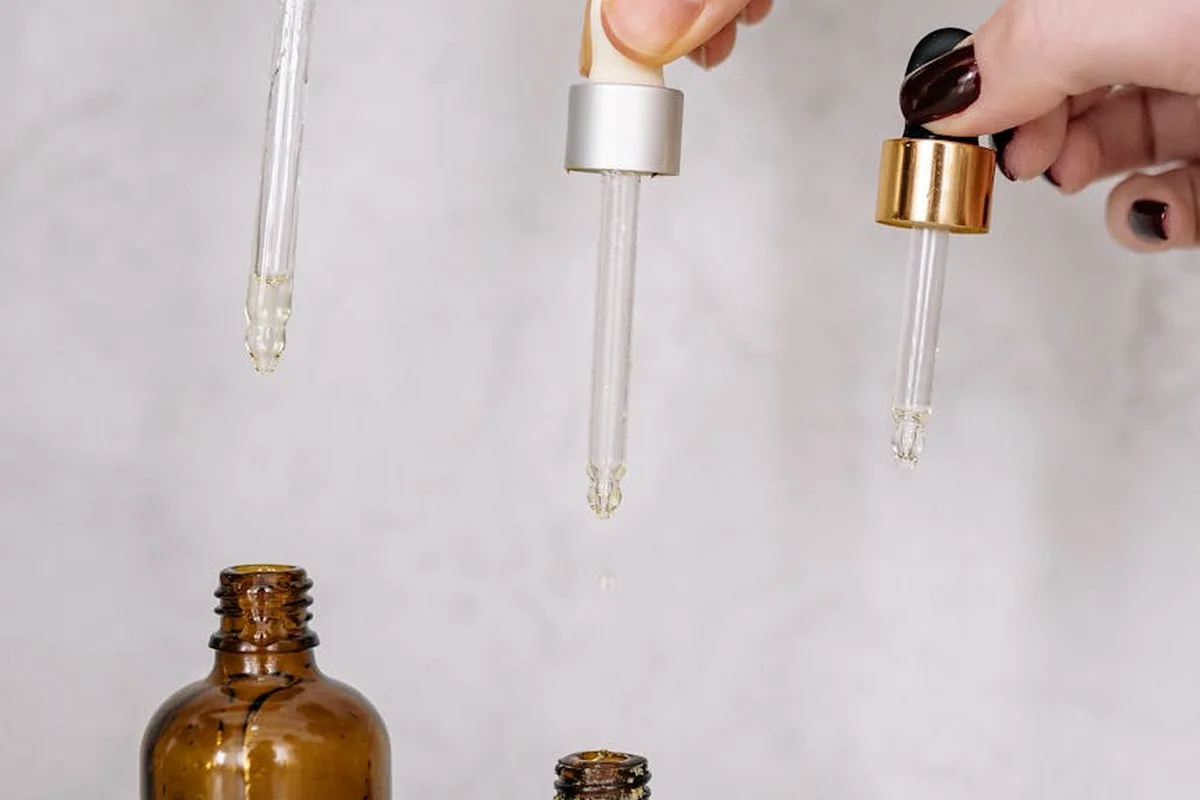
Think of this as your recipe. Follow these steps precisely and you will get consistent, professional results every time.
Step 1: Surface Preparation is Everything
This step is not 50% of the job. It is 90% of your finish’s final look and durability. Danish oil penetrates, so it highlights every flaw.
- Sand progressively. I start at 120-grit, move to 150, and stop at 180 or 220 for most projects.
- Raise the grain. After sanding, wipe the surface with a damp rag. This makes wood fibers swell. Let it dry completely, then lightly sand it smooth with your final grit. This prevents a rough “fuzzy” feel after your first oil coat.
- Remove all dust. Use a vacuum, then a tack cloth. Any dust left will be sealed into the finish.
A perfectly sanded and clean surface is the only foundation for a great oil finish.
Step 2: Apply the First Coat (Soak, Flood, and Wipe)
Do not be shy here. Pour a generous amount directly onto the wood or onto a clean, lint-free rag. A 4×4 foot panel might use a quarter cup for this first coat.
Spread it quickly, working it into the wood with the grain. Flood the entire surface so it looks wet and glossy. Ensure it soaks into end grain thoroughly, as that area is thirsty.
Step 3: The Critical Wipe-Down
Timing is key. Let the oil soak in for 10 to 20 minutes. Watch the surface. When the glossy wet look turns to a dull sheen, it is time to wipe.
Use clean rags to wipe off every bit of excess oil. Rub firmly along the grain. Any oil left on the surface will dry sticky and ruin the finish. Dispose of oily rags properly by laying them flat to dry outside, as they can spontaneously combust.
Step 4: Drying Time Between Coats
Do not rush this. In a warm (70°F), low-humidity shop, a thin coat may be dry to the touch in 4-6 hours. It is not ready for another coat.
Full curing for recoating takes longer, typically 8 to 24 hours. Cold, humid conditions can double this time. If the wood feels cool or smells strongly of oil, it is not ready.
Step 5: Sanding Between Coats (The Secret to Smoothness)
After your first coat is fully dry, lightly abrade the surface. I use extra fine abrasive pads or 0000 steel wool. You are not sanding the wood, you are knocking down any wood fibers that swelled and any microscopic grit.
Wipe away the resulting dust with a tack cloth. This creates a mechanical bond for the next coat and builds a smoother surface.
Step 6: How Many Coats Are Enough?
Apply 2 to 4 coats total. After the second coat, do a simple test. Sprinkle a few drops of water on the surface. If the water beads up, you have good protection. If it soaks in darkening the wood quickly, apply another coat.
The goal is to build protection in the wood’s pores, not a thick plastic layer on top.
Can You Use It Over Stain or an Existing Finish?
Yes, but with major caveats. It will only adhere to a porous, matte surface. You must completely remove any existing film finish (varnish, polyurethane). Over stain, test first. Some stains contain sealers that will block the oil. Always do a test spot on an inconspicuous area. Sand the existing surface thoroughly with 220-grit to provide a mechanical key for the oil to grip.
Wood Choice and Color: Where Danish Oil Shines (and Darkens)
Danish oil is versatile, but it performs best on certain woods. Understanding this saves you from frustration.
Best Suited Woods
It excels on open-grained hardwoods like oak, ash, and walnut. It also works beautifully on stable softwoods like pine, cedar, and fir. These woods have good porosity, allowing the oil to penetrate deeply for protection.
For oak and walnut, Danish oil is a classic choice because it dramatically enhances the grain contrast without making the wood look plastic.
The oil soaks into the large pores and softer earlywood, darkening those areas more than the harder latewood. This creates a beautiful, pronounced three-dimensional grain pattern you can feel.
Does Danish Oil Change Wood Color?
Yes, always. It adds a warm, amber tone. The change is subtle on darker woods like walnut, enriching the natural color. On light woods, the effect is more dramatic.
Maple and pine will take on a noticeable honey or golden tone. This is not a defect, it is the natural color of the resins and oils in the finish. Always test on a scrap piece to see if you like the color shift.
A Warning on Oily and Exotic Woods
Be cautious with woods like teak, ipe, or rosewood. Their natural oils repel Danish oil, a common choice for oil finishes in woodworking. The finish may never fully cure, remaining tacky for weeks. If you must use it, wipe the surface thoroughly with acetone right before applying to remove surface oils. A test piece is non-negotiable here.
Can You Use It on Exterior Wood?
Generally, no. Danish oil is not formulated for long-term UV and water resistance. It will break down quickly outdoors, leading to gray, weathered wood and frequent maintenance. UV degradation is a key concern for exterior wood. Finishes with UV protection help preserve color and durability.
The only exception is for a heavily maintained item, like a garden bench you plan to re-oil every 4-6 months. For true exterior protection, use a finish specifically designed for that purpose.
Long-Term Protection and Daily Care
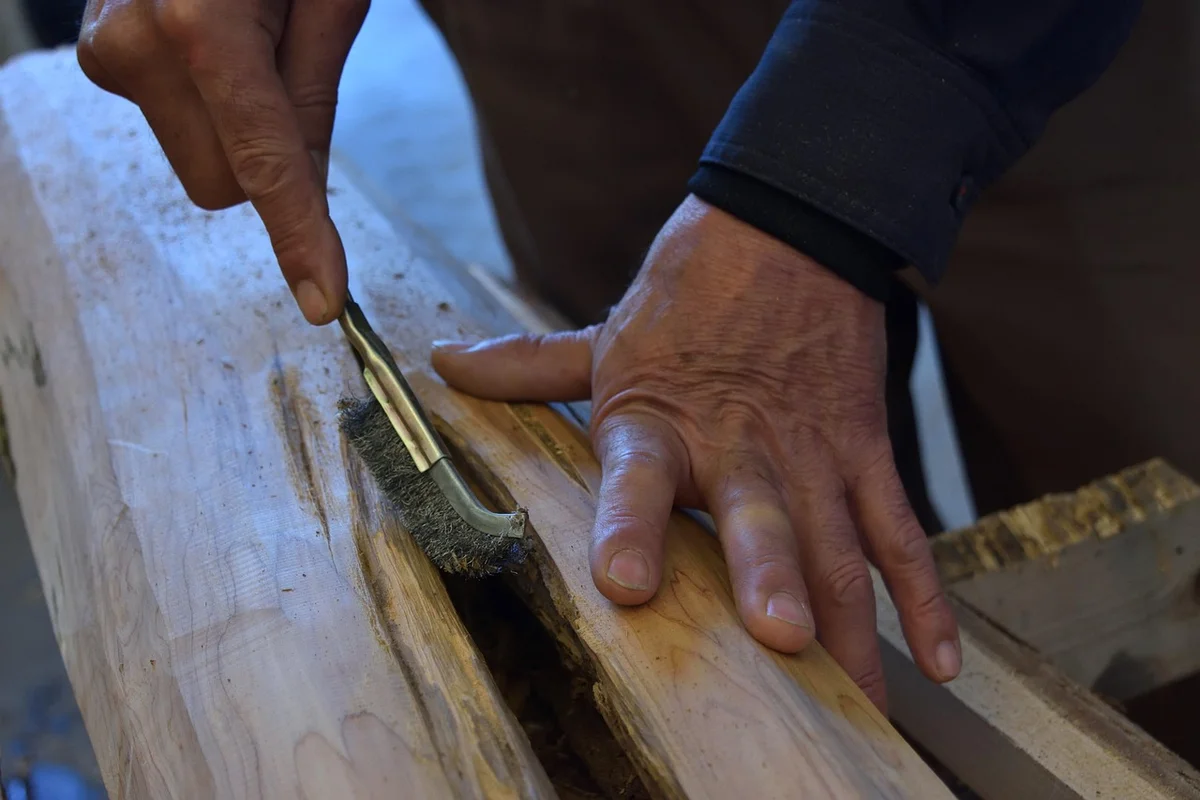
Danish oil works from the inside out. The oils seep deep into the wood fibers, then harden. This creates a flexible, durable barrier within the wood itself. A slight resinous film also forms on the surface. This combination gives you a finish that moves with the wood, resisting cracks that plague thick surface films, unlike some other oil finishes.
So, what does “long-term” mean? For a Danish oil finish on a well-used table, expect to refresh it every 5 to 10 years. A polyurethane film might last 20+ years before needing a full strip and refinish. I see Danish oil as a long-term relationship, not a one-time transaction.
Your maintenance routine is simple. That’s the beauty of it.
- Cleaning: Use a damp cloth. Wipe dry immediately. Avoid soapy water; it can degrade the oils over time.
- Refreshing: Once a year, or when the wood looks dry, wipe on a single, thin coat of oil. Let it soak for 10 minutes, then buff off the excess. It’s like giving the wood a drink.
Scratches happen. With Danish oil, you don’t panic. To repair a wear spot, just sand the area lightly with 320-grit paper. Wipe on a little oil, let it soak, and buff. The new oil will blend with the old, making the repair nearly invisible. You can’t do that with polyurethane.
Know its limits. Danish oil protects superbly against moisture in the air and daily skin oils. It will not protect a tabletop from a hot, wet coffee cup left overnight or from heavy abrasion. For that, you need a plastic-like film finish.
Choosing Your Finish: Danish Oil vs. the Alternatives
Picking a finish isn’t about “best.” It’s about the right tool for the job. Let’s compare Danish oil to other common finishes from my shop bench.
Danish Oil vs. Pure Tung or Linseed Oil
Pure oils penetrate and cure slowly. Too slowly. Pure tung oil can take days to dry between coats. Danish oil, with its added driers and resins, cures overnight. Danish oil builds a more substantial protective layer inside the wood than pure oil, offering better water resistance with far less hassle thanks to its polymerized components. I use pure oils for historical reproductions only.
Danish Oil vs. Wipe-On Polyurethane
Wipe-on poly is a thinned varnish. It sits mostly on the surface, creating a plastic-like shield. Danish oil soaks in. This is the core difference.
- Feel: Oil leaves the wood feeling like wood. Poly feels like plastic.
- Repairability: Spot-repair oil easily. Fixing poly means sanding through the entire film and recoating the whole surface.
- Clarity: Poly can look cloudy on deeply figured wood. Oil enhances chatoyance and depth.
Danish Oil vs. Film-Forming Varnish (Brush-On)
A thick varnish is your armor. It provides the highest resistance to scratches, water, and chemicals. Applying it well is a skill. It can show brush marks and runs. Danish oil is foolproof to apply but can’t match the sheer protective armor of a good varnish. Use varnish for a boat hatch. Use oil for a bookshelf.
The Clear Advantages of Danish Oil
- Application is simple: wipe on, wipe off. Beginner-friendly.
- It makes wood grain look deep and wet, not coated.
- Scratches and wear are easy to spot-repair.
- The finished surface feels warm and natural, not synthetic.
The Honest Disadvantages
- It is not a hard, plastic-like surface. It will mark more easily than poly.
- It requires occasional maintenance with a refresher coat.
- Never use it for a kitchen counter, bathroom vanity, or outdoor furniture. It is not for wet areas.
Safety, Curing, and Common Pitfalls
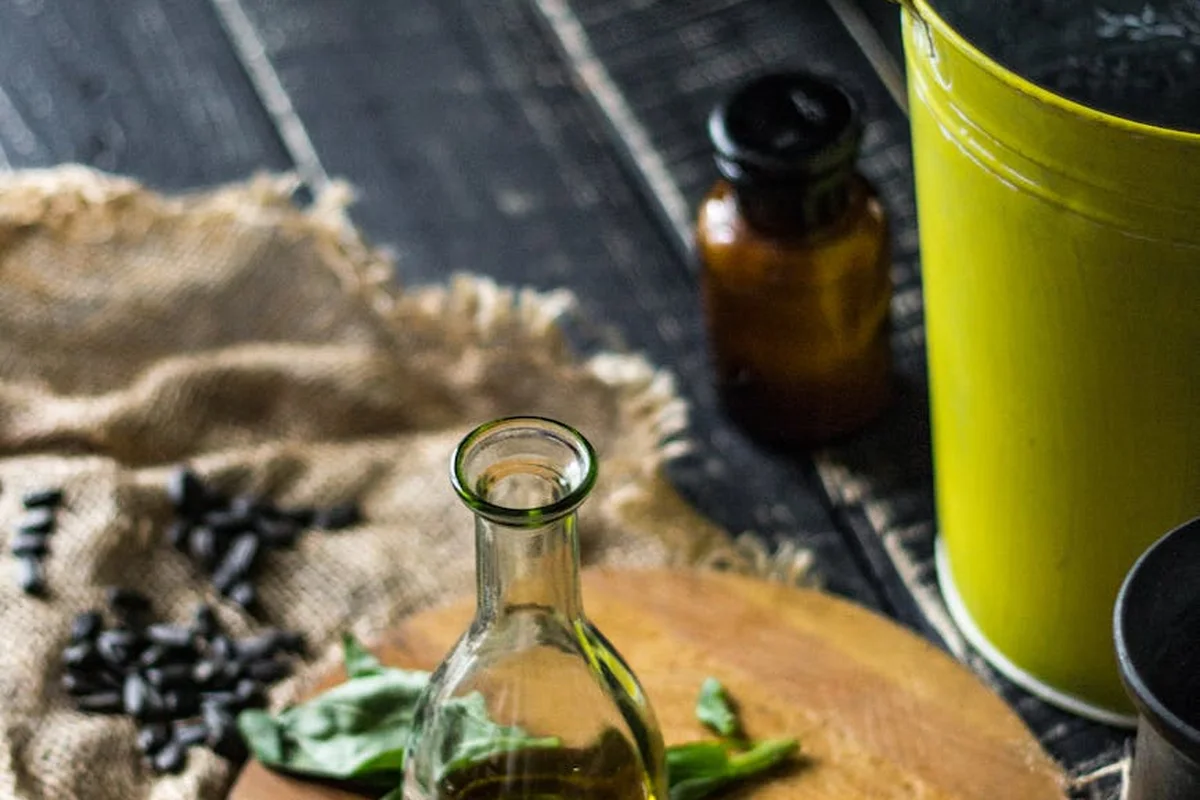
Applying Danish oil is straightforward, but the aftermath requires attention. Ignoring these steps can ruin your project or, worse, create a real hazard. To ensure the finish lasts, apply Danish oil protection last. This simple final step helps seal and protect the wood from moisture and wear.
Is It Food Safe? The Curing Truth
You can use a Danish oil-finished piece for food contact, but only after it has fully cured. This is not the same as being dry to the touch. Curing is the process where the oils harden through oxidation deep within the wood fibers. A surface can feel dry in 8-24 hours, but the chemical reaction underneath takes much longer.
For a cutting board or bowl, I consider it safe for use only after a full 30 days of curing at room temperature. This extended wait allows all solvent fumes to dissipate and the finish to polymerize completely into an inert, solid film. Rushing this risks transferring uncured oils and solvents to your food.
The Non-Negotiable Rag Warning
This is the most critical safety rule. Oily rags can spontaneously combust. The oils generate heat as they oxidize. Bunched up in a trash can, that heat has nowhere to go. It can build until the rag ignites.
You must dispose of used rags properly. I use one of two methods:
- Lay each rag out perfectly flat, single-layer, on a concrete driveway or non-combustible surface outside, away from structures. Once they are stiff and dry (usually 24-48 hours), you can throw them in the trash.
- Submerge them completely in a sealable metal container filled with water. A dedicated paint can with a tight lid works perfectly.
Never, ever leave oil-soaked rags piled up or stuffed in a plastic bag. Treat every rag as a potential fire.
Troubleshooting Your Finish
Even with careful application, things can go wrong. Here’s how to diagnose and fix common issues.
Sticky or Tacky Surface
A finish that stays sticky for days usually means one of two things. First, you applied too much oil and it pooled on the surface, creating a thick, gummy layer that can’t cure properly. Second, the application environment was too cold or lacked airflow, drastically slowing the oxidation process. The fix is to wipe the surface vigorously with a clean rag dampened with mineral spirits to remove the uncured excess, then ensure your shop is at least 65°F (18°C) with good ventilation for the next coat.
Blotchiness on Pine or Other Softwoods
Softwoods like pine have uneven grain density. The porous early grain soaks up oil like a straw, while the dense late grain resists it. This leads to dark, saturated streaks next to pale areas. To prevent this, I use a “wash coat” first. Seal the wood with a 1lb cut of dewaxed shellac or a commercial sanding sealer, then lightly sand with 320-grit paper before applying your first coat of Danish oil. This pre-seal fills the most porous grain, promoting a much more even color.
Poor Drying in a Cold Shop
The chemical reaction that cures Danish oil slows to a crawl below 60°F (15°C). If your shop is cold, warm the oil can in a bucket of warm water for 10 minutes before applying it to warm wood. Increasing the ambient temperature is far more effective than trying to force-dry the finish with a heat gun, which can cause other problems.
Your Final Practical Questions
How Do You Get a Deeper Finish?
Depth comes from building thin, fully cured layers. Apply a coat, wait 30 minutes, wipe it completely dry. Let it cure for 24 hours. Then lightly scuff-sand the entire surface with 400-grit abrasive paper or fine grey synthetic steel wool (like 3M’s). This does two things: it knocks down any wood grain that raised and creates microscopic scratches for the next coat to mechanically bond to. Repeat this process-apply, wipe, cure, scuff-for three to five coats. The final result will have a rich, soft luster that feels like part of the wood, not on top of it.
Can You Top-Coat It With Polyurethane?
Yes, but timing is everything. You must let the Danish oil cure completely, which I recommend waiting at least 72 hours for. Then, scuff-sand the surface as described above to provide “tooth” for the polyurethane to adhere to. Test adhesion on a scrap piece first. A fully cured Danish oil base provides excellent water resistance and warm color, while the polyurethane topcoat adds unmatched abrasion and heat resistance for tabletops.
What’s the Shelf Life?
An unopened, properly stored can last 3-5 years. Once opened, the clock ticks faster. Oxygen slowly begins to harden the oil in the can. To extend its life, squeeze out the air by transferring leftover oil to a smaller, full container. I use glass jars with tight lids. If you open the can and find a skin or jelly-like substance on top, the oil has begun to polymerize and should not be used. Strain it through a paint filter only if the liquid beneath is still thin and clear.
Danish Oil FAQ: Materials Science & Practical Use
1. Is Danish oil food-safe once fully cured?
Yes, but only after a complete, month-long cure at room temperature. Full polymerization renders the cross-linked oils and resins inert, creating a stable surface safe for food contact.
2. How should rags used with Danish oil be disposed of safely?
Oily rags must be laid flat to dry fully on a non-combustible surface outdoors to prevent spontaneous combustion. Never pile them up; after they are hard and dry, they can be disposed of with regular trash.
3. What types of wood are best suited for Danish oil?
It excels on open-grained hardwoods like oak and ash, where it enhances grain contrast, and stable softwoods like pine. Its penetration is hindered by naturally oily exotic woods like teak, which may not cure properly.
4. How does Danish oil protect wood in the long term?
It provides dual protection: polymerized oil within the wood cells stabilizes it against moisture movement, while a thin surface resin film resists wear. This internal stabilization reduces swelling and shrinking over time.
5. What are the main advantages and limitations of Danish oil?
Its key advantage is easy, foolproof application that enhances wood grain and allows for simple spot repairs. The primary limitation is its lack of a thick, plastic-like surface film, making it less resistant to heavy abrasion, heat, and prolonged water exposure than varnishes.
Maintaining Your Danish Oil Finish
Danish oil protects wood by seeping deep into its pores and curing into a flexible, resilient layer. The most critical step is applying thin, even coats and allowing each to fully oxidize before adding the next. This patience prevents a sticky surface and ensures maximum penetration for long-term durability. Done right, this finish merges with the wood, offering protection that wears in rather than wears off. It’s one of the best wood finishing oils that provides that sense of wood therapy.
Always source Danish oil from suppliers who use ethically harvested oils and low-volatile organic compounds to protect both your health and forests. Stay curious about how finishes interact with different woods-this knowledge is the foundation of responsible, enduring craft.
Related Guides and Information
- Danish oil – Wikipedia
- Danish Oil – A wood oil for all wooden surfaces – Furniture Clinic
- danish-oil.com – Danish Oil, protecting wood naturally
- How to apply Danish Oil – danish-oil.com
- Watco Danish Oil
- What is Danish Oil? | Vermont Woods Studios
- r/woodworking on Reddit: Danish Oil Application