
What Is Cherry Wood? A Woodworker’s Guide to Its Science and Grain
You’ve seen cherry wood’s rich, reddish-brown glow in fine furniture, but do you know why it darkens or how to pick the perfect board? As a woodworker, understanding its botanical roots and physical traits is key to mastering this classic material.
This guide goes beyond simple identification. We will cover the specific tree species used in woodworking, the science behind its famous color change, its key mechanical properties for joinery and finishing, and how to reliably distinguish it from common look-alikes in the shop.
My advice comes from milling hundreds of board feet and testing its behavior under planes, stains, and stresses in my own workshop.
The Science Behind the Tree: Botany and Classification
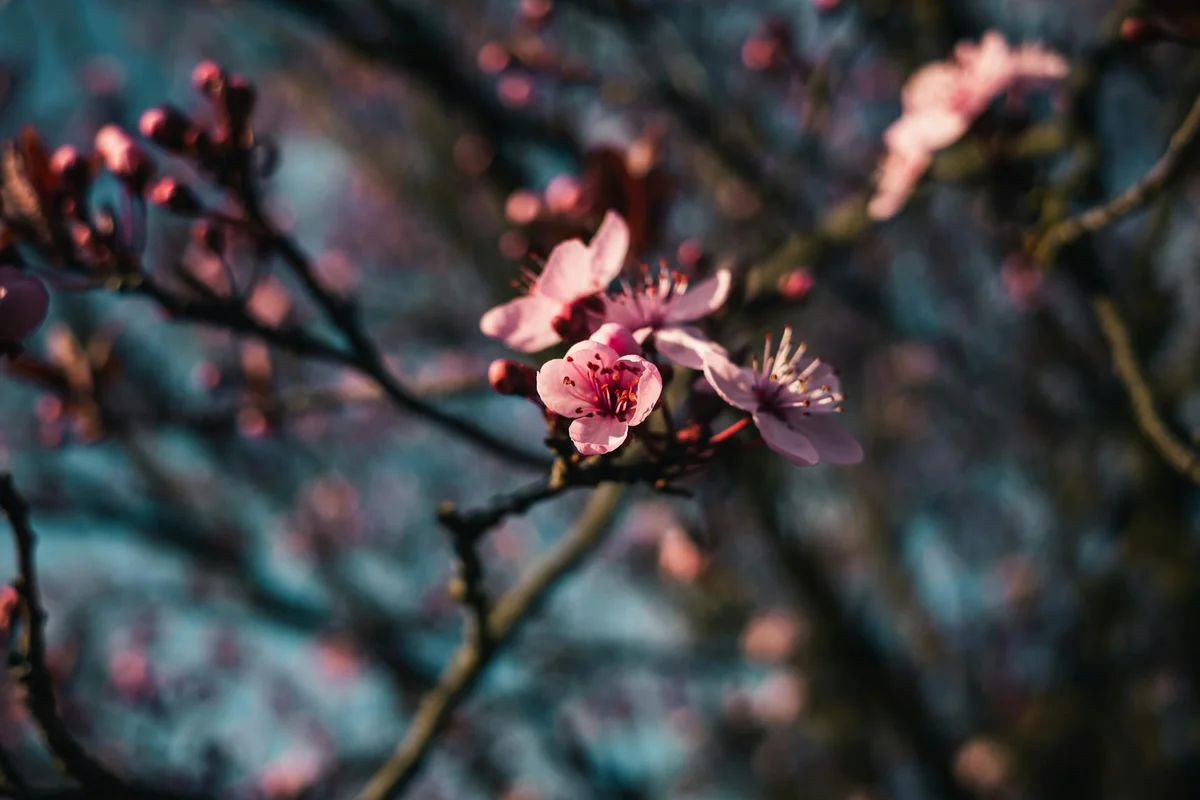
Yes, cherry wood absolutely comes from cherry trees. That seems obvious, but it’s a fair question. The lumber doesn’t come from the small orchard trees grown for fruit, though they are cousins. Instead, we use trees from the same genus, Prunus, that are specifically grown or harvested in forests for their timber. It’s the difference between a beefsteak tomato plant and a towering oak tomato tree, if such a thing existed. They’re related, but bred and managed for completely different purposes.
In North America, one species dominates the lumber market: Black Cherry (Prunus serotina). You might also see it called American Cherry or wild cherry. This is the primary wood you’ll find at the lumberyard. Its scientific classification places it firmly in the rose family, which explains a lot about its behavior and beauty.
- Kingdom: Plantae
- Division: Magnoliophyta (Flowering plants)
- Class: Magnoliopsida (Dicots)
- Order: Rosales
- Family: Rosaceae (The rose family)
- Genus: Prunus
- Species: serotina
This family connection is key. Woods from the Rosaceae family, like cherry, apple, and pear, often share traits like fine texture, moderate density, and a tendency to burn or “fuzz” if you machine them with dull tools. Knowing cherry is a rose family wood immediately tells an experienced woodworker to use sharp blades and take light passes.
The name “cherry” itself comes from the Old Northern French word “cherise,” which was based on the Latin “cerasum,” referring to the fruit. The wood inherited the name from the tree’s most recognizable product. When you work with cherry, you’re handling a piece of history, both natural and linguistic.
Mechanism of Action: Why Cherry Wood Looks and Acts the Way It Does
The magic of cherry wood happens at a cellular level. When you understand the mechanisms, its behavior in the shop makes perfect sense.
Freshly milled cherry is often a light pinkish tan. Leave a board in the sun for a few weeks, and it deepens into that rich, reddish-brown hue woodworkers cherish. This isn’t a stain. It’s a photochemical reaction. Cherry wood contains organic compounds called phenolics. When ultraviolet (UV) light from the sun and oxygen from the air interact with these compounds, they slowly polymerize, darkening the wood. Think of it like a slow-motion tanning process happening deep within the wood’s cells. This is why finishing cherry with a UV-inhibiting finish can slow the color change, a useful trick if you want to preserve a lighter tone.
Under a microscope, cherry is “diffuse-porous.” This means its water-conducting pores are uniformly sized and evenly distributed throughout each annual growth ring. Compare this to oak, which is “ring-porous,” with a band of large, distinct pores in its spring growth. The diffuse-porous structure of cherry is why it has such a fine, even texture with minimal prominent grain patterns. This structure also gives it excellent bending properties when steamed. The stress distributes evenly across the uniform cell matrix, unlike in ring-porous woods where stress concentrates at the bands of large pores.
You might wonder if the tree’s fruit production affects the wood. Cherry trees primarily fruit on “spurs,” which are short, gnarly branches that grow from older wood. They don’t fruit heavily on the vigorous, new-season shoots. This growth habit influences the lumber. The tree’s energy isn’t focused on explosive outward growth every single year. This often results in growth rings that are consistently spaced, not wildly variable. That consistency in the tree’s horticulture translates directly to the consistency in grain and stability that woodworkers value. The tree’s calm, spur-based fruiting habit is a big reason why cherry lumber tends to be stable and predictable in the shop.
Key Identifying Characteristics: The Shop Tests
Forget the textbook. In the shop, you identify wood by a few reliable markers you can see, feel, and smell.
Visual Markers
Freshly milled cherry heartwood is a light pinkish-brown. Its most famous trait is that it darkens dramatically with exposure to light, maturing to a rich, reddish-amber over weeks and months. The sapwood is nearly white, creating a stark, creamy contrast. Growth rings are fine and subtle. Look for small, dark gum pockets and occasional pin knots. These aren’t defects to me, they’re proof of authenticity.
Tactile and Workability Traits
Cherry has a moderate density, around 35 lbs per cubic foot. It feels substantial but never stubborn. Under a hand plane, it shears off in thin, crisp ribbons. The shavings have a mild, sweet scent, almost like almonds. This scent is a dead giveaway when sanding or cutting. Power tools leave a surface that’s already halfway to smooth.
Simple Identification Tests
If you’re unsure, try these quick checks.
- The Fingernail Test: Press your fingernail into a hidden spot. On pine, you’ll leave a deep dent. On cherry, you’ll make only a faint mark or none at all.
- The Sanding-to-Odor Test: Sand a small area vigorously with 100-grit paper. That distinctive sweet smell will confirm it’s cherry.
- End-Grain Inspection: Look closely at the end grain. You’ll see small pores, but they are diffuse and much less pronounced than the open pores of oak or ash.
Is Cherry a Hardwood?
Yes, cherry is botanically a hardwood. It comes from a deciduous, flowering tree (an angiosperm). But “hardwood” doesn’t always mean “hard.” Its Janka hardness score is about 950 lbf. For perspective, red oak is 1,290 lbf and hard maple is 1,450 lbf. Cherry sits in a sweet spot. It’s hard enough for durable furniture but soft enough to be a genuine pleasure to work with hand tools.
Cherry Versus the Shop Standbys: A Practical Comparison
Choosing wood is about trade-offs. Here’s how cherry stacks up against other common shop choices.
Cherry vs. Black Walnut
Walnut and cherry are often paired. Both darken with light, but in opposite directions. Cherry starts light and darkens. Walnut starts a chocolate brown and lightens to a softer tan. Walnut grain is more complex and figured, while cherry is typically straighter and calmer. Walnut is harder (1,010 lbf Janka) and more expensive, so I often use it as an accent to cherry’s larger panels. The combination is timeless.
Cherry vs. Hard Maple
This is a battle of beauty versus brawn. Maple is significantly harder and more wear-resistant, making it ideal for floors and countertops. But that hardness blunts tools faster. Maple’s pale color stays relatively stable, while cherry evolves. The biggest finishing difference is the pores. Cherry has small, open pores that need filling for a glass-smooth finish. Maple has closed pores, so it finishes slick with less effort. On the topic of oak vs maple for furniture flooring, oak’s warm, pronounced grain contrasts with maple’s pale, sleek surface. That grain and color difference can influence stain choices and wear patterns over time.
Cherry vs. Mahogany
Mahogany (the genuine Honduran kind) is the king of stability. It moves less with humidity changes than almost any other wood. Its pores are larger and more uniform than cherry’s, giving it that classic textured look under a finish. Mahogany was the staple for 18th-century furniture, while cherry became the American successor for similar styles. Today, due to sustainability concerns with traditional mahogany, I view responsibly sourced cherry as a superb, domestic alternative for heirloom pieces.
| Wood | Janka Hardness (lbf) | Color & Change | Relative Price |
| Cherry (Black) | ~950 | Light to dark reddish-amber | 1.0x (Baseline) |
| Black Walnut | ~1,010 | Brown to lighter tan | 1.8x – 2.5x |
| Hard Maple | ~1,450 | Off-white, slight ambering | 1.2x – 1.5x |
| Honduran Mahogany | ~900 | Pinkish to reddish-brown | 2.0x – 3.0x |
Working With Cherry: Expectations and Expertise
Cherry rewards those who know its quirks. Once you understand its personality, you can consistently produce beautiful work.
Managing the Color Transformation
Freshly milled cherry is a pale pinkish-tan. It doesn’t stay that way. Exposure to light, specifically ultraviolet (UV) wavelengths, triggers a photochemical reaction in the wood’s natural compounds. The result is that rich, reddish-brown patina we love. The key is to plan for this change, as it can take months or years to happen evenly on its own.
You have two main strategies. First, you can store your milled boards in a well-lit room for several weeks before final assembly to pre-darken them. Second, and my preferred method, is to use a finish with UV blockers to slow the change, or a UV-accelerating finish to speed it up uniformly. A coat of clear, water-based polyurethane with UV inhibitors will keep the wood closer to its fresh color for longer. For an even, accelerated patina, I’ve had good results with certain oil-based finishes that contain mild drying agents, which seem to catalyze the darkening process evenly across the entire piece. Alternatively, you can apply a modifying darkening wood stain to fine-tune the shade after these steps. When used with the UV controls mentioned above, it helps you dial in a uniform patina.
Milling and Movement Tips
Cherry has moderate movement-it expands and contracts with seasonal humidity changes, but not as dramatically as oak or maple. The scientific term for this is its dimensional stability, which is fairly good. To work with it, always mill your stock to final thickness and let it acclimate in your shop for at least a week before cutting joinery. This minimizes surprises later.
Board selection is critical. The pale, almost white sapwood (the outer, living part of the tree) does not darken like the heartwood. On some projects, a thin sapwood edge can be a nice accent. For a uniform look, you must visually sort your boards and orient sapwood to the back or underside of your piece, or simply cut it away. When selecting lumber, I look for boards with the narrowest sapwood bands possible; it’s a sign of a slower-grown, more mature tree and yields more usable heartwood.
Finishing Behavior and Best Practices
Cherry’s fine, closed grain is a dream to sand smooth, but it presents a classic finishing challenge: blotchy stain absorption. The wood’s density varies slightly between its growth rings, causing it to soak up liquid stains unevenly. If you want a colored finish, you must use a pre-stain wood conditioner to seal the grain partially and promote even color. Without it, you’ll get dark, muddy spots.
My go-to method celebrates the natural wood. I skip stain entirely. A simple oil-based finish like tung oil or a Danish oil blend brings out the depth and figure immediately and allows the natural color change to proceed beautifully. These finishes penetrate, enhancing the grain without hiding it under a plastic film. For tabletops needing more protection, a few coats of an oil-based varnish over an oil base coat provides durability while maintaining that warm, tactile feel. Learning the application methods makes a big difference—how you wipe, rub, and buff with oil shapes the final look. In the next steps, I’ll walk through practical techniques for applying oil finishes to wood.
Cherry Wood in Practice: From Furniture to Wands
You might have heard cherry referenced as a wand wood in popular fantasy. That fiction is rooted in a practical truth about the material. Cherry’s combination of moderate density and very fine, straight grain makes it exceptionally good for detailed carving and delicate shaping. It holds crisp edges without splintering easily. That grain-density clue is handy for identifying wood species by grain density.
This makes it a favorite not for magic, but for precise woodworking. It’s ideal for intricate inlay work, finely turned spindles, and detailed relief carvings. Its smooth cutting action is predictable under both hand tools and machinery, allowing for very controlled material removal. This “carvability” is why it has a historical association with ornate, elegant furniture styles.
Sourcing Cherry Responsibly
American black cherry (*Prunus serotina*) is a success story for North American forestry when managed well. It’s not a rare tropical hardwood, but it is a valued timber species. Seeking out lumber from suppliers who practice sustainable forestry ensures this beautiful wood remains available for future generations. Readers may also compare the sustainability of cherry versus walnut wood to inform responsible sourcing. Such comparisons help ensure long-term availability and responsible use of wood resources.
Look for local sawmills first. They often harvest selectively from managed woodlots. For larger retailers, ask if they carry FSC (Forest Stewardship Council) certified cherry. This certification tracks the wood from a responsibly managed forest to your local yard. Using cherry sourced this way means your project supports forests that are healthier, more diverse, and harvested at a rate the ecosystem can sustain. The quality from these sources is often superior, too.
Cherry Wood FAQ: Origins, Etymology, and Shop Science
1. Does the word “cherry” for the wood have a different origin than the fruit?
No, the wood takes its name directly from the tree’s fruit. The term entered English from the Old Northern French “cherise,” tracing back to the Latin “cerasum,” which specifically referred to the cherry fruit and the tree itself.
2. Is there a connection between “cherry” and Hebrew or biblical references?
No direct linguistic link exists. The cherry tree (*Prunus* genus) is not native to the Levant and is not mentioned in canonical biblical texts, making any Hebrew origin for the word “cherry” etymologically unsupported.
3. Why is American Black Cherry the primary commercial lumber?
*Prunus serotina* grows to ample size in Eastern North American forests, producing a high yield of stable, workable heartwood. Its superior dimensional stability and consistent grain pattern compared to many fruit-bearing orchard cousins make it the industrially viable choice.
4. Why doesn’t the pale sapwood darken like the heartwood?
Sapwood lacks the concentration of phenolic extractives found in heartwood. These compounds are the substrates for the photochemical polymerization reaction caused by UV light, so sapwood remains a stable, light color even with prolonged exposure.
5. Can I accelerate the darkening process reliably in my shop?
Yes, controlled exposure to ultraviolet light is key. Using a UV lamp or placing parts in direct, consistent sunlight before assembly ensures even patina development, mitigating the risk of uneven darkening after your project is built and finished.
Putting Cherry Wood’s Identity to Work
Knowing cherry comes from the Prunus genus helps you predict its behavior in the shop and on your finished piece. Its scientific name points directly to its family ties with fruit trees, explaining the potential for gum pockets and its distinct, warm color change. This isn’t just trivia; it’s practical knowledge that informs your material selection, finishing strategy, and project expectations. When you understand its botanical origin, you stop guessing and start working with the wood’s inherent nature.
Choose lumber verified as sustainably harvested, honoring the tree’s legacy through careful craftsmanship and durable construction. Your continued curiosity about wood science is the best tool for making informed, responsible choices.
Further Reading & Sources
- Cherry Wood: Color, Grain, & Characteristics – Vermont Woods Studios
- What is Cherry Wood: Color, Grain, and Other Traits
- Behind the Grain: The Unique Characteristics of Cherry Wood – Battle Born Wood Shop
David Ernst
David is a veteran woodworker. He is now retired and stays in his cabin in Wisconsin which he built himself. David has 25+ years experience working in carpentry and wood shops. He has designed and built many small and large wood projects and knows the science behind wood selection like the back of his hand. He is an expert guide on any questions regarding wood material selection, wood restoration, wood working basics and other types of wood. While his expertise is in woodworking, his knowledge and first hand experience is far from 'woody'.