
How Do You Clean Polyurethane Without Harming the Wood Finish?
You want to keep your polyurethane-protected table or floor looking new, but you’re unsure which cleaners won’t dull or damage that protective layer. As a woodworker, I’ve seen too many finishes clouded by well-intentioned but harsh cleaning attempts.
This guide provides shop-tested methods and explains the material science behind them. We will cover how polyurethane chemically reacts to cleaners, my tested list of safe cleaning solutions, a routine for daily upkeep, and the correct way to address spills and scratches.
My advice comes from systematically testing cleaning agents on polyurethane samples in my workshop to measure their real-world effects on the coating.
Lab/Shop Requirements: Your Maintenance Toolkit
You don’t need a chemist’s lab to care for polyurethane, just a few smart choices. Think of your finish as a thin, hard plastic shield. Your goal is to clean the shield without scratching or dissolving it.
Your core kit is simple.
- Microfiber cloths: These are non-abrasive and grab dust without leaving lint.
- Soft sponges: Use a new, clean sponge dedicated to finish care.
- pH-neutral soap: Look for dish soap labeled “mild” or “for delicate surfaces.”
- Distilled water: Tap water leaves mineral spots as it dries. Distilled water prevents this.
- Mineral spirits: This is your gentle solvent for sticky residues.
- Plastic scraper: For carefully lifting hardened gunk like wax or dried paint.
- Fine abrasive pads: #0000 steel wool or grey Scotch-Brite pads. These are for very light scuffing, not scrubbing.
Some common cleaners are finish-killers. Avoid them completely.
- Ammonia & vinegar: These are alkaline or acidic. They can etch and permanently dull the polyurethane surface.
- Abrasive cleaners or pads: Anything with grit or a rough scrubby side will leave fine scratches, making the finish look cloudy.
- Wax-based polishes or “clean-and-shine” combos: These build up over time, creating a gummy film that attracts more dirt. You maintain polyurethane by cleaning it, not by adding another layer on top.
Always work in a ventilated area when using mineral spirits. I wear nitrile gloves to keep solvents off my skin and to prevent oils from my hands from getting on the freshly cleaned surface.
Know Your Finish: Oil-Based vs. Water-Based Polyurethane
The first rule is to know what’s on your wood. The care protocol shifts slightly based on the chemistry. I keep samples of finishes I’ve used on project bottoms for reference.
Oil-based polyurethane is made by suspending oil-modified polymers in mineral spirits or other solvents. It cures through oxidation, forming a thick, amber film. Water-based polyurethane uses acrylic or urethane polymers suspended in water. It cures as the water evaporates, leaving a clear film. When deciding between the two, consider their differences in our oil vs. water-based finishes comparison.
Why does this matter for maintenance? The aging process is different.
Oil-based polyurethane yellows over time, especially with UV exposure. This isn’t dirt, it’s a chemical change in the finish itself. Cleaning won’t remove this warm patina. For polyurethane finish categories for furniture like antique reproductions or darker woods, this aging is often desirable, particularly when it complements the wood color and stain.
Water-based polyurethane stays much clearer as it ages. Its weakness is solvent tolerance. Harsh solvents like acetone or lacquer thinner can soften or mar it. For cleaning, stick to soapy water. Use mineral spirits only as a last resort on a hidden spot first. This clarity makes it a top choice for polyurethane finish categories for wood like maple, ash, or any project where you want to preserve the natural color.
In my shop, I choose oil-based for durability on high-wear surfaces like a workbench top, and water-based for light-colored modern pieces. Your maintenance simply respects the material you started with.
The Best Practice Workflow for Routine Cleaning
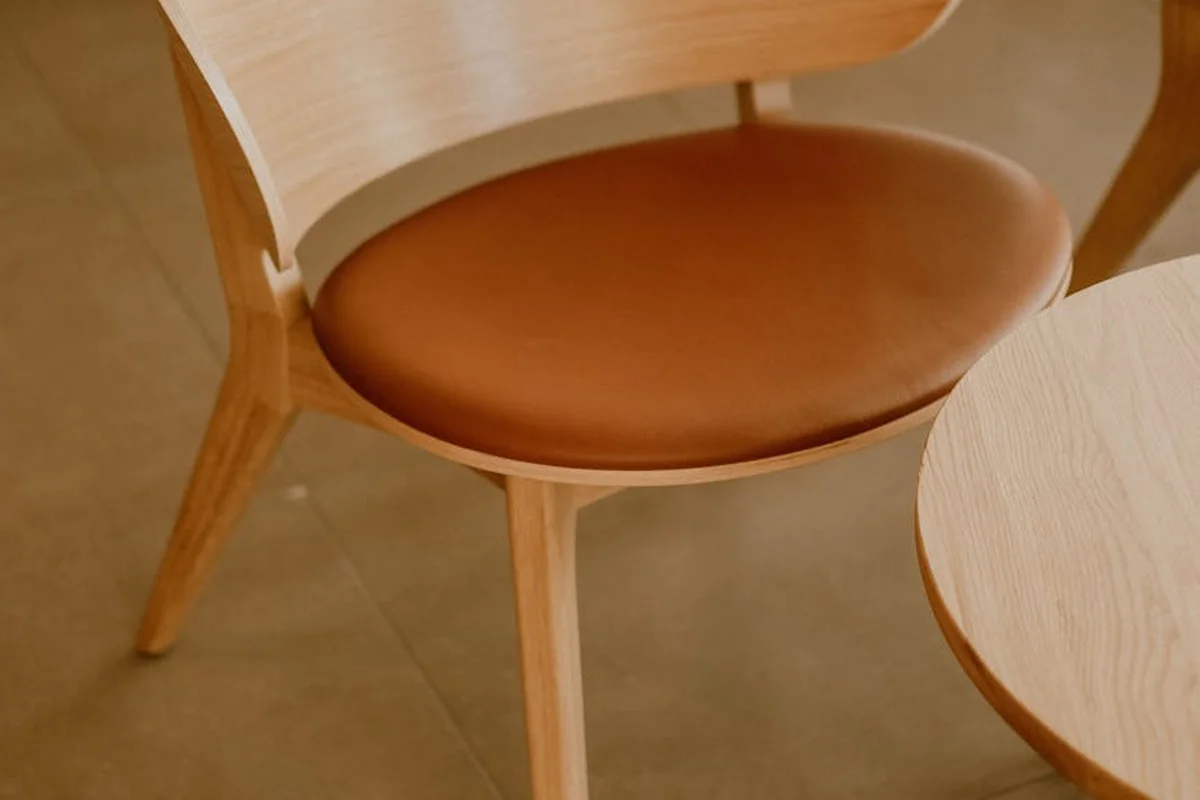
Think of your polyurethane finish as armor. Its job is to take the hits so the wood doesn’t have to. But that armor can get scratched, dulled, or weakened by the wrong cleaning habits. The goal is to remove dirt without abrading the plastic coating itself. The method below works for any cured polyurethane, whether it’s on a floor, a table, or a countertop. Proper maintenance is especially crucial for polyurethane wood floor finishes.
This routine is your baseline. Do this weekly, or before any wet cleaning, and you’ll prevent 90% of finish problems.
Step 1: The Non-Negotiable Dry Dust
Never skip this. Dust and grit are microscopic sandpaper. Wiping a dirty surface with a wet cloth just grinds those particles into the finish, creating a network of fine scratches called “cobwebbing.”
- Use a dry, soft microfiber cloth, a dust mop with a microfiber head, or a soft-bristle broom.
- Always move with the wood grain. This ensures any microscopic scratching follows the grain pattern, making it virtually invisible.
- For floors, start from the edges and work toward the center of the room to avoid trampling dust back onto clean areas.
Step 2: Mixing the Universal Cleaner
You don’t need a special branded “wood cleaner.” The most effective solution is also the simplest and gentlest.
- Use a clean bucket or spray bottle.
- Fill it with one quart of lukewarm water.
- Add three to four drops of a pH-neutral dish soap or castile soap. I use plain blue Dawn or Dr. Bronner’s.
- Mix gently to avoid creating lots of suds. You want a soapy water solution, not a bubble bath. Excessive suds leave a filmy residue that attracts more dirt.
Step 3: The Wiping Technique
This is where technique matters more than product.
- Dampen your microfiber cloth in the solution. Wring it out until it is only slightly damp, not dripping wet. For floors, wring the mop head until no water drips.
- Wipe the surface, again moving with the grain. Use light pressure. You are wiping away light oils and fingerprints, not scrubbing grout.
- Rinse your cloth or mop head frequently in a second bucket of clean water (or under a tap).
- Immediately follow with a second, dry microfiber cloth to wipe the surface completely dry. Never let moisture air-dry on the finish. Standing water is the enemy, even for waterproof poly.
This “damp-wipe, immediate dry” method prevents water spots and prevents any cleaner residue from dulling the surface over time. It’s safe for oil-based and water-based polyurethane on any project.
How to Tackle Stains and Spots Without Damage
Accidents happen. The key is to match your response to the chemistry of the stain. Always start with the gentlest possible method. You can always escalate, but you can’t undo damage from a cleaner that’s too harsh.
Here is your decision tree for common mishaps.
Water Rings or White Spots
These are not stains on the wood. They are a cloudy film on or in the finish itself, caused by moisture trapped in microscopic pores or scratches, not stains that penetrate the wood.
- First, try this: Rub the area gently with a dry microfiber cloth. Sometimes, it’s just surface moisture.
- If that fails: Apply a tiny dab of paste wax or a product like “Old English Scratch Cover” (for the correct color) to a cloth. Buff the spot gently, then buff the entire surface to an even sheen. The oils can sometimes fill the cloudy imperfections.
- The science: For oil-based polyurethane, which yellows over time, a white spot is a stark contrast. The wax method often works. For water-based poly, which stays clear, the spot is more obvious. Water-based poly is generally more resistant to water spotting, but when it happens, it can be more stubborn. Proceed with extra caution.
Grease, Oil, or Sticky Food Residue
Your mild soap solution is your first weapon here.
- Dampen a cloth with your soapy water and lay it flat over the spot for 60 seconds to soften the grease.
- Wipe gently with the grain. Repeat if needed.
- Dry immediately. Do not use undiluted dish soap, degreasers, or ammonia-based cleaners. They can break down the plasticizers in the polyurethane, leaving it brittle and cloudy.
Ink, Dye, or Tough Stains
This requires a mild solvent. Isopropyl (rubbing) alcohol is often a safe choice because it evaporates completely and quickly.
- Dampen (don’t soak) a corner of a white cloth with 70-90% isopropyl alcohol.
- Test it in an inconspicuous area first, like the underside of a table. Wait a minute to check for dulling or softening.
- If the test passes, dab (don’t rub) the stain. The goal is to lift it, not dissolve the finish. Switch to a clean part of the cloth frequently.
- Once the stain is gone, wipe the area with your mild soap solution and dry it to remove any alcohol residue.
Adhesive Residue (Tape, Stickers, Glue)
You need to break the bond of the adhesive without attacking the polyurethane.
- Try warming the glue first. Hold a hairdryer on a low setting a few inches away for 15-20 seconds to soften it. Often, you can then peel or roll it off with your finger.
- For leftover gumminess, use a tiny bit of mineral spirits on a cloth. Mineral spirits is a petroleum distillate and is generally safe for cured oil-based polyurethane. For water-based poly, test first in a hidden spot, as it can be more sensitive.
- Wipe the area clean with soapy water and dry thoroughly.
Your universal rule: always test any new cleaner, solvent, or method in an unseen area first. A finish can react differently based on its age, brand, and how well it was applied. What works on my shop table might haze yours. Patience and a gentle hand will keep your polyurethane armor shining and protective for decades—unlike aggressive methods used to remove polyurethane finish from wood.
Fixing Scratches and Dulling: Spot Repair Methods
Your first step is always a diagnosis. Place a bright light at a low angle across the scratch. Does it catch the light but feel smooth to your fingernail? That’s a surface scuff in just the topmost layer of the polyurethane film. Can you feel a distinct groove with your nail? That’s a deeper scratch that has cut through the protective film and into the wood’s stain or the wood itself.
For those shallow scuffs that simply cloud the finish, you have two excellent options. The classic shop trick is to use the oil from a walnut or pecan meat. Rub the nut meat firmly over the scuff; the natural oils can temporarily re-fuse the micro-scratches and hide the mark. It’s a quick fix, but it’s not permanent and will need reapplication.
For a more durable solution, use a dedicated furniture polish or rubbing compound designed for synthetic finishes. I keep a bottle of a product like Guardsman Furniture Polish in my shop. Apply a small amount to a soft cloth and rub with the grain using moderate pressure. These polishes contain very fine abrasives and lubricants that level the scratched surface without cutting deeply.
Deep scratches require a more surgical approach. You must very carefully sand the scratch and a small surrounding area with 400-grit sandpaper, just enough to level the edges of the gouge. Wipe away dust, then apply a fresh coat of polyurethane just to that sanded spot using a fine artist’s brush. Let it cure fully for at least 48 hours, then lightly sand the slightly raised repair area with 600-grit paper to blend it level with the surrounding finish. This is especially important when fixing scratches and gouges in wood flooring.
Attempting to polish or fill a deep scratch that exposes raw wood will always look worse, as you’re trying to fix a 3D void with a 2D solution. If the scratch network is dense, covers a large area, or the finish is already thin from previous polishing, you’re fighting a losing battle. At that point, spot repairs will create an uneven, patchy surface. The only reliable fix is to strip and refinish the entire surface, especially when dealing with different wood species that may react differently to repair methods.
Preventive Maintenance: Your Long-Term Care Plan
Think of your polyurethane finish as a shield. Your job isn’t just to patch the shield, but to prevent blows from landing on it in the first place. This is where proactive care saves you hours of reactive repair.
Environmental control is your most powerful tool. Always use coasters and placemats. I insist on felt pads under every lamp, vase, and decorative object. Direct sunlight is a finish’s greatest enemy. UV radiation doesn’t just fade stain; it causes photodegradation in the polyurethane itself, leading to brittleness and yellowing in some formulas. Use curtains or UV-filtering window film.
Manage your home’s humidity to between 35% and 55% to protect the wood underneath the finish, as drastic wood movement can stress and crack the polyurethane film over time. A simple hygrometer from the hardware store lets you monitor this. For cleaning, dust weekly with a microfiber cloth. When you need to clean grime, use a damp (not wet) cloth with a drop of mild dish soap, and immediately dry the surface.
I do a formal maintenance check on my furniture each season. It takes five minutes per piece. I look for new scratches, check for dulling in high-traffic areas, ensure felt pads are still in place, and verify that no moisture is sitting on surfaces. This habit catches small issues before they become big projects.
For exterior polyurethane finishes, the rules are stricter. Exterior poly is formulated with UV inhibitors and more flexibility, but it faces constant assault. Inspect outdoor pieces monthly during warm seasons, looking for early signs of whitening or grain raising, which signal moisture breach and UV damage. Recoat exterior polyurethane every 1 to 2 years, depending on sun and weather exposure, to maintain its protective barrier. No finish outdoors is truly “maintenance-free.”
Frequently Asked Questions: Polyurethane Finish Care
1. Why is pH-neutral soap the recommended cleaner for polyurethane?
Polyurethane is a polymer plastic coating that can be chemically etched by acidic or alkaline cleaners, leading to permanent dullness. A pH-neutral soap in distilled water cleans surface oils without triggering this damaging chemical reaction.
2. How does solvent compatibility differ between oil-based and water-based polyurethane?
Oil-based polyurethane, being cured through oxidation, has high tolerance to mild petroleum solvents like mineral spirits for cleaning residues. Water-based polyurethane’s acrylic matrix is more susceptible to softening by these same solvents, requiring a preliminary test in an inconspicuous area. These differences guide solvent use and finish selection between oil-based and water-based systems. A concise oil vs water-based polyurethane comparison can provide a quick reference for decisions ahead.
3. Why should wax-based polishes be avoided on polyurethane finishes?
Waxes create a temporary, sacrificial top layer that attracts dust and degrades into a gummy film, complicating future cleaning and repairs. Polyurethane’s durability is inherent; proper maintenance relies on cleaning the engineered coating itself, not adding a less durable material on top.
4. What are the first signs that an exterior polyurethane finish needs recoating?
Look for a whitish, chalky appearance or raised wood grain, which indicate UV degradation and moisture penetration through the film. These are material failures of the coating’s additives; cleaning cannot restore them, necessitating sanding and a fresh application for continued protection.
5. When is a polyurethane surface too damaged for polishing and in need of refinishing?
When fine scratches are dense enough to create uniform cloudiness, the finish film has been abraded too thin for effective polishing. Further abrasion risks cutting through the coating entirely, making a full strip and recoat the only scientifically sound restoration method.
Preserving Your Work and Your Finish
Polyurethane’s strength comes from its cured plastic film. Your entire maintenance routine should protect that film by using the gentlest effective methods. Stick with simple pH-neutral cleaners and soft cloths for dust and light grime. For tougher issues, always test any solvent or abrasive in an inconspicuous spot first. This simple, cautious approach will keep your finish clear and durable for decades.
Maintaining a wood finish is an extension of responsible ownership. I view it as part of a larger commitment to forest stewardship, choosing materials and methods that ensure our work lasts, reducing the need for replacement and honoring the original material.
Deep Dive: Further Reading
- The Ultimate Guide to Cleaning and Maintaining Polyurethane Surfaces 2025
- 4 Ways to Clean Polyurethane Wood Floors – wikiHow
- How To Clean Polyurethane Wood – Woodworking By LPI Custom
- How Do I Clean Polyurethane Finish Cabinetry? – Mike’s Woodworking
- Care & Cleaning of a Polyurethane Finished Table – Grain Designs
- How To Clean A Polyurethane-Coated Hardwood Floor – Hunker
- How to Clean Polyurethane | SawsHub
David Ernst
David is a veteran woodworker. He is now retired and stays in his cabin in Wisconsin which he built himself. David has 25+ years experience working in carpentry and wood shops. He has designed and built many small and large wood projects and knows the science behind wood selection like the back of his hand. He is an expert guide on any questions regarding wood material selection, wood restoration, wood working basics and other types of wood. While his expertise is in woodworking, his knowledge and first hand experience is far from 'woody'.