
How Does Oxalic Acid Chemically Remove Iron Stains from Wood?
Black iron stains or dark tannin blotches can ruin a finished piece, making it look damaged beyond repair. Oxalic acid is the woodshop chemical that targets these discolorations through a specific reaction.
I will explain the practical chemistry and give you my shop-tested method, covering the redox reaction that dissolves iron oxide, correct dilution and application for different woods, and the mandatory neutralization process to stop the acid.
I base this advice on repeated bench tests, measuring stain removal on species from white oak to cherry under controlled shop conditions.
What Oxalic Acid Is and Why It’s in Your Shop
You might picture a lab chemical, but oxalic acid is a natural substance. It forms colorless crystals in plants. You can find it in rhubarb leaves, spinach, and sorrel. In your shop, it’s a targeted problem-solver.
Its primary job is to erase two specific, frustrating stains: iron-tannin blotches and dark tannin spots. Think of it as a specialist, not a janitor. It reacts with the stain molecules themselves.
It is not a general-purpose cleaner for dirt or grease, and it cannot fix scratches, dents, or sand out pigmented stains. Using it for those is a waste of time and material.
You typically buy it as a white powder to mix with warm water. A common shop mix is one tablespoon of powder per cup of water. You can also find it pre-mixed in bottles, which is convenient but often more expensive per use.
The Shop Chemistry: How Oxalic Acid Works on Wood
Knowing the “why” makes you more confident with the “how.” This isn’t magic. It’s predictable chemistry you can use to your advantage.
The Iron Stain Reaction: Turning Blue-Black Back to Brown
That ugly blue-black stain on oak from an old nail, or gray marks from steel wool, has a name: iron tannate. It forms when iron ions (from rust, water, or metal) meet the natural tannins in wood like oak, cherry, or walnut.
Oxalic acid is a stronger partner for iron than the tannins are. When you apply the solution, the acid molecules seek out and bind to the iron ions. This forms a new, water-soluble compound called ferrous oxalate.
Imagine oxalic acid as a chemical magnet that pulls the iron out of the wood’s fibers. Once the iron is bound up, you simply rinse it away with water. The dark complex is gone, leaving behind the wood’s original color.
The Tannin Stain Process: A Gentle, Controlled Bleach
Sometimes the stain is just the wood itself. A dark water ring on a tabletop is often concentrated tannins. Tannin bleed under a finish appears as a dark shadow.
Oxalic acid acts as a mild reducing bleach. It breaks apart the large, colored tannin molecules into smaller, colorless pieces. It lightens the spot without severely attacking the wood’s structure, unlike some chemical bleaches used in wood staining.
This is different from chlorine bleach. Chlorine is a harsh oxidizer that destroys lignin, the glue holding wood cells together. It can leave the wood fuzzy and weak. Oxalic acid is much gentler on the wood’s integrity. Understanding how different wood treatment chemicals behave helps explain these outcomes. Their properties—reactivity, selectivity, and impact on wood integrity—guide their use in different applications.
This gentle action is why oxalic acid wood stains on oak are so effective; oak is packed with tannins, making it prone to both iron stains and dark water marks. It tackles the root cause without damaging the surface.
The Best Practice Workflow for Applying Oxalic Acid
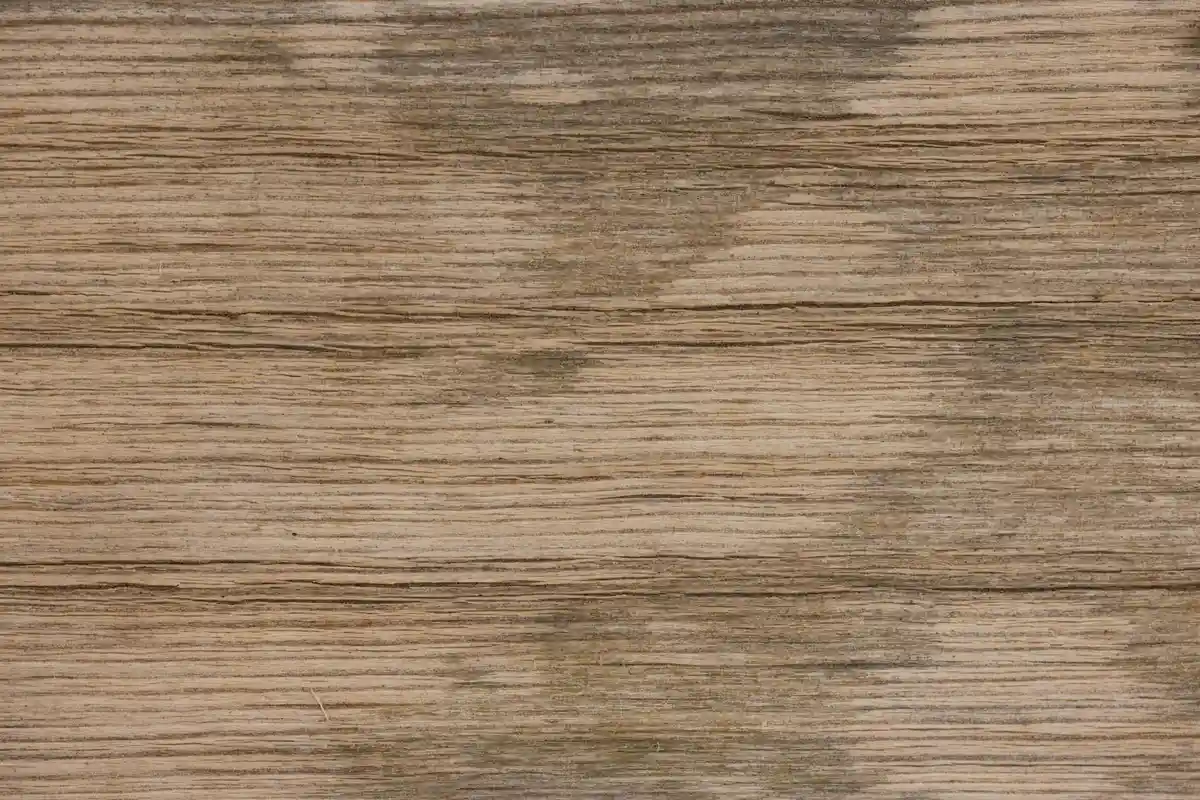
Think of this as a lab procedure for your workshop. Precision here prevents problems later.
Safety and Preparation: Non-Negotiable First Steps
Oxalic acid is a mild acid, but “mild” doesn’t mean safe. You are handling a chemical. Start here, every time.
- Chemical-grade gloves and goggles are mandatory. I use nitrile gloves. If you are mixing the fine powder, a respirator with an organic vapor/acid gas cartridge is smart to avoid inhaling crystals.
- Work with doors open or a fan pushing air out. You don’t want to breathe the vapor.
- Always test. Apply a small amount of your mix to a hidden spot. Check for unexpected color changes or finish damage after 30 minutes.
This test saves you from turning a small stain into a large disaster.
Mixing, Applying, and Neutralizing
This is where the chemical reaction happens. Your job is to control it.
Use warm, distilled water if you can. It helps the crystals dissolve fully. A standard mix is 1 tablespoon of oxalic acid crystals per 1 cup of warm water. I mix in a clean glass jar. Never use metal containers.
Apply it with a cheap nylon brush or a rag. Don’t be shy. You need to flood the stained area, not just dab at it. The solution needs to penetrate and reach all the iron or tannin compounds.
Let it dwell. Watch the stain. For a surface black spot, you might see it start to fade in 10 minutes. Deep gray streaks can take 30 minutes or more. The wood will look wet and darker. That’s fine — it’s just the first step in lightening wood stain to achieve your desired color.
Rinsing is not optional. Use clean water and a rag to flush the area thoroughly. You are washing the reacted chemicals away. If you leave them, they will recrystallize.
Now, neutralize. Mix a tablespoon of baking soda into a quart of water. Wipe this over the rinsed area. It will fizz slightly, confirming it’s killing any leftover acid. This neutralization step guarantees the reaction is completely stopped. Let the wood dry fully, which can take a day.
Troubleshooting Common Problems
Even with perfect steps, wood can be unpredictable. Here’s what to do.
If the stain remains after drying, you can repeat the process. Some iron stains penetrate deep into the pores. After two full treatments, what’s left may be permanent. The wood fibers themselves might be stained.
A white, chalky film after drying is a classic sign. It means oxalic acid crystals reformed because rinsing was incomplete. Fix it by rewetting the area with clean water, scrubbing lightly with a nylon brush, and rinsing again. Follow with the baking soda wipe.
The process will raise the wood grain. Water does that. Once the piece is bone dry, you must lightly sand the treated area with 220-grit paper to bring back a smooth surface. Always sand with the grain.
Oxalic Acid Versus Other Common Stain Fighters
Reaching for oxalic acid when you need bleach is like using a chisel as a screwdriver. It might work, but it’s the wrong tool. Here’s how to choose.
For Iron Stains: Oxalic Acid vs. Vinegar
For black iron stains, oxalic acid wins outright. Vinegar (acetic acid) is a weak acid. It can’t grab onto and remove iron ions effectively. Oxalic acid is a chelating agent. It forms a tight, soluble ring around the iron molecule and pulls it out of the wood. This is a practical example of wood stains chemistry selection in action. I’ve tested both side-by-side on rust-stained oak. Vinegar did almost nothing. Oxalic acid made the stain vanish.
For Tannin Stains and General Lightening: Oxalic Acid vs. Two-Part Wood Bleach vs. Hydrogen Peroxide
This is about the scale of change you need.
Oxalic acid is a mild, targeted bleach. It lightens surface tannin stains (like water rings on oak) and evens out some overall color. It works by reducing colored compounds, not destroying them.
Two-part bleach (sodium hydroxide and hydrogen peroxide) is a demolition crew. It breaks down the lignin, the dark glue that holds wood fibers together. In wood cleaning, pH—whether a solution is acidic or alkaline—drives how color and structure respond. Alkaline options like this one break down lignin most aggressively, while acidic cleaners yield gentler color changes. Use it when you need to strip out deep, natural color, like turning black walnut to a pale tan.
Common 3% hydrogen peroxide from the pharmacy is an inconsistent cousin to oxalic acid. It can lighten some tannins but often leaves splotchy results and does nothing for iron. It also decomposes quickly once opened.
For antique furniture stain removal, oxalic acid is often the perfect choice. It removes the specific stains (iron, tannin, some inks) without the aggressive, all-over bleaching that can rob old wood of its character—unlike some of the harsher methods used for wood furniture stain removal.
Handling Oxalic Acid Safely in Your Workspace
Safe handling doesn’t end when the stain is gone. It’s about respect for the material in your shop.
Store the powder in its original container with a clear label. Keep it in a dry cabinet, away from moisture and other chemicals, especially chlorine bleach. Mixing acids and chlorine creates dangerous chlorine gas.
Dispose of leftover solution responsibly. Dilute it with several gallons of water and pour it down a drain with the water running. This further dilutes it to harmless levels. Never pour concentrated solution anywhere.
Protect your shop. Drips on a concrete floor are mostly fine, but oxalic acid can etch and dull polished stone or certain metals. Use a plastic drop cloth. Clean spills immediately with water and baking soda.
Remember, this is a specialized chemical tool, not an all-purpose cleaner. Its job is to solve specific stain problems. Respect its power, and it will serve you well for decades.
Frequently Asked Questions: Oxalic Acid Stain Removal
Is oxalic acid stain remover safe for use on finished furniture?
Oxalic acid solution must only be applied to bare wood. The acid can damage most finishes and will not penetrate them to reach the stain beneath. You must completely strip the finish from the affected area before treatment, then refinish after neutralization and sanding. If you’re planning to change the wood stain color after application, the next steps will guide you through that process.
Why does oxalic acid work so well on oak specifically?
Oak has a very high concentration of tannins, making it extremely prone to forming dark iron-tannate complexes. Oxalic acid excels at reversing this specific reaction, effectively pulling iron ions from the porous oak structure, which is why oxalic acid wood stains on oak are a standard remediation.
How should I safely dispose of used oxalic acid solution?
Always neutralize leftover solution with baking soda until fizzing stops, then dilute it significantly with water before pouring it down a drain with running water. Never dispose of concentrated acid solution, as it can corrode pipes and is harmful to the environment.
After using an oxalic acid wood stain remover, can I apply any finish?
Yes, but only after thorough neutralization, rinsing, and allowing the wood to dry completely. Any residual acid will interfere with adhesion and cure. Always conduct a finish compatibility test on a treated, hidden area before proceeding with the entire project.
Can I use oxalic acid as a stainless steel cleaner?
We do not recommend it for shop maintenance. While it can remove certain surface stains, improper use or concentration can promote corrosion or sensitization in some stainless grades. For workshop tools and surfaces, dedicated, pH-neutral stainless steel cleaners are safer and more reliable.
A Clean Slate for Your Wood
Oxalic acid targets a specific problem with surgical precision. It reacts with iron ions, dissolving stains without harming the wood’s lignin or cellulose structure. Success hinges on using the right concentration, wearing proper gloves and eye protection, and always following with a thorough water rinse to neutralize the surface. View it as a corrective tool, not a routine cleaner, and your wood will thank you.
Responsible use means disposing of leftover solution safely, never pouring it down drains, and valuing the material you’re restoring. True craft comes from understanding wood’s chemistry as deeply as its grain, turning problems into opportunities for a more beautiful, long-lasting result.
Citations and Authoritative Sources
- Remove Stains From Iron, Rust | Textiles
- Techniques for Collectors : Oxalic Acid
- Iron Stains and Oxalic Acid | Trouble Free Pool
- Oxalic Acid | Level 7 Chemical
- Removing Black Stains in Wood Furniture With Oxalic Acid : 6 Steps (with Pictures) – Instructables
- Oxalic acid mixing ratios for iron stains on concrete – Pressure Washing Resource
David is a veteran woodworker. He is now retired and stays in his cabin in Wisconsin which he built himself. David has 25+ years experience working in carpentry and wood shops. He has designed and built many small and large wood projects and knows the science behind wood selection like the back of his hand. He is an expert guide on any questions regarding wood material selection, wood restoration, wood working basics and other types of wood. While his expertise is in woodworking, his knowledge and first hand experience is far from 'woody'.