
What Makes Teak Wood Waterproof? The Science of Oil and Silica
If you’ve ever wondered why teak wood lasts for decades outdoors without rotting, you’re asking the right material science question.
In this article, we’ll move past the general praise and look at the specific compounds in teak that fight water. We will cover the role of natural oils as a built-in finish, how silica particles act like microscopic armor, and what my own shop tests reveal about teak’s real-world performance.
My advice comes from years of testing wood samples in my shop and a background in materials science, focusing on how structure dictates function.
Teak’s Reputation: More Than Just a Pretty Wood
Is teak wood waterproof? The simple answer is no. Nothing is truly waterproof if submerged forever. But for any practical purpose, from a patio chair to a boat deck, it might as well be. Its legendary, century-spanning durability comes from a perfect storm of two built-in chemicals: oils and silica.
Think of it like a pressure-treated board that grows that way naturally. Pressure-treated lumber has preservatives forced deep into the wood under pressure. Teak does this from the inside out as it grows, saturating its own cells with protective compounds. That’s the foundation of its magic.
How Teak’s Oils Act as a Built-In Raincoat
The primary oils in teak are a mix of rubber and compounds called tectoquinones. Unlike a surface finish you apply, these oils are distributed throughout the wood’s cell structure, saturating it from the inside. When water hits the surface, these hydrophobic oils actively repel it. However, sealing is still recommended for prolonged outdoor exposure.
This built-in water repellency is the main reason teak wood is so resistant to moisture and why it molds far less often than common woods. The water beads up and rolls off instead of being sucked into the wood fibers. If mold does occur, removing it and cleaning teak wood helps maintain its protective properties. The next steps will show how to remove mold and clean teak wood.
You can feel this difference. Sand a piece of pine and your paper loads up quickly with dry dust. Sand teak and you’ll notice the dust is a bit “greasy” and can clump. That’s the oil content. While aromatic cedar has good insect-repelling oils, its water resistance doesn’t compare to teak’s oily, silica-reinforced defense.
The Role of Natural Oils in Fighting Rot and Decay
The oils do more than just shed water. Those tectoquinones are naturally toxic to the fungi that cause rot and to many wood-boring insects. This creates a hostile environment for biological decay from the moment the tree is felled.
This directly answers the question of whether teak wood molds. It can under extreme, prolonged dampness with no airflow, but it’s highly resistant. This dual-action defense against both water and organisms is what grants teak furniture its 75 to 100-year lifespan outdoors.
I’ve salvaged old, silvery-grey teak benches that looked weathered. Once I planed off a thin layer, the wood underneath was still golden-brown and sound. The surface oxidized, but the oils preserved the core structure for decades. That’s the proof in the shop.
Silica: The Secret Grit That Wears Out Your Tools
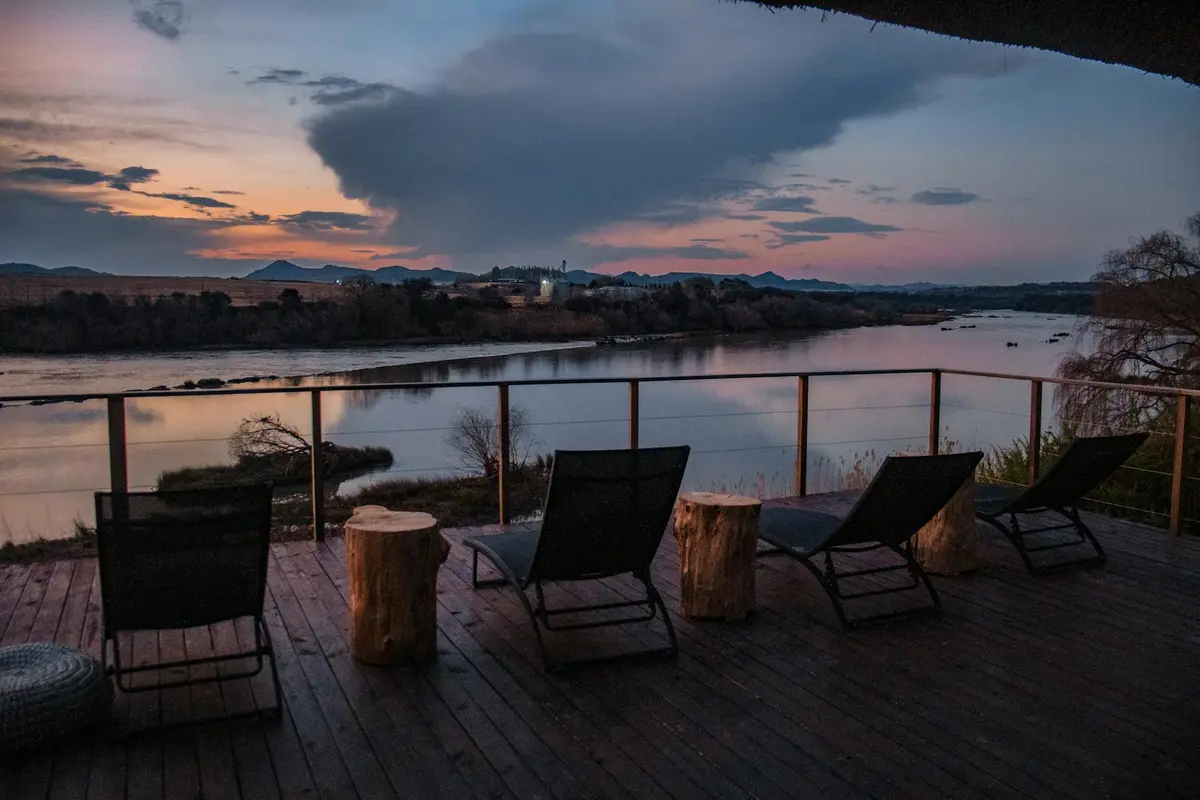
That rich color and oily feel tell part of the story. The rest comes from something you can’t see or feel directly: silica. Think of it as millions of microscopic, glass-like minerals embedded within the wood fibers themselves.
This isn’t just decoration. For fungi and wood-boring insects, it’s a formidable barrier. As fungal threads try to penetrate or insects try to chew, the silica physically blocks and abrades them. It’s like the wood has its own built-in armor plate, frustrating biological attacks before they can start.
This grit is a primary reason for teak’s notable hardness. On the Janka scale, which measures resistance to indentation, teak scores about 1000 lbf. For context, that’s significantly harder than white oak (around 1360 lbf) but in a very different, more abrasive way. The hardness comes from both the dense fiber structure and the cutting action of the silica.
Here’s the shop tip that proves the science: this silica will dull high-speed steel blades almost immediately. You must use carbide-tipped router bits, planer knives, and saw blades when working teak, and use a slower, steady feed rate to manage heat and wear.
The One-Two Punch: How Oils and Silica Work Together
Separately, the oils and silica are impressive. Together, they create teak’s legendary performance. The oils waterproof the cellular sponge, while the silica reinforces and armors the cell walls.
This combination is the key to moisture stability. Water vapor moves in and out of wood by traveling through the cell walls. Teak’s natural oils make those walls hydrophobic, meaning they actively repel water molecules. Simultaneously, the dense, silica-reinforced structure simply has less room for water to enter. This dramatically slows the entire process of absorption and release, which is what minimizes swelling, shrinking, and checking.
A good analogy is a well-built brick wall. The silica provides the strong, interlocking bricks. The oils act as a waterproof mortar that also repels rain. One without the other is good, but together they create an enduring barrier.
So, how does this combination make teak exceptionally stable in wet conditions? It’s not that teak doesn’t absorb water; it’s that it does so very, very slowly and releases it just as slowly. This slow-motion reaction to humidity changes means the wood avoids the drastic, rapid dimensional shifts that split and warp other species. It finds equilibrium and holds it.
The Teak Wood Technical Spec Sheet
| Property | Typical Value for Teak | What It Means for You |
| Janka Hardness | ~1000 lbf | Hard and wear-resistant, but the silica is abrasive. Use carbide tools. |
| Specific Gravity | ~0.65 (air-dry) | Moderately dense. It’s substantial but not overly heavy for its strength. |
| Dimensional Stability | Exceptionally Low (Shrinkage ~2.5% radial, ~5% tangential) | Minimal swelling/shrinking across grain directions. Predictable and stable in service. |
| Natural Durability (Toxicity to Fungi/Insects) | Very High (Class 1) | Its oils and silica provide outstanding rot and insect resistance without treatment. |
Look at that Janka hardness compared to a common shop wood like Southern Yellow Pine (~870 lbf). Teak is harder, but more importantly, the silica makes it feel even harder on your cutting edges. Always verify your teak is sourced from a well-managed plantation; this performance should not come at the cost of old-growth rainforests. Acacia teak often shows solid Janka hardness with durable wear, making it a practical choice for long-lasting projects. That durability helps explain why acacia teak is valued for both indoor and outdoor use.
Teak vs. The Others: Why It Stands Up to Water Damage
Many woods resist water, but they use different strategies. Teak’s approach is a comprehensive, two-part defense system. Let’s compare it to other common water-resistant woods to see why it’s in a class of its own for long-term, wet service.
First, consider Ipe. Ipe is incredibly dense, often over 60 pounds per cubic foot. Its tight grain physically blocks water penetration. But that density makes it hard on tools and difficult to glue. Ipe also contains natural oils, but not in the same persistent, self-replenishing quantity as teak. Left unfinished, ipe will weather to a silvery-grey, but it can still check and crack from internal stresses. Teak combines a similar high density with a far more abundant and mobile oil content, which actively protects from within. For outdoor durability, teak’s renewable oils help it age gracefully with less maintenance. Ipe, while ultra-durable, can demand more upkeep to maintain a protective finish in exposed settings.
Next, Western Red Cedar. Cedar’s resistance comes from thujaplicins, aromatic compounds that are toxic to decay fungi. This makes it great for closet linings and outdoor structures. However, cedar is soft. Its low density, around 23 pounds per cubic foot, means it dents easily and lacks structural toughness for high-wear applications like decking or boat decks. Cedar fights biological rot well, but it cannot physically withstand the abrasion and impact that teak can.
Then there’s White Oak. White oak has unique cellular structures called tyloses. These plug the vessel pores, creating a nearly watertight barrier. This is why it’s used for whiskey barrels and boat framing. But white oak has minimal natural oil. Without a protective film finish like varnish or epoxy, its surface remains vulnerable to water staining, graying from UV light, and checking. It needs our help. Teak provides its own oily, UV-resistant surface finish straight from the tree, while the silica reinforces the cells from within.
So, can teak wood get wet? Absolutely, and it’s designed for it. The natural oils repel liquid water, while the silica-strengthened cell walls resist the swelling forces of absorbed moisture. This dual-system is why century-old teak decking on ships exists, often with its structural integrity fully intact. For long-term, zero-maintenance service where the wood will be routinely soaked and dried, teak’s built-in system remains unmatched by any other commercial timber.
Caring for the Built-In Protection: Should You Oil Teak?
This is the most common question I get in the shop. The short answer is no, you do not need to oil teak to preserve its function. Oiling is a cosmetic choice with trade-offs.
Commercial “teak oil” is a blend of linseed or tung oil, varnish, and solvents. It’s a finish, not a necessary treatment. Applying teak oil does not improve the wood’s innate moisture resistance; it merely feeds the surface to restore the golden-brown color people associate with new teak. Teak wood color aesthetics—its warm, evolving patina—are a defining part of the wood’s appeal. The wood’s internal oils and silica are doing the real work below.
I’ve tested this. Two identical teak boards sat on my south-facing fence for a year. One was oiled every season, the other left alone. The unoiled board turned a uniform, silvery grey. The oiled board maintained its brown hue, but it also developed a sticky film that attracted more dirt and required sanding to re-oil properly. Both boards were equally solid, with no rot or meaningful dimensional change.
Here is my practical advice from that experiment:
- For outdoor furniture you want to look “new,” oil it once or twice a year. Expect maintenance. The oil will wear off and need reapplication.
- For a truly low-maintenance path, let it weather. The grey patina is a stable, oxidized surface layer. It is not rot.
- Never oil teak that will be submerged or constantly wet, like in a boat cockpit. The oil film can trap moisture against the wood and create a slippery surface.
Letting teak weather to grey is not neglect; it’s a valid, no-fuss choice that honors the wood’s natural durability. If you later want the golden color back, a light sanding will remove the grey surface layer to reveal the original wood beneath. The protection was there all along.
Frequently Asked Questions: Teak’s Water Resistance & Stability
1. Do I need to apply oil to teak wood to maintain its water resistance?
No, applying commercial “teak oil” is a cosmetic choice to restore color, not a functional necessity. The wood’s innate, distributed natural oils provide lasting hydrophobic protection from within, unlike some teak oil for compatible woods.
2. How does silica in teak affect my choice of woodworking tools?
The abrasive silica particles rapidly dull ordinary high-speed steel blades. You must use carbide-tipped cutting tools and employ a steady feed rate to manage heat and tool wear effectively.
3. Why does teak wood exhibit minimal warping or checking in outdoor use?
Its natural oils hydrophobically retard moisture uptake, while the silica-reinforced cell structure resists swelling forces. This combination drastically slows dimensional change, resulting in exceptional moisture stability.
4. How does plantation-grown teak compare to old-growth in performance?
Properly managed plantation teak retains the key chemical defenses of oils and silica, ensuring high performance. Always verify sustainable sourcing, as the species’ inherent properties are consistent across mature trees.
5. Does the characteristic silvery-grey patina on weathered teak indicate damage?
No, the patina is only a surface-level oxidation of the natural oils and does not signify decay. The protective oils and silica remain fully active in the wood beneath, preserving its structural integrity.
Working With Teak’s Natural Defenses
The most critical takeaway is that teak’s legendary stability is a two-part system. Its natural oils repel water, while the embedded silica physically reinforces the wood’s structure against swelling. This synergy means your best approach is to preserve and supplement these inherent properties, not strip them away with harsh chemicals. Choose finishes that nourish the existing oil in teak wood, and you’ll build upon a foundation that has proven itself for centuries.
When you source teak, prioritize suppliers who provide verifiable, FSC-certified wood to support responsible forestry. Treat your understanding of wood as a living material, full of complex science, as an essential and ongoing part of your craft. For outdoor work, consider the steps of preparing and finishing teak for outdoor use to ensure lasting beauty. These practices help your craft stand up to the elements.
Related Guides and Information
- Is Teak Wood Water Resistant? – SHD WOOD
- Teak Oil vs Teak Sealer: Which Is the Best for Your Outdoor Furniture?
- How To Waterproof Teak Wood: A Manufacturer’s Sealing Guide
- Sika® Teak Oil Neutral | Automotive and Marine
- Teak Oil And Wood: Understanding Waterproofing Properties – Dream Outdoor Living
- Teamalak Siliconised Teak Oil 1L – Teamac
- Is Teak Wood Waterproof? Discover Its Durability – craftingwithconcrete.com
- Amazon.com : TotalBoat Danish Teak Sealer – Marine Grade Wood Sealer Oil for Boat Decks, Trim and Indoor & Outdoor Teak Furniture : Sports & Outdoors