Oak vs. Maple: Which Hardwood Wins for Furniture and Floors?
Choosing between oak and maple for your next table or floor is a classic woodworker’s dilemma. I see it not as a style contest, but a materials problem with a right answer for your specific needs.
This article cuts through the noise with shop-tested facts. We will cover hardness and impact resistance, machining behavior with hand and power tools, pore structure and finishing science, and long-term durability in high-traffic areas.
My advice comes from years of stress-testing samples and building with both woods in my own workshop.
The Wood Science Breakdown: Oak vs. Maple
In my shop, the choice between oak and maple is like choosing between a bold statement and a quiet masterpiece. I personally lean towards the subtle challenge of maple for most furniture, but calling one “best” is wrong. The right wood is the one that fits the job. To understand why, you need to know how they’re built. The key terms are “ring-porous” and “diffuse-porous.” Think of ring-porous wood like a bundle of drinking straws. Diffuse-porous wood is more like a kitchen sponge, with lots of tiny, even holes.
What Makes Oak, Oak?
Oak announces itself. Its look is defined by open pores and dramatic rays. Those beautiful silver flakes you see in quartersawn oak are ray fleck, a signature trait. You mainly work with two types: Red Oak and White Oak. The core visual difference is in the pores. Red Oak has wide-open vessels you can see through, while White Oak has vessels blocked by tyloses, which look filled.
Running oak through a planer fills the shop with a warm, sour scent that’s unmistakable. It smells like an old barn or a winery barrel, a direct result of its tannin content.
The Ring-Porous Champion
Oak is the textbook ring-porous wood. Each growth ring starts with a band of large, open earlywood vessels (the “straws”). This creates its bold, linear grain. For finishing, this structure is crucial. Stains can pool in those large vessels, leading to a blotchy look if you don’t use a pre-stain conditioner. Historically, this wasn’t a flaw. White Oak’s plugged vessels make it naturally water-resistant. That’s the material science reason it was chosen for ships and wine barrels for centuries. Red oak has a different anatomy, with larger, less plugged vessels that offer less natural water resistance and can lead to more blotching with finishes. The contrast in anatomy between white oak and red oak helps explain their distinct performance and uses.
What Makes Maple, Maple?
Maple is about subtlety and surprise. Its grain is typically tight and quiet, a uniform canvas. To identify the species by grain density, you compare how tightly the fibers pack and how the density reads under finish. In maple, this helps separate Hard Maple from Soft Maple beyond the visible figure. But it can explode with wild figure like birdseye, quilt, or dramatic curly patterns that seem to move in the light. For furniture and flooring, you need to know the big split: Hard Maple (from the Sugar Maple tree) and Soft Maple (like Red Maple or Silver Maple).
Sanding hard maple well-prepared stock to 220 grit feels like polishing glass. The surface becomes so uniform it almost disappears under your hand, a testament to its fine, consistent cell structure.
The Diffuse-Porous Workhorse
Maple’s cells are small and evenly distributed (the “sponge”). This diffuse-porous structure gives it that famously smooth surface. It also means stain applies very evenly, though it can sometimes look too plain. This cellular uniformity is why it scores high on hardness tests. There are no weak bands of large pores, just a dense, consistent matrix of fibers. That’s what makes a maple bowling alley floor so tough.
Technical Spec Sheet: Hardness, Weight, and Movement
Here’s the data from trusted sources like the USDA Forest Products Lab. Remember, these are averages. No two trees are identical, and your local lumberyard’s stock will vary.
- Janka Hardness (lb-f): The force needed to embed a steel ball halfway. Higher numbers mean more resistance to dents and wear.
- Specific Gravity: Density compared to water. A higher number means heavier, denser wood.
- Tangential Shrinkage %: How much the wood shrinks across the grain as it dries. A lower number means more dimensional stability.
Oak’s Numbers: Red vs. White
- Red Oak: Janka 1290 | Specific Gravity 0.63 | Shrinkage: 8.6%
- White Oak: Janka 1360 | Specific Gravity 0.68 | Shrinkage: 7.2%
Notice White Oak’s slightly higher hardness and, more importantly, its lower shrinkage rate. Its lower permeability (those plugged vessels) not only aids water resistance but also means it absorbs finishes and adhesives differently than red oak. It can be slower to glue and seal.
Maple’s Numbers: Hard vs. Soft
- Hard Maple (Sugar): Janka 1450 | Specific Gravity 0.63 | Shrinkage: 9.9%
- Soft Maple (Red): Janka 950 | Specific Gravity 0.54 | Shrinkage: 8.2%
“Soft Maple” is a hardwood. It’s just softer than Hard Maple, making it a fantastic, more affordable alternative for pieces that won’t see brutal wear.
Reading the Data: What It Means for Your Project
Look at Janka hardness. Hard Maple (1450) is significantly harder than Red Oak (1290). For a busy kitchen table or a floor in a house with dogs, that extra point resistance matters. Oak is plenty durable, but maple will show scratches less. Soft maple differs from hard maple in density and grain, which can affect how it dents and finishes. These soft vs hard maple differences are worth considering for high-traffic spaces.
Specific Gravity tells you about weight and workability. White Oak (0.68) is notably heavier and denser than Soft Maple (0.54). That extra density can mean more wear on your planer knives and saw blades. A large white oak table will be a beast to move.
The shrinkage percentage is your stability guide. White Oak (7.2%) is more stable than Hard Maple (9.9%). For a wide, glued-up tabletop, white oak is statistically less likely to cup or shrink dramatically with seasonal changes.
Why Wood Behaves: The Mechanism of Cellular Structure
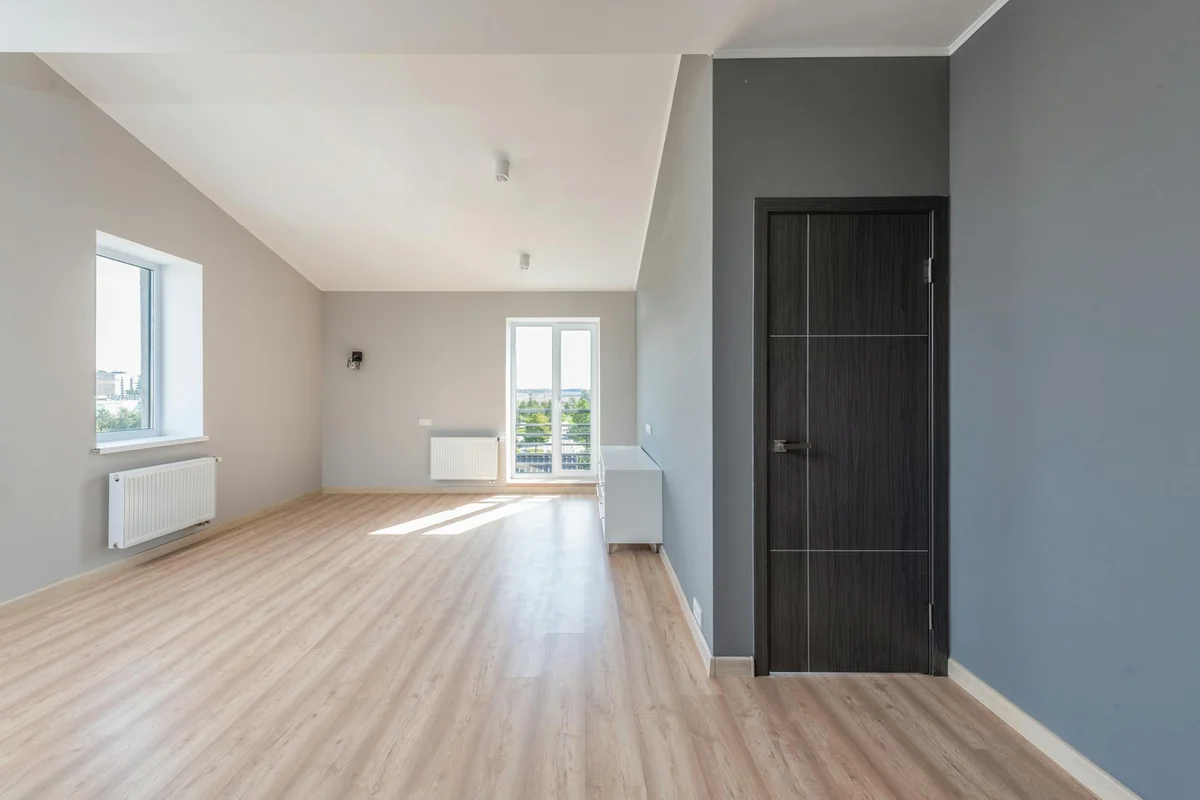
At its core, wood is a bundle of tiny, straw-like cells. It’s a hygroscopic material, which means it constantly absorbs and releases water vapor from the surrounding air. This cellular structure is the master key that unlocks why oak and maple look, feel, and work so differently. The size, arrangement, and density of these cells dictate everything from strength to how a stain looks.
How Pores and Rays Control Movement
Think of oak’s cells as a bundle of drinking straws. They are large, open pores (called vessels) that readily move moisture in and out. Maple’s cells are more like tightly packed spaghetti. This difference in cellular architecture controls wood movement.
As humidity rises, all wood expands across the grain. Because oak’s structure is more open, it can absorb and release moisture a bit faster. Maple’s tight pack resists this exchange, but when it does move, it does so with great internal tension. A practical rule of thumb is to expect solid wood to swell or shrink about 1/4 inch for every foot of width across the grain with a major seasonal humidity shift. You must design joints and panels to accommodate this, or the wood will split.
The Finish Line: Why Stains React Differently
Stain is not paint. It’s a mix of pigment and carrier that soaks into the wood. The pigment particles get caught in the wood’s pores and vessels. This is why staining is a story of texture.
Oak’s open grain acts like a network of tiny canals, catching pigment evenly and creating that classic, deep, grain-highlighted look. Maple’s dense, closed grain has few places for pigment to settle. The stain often absorbs unevenly, pooling in some areas and barely coloring others, leading to a blotchy mess.
The solution for maple is a pre-stain treatment called a sanding sealant, a thin wash coat of shellac or a commercial conditioner. This partially seals the surface, allowing for a much more even color absorption. For oak, you often use a paste wood filler to create a perfectly smooth, glass-like surface before finishing.
Furniture Face-Off: Building with Oak or Maple
Choosing between oak and maple for a table or cabinet isn’t just about color. It’s a decision about workability, style, and how the piece will live in your home.
Oak is generally easier to machine but prone to tear-out when planing across the prominent grain lines. Your tools must be sharp. Maple is brutally hard on edges and can burn if you feed it too slowly through a saw, but it planes to a flawless, glassy surface with sharp irons.
Oak Furniture: Rustic Charm or Modern Edge?
Oak’s bold, open grain is its signature. It’s perfect for styles where that grain is the star, like Mission, farmhouse, or even modern pieces that embrace natural texture. The pronounced grain pattern is also forgiving, as it can visually camouflage tiny gaps in joinery that would stand out on a smoother wood.
From a cost perspective, oak (especially red oak) is often the most accessible hardwood. In my local yard, plain-sawn red oak is the go-to budget hardwood for sturdy cabinet frames and workbench bases. You get tremendous strength for the dollar.
Maple Furniture: Sleek Surfaces and Tough Joints
I choose maple when I need a surface that feels like a solid, uninterrupted plane. It’s the wood for Shaker, contemporary, and any painted furniture. The paint job will be smoother because the wood underneath is smooth.
Its extreme density makes it highly resistant to denting, which is why it’s my first pick for a kitchen table top or a child’s toy chest. The joints you cut in maple are also incredibly strong due to that density. Be warned, figured maple like curly or birdseye is a specialty product. Its stunning pattern commands a premium price and requires expert finishing to “pop.”
Cost Check: Cabinet Prices and Real-World Finds
Price is never a simple answer. It depends on board grade, thickness, region, and whether you’re at a big-box store or a specialty hardwood dealer. In my shop experience, red oak is the budget king for structural cabinet boxes, while clear, straight-grained hard maple is a premium choice for door panels and drawer fronts where a flawless surface is critical. Always buy from a reputable source you can visit, so you can see the grain and color for yourself.
Flooring Showdown: Underfoot Performance
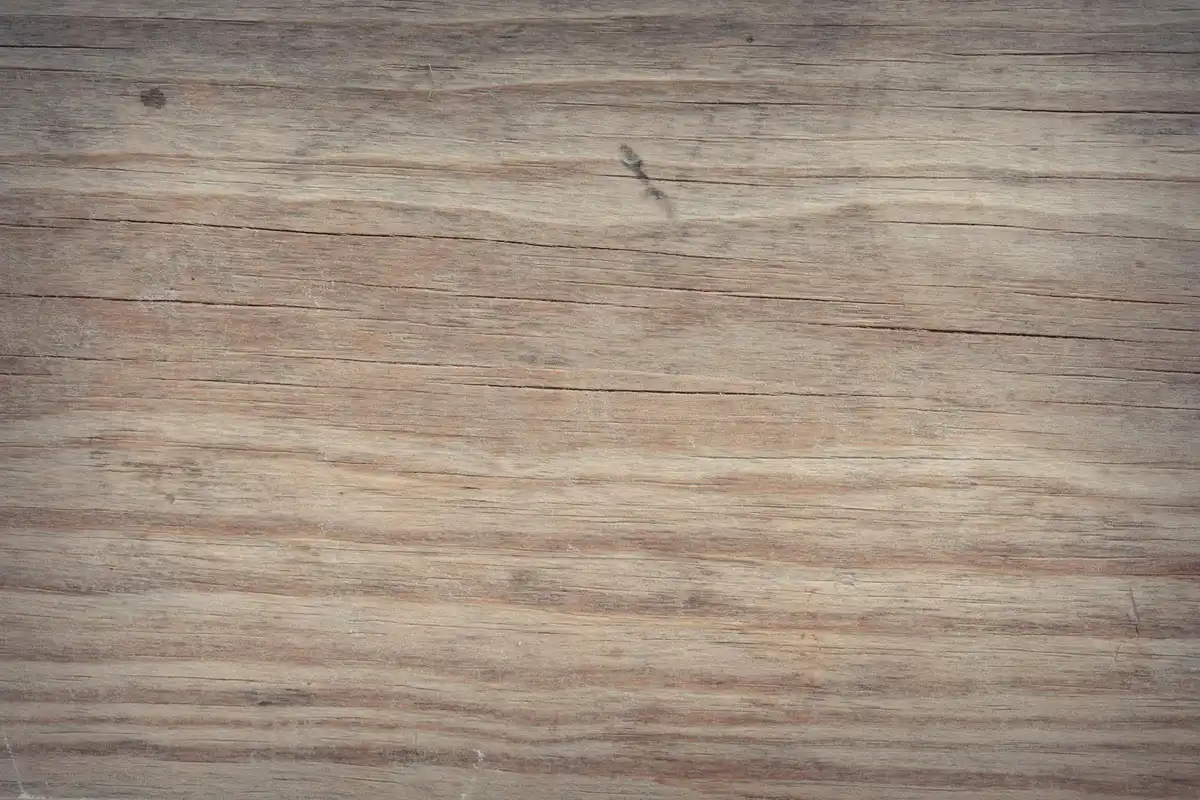
Choosing a floor is different from choosing a tabletop. It’s about performance under decades of sneakers, pet claws, and dropped silverware. Let’s look at oak versus maple, and where hickory fits in.
The Janka hardness test is a starting point, not the whole story. It measures the force needed to embed a steel ball halfway into the wood. Red oak sits at about 1290, hard maple at about 1450. Maple is harder, but that number doesn’t account for how a floor shows wear over time.
You need to consider three things together: resistance to denting, visibility of scratches, and how the overall grain pattern hides a lifetime of minor marks.
Oak Flooring: Classic Grain and Character
Oak is the classic for a reason. Its open, porous grain structure acts like a natural camouflage net. A small dent or scratch gets lost in the texture of the grain lines and earlywood pores.
This forgiving nature is why oak dominates the pre-finished flooring aisle. Manufacturers know it will look consistent and hide minor imperfections from the factory and from your home life. Over time, this creates a warmer, lived-in character rather than a damaged look.
Cleaning is straightforward. Its pronounced texture doesn’t show every speck of dust, and modern finishes seal the pores effectively.
Maple Flooring: Hard and Light, But Shows Scratches
Maple is denser and has a much finer, more uniform grain. This gives it a clean, bright, modern appearance that reflects light beautifully. It is incredibly tough against denting, which is why you see it in basketball courts and bowling alleys. These properties make it a popular choice when compared to soft maple.
That same uniform surface is a double-edged sword for a home floor. A fine, shallow scratch creates a visible line of broken finish that contrasts sharply with the perfect surface around it. It doesn’t have oak’s grain valleys to hide in.
For a light, contemporary space with less abrasive traffic, maple is superb. Just know that its hardness fights dents, but its smoothness reveals scuffs. Hardwood vs softwood and Janka hardness ratings help you compare durability.
Adding Hickory to the Mix: When Hardness Is Everything
If dent resistance is your absolute top priority, hickory (Janka ~1820) enters the conversation. It’s significantly harder than both oak and maple.
Hickory’s extreme hardness and interlocked grain make it brutal to machine, but nearly bulletproof underfoot. Its grain pattern is wild and busy, offering great camouflage, similar to oak. I only recommend it for areas like a main hallway or a kitchen with heavy traffic where you’re truly worried about dents from dropped tools or toys.
The workability trade-off is real. It’s tough on saw blades and plane irons, so factor that in.
Finishing Touches: Stains and Sealers for Each Wood
Finishing is where the personality of each wood fully emerges. It’s also where most mistakes happen. The key is understanding how stain interacts with the wood’s cellular structure. A closer look at wood anatomy stain absorption methods shows how pore structure and grain affect color uptake. That knowledge helps you predict results before you start finishing.
Taming Maple’s Blotch: Sealers and Gel Stains
Maple’s tight grain has areas of differing density. Liquid stain soaks in rapidly in some spots and slowly in others, creating a blotchy, uneven mess. You must control this absorption.
My first line of defense is always a pre-stain wood conditioner or a 1lb-cut of dewaxed shellac. These products partially seal the surface, allowing for a much more even stain penetration. Apply it, let it dry, sand lightly with 320-grit, then apply your stain.
For even more control, use a gel stain. Gel stains have a thicker consistency and sit more on the surface of the wood rather than penetrating deeply. They are the most forgiving option for coloring tricky woods like maple, pine, or cherry. Learning about the chemistry and application of wood stains can further enhance your results.
Your test method is simple. Always finish a sample board from the same lot first. The small time investment saves heartache.
Enhancing Oak’s Grain: Oil-Based Stains and Clear Coats
Oak’s large, open pores are a feature, not a bug. They are meant to be filled and highlighted. Oil-based stains are perfect for this. The oil carrier penetrates deeply into those pores, depositing rich color that makes the grain pattern pop.
Water-based stains can work but often sit on top, leaving the pores looking pale and empty unless you use a grain filler.
For topcoats, you choose between maximum protection and natural feel. Polyurethane, especially in a satin sheen, is the workhorse for floors and high-use furniture, building a durable plastic shield. For a tabletop or piece where you want to feel the wood, an oil finish like tung or Danish oil provides warmth and a modest layer of protection.
Shop Tip: The Scrap Wood Test Is Non-Negotiable
Finishing is applied chemistry. Your stain, your sealer, and your topcoat must be chemically compatible. Applying the wrong combination can cause clouding, peeling, or a sticky mess that never cures.
The only way to guarantee your result is to test the entire system on an off-cut from your project. I apply stain and topcoat to my test piece exactly as I will on the final piece. I let it dry fully. Then I check for adhesion, color, and sheen.
I keep a “finish journal” a binder with small samples of different woods, each labeled with the products and steps used. It’s the most valuable reference in my shop.
Making Your Choice: A Shop-Tested Decision Guide
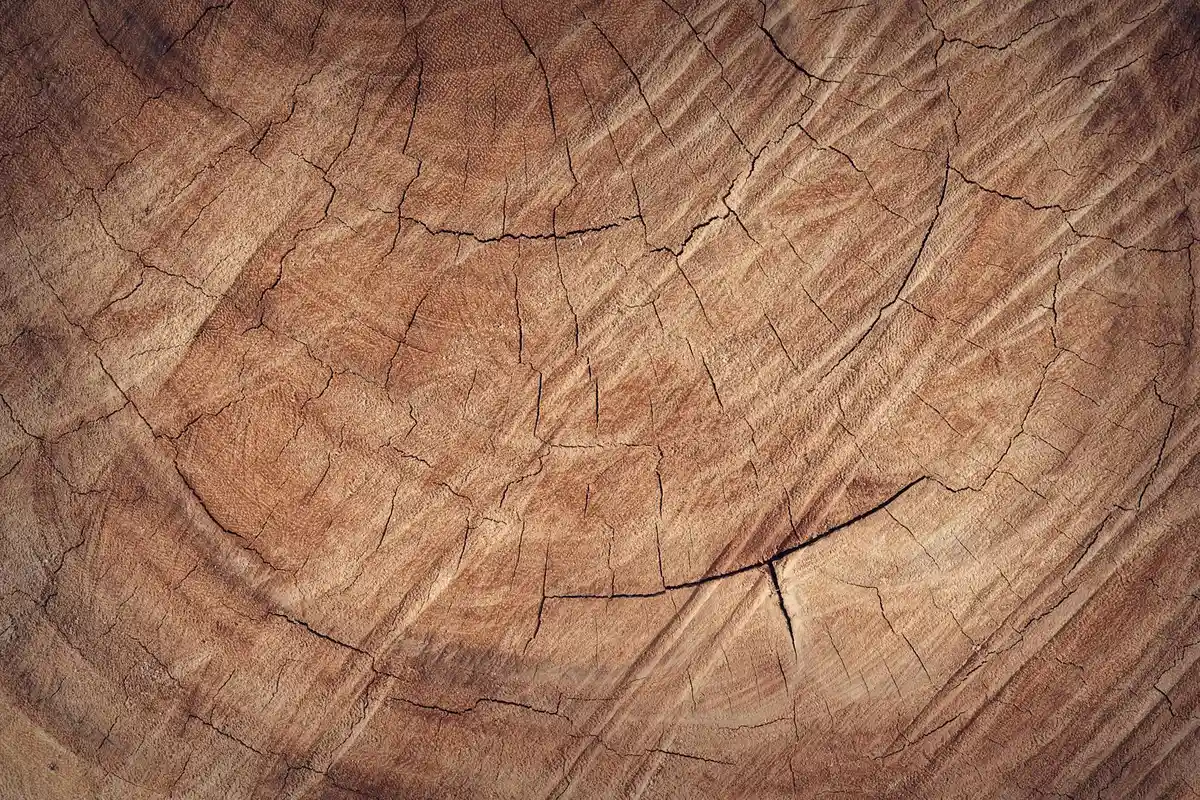
Forget a simple pros and cons list. The best choice comes from matching the wood’s personality to your project’s life. Let’s talk specifics.
Here’s a quick tip if you’re thinking about an oak vs maple tree for your yard: a red oak leaf has pointed lobes with bristle tips, while a sugar maple leaf has smooth, U-shaped curves between its lobes. That visual cue hints at the wood’s character-oak is bold and pronounced, maple is smooth and consistent.
For the Kitchen: Cabinets and Counters
Oak and maple behave differently under a finish, and that’s the key. Oak has large, open pores. Stain sinks into these pores, making the dramatic grain pattern even more prominent. This creates a classic, warm look. If you want the wood’s grain to be the star of your traditional kitchen, oak with a stain is your only real choice.
Maple, with its tiny, closed pores, creates a glass-smooth surface. Stain can look blotchy on it. That’s why maple excels in two areas: paint and natural clear coats. For a modern, painted cabinet, maple’s smoothness ensures a flawless finish. Its light color also works beautifully with just a clear sealant for a bright, contemporary look.
For countertops, science picks maple. Butcher block counters use hard maple (Janka hardness: 1450) for a reason. Its tight, closed grain resists bacteria and moisture penetration better than open-grained woods. It’s tough enough to handle knife marks, which can be sanded out. I’ve built both; a maple top feels like a solid tool, an oak top feels like classic furniture.
For the Living Room: Tables and Floors
Your dining table is a battlefield. Oak’s open grain and pronounced figuring are its armor. Scratches and dents blend into the existing texture and shadow lines. A traditional quarter-sawn oak table develops a beautiful patina that hides a lifetime of family meals.
Maple tables offer a different defense: sheer hardness. That tight grain structure gives it a higher dent resistance on its smooth surface. Choose maple for a sleek, modern table where you want the surface to stay looking new and unblemished for as long as possible. Just know that when a dent does happen on that perfect canvas, it might stand out more.
For flooring, the logic follows. Oak (especially white oak) is the forgiving classic. Its grain and common color variations hide dust, scratches, and the wear of high-traffic areas beautifully. Maple flooring offers incredible hardness and a bright, uniform look that can make a room feel larger. Be prepared for a more formal aesthetic that may show every scuff until it develops its own lived-in character.
When Oak Wins: Scenarios and Projects
Pick oak when you want the wood itself to provide the design drama. Its structural honesty and bold character shine in specific applications.
- Outdoor Furniture (using White Oak): White oak contains cellular structures called tyloses that block water penetration. Red oak does not. This makes white oak rot-resistant for patio sets.
- Bar Tops and Shelving: Oak can handle the moisture rings from glasses and the weight of bottles. Its rustic strength is both visual and real.
- Any “Heritage” Style Project: For Arts & Crafts, Mission, or rustic farmhouse styles, oak isn’t just an option; it’s the historical material.
Always ask your supplier about sourcing. Locally harvested oak from a managed forest supports sustainable forestry and often has a smaller carbon footprint than imported woods.
When Maple Wins: Scenarios and Projects
Choose maple when you need a precise, stable, and ultra-durable material that either disappears under paint or provides a flawless light canvas.
- Kitchen Cutting Boards & Workbench Tops: This is where hardness and closed grain are non-negotiable. Maple resists knife marks and bench dog dents better than almost any domestic wood.
- Musical Instruments: Its density and consistent grain allow for precise sonic transmission and stability. Think guitar necks and violin backs.
- Modern Furniture with Paint: For a cabinet with a perfect automotive-grade finish, maple’s poreless surface is the only professional start.
- Heavy-Use Furniture and Floors: A critical tip: specify “Hard Maple” or “Sugar Maple.” Softer “Bigleaf Maple” from the West Coast won’t hold up. The Janka hardness number matters here.
Frequently Asked Questions: Oak vs. Maple
1. If oak is so common, why are maple cabinets often more expensive?
Price is dictated by processing, not just material cost. Maple’s extreme density and hardness demand sharper tooling and slower machining to avoid burns and tear-out, increasing manufacturing time and wear. Furthermore, the premium for clear, consistent maple without mineral streaks or color variation is higher than for character-rich oak, where grain pattern is part of the expected aesthetic, or pine, which is softer and less dense.
2. For a yard tree, how do oak and maple differ beyond leaf shape?
Consider ultimate lumber utility alongside growth. A Sugar Maple yields superior “Hard Maple” lumber for shop projects but grows slower. An oak, like a White Oak, grows relatively fast and provides premium, rot-resistant lumber, but its acorns and larger mature size require more landscape management.
3. What is the single most important material science difference between oak and maple wood?
The fundamental distinction is pore structure: oak is ring-porous (with large, open earlywood vessels), governing its texture, stain absorption, and water resistance in white oak. Maple is diffuse-porous (with small, evenly distributed vessels), which dictates its smooth surface, higher mechanical hardness, and tendency to blotch with stains.
4. When should I consider hickory over oak or maple for flooring?
Choose hickory only when maximum dent resistance (Janka ~1820) is the absolute priority, such as in an entryway with high grit traffic or a kitchen prone to dropped tools. Its extreme hardness and wild grain come with a significant workability penalty, making it tougher to install and machine than oak or maple.
5. For a durable tabletop, is maple’s hardness always better than oak’s grain?
Not always; it depends on the desired patina. Maple’s hard, uniform surface best resists the creation of dents but can make individual scratches more visually prominent. Oak’s open grain pattern naturally camouflages minor wear and scratches, allowing the surface to develop a unified, character-rich appearance over time that many find desirable.
Your Wood, Your Choice: Making the Final Cut
For a project that demands toughness and tells a story, choose oak; for a piece that requires flawless, smooth finishes and easier shaping, choose maple. This is the fundamental trade-off. Oak’s open grain and inherent hardness make it a champion for floors and heavy-use furniture that ages with character. Maple’s tight, consistent structure makes it the superior choice for painted projects, intricate detail work, and surfaces where a glass-smooth finish is the ultimate goal. Your project’s function and your desired aesthetic should always guide this primary decision.
Respect the material by sourcing it responsibly and mastering its behavior in your shop. Seek out lumber certified by organizations like the Forest Stewardship Council, ensuring your beautiful work supports healthy forests. Every board you plane and joint teaches you more about wood science, making you a better craftsperson with each project you complete.
Further Reading & Sources
- Maple Vs. Oak Flooring: A Tricky Choice Made Simple – Panel Town & Floors
- Oak vs. Maple Flooring: Which is Best for You? | Carlisle Wide Plank Floors
- r/HardWoodFloors on Reddit: Hard Maple vs. white oak
- Maple vs Oak | Cherokee Wood Products
- Oak Flooring vs. Maple Hardwood Flooring Pros and Cons
- Maple vs Oak Hardwood
Written by David Ernst. David is a veteran woodworker. He is now retired and stays in his cabin in Wisconsin which he built himself. David has 25+ years experience working in carpentry and wood shops. He has designed and built many small and large wood projects and knows the science behind wood selection like the back of his hand. He is an expert guide on any questions regarding wood material selection, wood restoration, wood working basics and other types of wood. While his expertise is in woodworking, his knowledge and first hand experience is far from 'woody'.