
Chemically Treated Wood in the Shop: What’s the Real Risk?
You pick up a piece of pressure-treated lumber for a deck project, but that distinctive green hue makes you pause. What exactly are you exposing yourself to when you handle, cut, or toss the scraps?
This guide moves past speculation to provide shop-tested, science-backed steps. We will cover common treatment chemicals and their effects, essential safety protocols for cutting, and responsible disposal practices that protect your health and the environment.
I combine hands-on woodworking with materials science, having personally tested dust exposure and finish interactions on treated stock in my workshop.
The Chemicals in Your Lumber: From Green Treatment to Brown Stain
Let’s define treated wood simply. It’s lumber that’s been infused with chemicals under pressure. This process forces preservatives deep into the wood fibers to fight rot, insects, or make it fire-resistant.
You will see a few common types at the yard. I identify them by their color and common names first, then check the tag to be sure.
- Green Treated Lumber (ACQ): This is the standard “green” wood for outdoor decks and fences. The green color comes from the copper-based chemicals.
- Brown Pressure Treated Wood: Often labeled “MicroPro” or using copper naphthenate. It’s tinted brown for a more natural look but is still chemically treated.
- Heat Treated Wood (HT): Marked with an “HT” stamp. This isn’t chemically treated. It’s baked at high heat to kill insect larvae and is used for international shipping pallets. It’s in a different, safer category for shop use.
Chromated Copper Arsenate (CCA): The Legacy Treatment
You won’t buy CCA new for a deck today. Its use for residential lumber was phased out in the early 2000s. You find it in old decks, playsets, and landscaping timbers.
The primary hazard is arsenic, a known human carcinogen that doesn’t break down. Sawing or sanding this wood creates dust laden with arsenic and chromium. I treat any weathered, greenish-gray outdoor lumber from before 2004 as suspect CCA. During demolition or cutting, it demands serious respect especially when compared to other wood dust and chemicals that might be encountered in woodworking projects.
Alkaline Copper Quaternary (ACQ): The Modern Standard
This is the typical “green” treated lumber at home centers today. ACQ replaced CCA as the go-to for outdoor projects.
The active ingredient is copper, which is excellent at stopping fungi and bugs. The risk here is different. Copper is primarily a skin and respiratory irritant. I’ve seen woodworkers develop a sensitivity to it, getting a rash that feels like poison ivy after repeated bare-handed contact.
Borate Treatments: The Indoor Protector
Borate-treated wood answers the question “is borate treated wood toxic” with a clear “not really to people.” It has low mammalian toxicity, which is why it’s used for termite protection in indoor framing (sills, joists).
It’s perfect for indoor, dry areas where you need pest protection but can’t use smelly or leaching chemicals. The one major caution: borates are water-soluble and terrible for plants. Never use this wood for garden beds, as the borates will wash out and kill your plants.
Creosote, Copper Naphthenate, and Fire Retardants
These are specialty treatments you might stumble upon.
- Creosote: Found on railroad ties and utility poles. It’s that thick, black, tarry stuff. Is creosote-treated wood dangerous? Yes. It’s a proven carcinogen via skin contact and its fumes are toxic.
- Copper Naphthenate: An oil-based treatment that gives wood a brown color. It’s common for direct ground contact posts. The oil carrier can irritate skin.
- Fire-Retardant Treated Wood (FRTW): Used in commercial buildings for code compliance. It’s often infused with salts that can irritate skin and are highly corrosive to metal fasteners.
Lab/Shop Requirements: Identifying What You Have
Don’t guess. Your first step is always identification. Here is my simple shop protocol.
- Look for the end tag or stamp. This is the law. It lists the treatment type, retention level, and appropriate uses. I take a picture or note it down.
- Note the color. Green tint usually means ACQ. Brown tint often points to micronized copper or copper naphthenate. Weathered wood loses color, so the tag is key.
- Smell it. Creosote has a strong, acrid odor. Oil-based treatments have a chemical or petroleum smell. Fresh ACQ has a slight ammonia-like scent.
- Check for moisture. I use a moisture meter. Wet treated wood is more likely to leach chemicals onto skin or tools. Wipe the surface with denatured alcohol and a rag to clean it before taking a measurement.
How Toxic is Treated Wood? A Chemical-by-Chemical Breakdown
So, is treated wood toxic? The answer depends completely on the chemical and how you’re exposed. We worry about three routes: dust in your lungs, chemicals on your skin, and accidental ingestion from contaminated hands. Understanding the properties of wood treatment chemicals—how volatile they are, how they bind to wood, and how they interact with skin—helps explain the risks. These properties influence how products should be handled and applied.
Let’s break it down by treatment type, because treating all treated wood the same is a mistake I see often.
Toxicity & PPE: The High-Risk Profile of CCA Wood
Working with old CCA lumber is a high-risk operation. The arsenic is a carcinogen, and the chromium can cause skin ulcers and allergic sensitization.
My required PPE for any cutting, sanding, or demolition of CCA wood is non-negotiable. You need a P100 respirator to block the fine dust, heavy-duty nitrile gloves, sealed eye protection, and full skin coverage with long sleeves you’ll wash separately. There is an absolute food safety rule here. Never, ever use CCA wood for cutting boards, garden bed frames, picnic tables, or any food contact surface. The arsenic can leach into soil and food.
Toxicity & PPE: ACQ, MCQ, and Copper-Based Treatments
For modern ACQ and similar copper treatments, the risk profile shifts. The primary risk is copper acting as a skin sensitizer. Repeated exposure can lead to a lasting allergic reaction.
Respiratory risk comes from the fine dust. An N95 respirator is the bare minimum, but for planing or sanding, I always upgrade to a P100. It’s less toxic than arsenic, but still not something you want in your lungs. Wear gloves to prevent skin contact, especially if you have cuts. The dust can also be corrosive to tools, so clean your equipment after use.
Toxicity & PPE: Borate, Creosote, and Fire Retardants
- Borate: Low human toxicity. Basic shop hygiene covers it. Use a dust mask for sanding and gloves to keep dust off dry skin. It’s mostly an eye and lung irritant in dust form.
- Creosote: This demands the highest level of personal protection. It’s a proven carcinogen. If you must handle it, wear a Tyvek-style suit, chemical-resistant gloves, and a respirator with organic vapor cartridges paired with P100 filters. Work in a very well-ventilated area, preferably outdoors.
- Fire-Retardant Wood (FRTW): Treat the dust with caution. The salts can irritate skin and lungs. Wear a dust mask and gloves. Remember, this wood is also notoriously corrosive to metal fasteners, so use only approved, coated fasteners with it.
The Burning Question: Is Burning Treated Wood Toxic?
The answer is an unequivocal and serious warning. Yes, burning treated wood is extremely toxic.
Never burn treated wood scraps in your fireplace, wood stove, or fire pit. The heat breaks the chemical bonds, releasing concentrated toxic fumes. Burning CCA and copper-treated outdoor wood releases arsenic trioxide gas and dioxins. Creosote smoke is filled with carcinogenic PAHs. These toxins go into the air you and your neighbors breathe and concentrate in the ash. The absolute rule is to dispose of treated wood scraps through proper municipal waste channels, never through combustion.
Shop Safety Protocol: Handling, Cutting, and Drilling
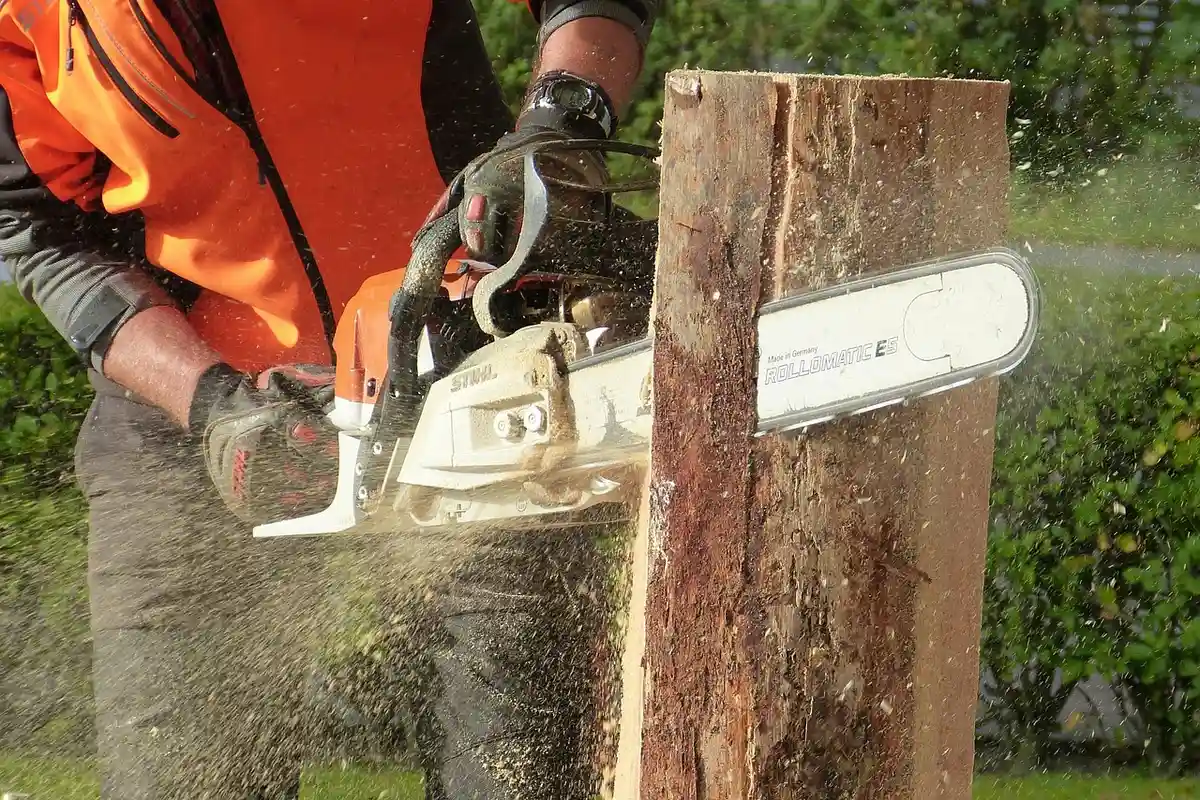
The chemicals in treated wood are inert when locked in the fibers. The risk comes from releasing them. Sawing and sanding create dust, and that dust carries the preservatives directly into your lungs or onto your skin. Your goal is to contain every particle.
Lab/Shop Requirements: Your Pre-Work Checklist
Gather your defense before you make the first cut. This is non-negotiable.
- Respirator: A basic dust mask is useless. For modern ACQ wood, use an N95 respirator. For any older wood or creosote, you need a P100 filter. These block oil-based particles that N95 filters cannot.
- Eye Protection: Safety glasses with side shields. Dust in the eye is more than an irritant with this stuff.
- Gloves & Clothing: Heavy-duty nitrile gloves and long sleeves. Cotton gloves will soak up chemicals and hold them against your skin.
Your tools need protection too. The copper in most preservatives acts like a battery in the presence of steel and moisture, causing rapid corrosion.
- Designate an old saw blade and drill bits just for treated wood. Carbide-tipped blades resist corrosion better than steel.
- Connect your saw or sander to a shop vacuum with a true HEPA filter. A standard shop vac will blow the finest, most dangerous dust particles right back into the air.
- Have a bucket of water and rags ready for wet cleanup. Never dry sweep.
Cutting and Sanding: Containing the Dust
Think of the dust as a liquid you cannot allow to spill. Here is the sequence I use in my shop.
- Move the operation outside. If you must work inside, open every door and window and use a large fan to push air out, not just circulate it.
- Use a sharp, carbide-tipped blade. A dull blade makes fine, powdery dust. A sharp blade makes larger chips that are easier to capture.
- Clamp your HEPA vacuum hose within inches of the cutting or sanding point. Capture the dust at the source.
- For outdoor cutting on a calm day, a very light mist of water from a spray bottle can knock dust down. Do not do this if any power tool is plugged in. Water and electricity are a deadly mix.
Never use treated wood for an indoor project you plan to sand. You will never fully remove the dust from your shop environment. It belongs outside, especially when considering wood dust sensitization versus irritation.
Cleanup and Tool Maintenance: After the Cut
The job isn’t done when the cut is made. Residual dust is the hidden danger.
Wipe down every surface-your saw table, workbench, floor-with a damp rag. Throw that rag away with the treated waste. Follow with a vacuum using your HEPA filter.
Clean your dedicated blades and bits with a dry, dedicated brush and rag immediately after use. Wiping off the copper-laden sawdust prevents it from sitting and eating into the metal.
Store all scraps in a labeled, lidded bin. This keeps them separate from your clean project lumber and prevents accidental use for a fireplace kindling or a quick shop jig.
Disposal and Long-Term Project Safety
Safety doesn’t end when your project is built. The chemicals are still there, and they must be managed for the life of the wood and beyond.
Disposal Guidelines: Landfill, Not Your Trash Can
You cannot throw treated wood in your regular trash. Burning it is exceptionally dangerous, concentrating toxins in the ash and smoke.
Disposal is regulated. You must contact your local landfill or municipal waste authority. Tell them you have “treated wood waste.” It is typically handled as Construction & Demolition debris. For older CCA or creosote wood, it may be classified as hazardous waste with stricter rules. Where available, seek disposal or recycling options for pressure-treated wood. Your local waste authority can direct you to approved facilities or programs.
Regulations vary by state and even county. A five-minute call to your waste authority saves you a fine and prevents environmental contamination.
Sealing and Using Treated Wood Projects
For outdoor projects like planter boxes or deck frames, seal any cut ends and faces with a film-forming exterior wood sealant. This creates a barrier, locking chemicals in and reducing leaching into soil or onto skin.
Treated wood is for structural outdoor use only. Do not make indoor furniture, cutting boards, toys, or pet items from it. The risk of casual, long-term exposure is too high. Using pressure-treated lumber indoors can be hazardous.
If you have an older playset or deck, you can test for CCA with an inexpensive kit. If it tests positive, a thorough cleaning and a heavy, solid-body stain can encapsulate the surface, reducing the risk of direct contact.
When You’re Unsure: The Conservative Approach
You find an old, grayed piece of lumber in a barn. The stamp is gone. What do you do?
Assume it is hazardous. This is the only safe bet. Wear P100 respirator, gloves, and goggles. Cut it outdoors with dust control. Dispose of it through official channels.
When replacing old outdoor wood, especially from pre-2004, default to treating it as CCA. Taking the highest precaution is a simple habit that protects your health for decades to come.
FAQ: Treated Wood Toxicity & Safe Handling
What is the primary environmental concern with disposing of treated wood?
The core risk is leaching; preservative chemicals can wash out over time and contaminate soil and groundwater. Always dispose of it as regulated Construction & Demolition waste through a certified landfill designed to contain these leachates.
Are there safer alternatives to pressure-treated wood for outdoor projects?
Yes, consider using naturally durable species like cedar, redwood, or black locust for above-ground applications. For ground contact, commercially available plastic or composite lumber provides a rot-resistant alternative without chemical preservatives.
Can sealed or painted treated wood still pose a long-term risk?
A quality film-forming sealant on cut ends and surfaces significantly reduces chemical leaching and surface exposure. However, the treatment remains in the wood, so the piece should never be repurposed for indoor use or food contact later.
How can I verify my local disposal rules for treated wood scraps?
Contact your municipal waste authority or landfill directly; regulations vary significantly by jurisdiction. Specify the treatment type if known, as CCA or creosote may fall under special hazardous waste handling protocols.
What should I do if I accidentally sand or cut treated wood without proper PPE?
Immediately stop, leave the area, and avoid disturbing the dust further. Shower thoroughly, wash the contaminated clothing separately, and monitor for skin or respiratory irritation, consulting a medical professional if symptoms appear.
Your Blueprint for Treated Wood Safety
Always assume treated wood contains hazardous chemicals and take full precautions before any cut or sanding. I treat copper-based preservatives and older arsenic formulas with the same respect in my shop, because their dust poses real respiratory and skin risks. My rule is to never work without a P100 respirator and dedicated gloves, and I always use a dust collector with a HEPA filter. Containing the dust at your saw or sander is non-negotiable for long-term health. Regular damp cleaning and vacuuming with a HEPA-filter system help keep dust from resettling and maintain a safer workspace.
Responsible ownership means ensuring every scrap of treated wood goes to a designated hazardous waste facility, never into a fire or landfill. Committing to this practice and continually learning about material safety makes our woodworking both safer and more environmentally sound.
Relevant Resources for Further Exploration
- What are the risks of CCA-treated wood?
- Treated Wood Fact Sheet
- Dangers of Treated Lumber & Green Alternatives – Arborist Now
- Treated wood waste – Washington State Department of Ecology
- Treated Wood in the Environment
- What Is the Risk of Composting Chemically Treated Wood or Sawdust? → Learn
David is a veteran woodworker. He is now retired and stays in his cabin in Wisconsin which he built himself. David has 25+ years experience working in carpentry and wood shops. He has designed and built many small and large wood projects and knows the science behind wood selection like the back of his hand. He is an expert guide on any questions regarding wood material selection, wood restoration, wood working basics and other types of wood. While his expertise is in woodworking, his knowledge and first hand experience is far from 'woody'.