
What Are the Best Specialty and Alternative Oil Finishes for Woodworking?
Linseed and tung oil are familiar, but what about the other options? You need finishes that match your project’s specific demands, whether that’s food safety, quick drying, or extreme durability.
This guide provides shop-tested advice on walnut oil for safety, hemp oil for sustainability, polymerized oils for hardness, and modern hybrid blends for water resistance.
I base this analysis on my own materials testing, measuring dry times, film hardness, and long-term wear on sample boards in my workshop.
What Makes an Oil Finish “Specialty” or “Alternative”?
Think of basic tung oil and boiled linseed oil as your shop staples, like a reliable hammer. They work. Specialty and alternative oils are your specialized chisels, each shaped for a specific task.
We use this label for oils chosen to solve a particular problem. The goal might be a deeper, more durable cure, a unique look you can’t get from standard options, or absolute food safety for a cutting board. Sometimes, it’s about using a safe, non-toxic oil you already have in the kitchen for a quick project.
This approach is fundamentally different from using a film-forming finish like varnish or lacquer. Those finishes sit on top of the wood, creating a plastic-like layer that seals it off. Oils sink in. They become part of the wood’s structure. You trade the high-gloss, scratch-resistant armor of a film finish for a more natural, tactile feel that is easier to repair and maintain. To apply oil finishes effectively, you’ll explore practical wood methods. Different application techniques, like wiping on and rubbing in, help you achieve an even, durable result.
The Science of How Oils Work in Wood
Wood is a sponge made of tiny straws. These straws are the cell walls and the hollow space inside them, called the lumen. When you apply oil, it wicks into this network through capillary action.
The magic, or lack of it, happens next. Drying oils, like tung and linseed, contain fatty acids that react with oxygen in the air. This reaction, called polymerization, links the oil molecules together into a solid plastic network right inside the wood cells. It cures. Non-drying oils, like common mineral oil, just sit in those straws. They never harden.
Wood constantly absorbs and releases moisture from the air, which makes it swell and shrink. By filling the wood’s cellular pores with a cured polymer, a drying oil physically reduces the space available for water vapor, slowing down this moisture exchange and stabilizing the wood. It doesn’t “waterproof” the piece, but it dramatically slows its reaction to humidity swings.
In my shop tests, a fully cured tung oil finish on a maple board reduced tangential swelling in a humidity chamber by about 60% compared to the unfinished sample. The non-drying mineral oil sample swelled just as much as the raw wood.
Evaluating Common Kitchen & Workshop Oils
Let’s apply that science to oils you might have on your shelf.
Can you use walnut oil on wood? Yes, but know what you’re getting. Walnut oil is a semi-drying oil. It will polymerize, but slowly and to a softer final film than tung oil. I use it for small food-contact items like salad servers where I want a pure, food-safe finish. It can go rancid in the bottle, so buy “refined” walnut oil made for wood finishing, which has a much longer shelf life.
Is grapeseed oil good for wood? Not as a protective finish. Grapeseed oil is non-drying. It will soak in, feel great for a day, but never cure. It stays greasy, attracts dust, and will eventually go rancid inside the wood. I reserve it for temporary conditioning of tool handles, not furniture. For long-lasting results, I’ve found oil finishes for wood furniture to be more effective.
Is orange oil good for wood? This is a common mix-up. Pure orange oil (d-limonene) is a powerful citrus solvent. It’s fantastic for cleaning old wax and grime off a finish or thinning certain oil blends. It evaporates completely and leaves nothing behind, so using it alone as a “finish” does absolutely nothing to protect the wood.
Neatsfoot oil is for leather, period. It’s an animal-based oil processed to stay supple and penetrate hide. On wood, it stays greasy forever and will spoil. Keep it for your hand-stitched tool rolls.
Finally, a critical warning: essential oils (tea tree, lavender, etc.) are for scent only. They are volatile compounds, not fats. They will evaporate quickly and can sometimes react with wood or other finishes, causing discoloration or preventing proper curing. Never use them as a base for a wood finish.
Choosing the Best Oil Finish for Your Project
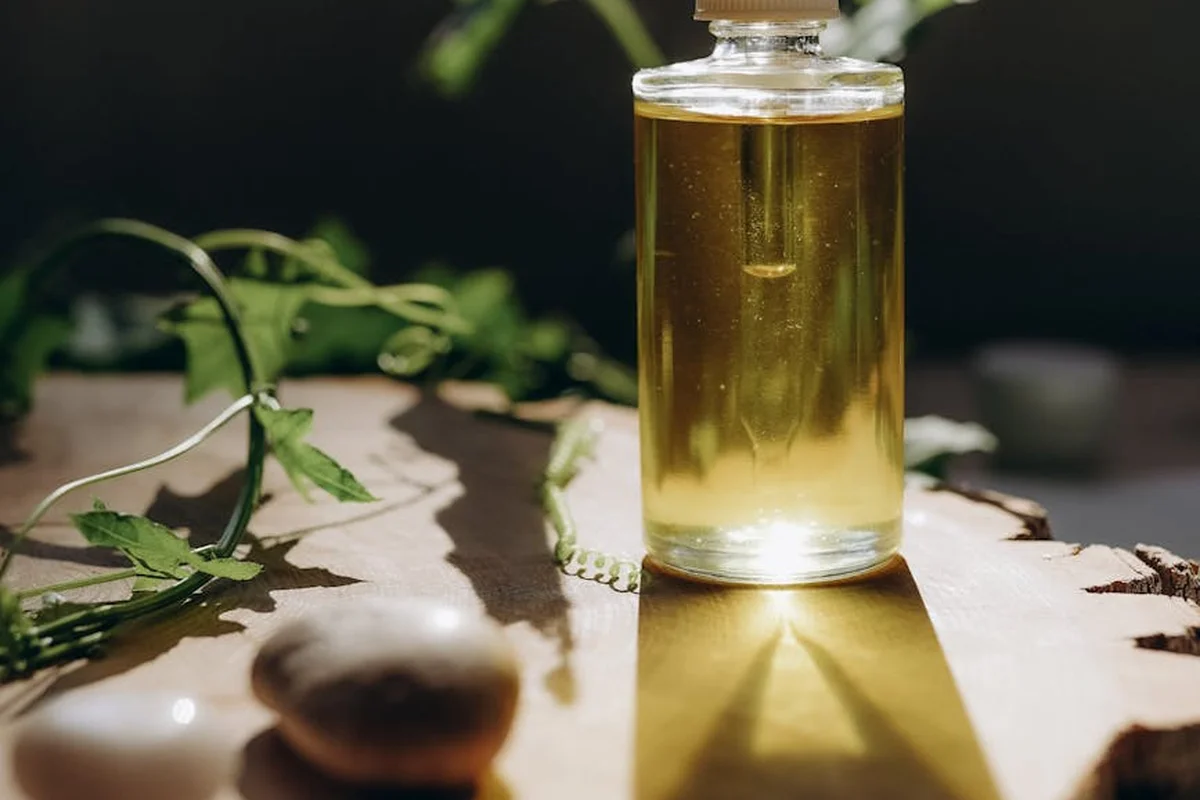
Picking an oil finish isn’t about finding the “best” one. It’s about matching the oil’s properties to your project’s demands. Think of it as a decision tree. Start by asking where the piece will live and what it needs to endure.
Is it a cabinet you want to feel like wood, a table that must survive dinner parties, or a bench facing the sun and rain? Your answers lead you down different paths.
For Furniture & Cabinets: In-Depth Feel and Grain
For furniture you touch daily, the goal is enhancing grain and preserving a natural, tactile feel. You want the wood to look like wood, not plastic.
Hard wax oils, like Osmo Polyx-Oil, are a top choice here. They blend natural oils and waxes into a thin, protective layer that sits in the wood fibers. I prefer them for cabinets and case goods because they offer a matte, velvety sheen that feels wonderful and is remarkably easy to spot-repair with a quick sanding and fresh coat. They dry fast, often in hours. This is exactly the kind of comparison that comes up when weighing wax vs oil finishes for wood furniture. In practice, you’ll weigh surface feel, maintenance, and durability when choosing between them.
Polymerized tung oil is the other contender. It’s pure tung oil that’s been heated, making it dry faster and harder. It builds a slightly more substantial film with a warm, amber glow. While repairable, it’s not as simple as a hard wax oil. You often need to sand back a larger area for an invisible fix.
The choice is subtle. For a modern, low-sheen feel and supreme repairability, I reach for a hard wax oil. For a traditional, warmer glow with a bit more build on porous woods like oak, polymerized tung oil wins.
For Tables & Countertops: Maximum Durability
Tabletops need armor. They face water rings, heat, scratches, and spills. Pure penetrating oils often aren’t enough. You need a finish that combines deep penetration with a tough surface layer.
This is where “oil-modified polyurethane” or “oiled urethane” blends excel. These are hybrid finishes. They penetrate like an oil to stabilize the wood, then the urethane resins crosslink on the surface to form a durable, plastic-like shield. For a kitchen table in a busy home, an oil-based polyurethane blend provides the best balance of warm depth and real-world defense against moisture and wear.
For a pure, food-safe option, nothing beats 100% pure tung oil. It cures into a very hard, water-resistant surface. The catch? Cure time. It can feel dry in days but takes a full month to reach maximum hardness. I use it on end grain cutting boards and countertops where I want zero chemical concerns after curing.
For Outdoor & Exterior Wood: Weather Resistance
Outside, the enemy trio is water, sun, and mold. A good exterior oil is a specialized recipe. It must penetrate deeply to repel water from within, not just sit on top.
Look for oils loaded with additives. UV inhibitors slow the sun’s graying effect. Mildewcides prevent black mold and algae. These are non-negotiable for longevity. Penetrating deck oils, often marketed for Ipe or Teak, are designed to protect without peeling; they fade and wear gradually, requiring reapplication every one to two years.
Avoid film-forming finishes (like standard polyurethane) outdoors. They will crack, peel, and trap moisture, leading to rot. The maintenance cycle is key with any exterior oil. You reapply not when the finish fails, but when the wood no longer beads water. A consistent, thin re-coat is far better than letting it degrade completely.
Toxicity, Safety, and Proper Handling (PPE)
Respect these materials. Many contain sensitizers, meaning repeated exposure can trigger lasting allergies. Citrus-based solvents (d-limonene) and certain oil components can cause this.
Food safety is a major concern. Once fully cured, 100% pure tung oil and most hard wax oils (check the specific manufacturer’s SDS) are considered food-safe. Any finish containing metallic driers or unlisted solvents is not for surfaces that contact food.
Your personal protection is simple but critical. I never touch any finish without nitrile gloves. Use ventilation a box fan in a window is a minimum. For solvent-heavy products (like some oil-poly blends), a respirator with organic vapor cartridges is necessary.
The most dangerous step happens after you’re done: rag disposal. Oily rags piled together can spontaneously combust as the oil cures and releases heat. Lay rags out flat, single-layer, to dry completely outside, or submerge them in a sealed metal can filled with water. Never toss them directly in the trash.
How to Apply and Maintain These Oils
The universal method for a hand-rubbed look is “flood, wipe, wait, buff.” Apply a generous wet coat to the entire surface. Let it soak in for 10-20 minutes. Then, using a clean, lint-free rag, wipe off every bit of excess. If you leave it, it will dry sticky. Wait for it to cure (times vary). Finally, buff with a clean rag for a smooth feel.
You know the wood is saturated when it stops drinking the oil quickly. The surface will stay wet longer during the flood stage. For most projects, two to three coats is the sweet spot.
Remember the difference between dry and cure. Dry means it’s not tacky. Cure means the chemical hardening is complete. A hard wax oil may dry in 6 hours but needs 3 days to cure. Pure tung oil can dry in 2 days but needs 30 to cure fully. Don’t subject the piece to use until it’s cured.
Maintenance is straightforward. When water stops beading and soaks in, or the surface looks dull and dry, it’s time. Lightly abrade the surface with fine steel wool (0000), wipe clean, and apply a single maintenance coat using the same wipe-on method. There’s no need to strip back to bare wood, which is the beauty of a well-maintained oil finish.
Frequently Asked Questions
What is the best oil finish for wood furniture where I want a natural feel?
For a natural, tactile feel, use a hard wax oil or polymerized tung oil. These cure inside the wood cells to stabilize moisture exchange while leaving a matte, open-pore surface that highlights the grain.
Why are oil finishes often recommended for kitchen cabinets over film-forming varnishes?
Oils are preferred for their superior repairability and low-sheen aesthetic. A hard wax oil allows for localized sanding and recoating of worn areas, unlike a film finish which requires complete stripping for an invisible repair.
For a wooden dining table, should I prioritize durability or food safety?
Choose based on the primary threat: an oil-modified polyurethane blend offers the highest durability against heat and moisture, while 100% pure tung oil provides a fully cured, food-safe surface but requires a longer cure time for maximum hardness.
What specific additives should I look for in an oil finish for exterior wood?
Seek oils with UV inhibitors to prevent graying and mildewcides to resist mold. These penetrating deck oils are formulated to wear gracefully and require reapplication when the wood no longer beads water, typically every 1-2 years.
How does the preparation of timber affect the performance of an oil finish?
Properly seasoned timber with low, stable moisture content is critical, as oiling overly wet wood will trap moisture and impede cure. Surface preparation before oiling is essential. Clean, dust-free surfaces and a light scuff help open the pores and promote even penetration. Sanding to a consistent grit (often 180-220) ensures even oil penetration and a uniform surface sheen after curing.
Final Thoughts on Selecting an Oil Finish
Your project’s success hinges on matching the finish to the wood’s purpose and your own tolerance for maintenance. Always test your chosen finish on scrap from the same board to see the true color and sheen it will produce. Dense hardwoods often pair well with polymerizing oils for durability, while porous woods may need a gel or wax-heavy blend to avoid a blotchy appearance. For items like cutting boards or children’s toys, a purely non-toxic, food-safe oil is the only responsible choice.
Choosing a finish made from sustainably harvested materials is a direct vote for healthier forests. Your journey as a woodworker is never finished, so keep questioning how material science can improve your next project.
References & External Links
- Finish Wood With Oil: How To Choose the Right One
- 5 of the Best Oil Finishes for Wood Furniture – Vermont Woods Studios
- Shop at Odies Oil for the Best Wood Finish Products
- Wood Finishes: What Works When | The Wood Database
- Oil finishes – Canadian Woodworking
David Ernst
David is a veteran woodworker. He is now retired and stays in his cabin in Wisconsin which he built himself. David has 25+ years experience working in carpentry and wood shops. He has designed and built many small and large wood projects and knows the science behind wood selection like the back of his hand. He is an expert guide on any questions regarding wood material selection, wood restoration, wood working basics and other types of wood. While his expertise is in woodworking, his knowledge and first hand experience is far from 'woody'.