Wood, Understood — From Forest to Finish
At Wood Work Science, we turn complex wood behavior into clear, practical decisions. We test, measure, and explain—so your joinery fits, your finishes cure right, and your projects last. Have a tricky wood problem? Ask us anytime.
Make Smarter Choices With Evidence, Not Guesswork
Know Your Species: Strength, Hardness, Movement
Side-by-side species profiles with hardness, density, shrinkage ratios, and working notes. Real shop effects—tear‑out risk, burn tendency, screw-holding. Plus acclimation guidance matched to your climate.
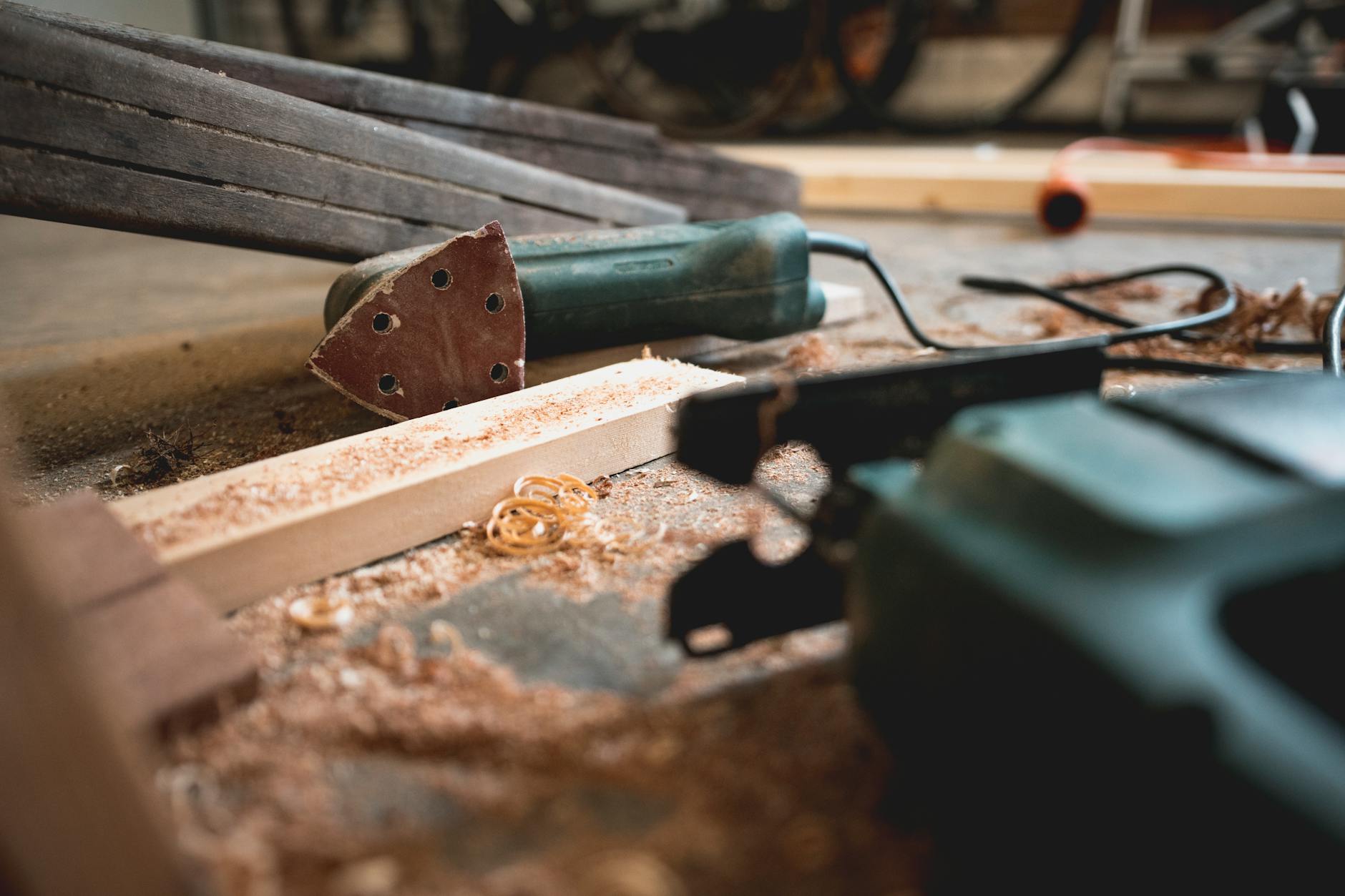
Finishes and Glues, Decoded
Cure-time and bond-strength checks across temperature and humidity. Film build, adhesion, and compatibility—tested. From shellac to 2K poly, from PVA to epoxy: what to use, when, and why.
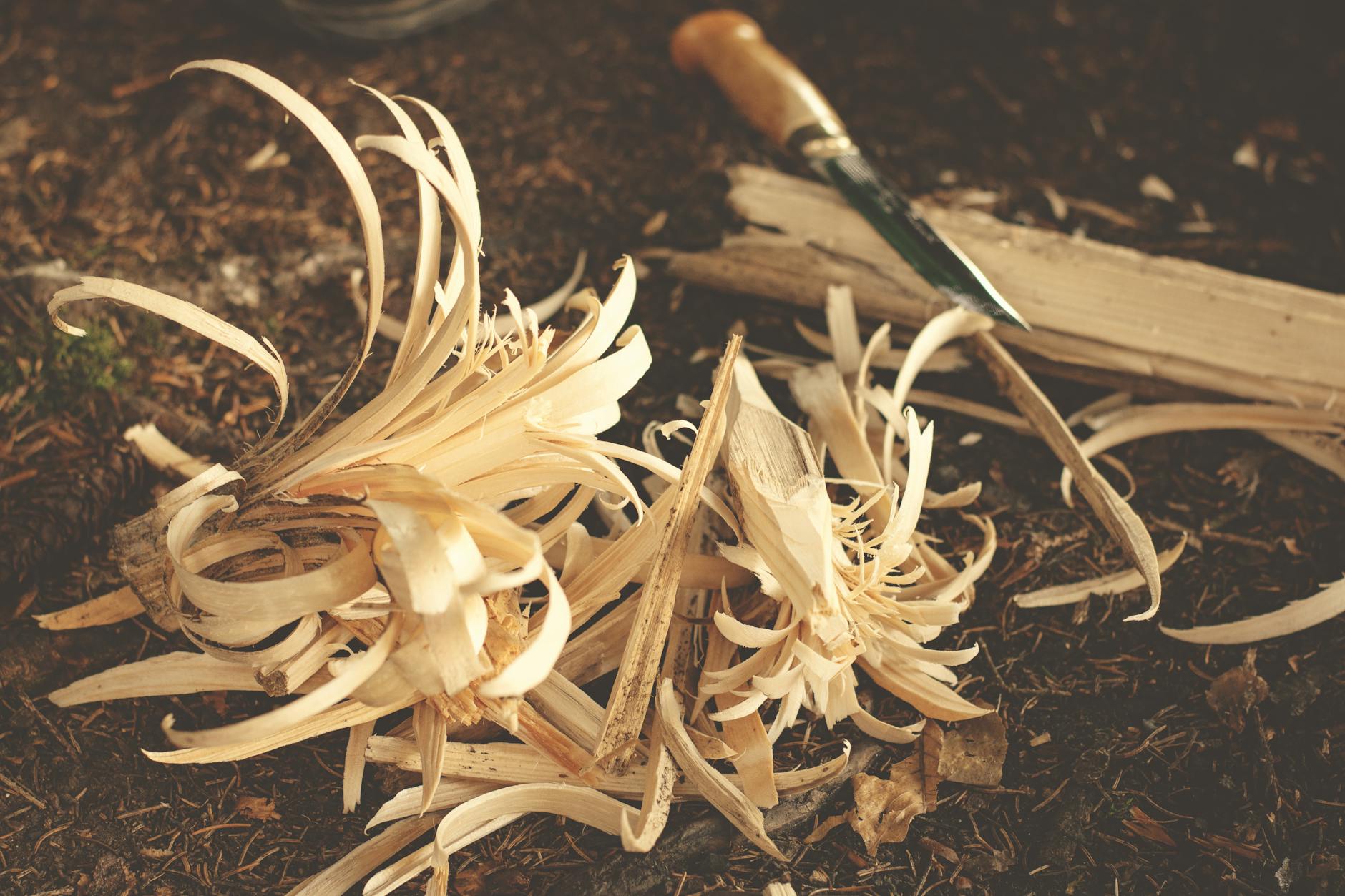
Moisture Mastery = Fewer Failures
EMC you can use. Meter comparisons, kiln notes, and acclimation checklists. Stop cupping, gapping, and glue-line failure before they start.
Explore Our Latest Guides and Lab Notes
-
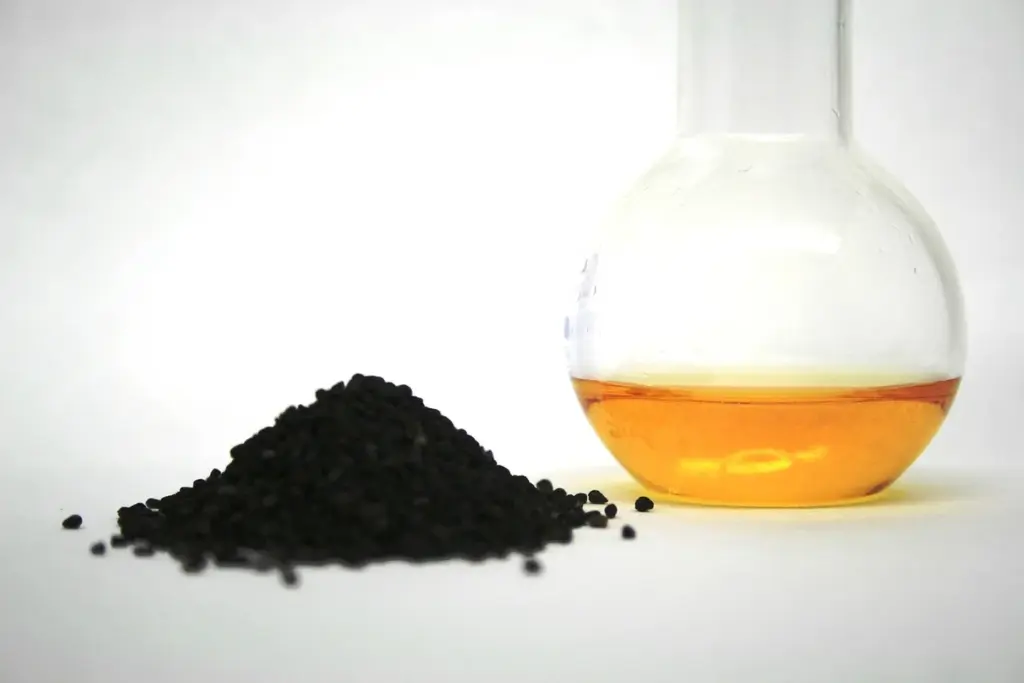
How Does Danish Oil Work? A Wood Materials Science Explanation
Practical guide for woodworkers on applying Danish oil, penetration, curing, finish, recoat timing, and long-term…
-
How Do You Control Wood Stain Color? A Materials Science Approach to Application and Modification
How to apply, modify, and darken wood stain: techniques, chemistry, and color control for woodworkers…
-
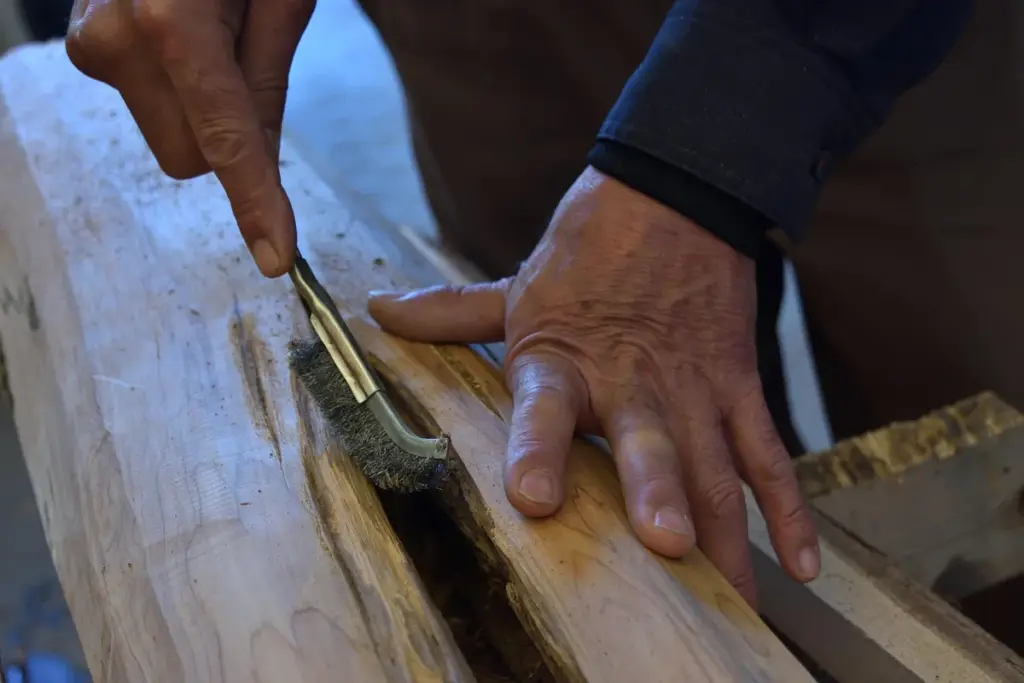
What Are the Best Wood Finishes for Outdoor Protection?
Compare top chemical treatments and finishes to shield outdoor wood from moisture, UV, and decay;…
-

How Do You Apply a Chemical-Resistant Finish to a Walnut Bar Top with Catalyzed Lacquer?
Step-by-step guide: prep walnut bar top, mix catalyzed lacquer, apply chemical-resistant finish, cure, test, and…
-
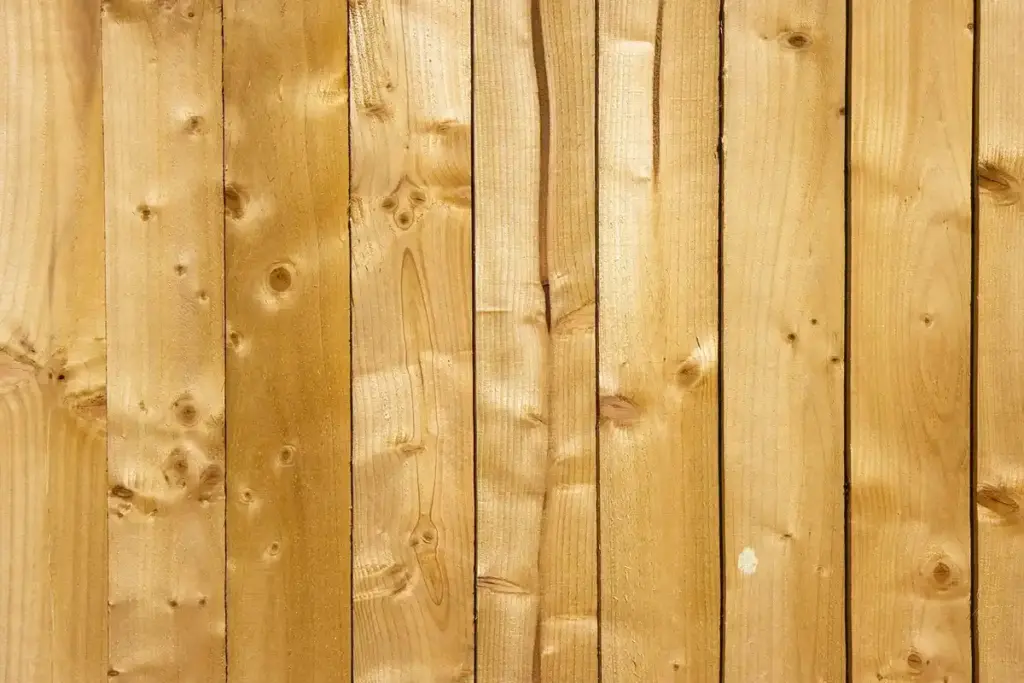
How Do You Find Quality Walnut Wood Near You?
Locate local walnut wood suppliers and lumberyards, compare grades, pricing, and options for boards, roughsawn…
-

Does Pine Stand Up to the Elements? A Science-Based Look at Outdoor Use.
Is pine durable for outdoor furniture, decks, and structures? Weather resistance, treatments, maintenance, common pine…
New to Wood Work Science? Start Here.
Whether you’re building your first bench or your fiftieth cabinet, you’re in the right place. Start with our fundamentals—wood movement, grain selection, finishing systems, adhesive basics—then dive into troubleshooting shaped by reader questions. We update methods, run fresh tests, and revise conclusions as new data appears. Can’t find what you need? Tell us what to test next at woodworkscience.com/contact-us.
-
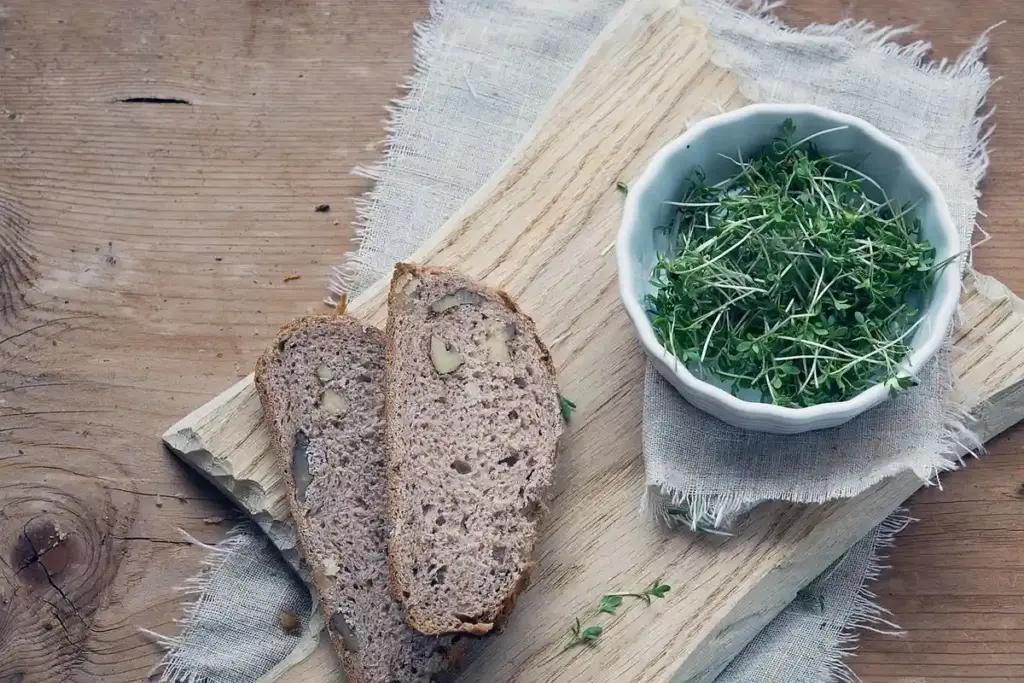
Is Teak Wood Good for Cutting Boards? A Wood Science Breakdown
Is teak good for cutting boards? Compare Janka hardness, oil content, and food safety for…
-
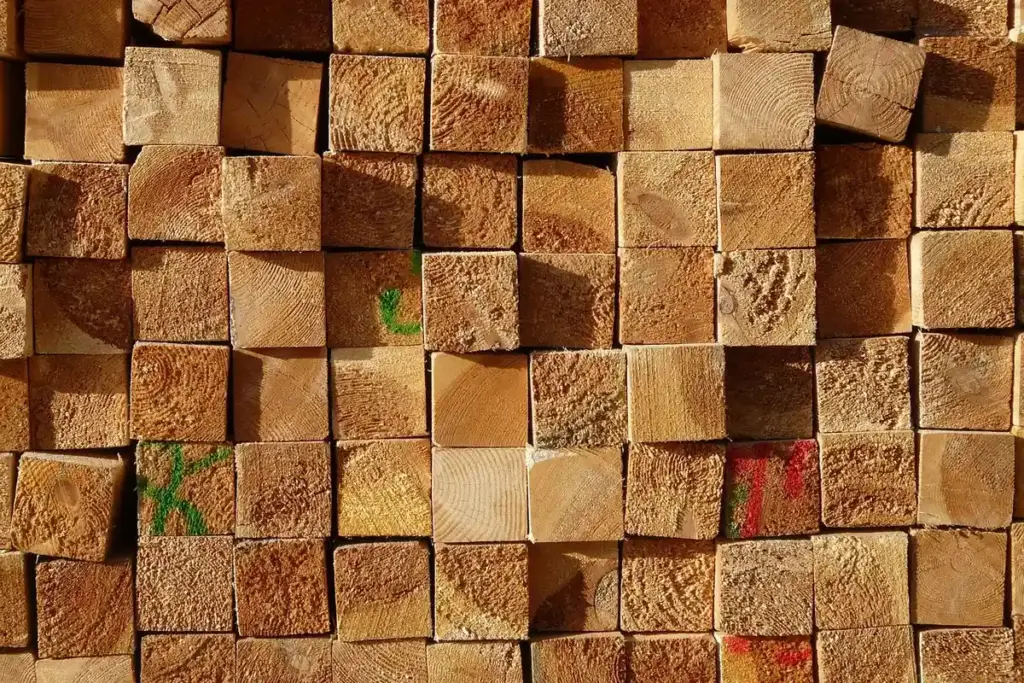
Is Pressure-Treated Lumber Safe for Indoor Furniture and Toys?
Is pressure-treated lumber safe for indoor furniture and toys? Risks, chemical exposure, mitigation, testing, and…
-

How Do Acacia and Teak Stack Up on Hardness, Density, and Outdoor Use?
Acacia vs Teak: Janka hardness, density, outdoor durability, rot resistance, and workability for woodworking projects.
-

What Are the Best Oil Finishes for Wood Furniture? A Wood Scientist’s Guide
Best oil finishes for wood furniture, step-by-step application for durability and grain enhancement.
-

Is Your Woodshop Pet-Safe? A Materials Science Guide to Toxicity
Identify toxic woods and finishes, pet-safe alternatives, and safe woodworking practices for homes with pets.
-
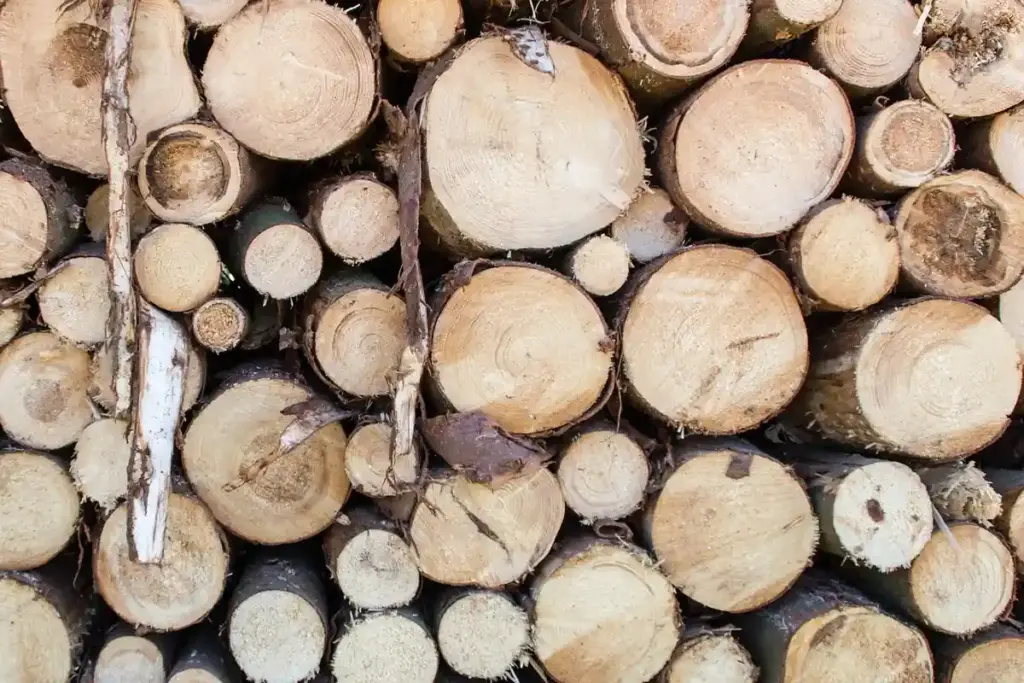
What Are the Best Uses for Pine Wood? A Wood Science Perspective
Pine wood: best uses in furniture, construction, and millwork; properties, workability, finishes, costs, sustainability, care.
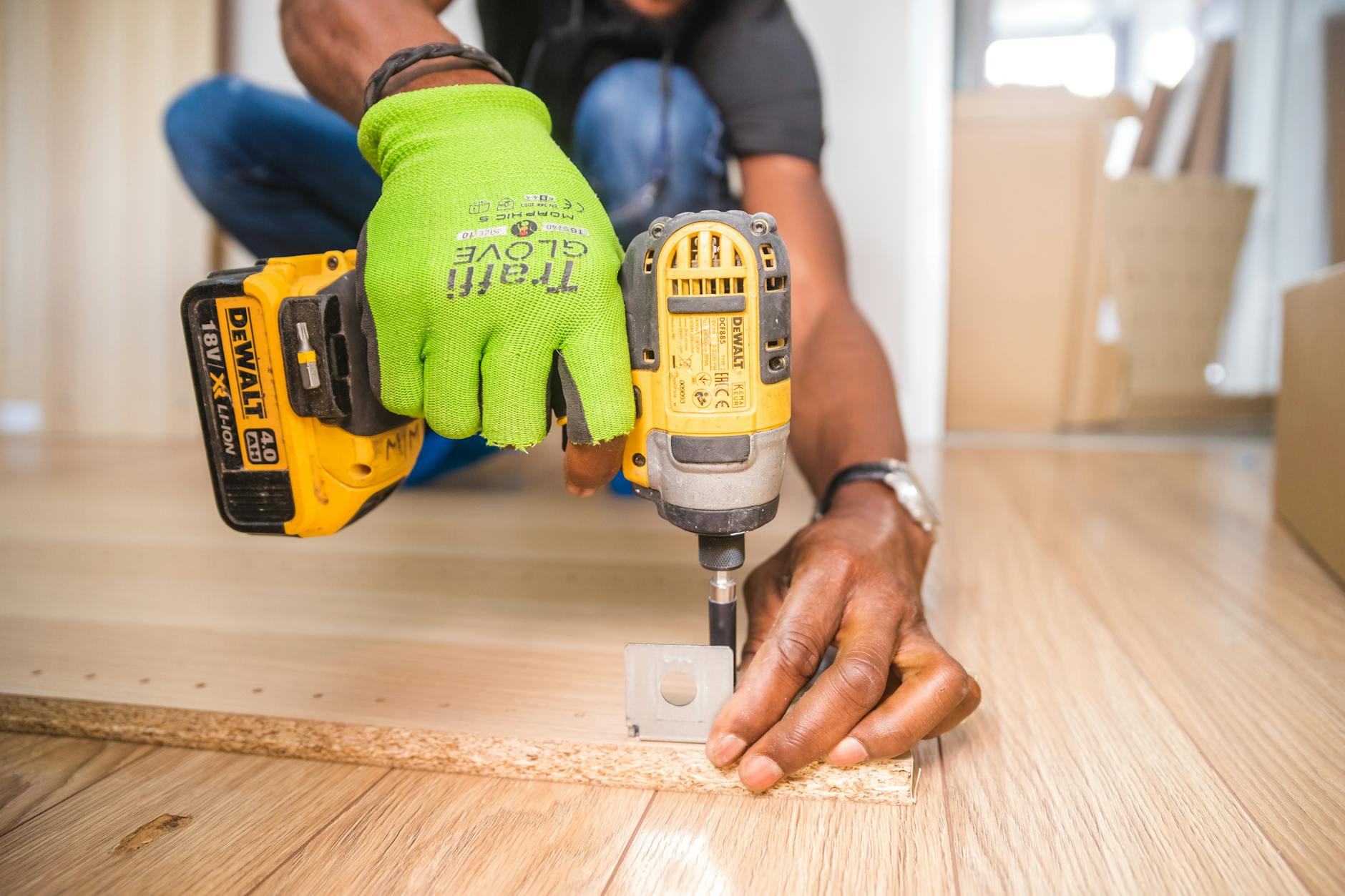
About Wood Work Science
We’re a small, obsessive team of wood technologists, furniture makers, and millworkers. Decades of combined shop time. Years of lab work. We’ve tuned kilns, logged moisture cycles, pushed joints to failure, and rebuilt them better. Our mission is simple: translate the science of wood into reliable, real‑world guidance you can trust—so your projects survive seasons, travel, and time.
How we earn your trust: we document methods, share numbers, and state limits. Products are selected for relevance—no pay‑for‑placement. When we use affiliate links, they never influence our results and they help fund more testing. Every article is peer‑reviewed by a second editor and checked for clarity and safety. We correct mistakes promptly and timestamp revisions. Questions, corrections, or collaboration ideas? Reach us at woodworkscience.com/contact-us.