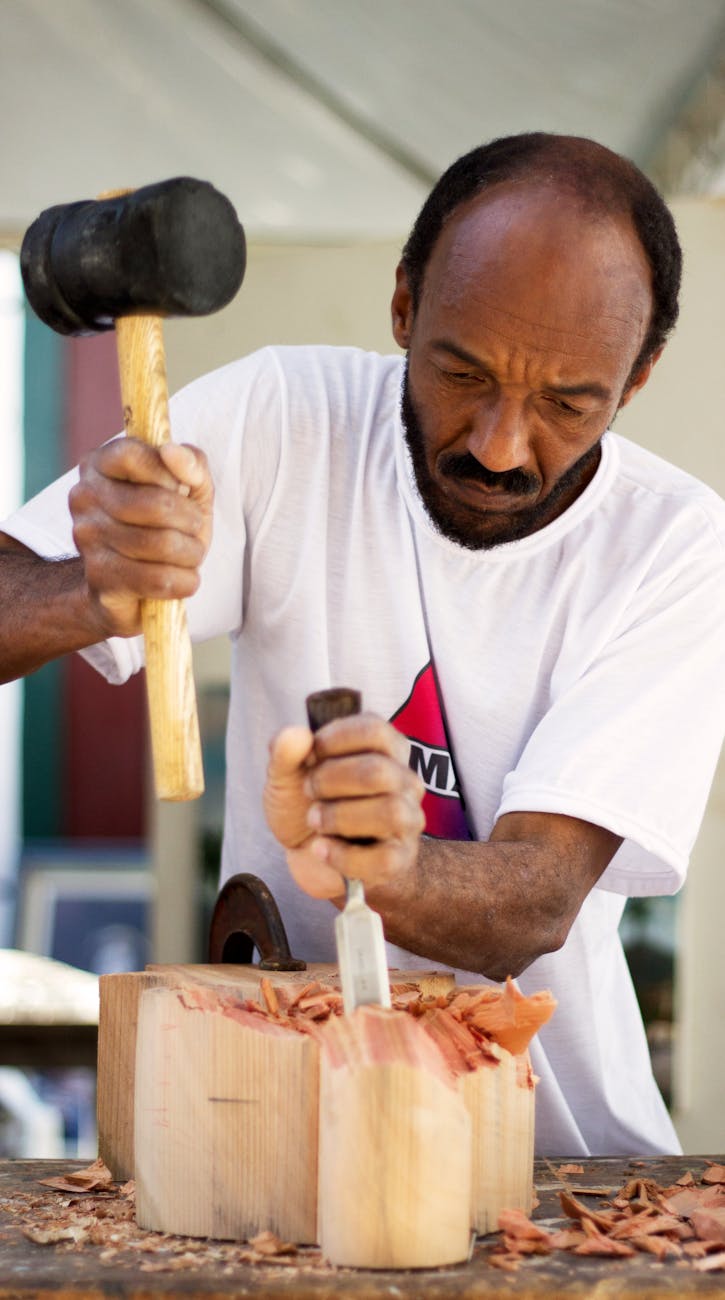
Wood, Understood — From Forest to Finish
At Wood Work Science, we turn complex wood behavior into clear, practical decisions. We test, measure, and explain—so your joinery fits, your finishes cure right, and your projects last. Have a tricky wood problem? Ask us anytime.
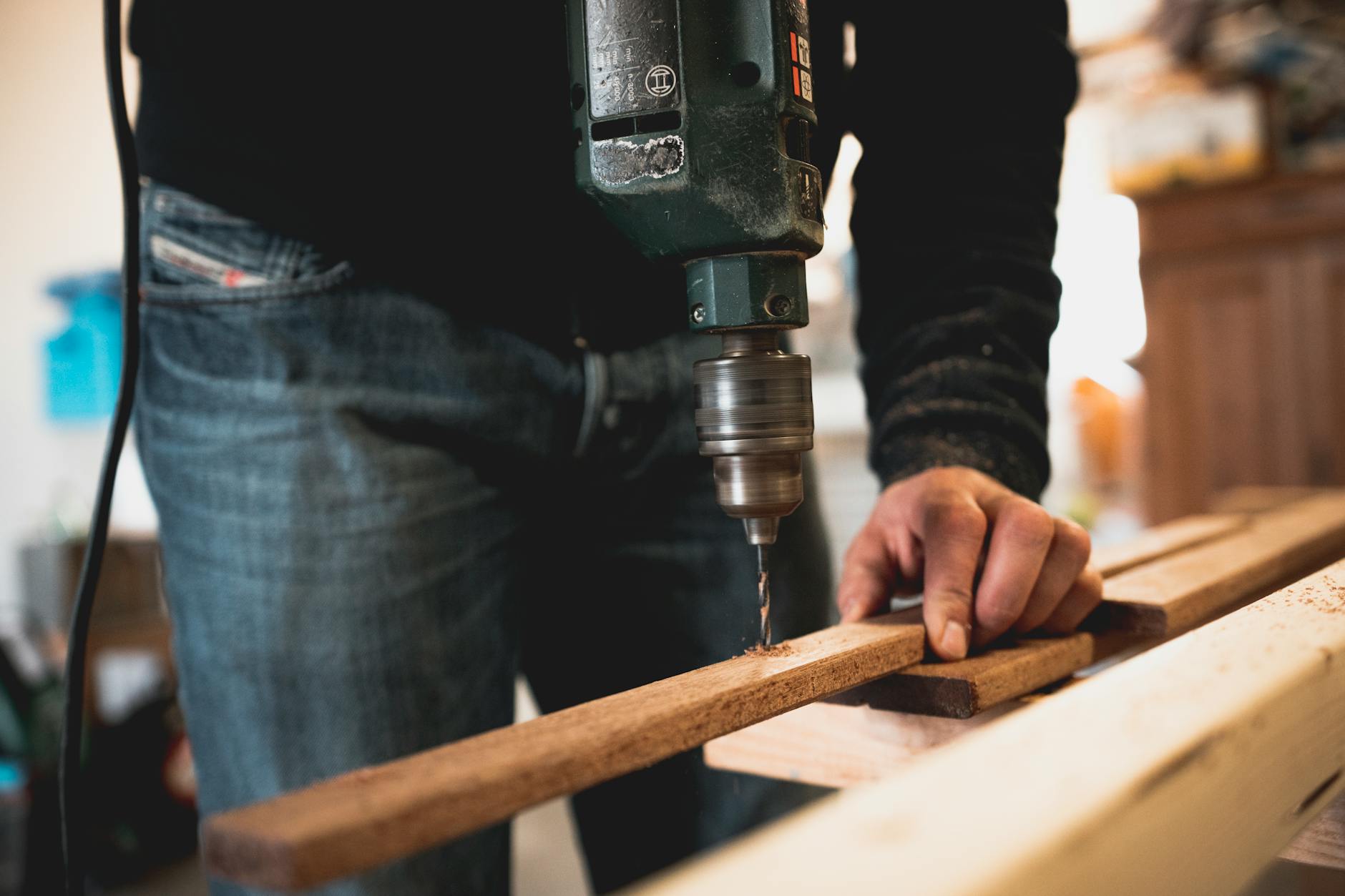
Make Smarter Choices With Evidence, Not Guesswork
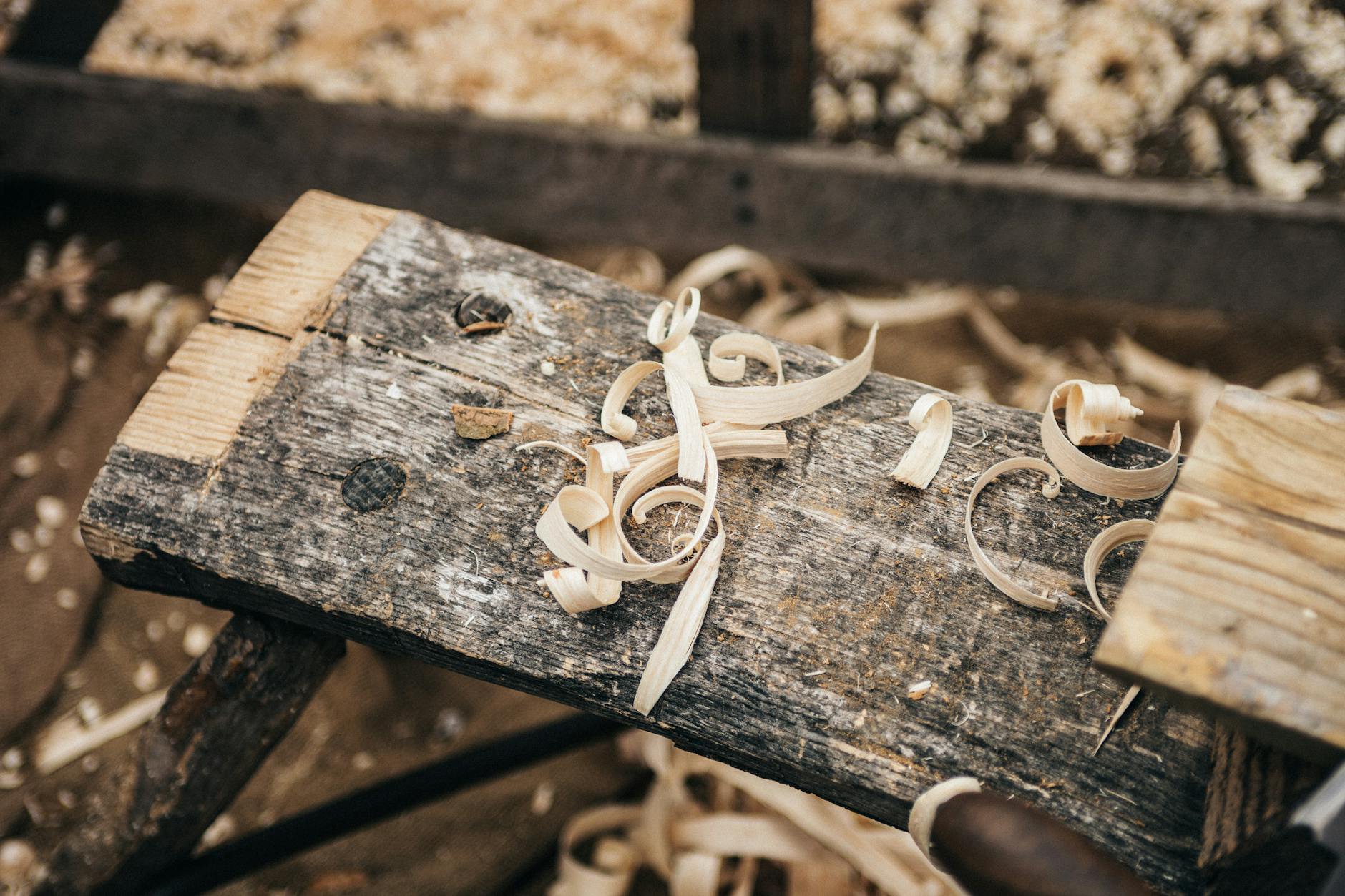
Know Your Species: Strength, Hardness, Movement
Side-by-side species profiles with hardness, density, shrinkage ratios, and working notes. Real shop effects—tear‑out risk, burn tendency, screw-holding. Plus acclimation guidance matched to your climate.
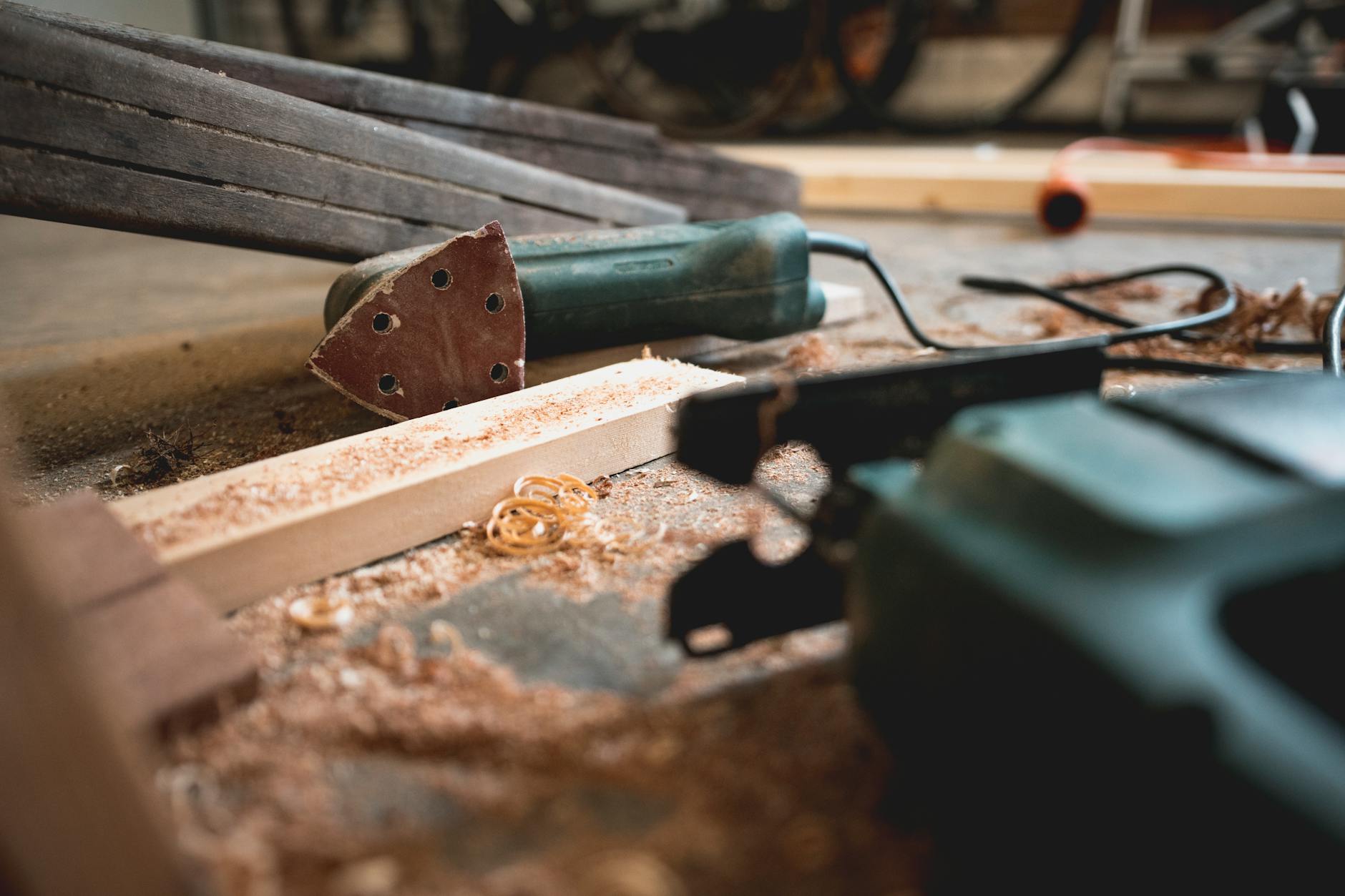
Finishes and Glues, Decoded
Cure-time and bond-strength checks across temperature and humidity. Film build, adhesion, and compatibility—tested. From shellac to 2K poly, from PVA to epoxy: what to use, when, and why.

Moisture Mastery = Fewer Failures
EMC you can use. Meter comparisons, kiln notes, and acclimation checklists. Stop cupping, gapping, and glue-line failure before they start.
Explore Our Latest Guides and Lab Notes
-

How Does Wood Science Beat Humidity, Mold, and Rot?
Outdoor wood care in humid climates: prevent mold, mildew, moisture with cleaning, sealing, coatings, and…
-

How Do You Clean Antique Wood Without Erasing Its History?
Antique wood cleaning: preserve patina with gentle agents, moisture control, spot testing, tool choices, finishes,…
-

Which Outdoor Wood Finish is Better: Synthetic Sealant or Natural Oil?
Synthetic sealants vs natural oil finishes for outdoor wood: longevity, maintenance, eco impact, cost, durability.
-

Why pH Matters When You Clean Wood
pH in wood cleaning: compare acidic vs alkaline cleaners, effects on fibers and finishes, testing…
-

Does Ultrasonic Cleaning Work on Wood?
Ultrasonic cleaning for wooden items: pros, cons, safety, material limits, and best-use scenarios that address…
-
Wax vs. Oil for Wood Furniture: Which Performs Better?
Wax vs. oil finishes for wood furniture: compare protection, aesthetics, maintenance, application, and choosing the…
New to Wood Work Science? Start Here.
Whether you’re building your first bench or your fiftieth cabinet, you’re in the right place. Start with our fundamentals—wood movement, grain selection, finishing systems, adhesive basics—then dive into troubleshooting shaped by reader questions. We update methods, run fresh tests, and revise conclusions as new data appears. Can’t find what you need? Tell us what to test next at woodworkscience.com/contact-us.
-

How Can You Finish Mahogany to Prevent Blotches and Boost Its Grain?
Finish mahogany to boost grain and prevent blotching: prep, pore fill, sealers, stain, and topcoats.
-
How Does Wood’s Porosity Control Your Finish and Glue?
How wood porosity drives absorption, adhesion, and surface finish; covers porosity types, species, prep, coatings,…
-

What Is Cherry Wood? A Woodworker’s Guide to Its Science and Grain
Cherry wood: botanical origins, taxonomy, and key identifying traits for woodworkers and wood science researchers.
-

How Do You Spot Pressure-Treated Wood and Know If a Pallet Is Safe?
Identify pressure-treated wood by stamps, markings, odor; assess pallet safety for woodworking and safe handling.
-
How Long Does Wood Stain and Polyurethane Really Take to Dry and Cure?
Drying and curing times for wood stain and polyurethane: temp & humidity, coat intervals, recoat…
-

Where Can You Source High-Quality Hickory Wood for Furniture and Tool Handles?
Where to source high-quality hickory for furniture and tool handles; grain orientation, moisture content, and…
About Wood Work Science
We’re a small, obsessive team of wood technologists, furniture makers, and millworkers. Decades of combined shop time. Years of lab work. We’ve tuned kilns, logged moisture cycles, pushed joints to failure, and rebuilt them better. Our mission is simple: translate the science of wood into reliable, real‑world guidance you can trust—so your projects survive seasons, travel, and time.
How we earn your trust: we document methods, share numbers, and state limits. Products are selected for relevance—no pay‑for‑placement. When we use affiliate links, they never influence our results and they help fund more testing. Every article is peer‑reviewed by a second editor and checked for clarity and safety. We correct mistakes promptly and timestamp revisions. Questions, corrections, or collaboration ideas? Reach us at woodworkscience.com/contact-us.