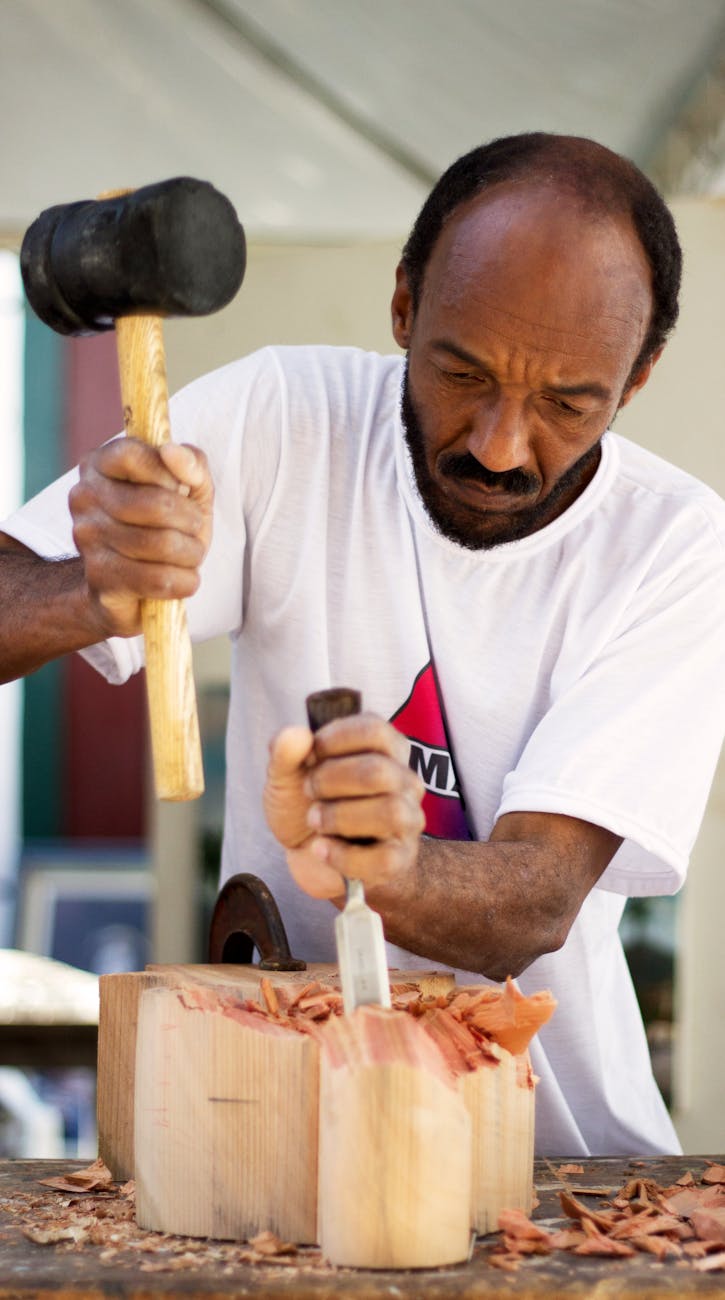
Wood, Understood — From Forest to Finish
At Wood Work Science, we turn complex wood behavior into clear, practical decisions. We test, measure, and explain—so your joinery fits, your finishes cure right, and your projects last. Have a tricky wood problem? Ask us anytime.
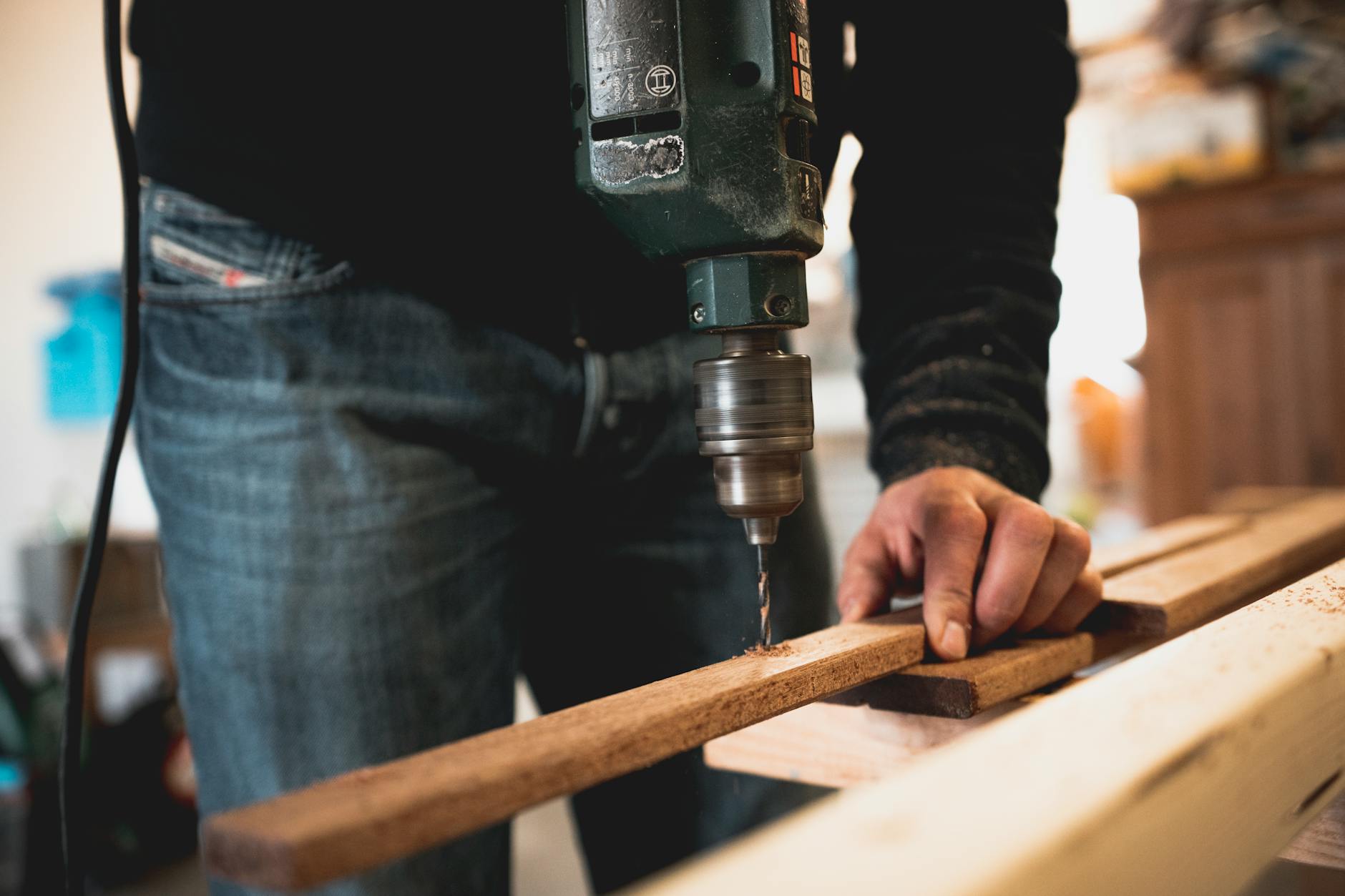
Make Smarter Choices With Evidence, Not Guesswork
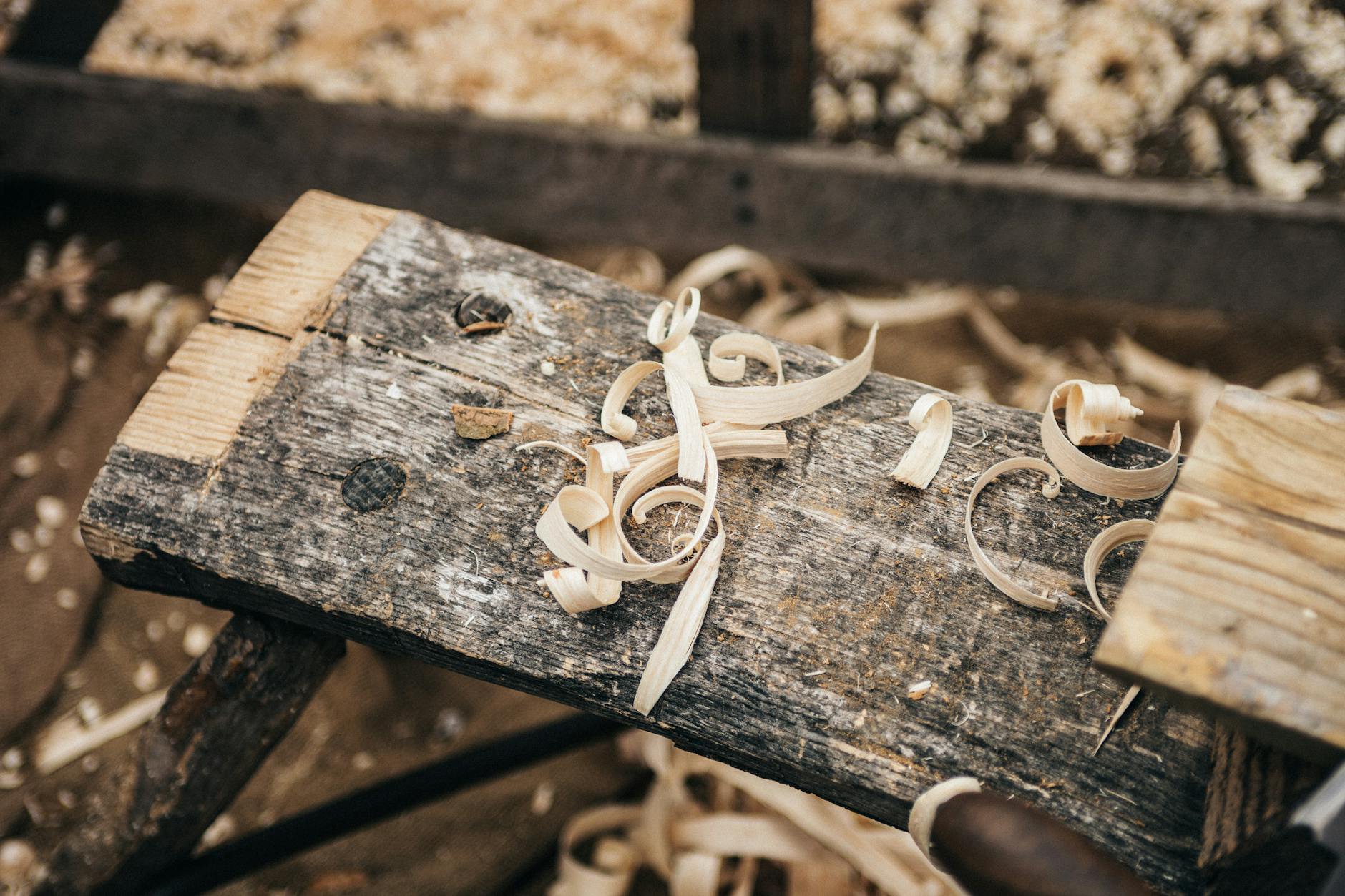
Know Your Species: Strength, Hardness, Movement
Side-by-side species profiles with hardness, density, shrinkage ratios, and working notes. Real shop effects—tear‑out risk, burn tendency, screw-holding. Plus acclimation guidance matched to your climate.
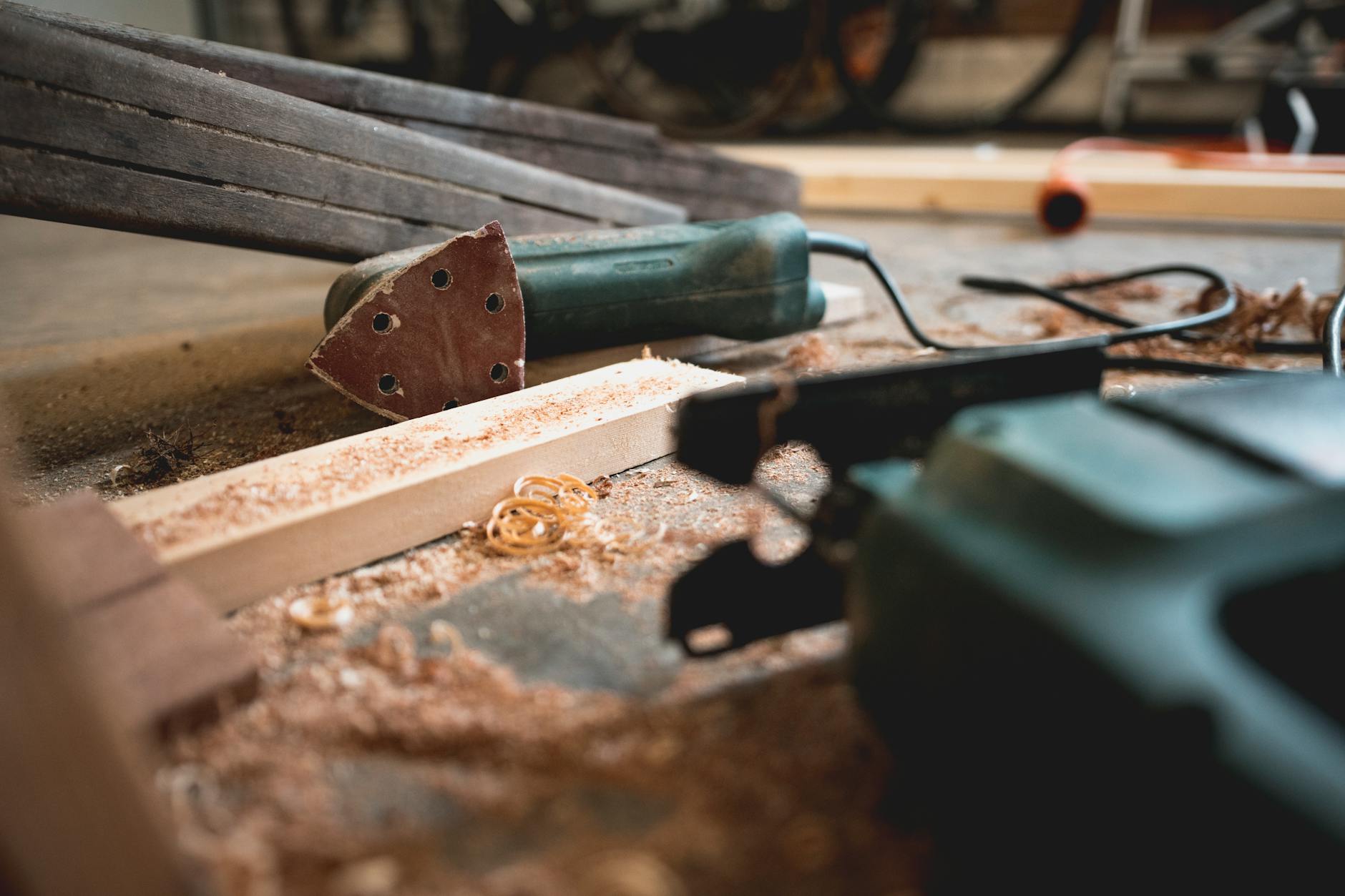
Finishes and Glues, Decoded
Cure-time and bond-strength checks across temperature and humidity. Film build, adhesion, and compatibility—tested. From shellac to 2K poly, from PVA to epoxy: what to use, when, and why.

Moisture Mastery = Fewer Failures
EMC you can use. Meter comparisons, kiln notes, and acclimation checklists. Stop cupping, gapping, and glue-line failure before they start.
Explore Our Latest Guides and Lab Notes
-
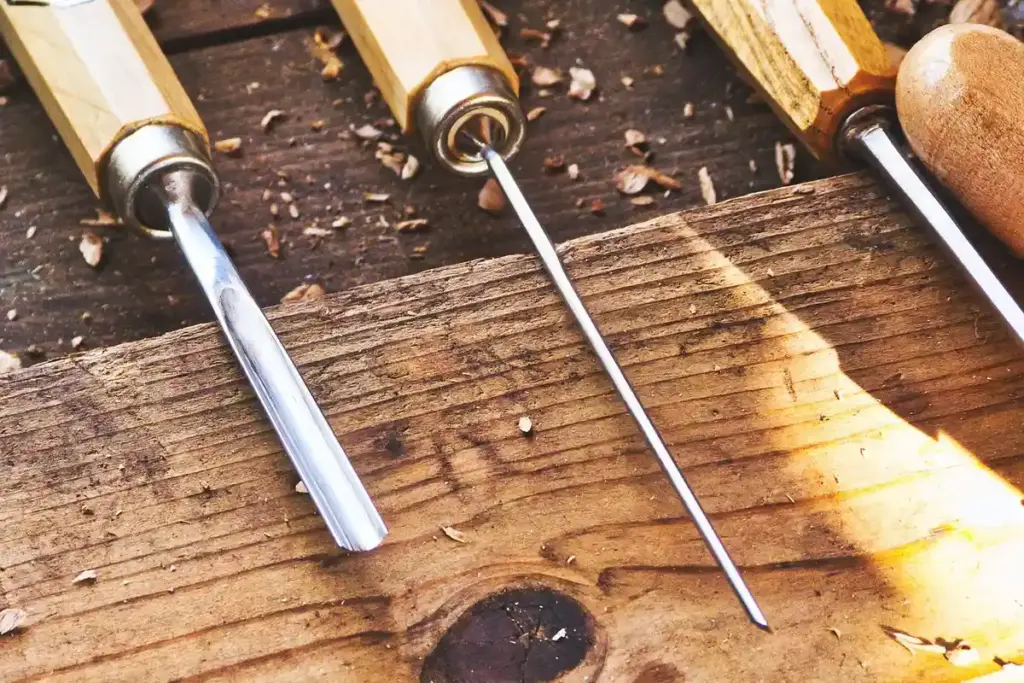
How Do You Repair Historic Wood Without Compromising Its Character?
Repairing historic woodwork: assess structure, maintain authenticity, apply reversible fixes with compatible materials.
-
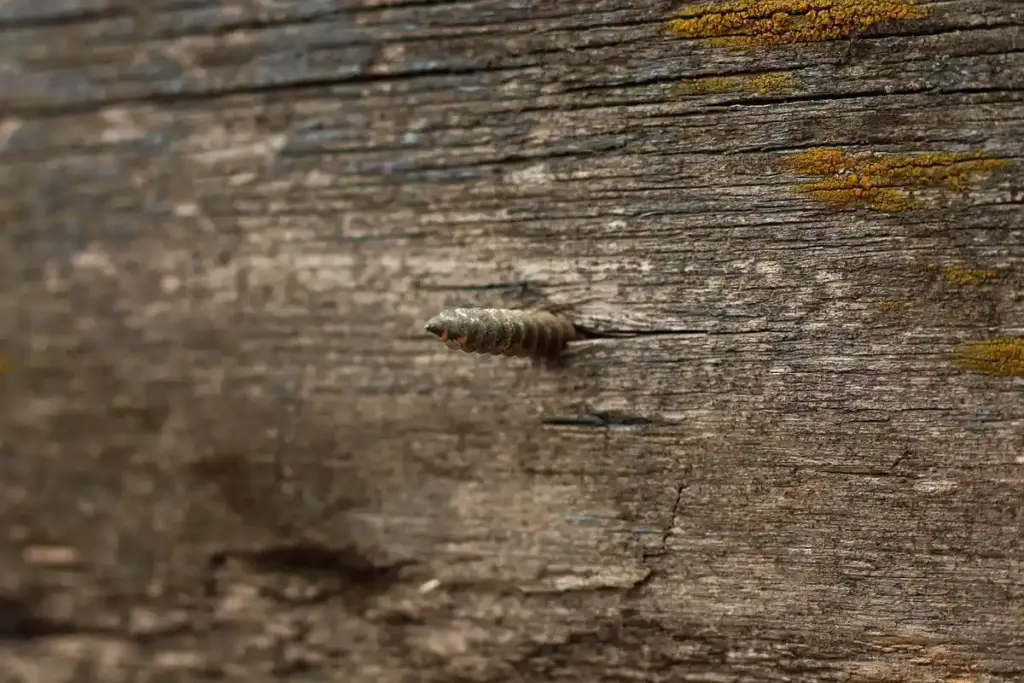
Can You Really Save Rotting Wood with Epoxy?
Rot stabilization with epoxy consolidants: when it works, when it fails, and the science of…
-

What’s the Best Way to Bend Wood for a Repair? Physics Says It Depends.
Steam bending vs kerf bending vs lamination: physics and best practices for repairing curved wood…
-
How Do You Pick a Solvent That Strips Finish Without Harming You or the Wood?
Solvent chemistry for safe, effective wood finish removal in repairs: wood-type compatibility, safety, VOCs, drying,…
-

How Do You Actually Use the Janka Scale for Wood Repairs?
Janka Scale in Practice: how to pick repair woods by strength, color, and movement; practical…
-
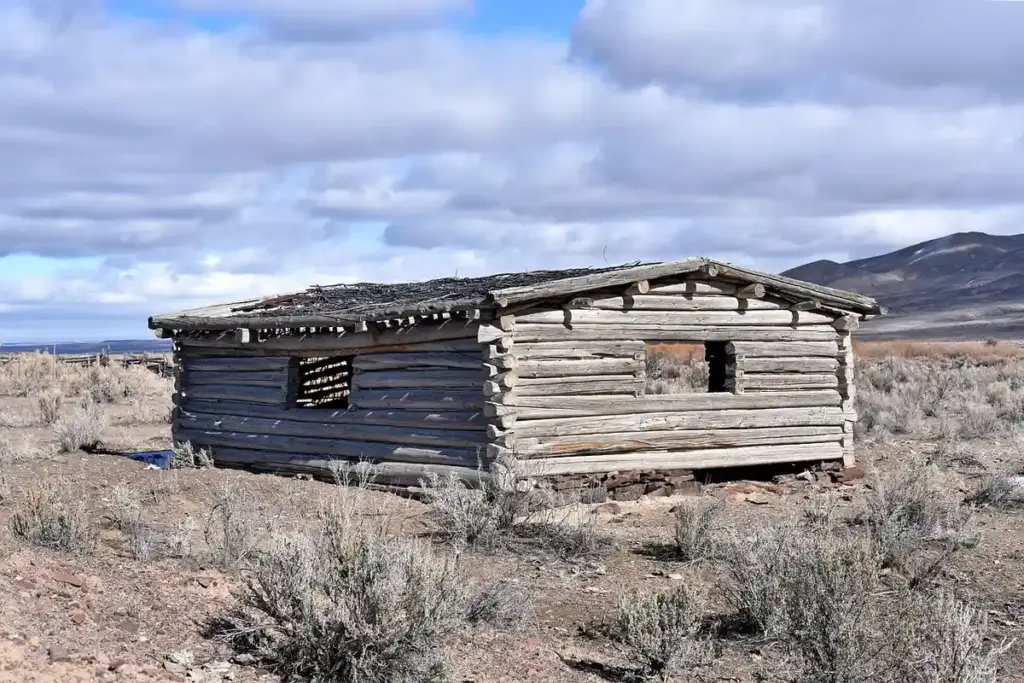
What Wood Science Says About Fixing Split Chair Rungs and Bent Laminations?
Joinery physics for repairing split chair rungs and bent laminations: methods, materials, adhesives, clamps, curing,…
New to Wood Work Science? Start Here.
Whether you’re building your first bench or your fiftieth cabinet, you’re in the right place. Start with our fundamentals—wood movement, grain selection, finishing systems, adhesive basics—then dive into troubleshooting shaped by reader questions. We update methods, run fresh tests, and revise conclusions as new data appears. Can’t find what you need? Tell us what to test next at woodworkscience.com/contact-us.
-
What Sanding Grit Sequence Prevents Blotchy Wood Stain?
A step-by-step sanding sequence for stain prep to prevent blotchiness and ensure even absorption across…
-
How Do You Lighten Pine Wood and Choose Oil Stains for True Color?
Lighten pine wood methods and top oil-based stains for color modification; prep, application, and color…
-
How Do You Lighten Wood Stain? Wood Science Methods for Adjusting Color
Lighten wood stain with thinning, bleaching, diluting, and finish tweaks—practical tone control for woodworking projects.
-

What Does Materials Science Say About Fixing Rot, Warp, and Loose Joints in Doors?
Fix rot, warp, and loose joints in doors/frames; identify causes, apply repairs, select materials, prevent…
-
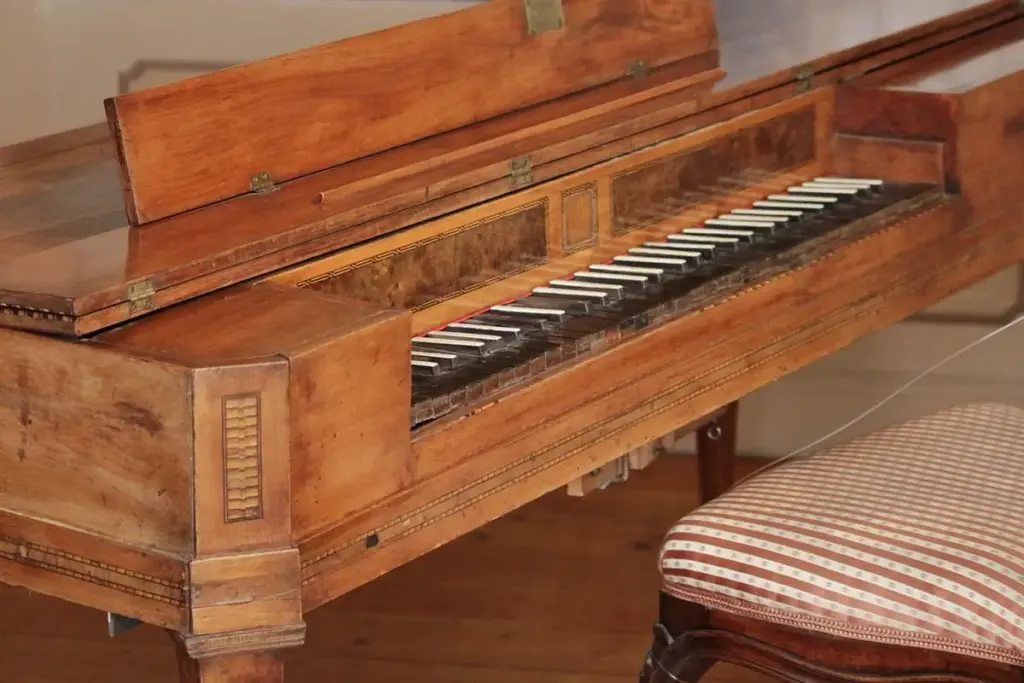
Coconut Oil on Wood: A Smart Finish or a Shop Mistake?
Is coconut oil a good wood polish and finish? Chemistry, durability, and wood-movement risks for…
-
Which Wood Species Pair Best with Cherry? A Materials Science Guide
Best wood pairings with cherry for furniture and cabinetry: color, grain, finish, stability, durability, cost,…
About Wood Work Science
We’re a small, obsessive team of wood technologists, furniture makers, and millworkers. Decades of combined shop time. Years of lab work. We’ve tuned kilns, logged moisture cycles, pushed joints to failure, and rebuilt them better. Our mission is simple: translate the science of wood into reliable, real‑world guidance you can trust—so your projects survive seasons, travel, and time.
How we earn your trust: we document methods, share numbers, and state limits. Products are selected for relevance—no pay‑for‑placement. When we use affiliate links, they never influence our results and they help fund more testing. Every article is peer‑reviewed by a second editor and checked for clarity and safety. We correct mistakes promptly and timestamp revisions. Questions, corrections, or collaboration ideas? Reach us at woodworkscience.com/contact-us.