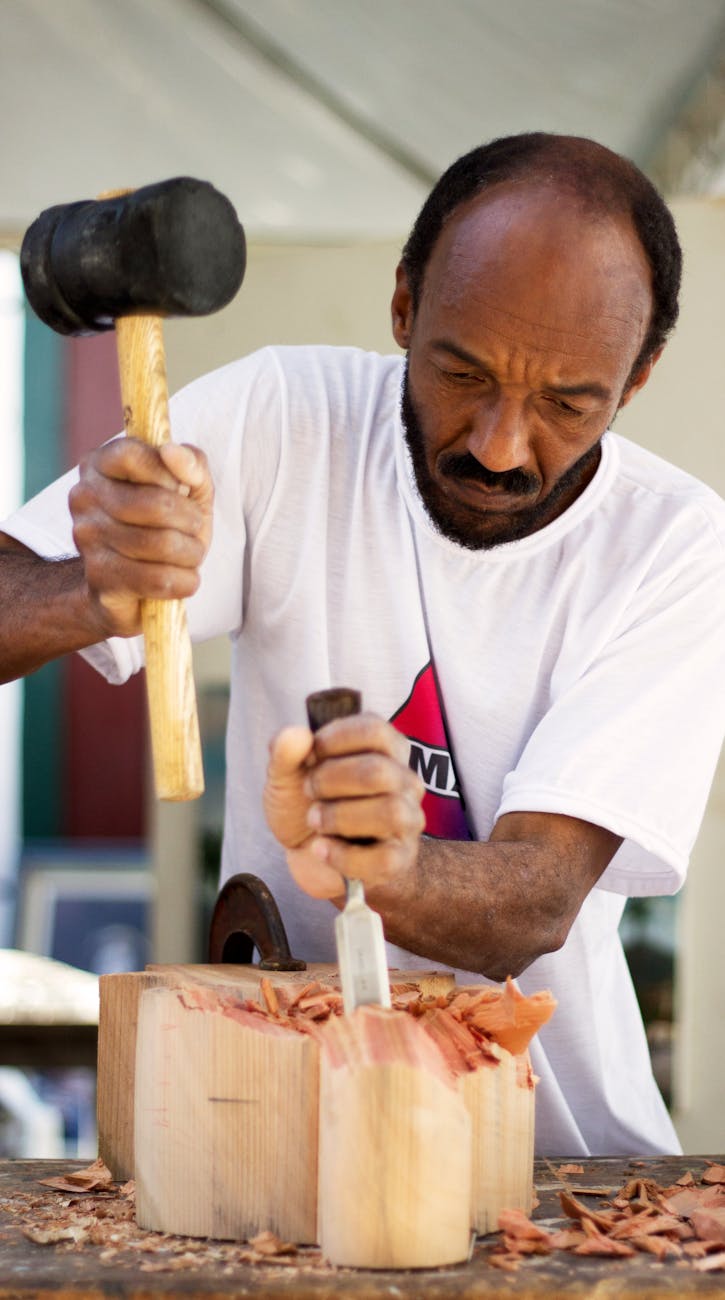
Wood, Understood — From Forest to Finish
At Wood Work Science, we turn complex wood behavior into clear, practical decisions. We test, measure, and explain—so your joinery fits, your finishes cure right, and your projects last. Have a tricky wood problem? Ask us anytime.
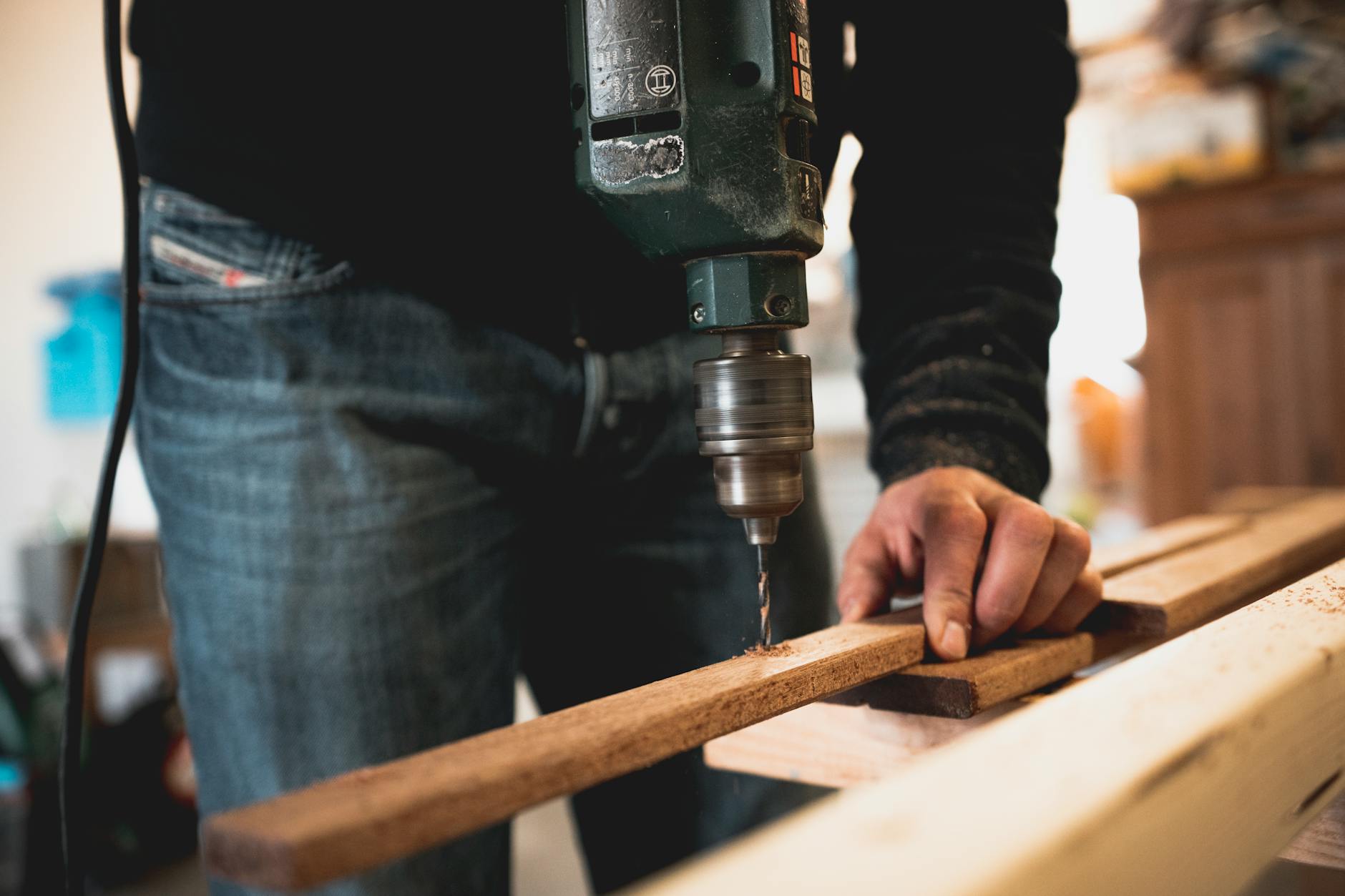
Make Smarter Choices With Evidence, Not Guesswork
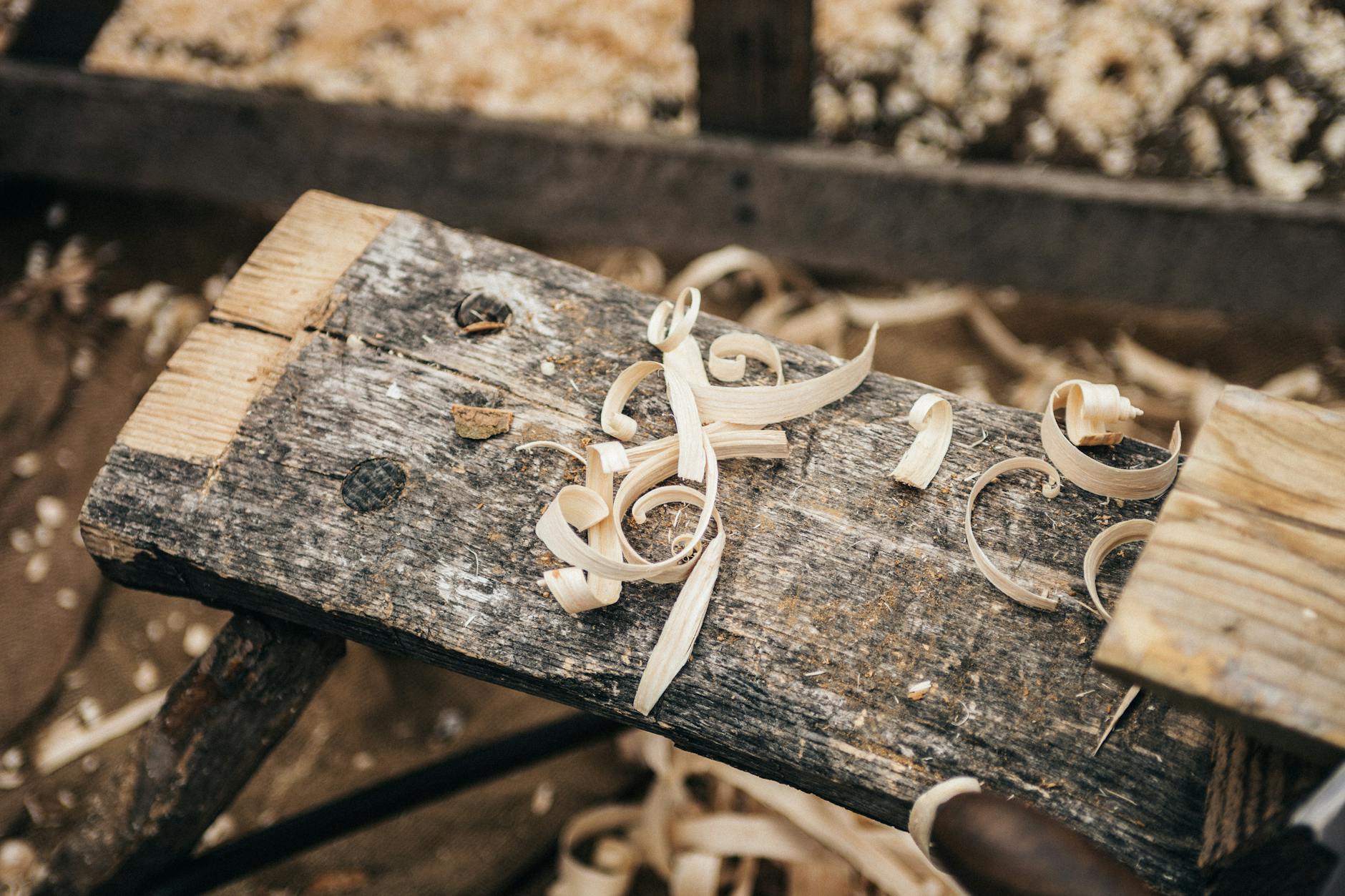
Know Your Species: Strength, Hardness, Movement
Side-by-side species profiles with hardness, density, shrinkage ratios, and working notes. Real shop effects—tear‑out risk, burn tendency, screw-holding. Plus acclimation guidance matched to your climate.
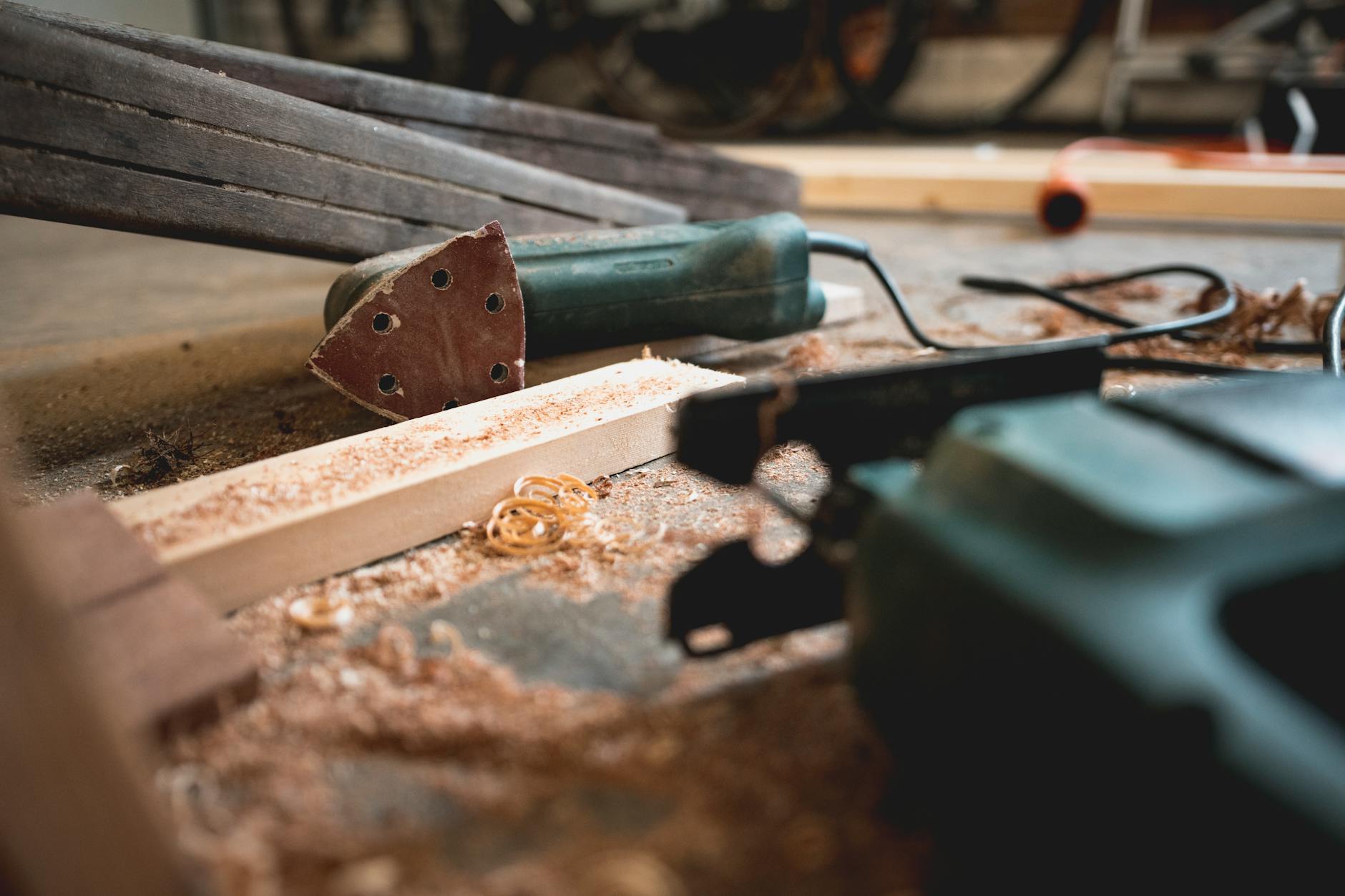
Finishes and Glues, Decoded
Cure-time and bond-strength checks across temperature and humidity. Film build, adhesion, and compatibility—tested. From shellac to 2K poly, from PVA to epoxy: what to use, when, and why.
Moisture Mastery = Fewer Failures
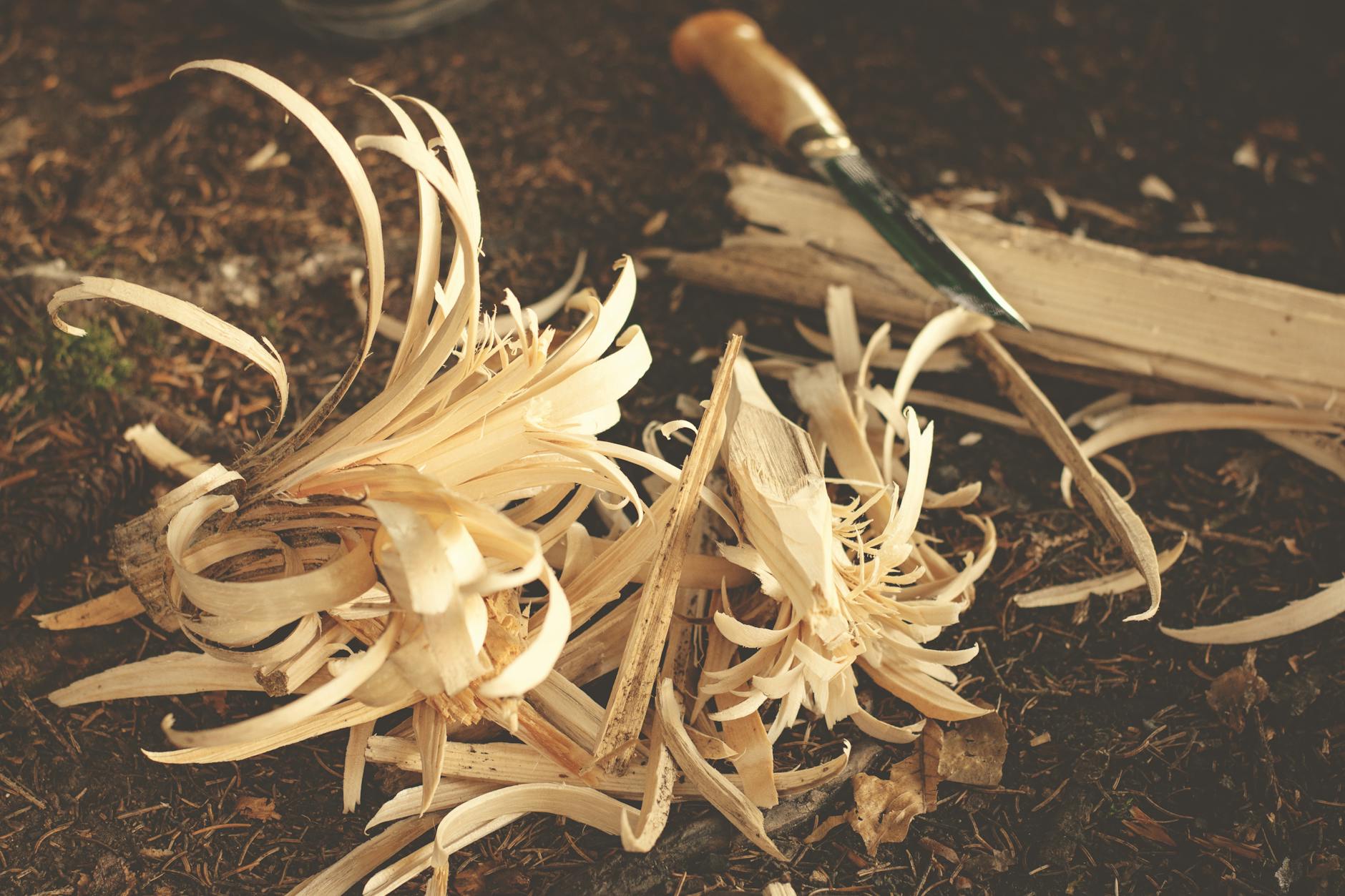
EMC you can use. Meter comparisons, kiln notes, and acclimation checklists. Stop cupping, gapping, and glue-line failure before they start.
Explore Our Latest Guides and Lab Notes
-
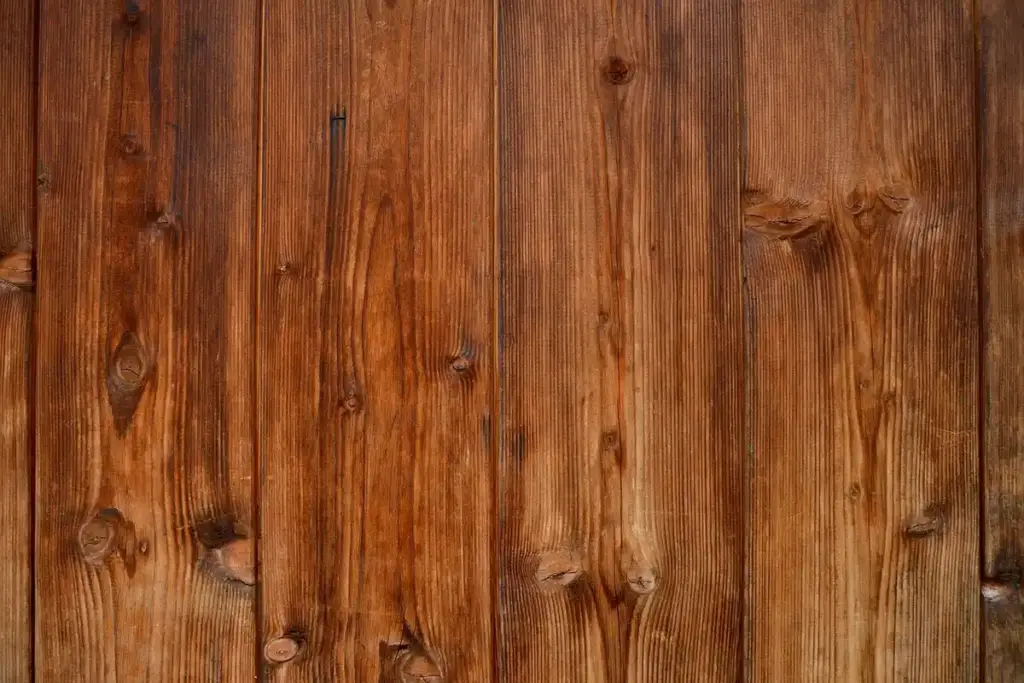
Should You Sand Stained Wood Before Polyurethane to Prevent Adhesion and Grain Raise?
Should you sand stained wood before polyurethane? Assess adhesion risk, grain raise, prep steps, grits,…
-
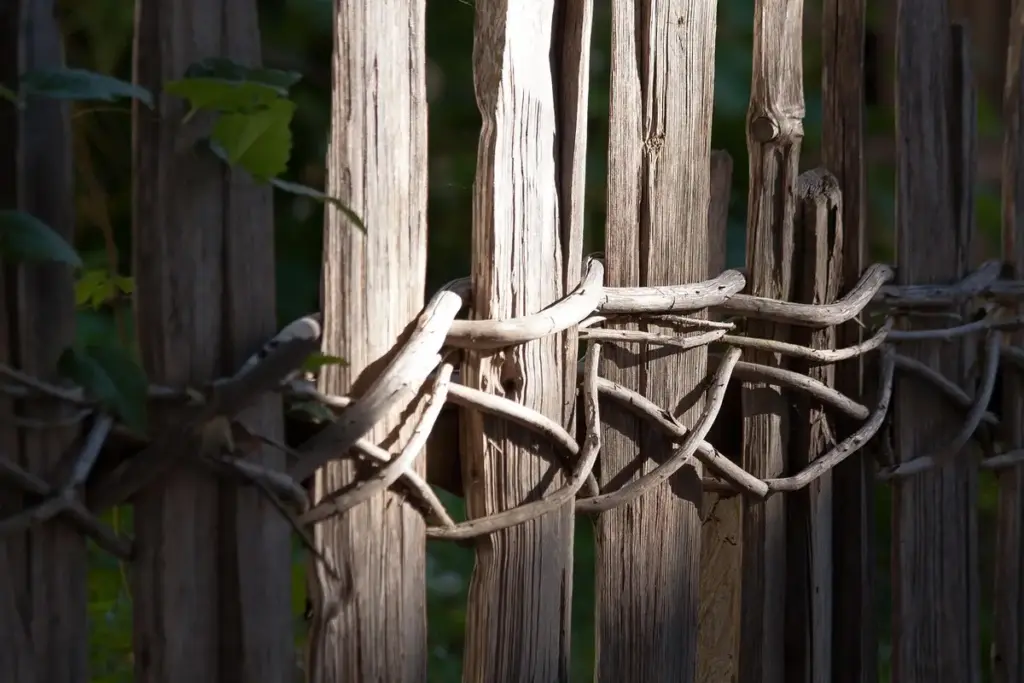
What Determines a Durable Fence Stain? Wood Density, Grain, and UV Explained
Best staining methods for wooden fences and how density, grain, and UV affect finish durability…
-

What Is the Correct Wood Cleaning Process Before Staining and How Should You Treat the Surface After?
How to clean wood before staining and post-stain surface treatment for a durable, even finish.
-
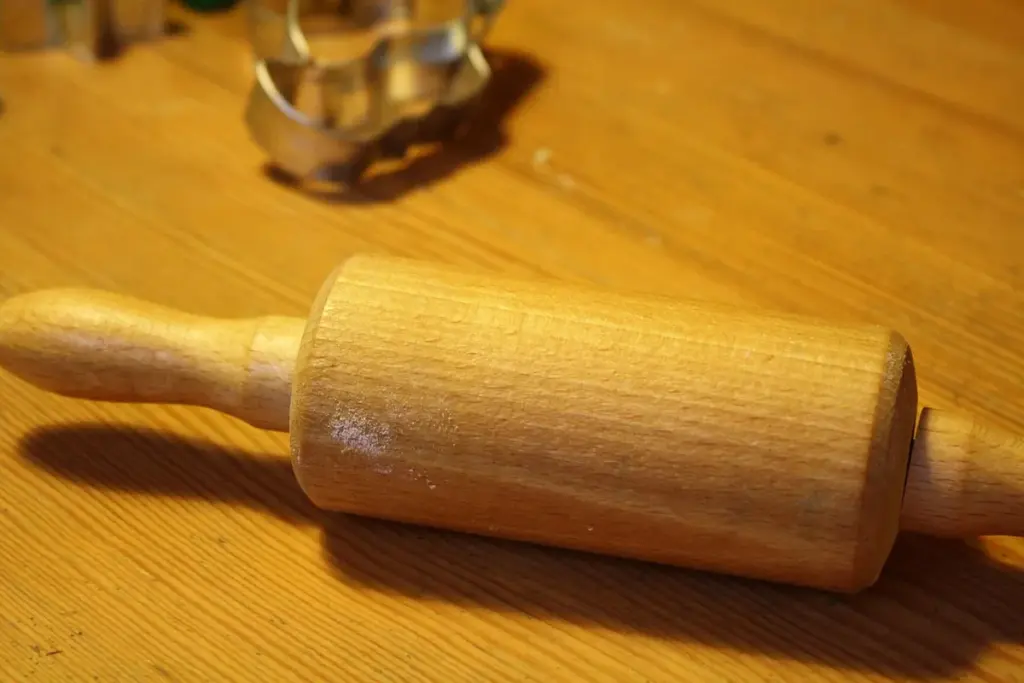
Can You Dishwash a Wooden Rolling Pin? The Wood Science Verdict
Can a wooden rolling pin go in the dishwasher? Wood damage, finish degradation, and hand-washing…
-

What Wood Species and Material Properties Make a Durable, Food-Safe Cutting Board?
Best wood species and key properties (hardness, porosity, moisture) for durable, food-safe cutting boards; finishes…
-

Can You Keep Purpleheart Purple and Actually Work With It?
Preserve Purpleheart color; cut, shape, sand, and finish it to cope with high Janka hardness…
New to Wood Work Science? Start Here.
Whether you’re building your first bench or your fiftieth cabinet, you’re in the right place. Start with our fundamentals—wood movement, grain selection, finishing systems, adhesive basics—then dive into troubleshooting shaped by reader questions. We update methods, run fresh tests, and revise conclusions as new data appears. Can’t find what you need? Tell us what to test next at woodworkscience.com/contact-us.
-
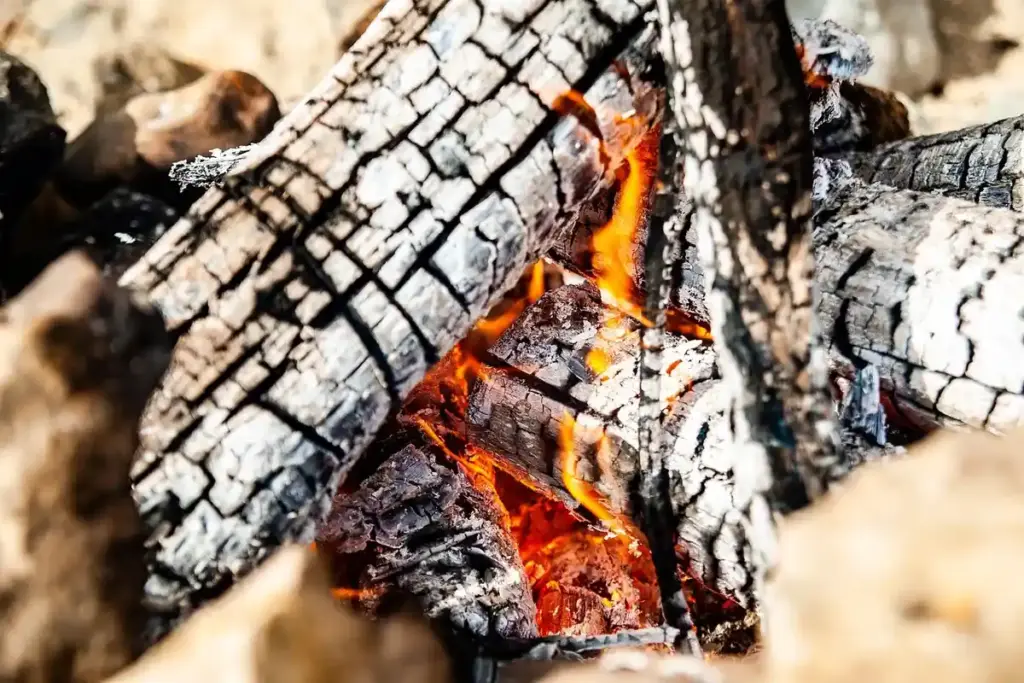
What’s in Wood Ash? A Woodworker’s Guide to Garden Fertilizer
Wood ash as fertilizer: chemical makeup, pH effects, horticultural uses, application tips, safety, and limitations.
-

Hard Maple vs. Soft Maple: Which Is Harder and How Do They Stain?
Hard vs Soft Maple: compare Janka ratings, staining differences, finish compatibility, workability, and usage tips.
-
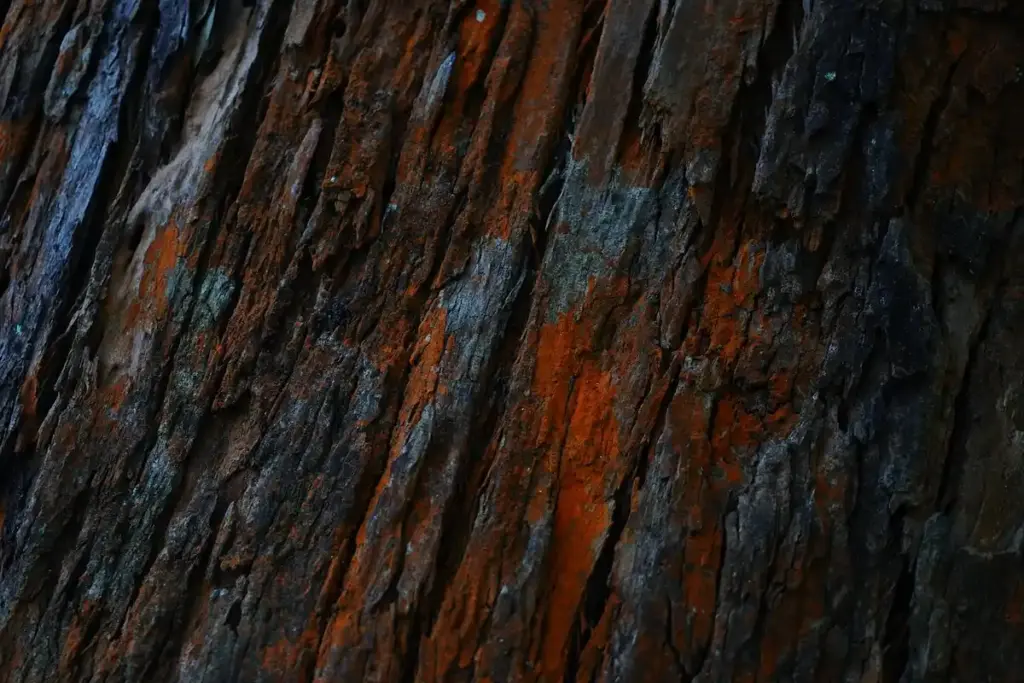
How Do Teak’s Janka Hardness, Density, and Finishing Chemistry Define Its Use in Boats and Outdoor Furniture?
Teak’s Janka hardness, density, and finishing chemistry: how these properties influence boatbuilding and outdoor furniture.
-

Why Is White Oak Rot-Resistant While Red Oak Is Not?
White Oak vs Red Oak: tyloses, rot resistance, anatomy, wood properties, workability, durability, and practical…
-
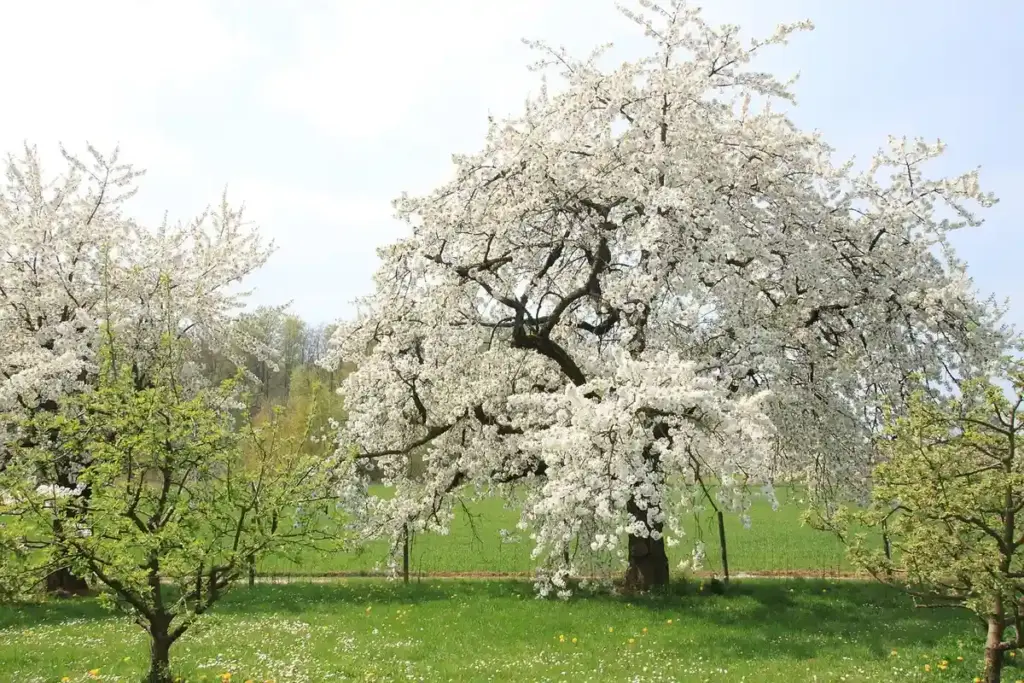
How Do You Finish Cherry Wood to Bring Out Its Best Color and Grain?
Prep, stain, dye, paint, and seal cherry wood to boost color and grain; blotch control,…
-
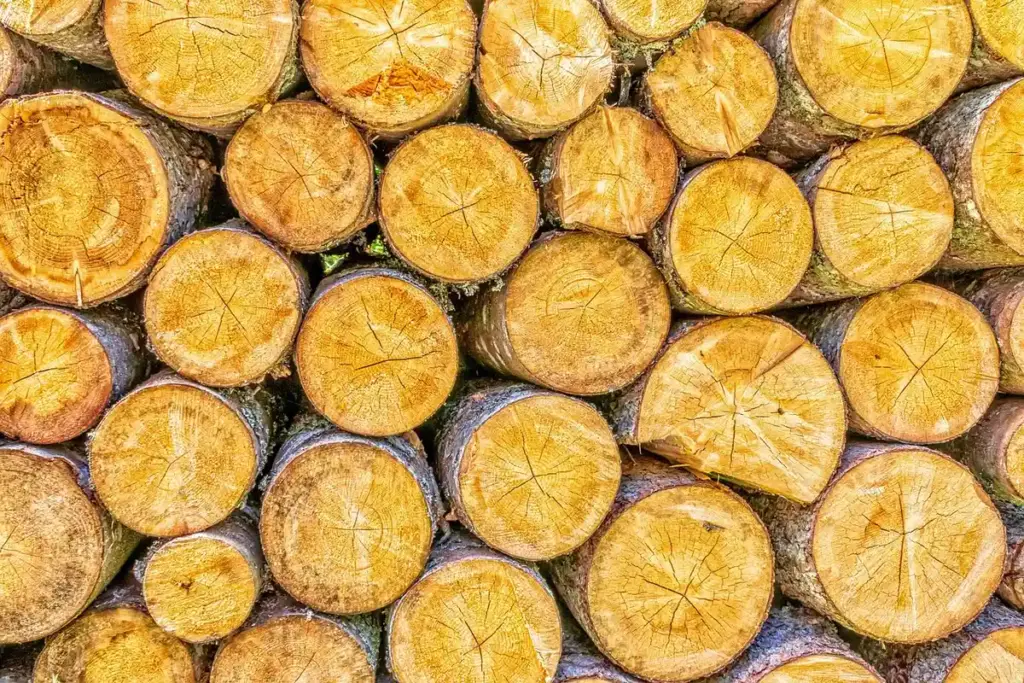
Which Woods and Wood Products Are Actually Toxic in Your Workshop?
Wood species and products with toxicity risks from dust, sap, or chemical treatments; exposure, PPE,…
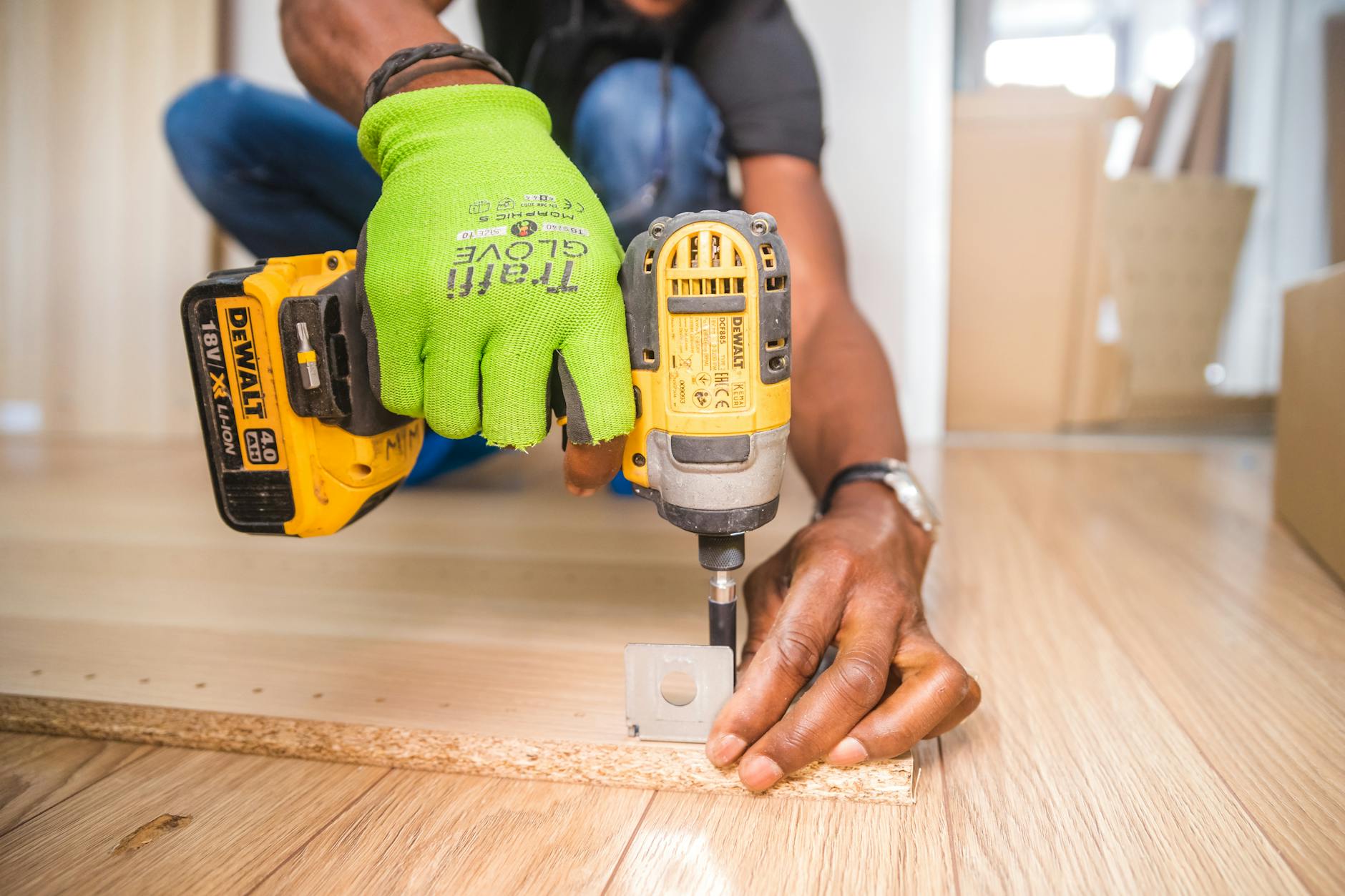
About Wood Work Science
We’re a small, obsessive team of wood technologists, furniture makers, and millworkers. Decades of combined shop time. Years of lab work. We’ve tuned kilns, logged moisture cycles, pushed joints to failure, and rebuilt them better. Our mission is simple: translate the science of wood into reliable, real‑world guidance you can trust—so your projects survive seasons, travel, and time.
How we earn your trust: we document methods, share numbers, and state limits. Products are selected for relevance—no pay‑for‑placement. When we use affiliate links, they never influence our results and they help fund more testing. Every article is peer‑reviewed by a second editor and checked for clarity and safety. We correct mistakes promptly and timestamp revisions. Questions, corrections, or collaboration ideas? Reach us at woodworkscience.com/contact-us.