Wood, Understood — From Forest to Finish
At Wood Work Science, we turn complex wood behavior into clear, practical decisions. We test, measure, and explain—so your joinery fits, your finishes cure right, and your projects last. Have a tricky wood problem? Ask us anytime.
Make Smarter Choices With Evidence, Not Guesswork
Know Your Species: Strength, Hardness, Movement
Side-by-side species profiles with hardness, density, shrinkage ratios, and working notes. Real shop effects—tear‑out risk, burn tendency, screw-holding. Plus acclimation guidance matched to your climate.
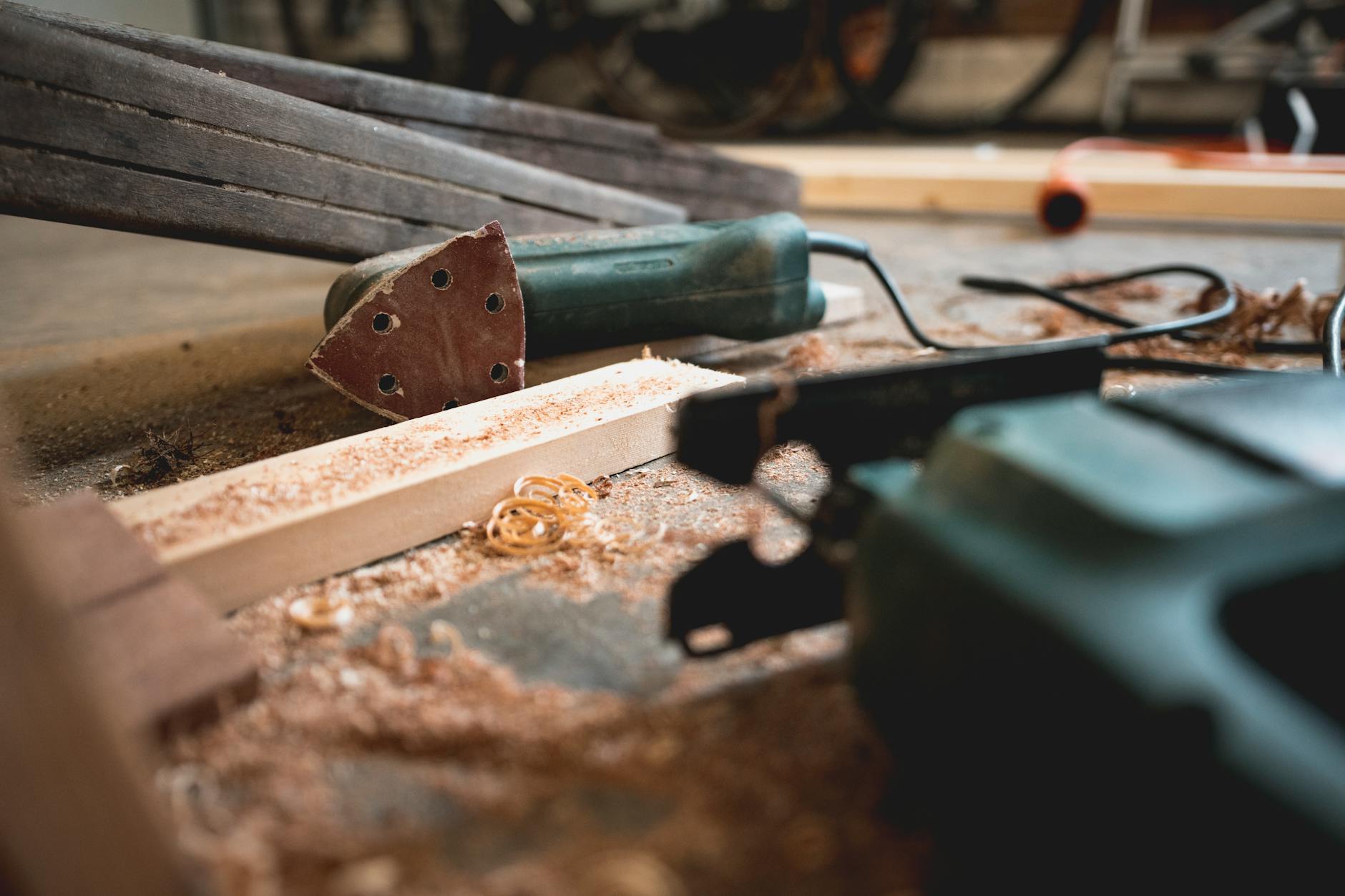
Finishes and Glues, Decoded
Cure-time and bond-strength checks across temperature and humidity. Film build, adhesion, and compatibility—tested. From shellac to 2K poly, from PVA to epoxy: what to use, when, and why.
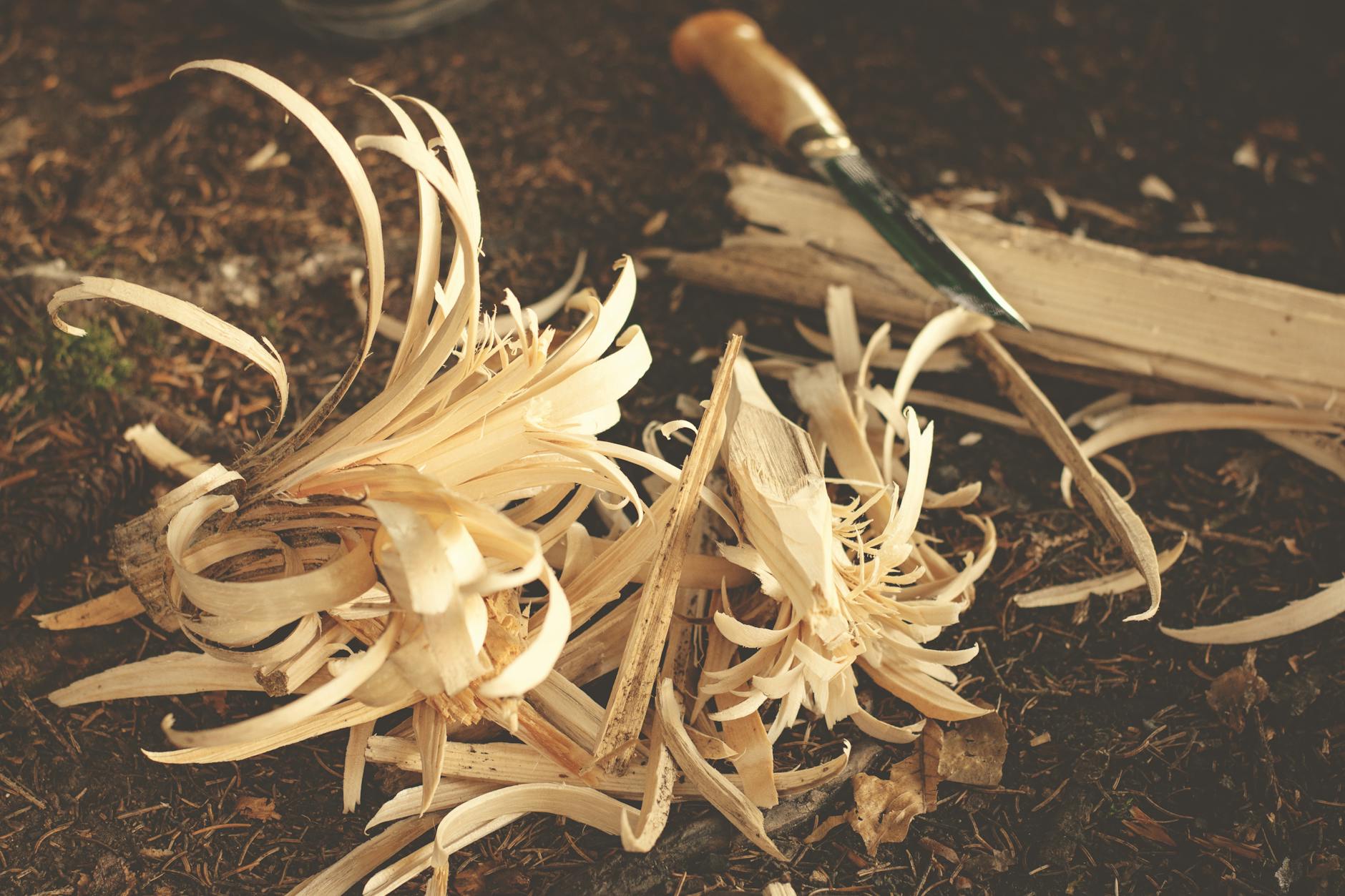
Moisture Mastery = Fewer Failures
EMC you can use. Meter comparisons, kiln notes, and acclimation checklists. Stop cupping, gapping, and glue-line failure before they start.
Explore Our Latest Guides and Lab Notes
-
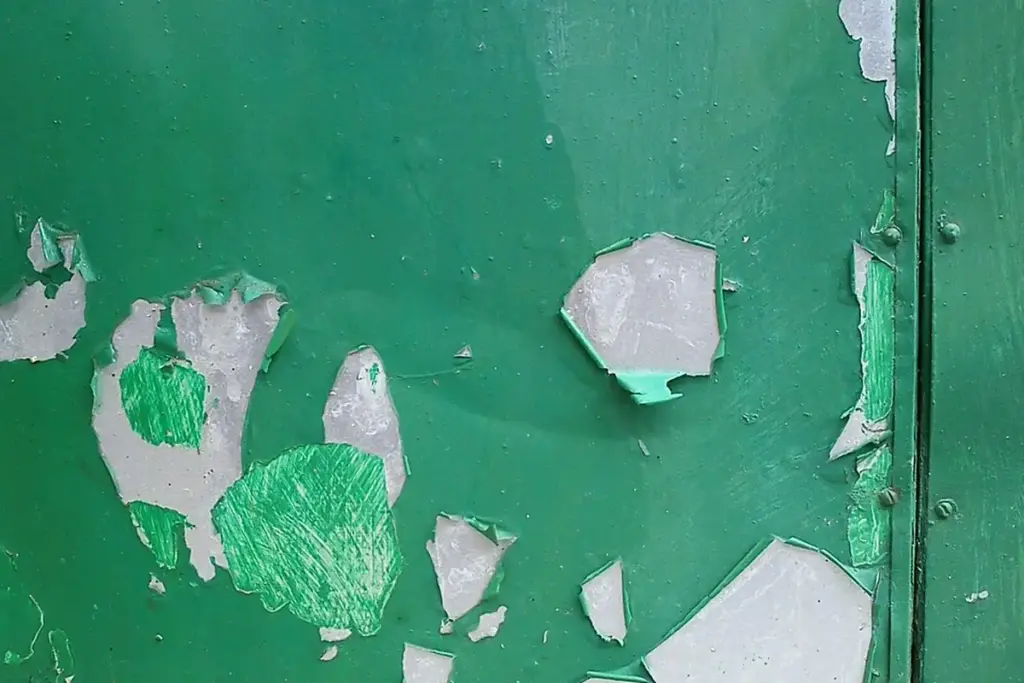
How Do You Properly Clean and Prepare Treated Wood for Finishing?
How to prep and clean treated wood before finishing: cleaners, sanding, moisture, safety, surface tests…
-
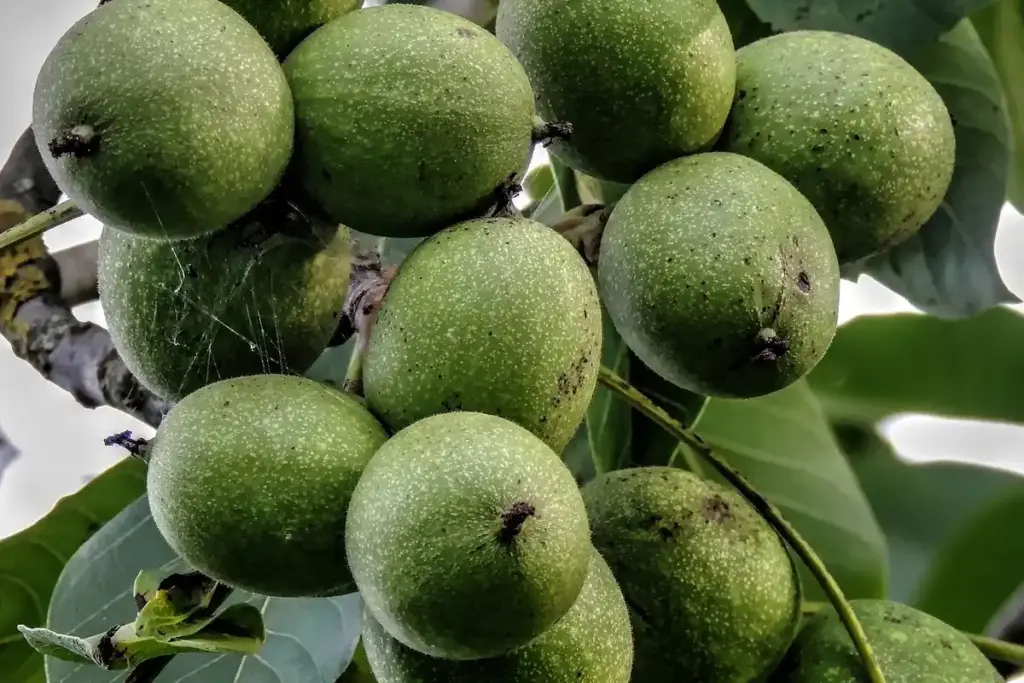
Pure vs. Polymerized Walnut Oil: Which Wins in Drying Time & Durability?
Pure vs polymerized walnut oil for wood finishing: differences, drying times, durability, and practical tips.
-
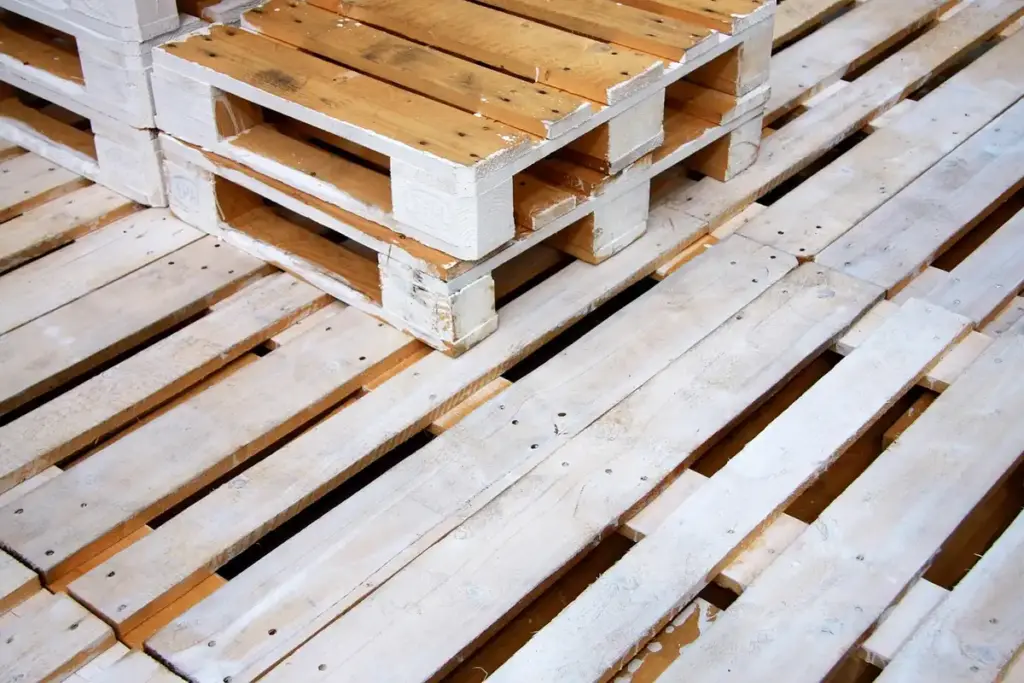
How Do You Cut and Glue Wooden Dowels for Perfect, Strong Joints?
Choose materials and pin sizes, cut pins, drill holes, align, glue, clamp, finish for traditional…
-

How Do You Apply Gel Stain for a Uniform Finish Without Streaks or Blotching on Different Wood Species?
Gel stain applied evenly on wood species: prep, conditioner, brush/wipe, drying, topcoat to avoid streaks…
-

What Controls How Wood Soaks Up Stain? A Wood Science Answer
How wood anatomy affects stain absorption and compatibility across staining methods: porosity, grain, moisture, species,…
-
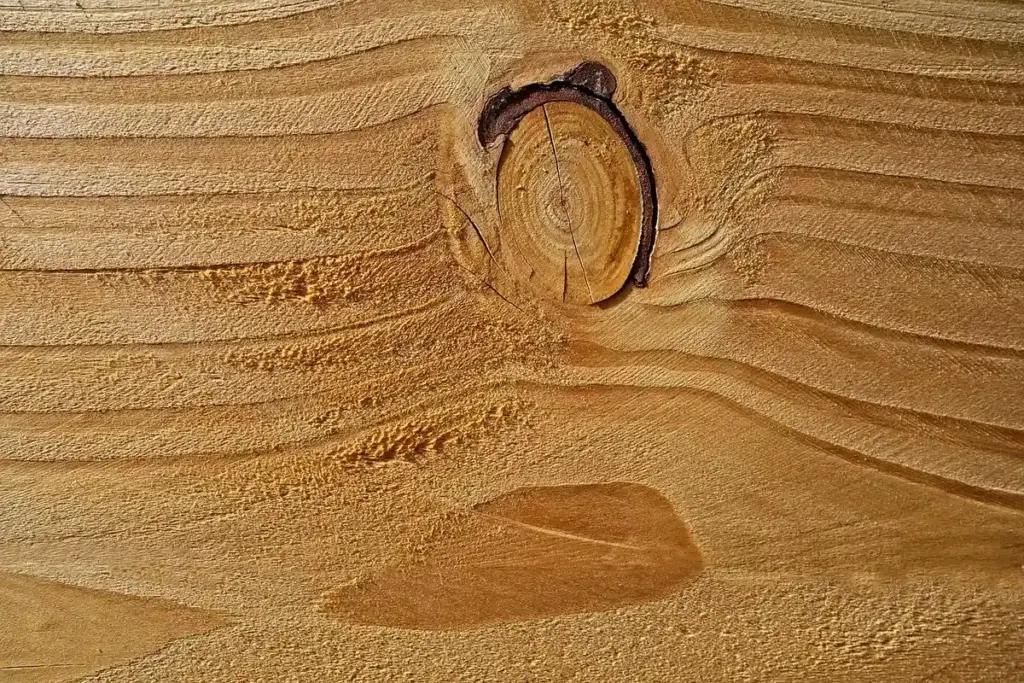
Can You Stain Pine to Look Like Oak? A Wood Anatomy and Chemistry Guide
Stain pine to mimic oak grain for rustic finishes, cover wood anatomy, stain chemistry, guide,…
New to Wood Work Science? Start Here.
Whether you’re building your first bench or your fiftieth cabinet, you’re in the right place. Start with our fundamentals—wood movement, grain selection, finishing systems, adhesive basics—then dive into troubleshooting shaped by reader questions. We update methods, run fresh tests, and revise conclusions as new data appears. Can’t find what you need? Tell us what to test next at woodworkscience.com/contact-us.
-
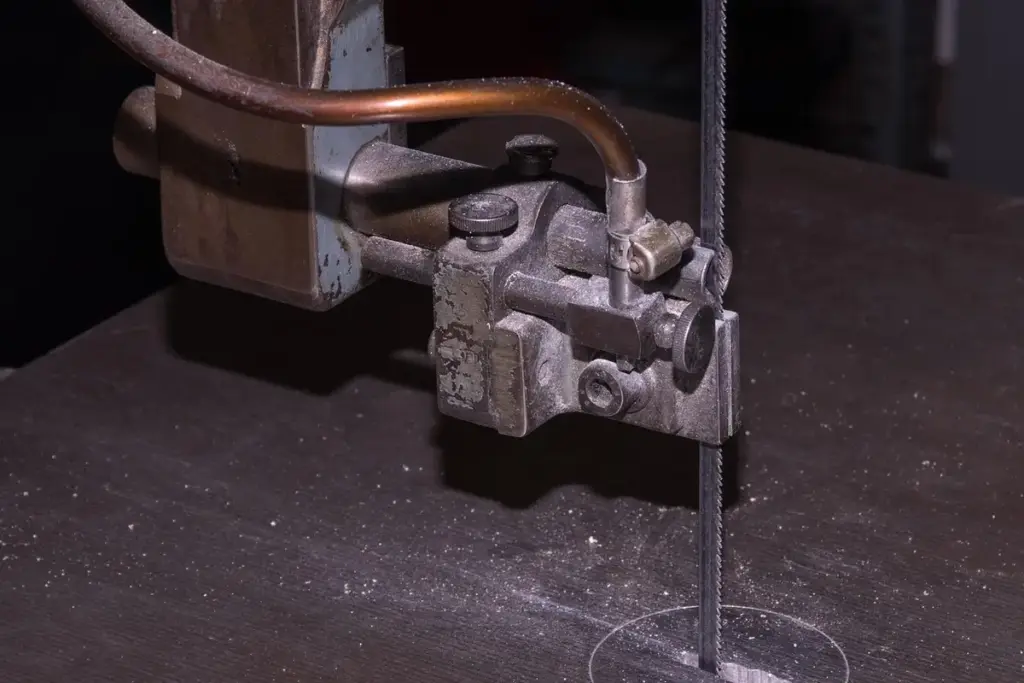
How Do You Cut Wood Cleanly for Flawless Joinery?
Methods to cut wood with minimal tear-out and precise joinery: blade choice, grain direction, feed…
-

MDF vs. Particle Board: What Do Resin Chemistry and Moisture Physics Mean for Your Project?
MDF vs. Particle Board:resin chemistry, moisture failure physics, selection tips, testing, durability, and wood-material options.
-
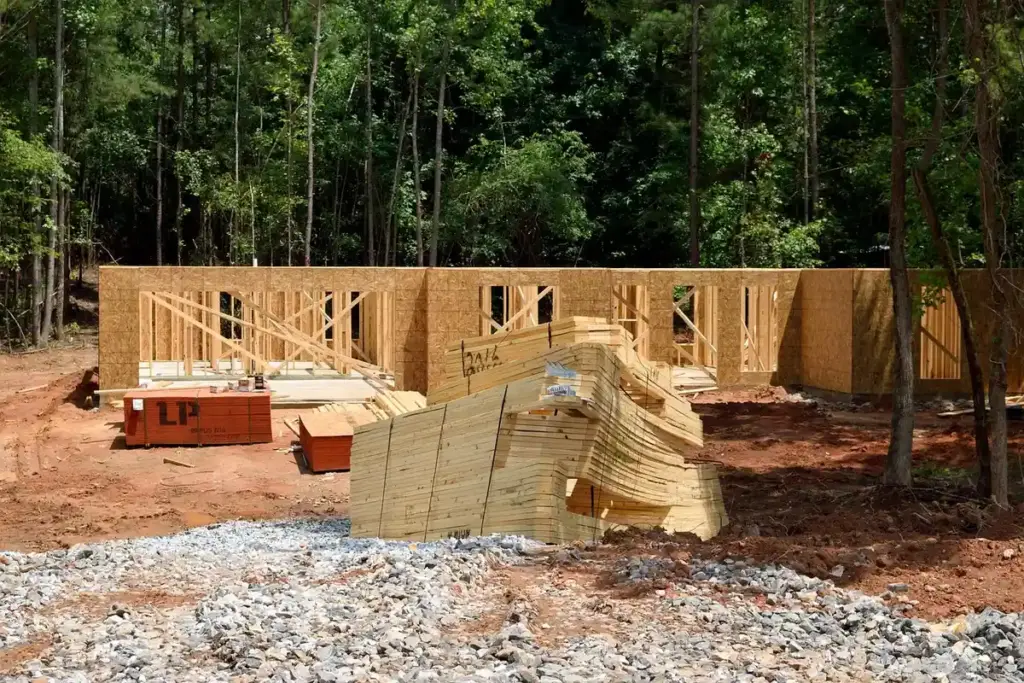
What Makes Baltic Birch Plywood So Strong and Void-Free?
Baltic Birch plywood: void-free core, high structural strength, stability, machining quality, fastener behavior, for woodworking.
-
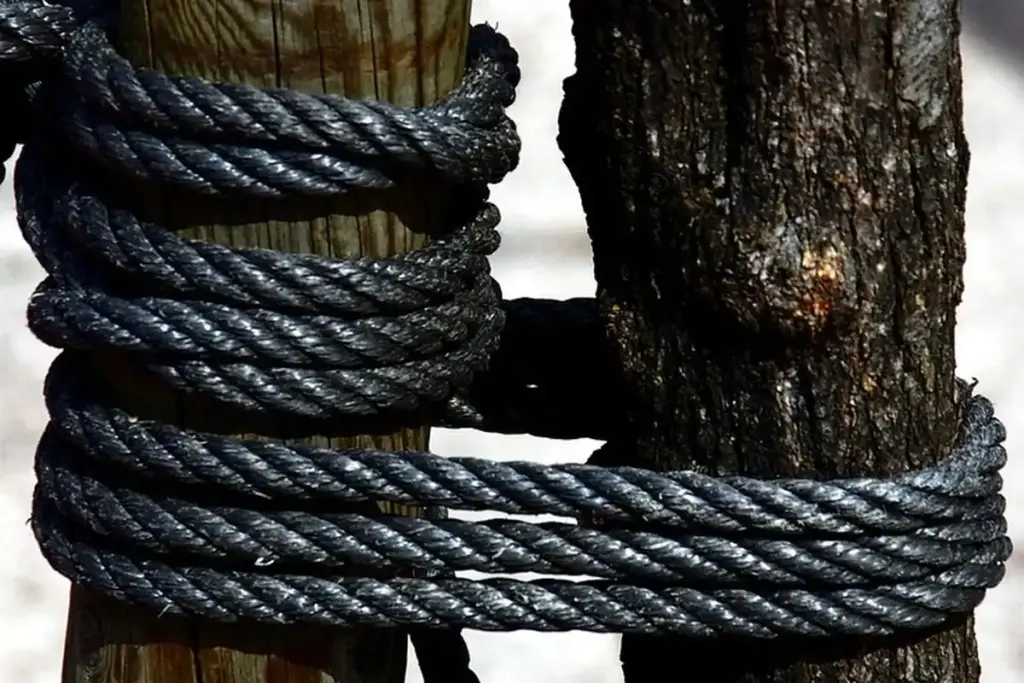
How Does Pine Wood Burn? A Woodworker’s Guide to Ignition, Heat, and Char
Pine wood combustion: ignition temperature, heat release, and char formation for wood science and materials…
-
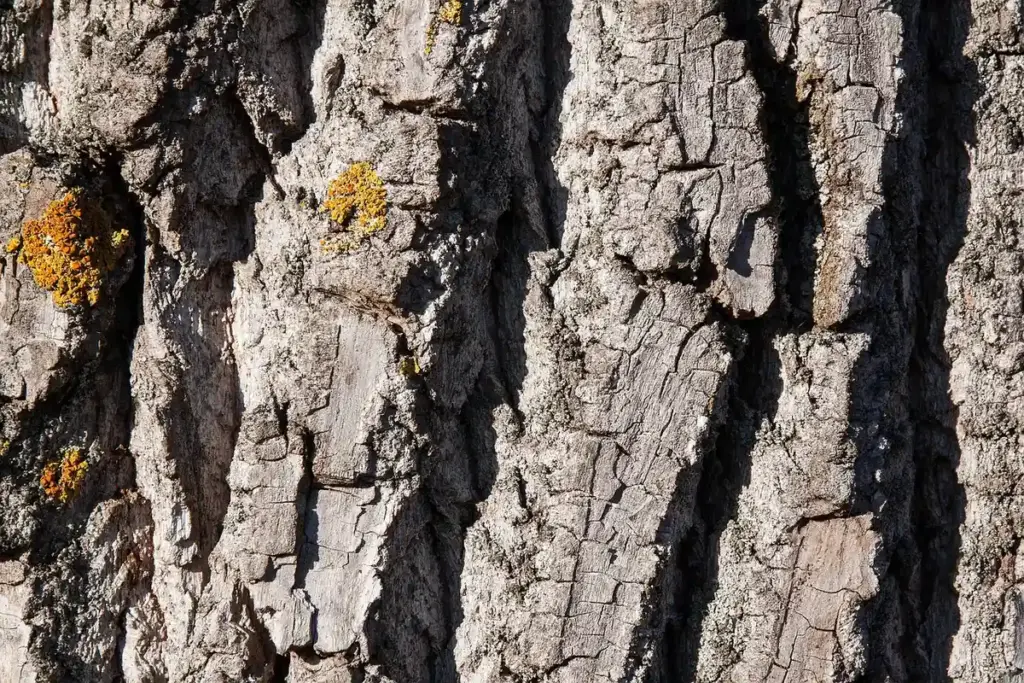
What Really Determines How Poplar Wood Takes Paint? Density, Absorption, and Streaks Explained
Poplar wood profile: density, paint absorption, mineral streaks; guide for woodworkers and wood science questions…
-
How Do You Remove Dried Glue from Wood Without Damaging the Surface?
Remove dried glue and adhesive from wood surfaces and flooring: safe methods, solvents, heat, scraping,…
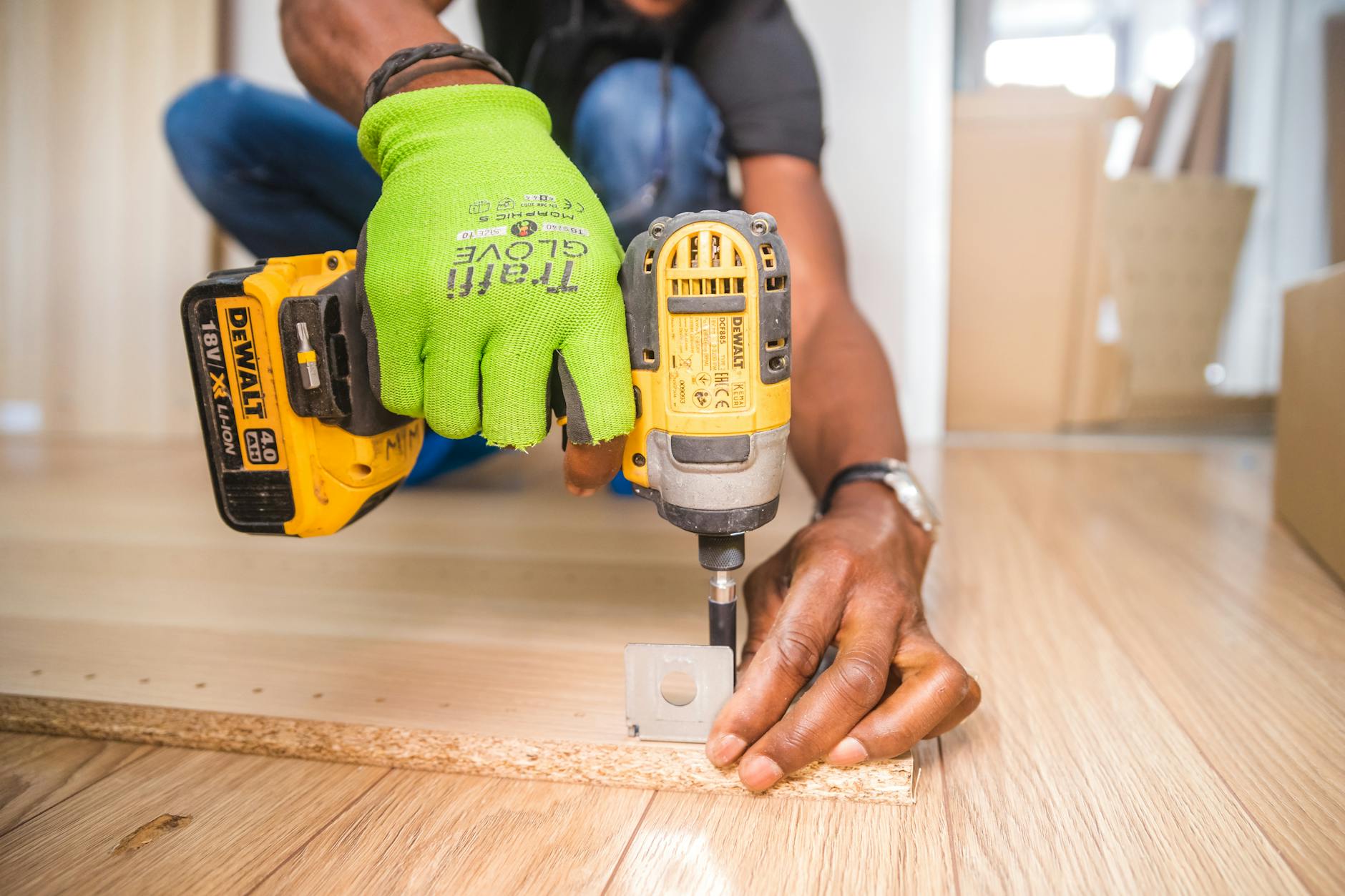
About Wood Work Science
We’re a small, obsessive team of wood technologists, furniture makers, and millworkers. Decades of combined shop time. Years of lab work. We’ve tuned kilns, logged moisture cycles, pushed joints to failure, and rebuilt them better. Our mission is simple: translate the science of wood into reliable, real‑world guidance you can trust—so your projects survive seasons, travel, and time.
How we earn your trust: we document methods, share numbers, and state limits. Products are selected for relevance—no pay‑for‑placement. When we use affiliate links, they never influence our results and they help fund more testing. Every article is peer‑reviewed by a second editor and checked for clarity and safety. We correct mistakes promptly and timestamp revisions. Questions, corrections, or collaboration ideas? Reach us at woodworkscience.com/contact-us.