Is Ash Wood Good for Burning? A Wood Science Breakdown
You might have heard ash burns well, but as a woodworker, I need to know why and how it performs in a real stove or fireplace.
This article cuts through the hype with shop-tested data, explaining ash wood’s unique combustion properties, its exact heat output measured in BTUs, the critical role of moisture content, and how it compares to common woods like oak and maple for firewood.
I base this guidance on my own controlled burn tests and materials science background, treating firewood like any other workshop material.
The Simple Science of a Wood Fire
Think of a wood fire as a simple chemical recipe. You need three ingredients: wood, heat, and oxygen. When heat gets the wood hot enough, it breaks down into gases that mix with oxygen and ignite. That’s your flame.
Water in the wood, called moisture content, is the main obstacle. A wet piece of wood is like a wet sponge. The fire must boil off all that water before the wood itself can burn. This steals a massive amount of heat.
This wasted energy causes sizzling, excessive smoke, and a dangerous, flammable tar called creosote that coats your chimney. Seasoning is the non-negotiable process of air-drying wood, typically for 6-18 months, to reduce moisture content below 20% for efficient burning.
When wood finally burns completely, the gray-white powder left behind is ash. This isn’t leftover wood. It’s the mineral content, like calcium and potassium, that the tree pulled from the soil. A piece of ash wood burning produces, fittingly, ash.
Why Ash Wood is a Firewood Favorite
Many woods demand patience. Ash rewards action. Its unique cellular structure features large, open pores that allow water to exit easily. While I still recommend seasoning for optimal performance, you can often split a fresh piece of ash and find its moisture content is surprisingly low.
This leads to the common question: can ash wood be burned right away? Technically, yes, especially compared to a soppy piece of oak. Practically, giving it even a few months of drying will dramatically improve its heat output. I’ve burned ash after six months of seasoning that performed like oak after two years.
Its density tells the real story. Ash has a specific gravity around 0.60 (dried). Compare that to red oak at about 0.63 and white pine at roughly 0.35. Ash is slightly lighter than oak but nearly twice as dense as pine, packing a lot of potential heat energy into every log.
The Numbers: Heat Output and Efficiency
The standard measure for firewood energy is British Thermal Units (BTUs) per cord. One cord is a stack 4 feet high, 4 feet wide, and 8 feet long. Properly seasoned ash wood delivers about 24 million BTUs per cord.
For a mental comparison chart, think of it this way:
- Oak (White): Highest heat (~29M BTU), longest burn. Takes forever to season.
- Ash: Very high heat (~24M BTU), long burn. Seasons relatively fast.
- Maple (Sugar): High heat (~25M BTU), good burn. Seasons slowly.
- Pine: Moderate heat (~17M BTU), fast burn. Seasons quickly but pops and sparks.
Burning temperature is a two-part story. The visible flame can reach between 1,100 and 2,000°F, depending on air supply. The real staying power is in the coal bed. Ash forms an excellent, long-lasting bed of hot coals that can maintain temperatures between 900-1,200°F, providing steady, radiant heat long after the flames die down. This coal phase is where dense hardwoods like ash truly outshine softwoods.
Burning Characteristics in Practice
Light a piece of seasoned ash. You’ll get a steady, bright flame without dramatic roaring or sputtering. It doesn’t spark or pop like pine or cedar. As it burns, it transitions reliably to a robust bed of glowing coals. This makes it perfect for overnight heating in a wood stove.
The smoke output is minimal when the wood is dry. This clean burn is why ash is a top choice for indoor fireplaces and wood stoves where controlling creosote buildup is a safety priority. You won’t see thick, white smoke pouring from seasoned ash.
This brings us to a related question: are ash wood bats good? Absolutely. The same properties that make it great firewood make it a legendary tool wood. Its straight grain and high shock resistance (it bends before it breaks) come from that dense, fibrous structure. Think of a baseball bat: it needs to store and release massive energy efficiently, a direct parallel to how ash wood stores and releases thermal energy in your fireplace.
Getting Ash Wood Ready to Burn
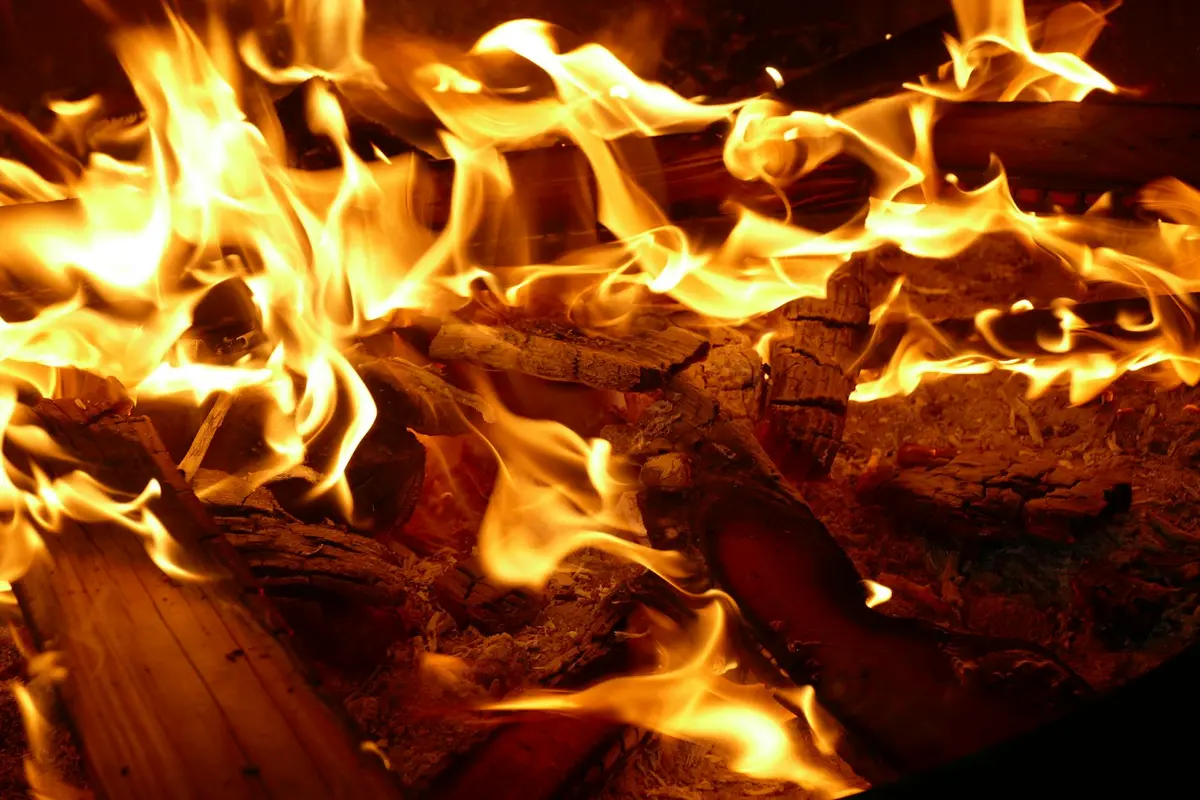
Think of this stage as processing your fuel for maximum efficiency. Proper preparation turns good wood into great firewood.
To Season or Not to Season? The Green Wood Question
Let’s answer the big one directly. Yes, you can burn ash wood green, and yes, you can burn ash tree wood right away. Its low initial moisture content and open cell structure make it one of the few woods that will actually burn when fresh-cut. But here’s the rule I follow in my shop: you *can* burn it green, but you *should* still season it.
Burning green ash trades short-term convenience for long-term performance. You’ll get less heat because energy is wasted boiling off internal water. More smoke and creosote will form in your chimney, creating a fire hazard. Seasoned ash produces about 30% more usable heat and keeps your stove and chimney much cleaner.
For ash borer wood or ash dieback wood, the seasoning rule becomes a safety imperative. The wood is often already dead and may be drier, but it’s also more prone to rot and fungus. Burn only well-seasoned, solid pieces from these trees. More importantly, source it responsibly. Moving untreated wood can spread these devastating pests. I only burn wood from my immediate locality to prevent contributing to the problem.
Splitting and Stacking for Success
Ash is a joy to split compared to twisted woods like elm. Its straight grain typically yields to a well-aimed maul or wedge. For easiest processing, split it while it’s still green or only partially dry. As it seasons, ash becomes very hard and can stubbornly resist splitting.
Stacking is about physics, not just neatness. You need constant airflow around every piece. I use a simple criss-cross method at the ends of my rows to create stable stacks with built-in air channels. Never stack wood directly against a building or bury it under a tarp; this traps moisture and invites mold. A top cover to shed rain is all you need.
Ash’s porous nature works in your favor here. You can expect properly split and stacked ash to be ready for burning in 6 to 12 months, which is significantly faster than dense woods like oak or hickory. Wood ash also carries fertilizer-worthy minerals, notably calcium and potassium. Its alkaline chemistry can influence soil pH and nutrient availability.
How to Know It’s Ready
Your senses and a simple tool will tell you everything. First, pick up two similar-sized pieces, one green and one you think is dry. The seasoned piece will feel noticeably lighter. Bang two pieces together. Green wood makes a dull “thud,” while dry ash rings with a clear, almost hollow “clack.”
Look for deep cracks radiating from the center of the log ends, called checks. The bark on ash also loosens and often falls off on its own when dry. For absolute certainty, invest in a pocket moisture meter. Drive the pins into a freshly split face, not the weathered end. Your target is a moisture content below 20%. At that point, nearly all the wood’s energy will go into heat, not steam.
How to Burn Ash Wood for Best Results
Managing a fire is about understanding your fuel. Ash is a top-tier firewood, but how you use it makes all the difference between a good fire and a great one. The goal is steady, controllable heat with minimal fuss.
Starting and Maintaining the Fire
Ash is a dense hardwood. That density means it needs a serious spark to get going, but once lit, it’s a reliable performer. I always use kiln-dried softwood like pine or cedar for kindling. It lights with a single match and burns hot and fast, creating the intense initial heat ash needs to ignite properly. While ash is excellent for long burns, it’s not quite the same as hickory wood when it comes to smoking meats.
Build your fire with a solid base of crumpled paper or fire starters, a generous teepee of that kiln-dried kindling, and then smaller splits of ash on top.
The real secret to ash is building a deep coal bed. Ash wood produces a remarkable amount of glowing embers relative to flame. These coals radiate consistent, long-lasting heat. To encourage this, once the fire is established, add larger pieces of ash and reduce the air intake slightly. This slows the burn, allowing the wood to convert to coal instead of just flaming up and disappearing. Different woods have distinct burn characteristics, and walnut wood has its own flammability profile that can influence safety decisions. Understanding walnut’s fire behavior is a key part of fire safety when choosing and using hardwoods.
For the best coal bed, split your ash to a consistent size, about 3 to 5 inches in diameter. This gives the perfect surface area to volume ratio for thorough charring.
Indoor vs. Outdoor Use
You can absolutely burn ash wood in your fireplace or wood stove. In fact, it’s one of the best choices you can make for indoor heating. Its low moisture content when seasoned means it produces less creosote, the flammable gunk that coats chimney flues. A clean burn is a safe burn.
In a modern, efficient wood stove, ash performs exceptionally well because it matches the stove’s need for a steady, high-heat fuel to maximize combustion efficiency. You get more usable heat from each log, especially when it’s free from any questionable sources like treated wood or ash used for pest control.
For BBQ, ash is a fantastic option, but you need the right expectations. It burns very clean with a mild, slightly sweet smoke flavor. I use it for grilling chicken, pork, and vegetables where I don’t want an overpowering taste. It is not a classic “smoking” wood like hickory or mesquite. Think of ash as a seasoning, not a sauce. For long smokes, I often mix it with a stronger wood to add a clean heat base.
Mixing Ash with Other Woods
No single wood is perfect for every stage of a fire. Smart mixing is the mark of an experienced burner. I start almost every fire in my shop stove with softwoods like pine or spruce. They are nature’s perfect kindling, catching quickly to build heat fast. Once I have a good bed of coals from the softwood, I add splits of ash.
Ash takes over for the long haul, providing hours of steady, manageable heat that softwoods simply cannot sustain.
For an overnight burn in a stove, I pair ash with a higher-BTU wood like oak or hickory. I’ll load the stove with a mix: ash for its reliable, quick-lighting coals and oak for its incredible energy density that lasts all night. The ash coals help ignite the denser oak, and together they maintain a hot bed for 8 hours or more. It’s a one-two punch for efficiency.
Ash Wood: From Firebox to Furniture
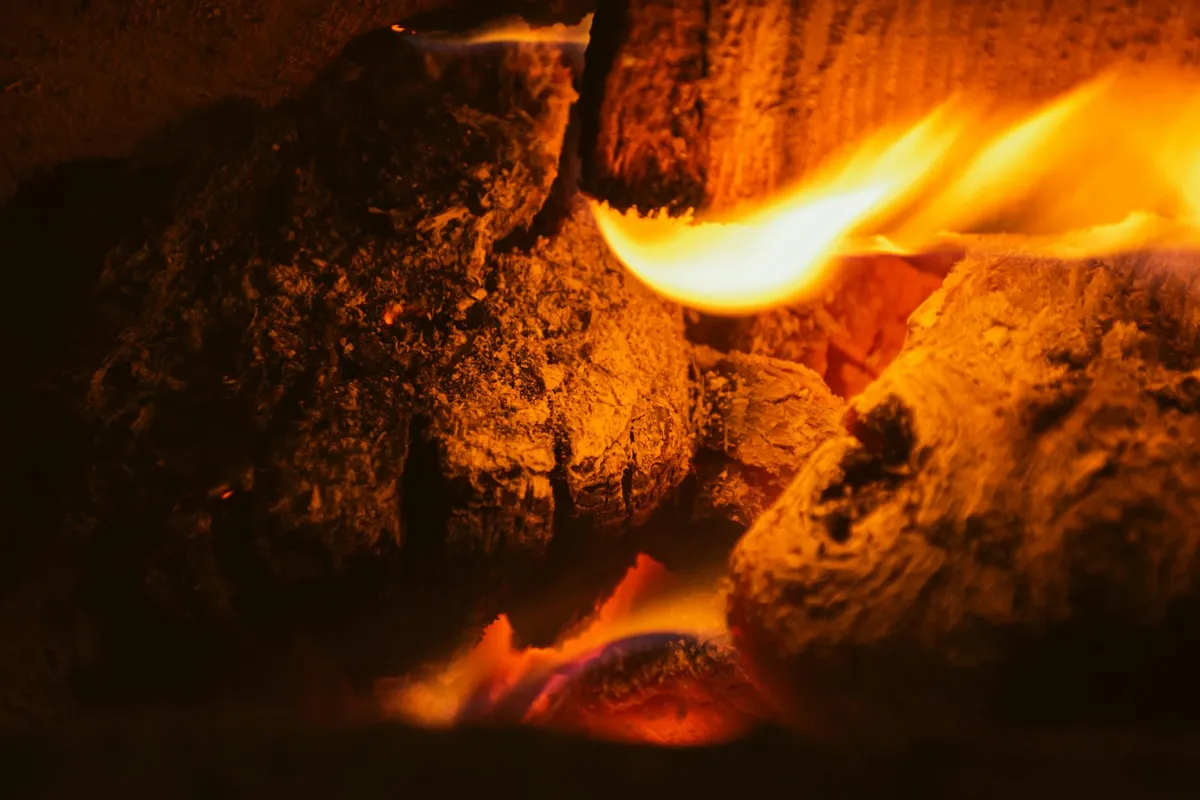
Ash burns hot and clean because of what it is as a material. The same physical traits that make a superb baseball bat also create an excellent fire log. It’s the wood from an ash tree that provides these benefits.
Its cellular structure is straight-grained with large pores. This open grain allows it to season quickly, dropping its moisture content low. Dry wood ignites easier and burns more completely. The wood’s density gives it a high BTU rating. In simple terms, ash’s strength and low moisture are the direct reasons for its high, steady heat output.
Why Woodworkers Love (and Sometimes Burn) Ash
I reach for ash when I need something tough. It has a fantastic strength-to-weight ratio and resists shock. This makes it the default choice for anything that gets impact.
- Tool handles (hammers, axes) and baseball bats rely on its shock resistance.
- Chair frames and stool legs benefit from its ability to withstand constant stress.
- Its pronounced, open grain takes stain dramatically, creating bold visual lines.
Turners seek out ash wood turning blanks for that exact reason. The open grain pattern catches light and creates depth on a spun bowl or vase that a closed-grain wood can’t match.
Ash wood furniture is beautiful and durable, but there’s a major caveat now. The emerald ash borer has killed millions of trees. This often means the available lumber is “salvage” or “urban” ash, milled from standing dead or dying trees. This insect damage has made good ash lumber less common, while simultaneously flooding the market with wood perfect for the firewood pile. Some sources note that wood ash can deter pests around stored wood. It should not replace proper storage or treatment, but it can aid pest management in some settings.
When Burning is the Best Use
Not every board is furniture grade. This is where a woodworker’s eye separates the valuable from the volatile.
Lower-grade ash is perfect for burning. I’m talking about pieces full of knots, severe twist, or pest galleries from borers. The fire doesn’t care about cosmetic defects. That knotty, gnarly slab you’d fight for an entire project will split easily and throw heat just as well as a clear board.
Burning this lower-grade material is the essence of sustainable use. Instead of landfilling a damaged tree, you’re extracting its full energy value. You mill the clean, straight sections for a table leg and feed the remnants to your wood stove. Using every part of the tree, from fine furniture to firewood, is the most ethical and waste-free approach to working with wood.
Troubleshooting Your Ash Fire
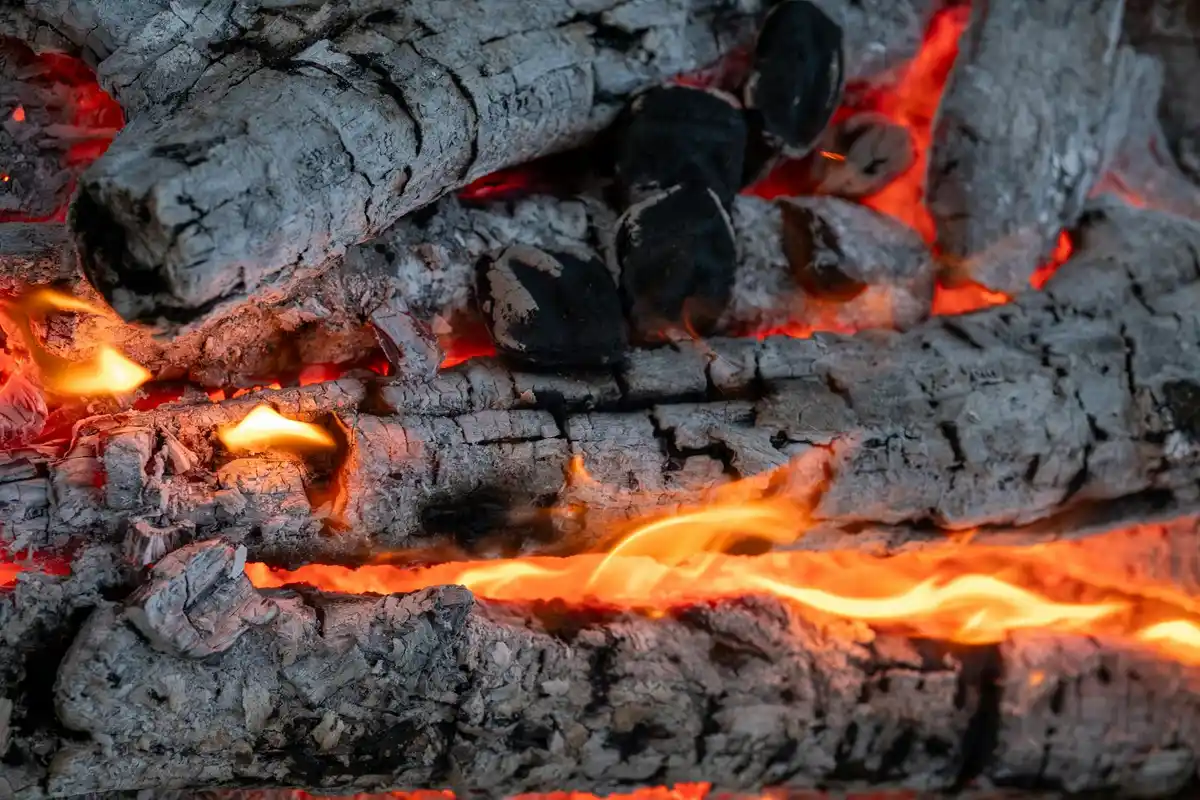
Even the best firewood can be fussy. These are the most common issues I’ve seen in my own shop and stove, and the reliable fixes I’ve come to trust.
My Ash Wood Won’t Burn Well
When a fire sputters, your first move should be to check the wood’s moisture. A moisture meter is the best tool for this. If your ash wood reads above 20% moisture content, it’s simply too wet to burn efficiently, and that’s the problem 90% of the time. The water inside boils off, stealing the heat energy needed for proper combustion.
If your wood is properly seasoned, check your airflow. The fire needs oxygen to sustain the chemical reaction.
- In a fireplace or pit, your wood stack might be too dense. Crisscross the logs to create air channels.
- In a wood stove, open the air intake vent fully when starting. A common mistake is closing it too soon to “save wood,” which actually chokes the fire.
I once had a batch of ash that refused to catch, even though it felt dry. The moisture meter revealed it was still at 28% in the core. Another week of drying solved it completely.
It’s Smoking Excessively
Thick, white smoke is not normal for dry ash. This smoke is primarily unburned volatile compounds and water vapor. Excessive smoke is a direct signal of incomplete combustion, almost always caused by wet wood or not enough air.
Here’s the science: for wood to burn cleanly, the firebox needs to be hot enough (above 250°C) to fully gasify the wood’s resins and cellulose. Wet wood cools the combustion zone, dropping the temperature and leaving half-burned gases to escape as smoke.
This isn’t just an efficiency problem. Those unburned vapors condense inside your chimney as creosote, a flammable, tar-like substance that is the leading cause of chimney fires. A smoky ash fire is a warning you should never ignore. The fix is the same: ensure your wood is below 20% moisture and give the fire plenty of air, especially during the initial burn phase.
Finding Good Ash Firewood
You can find ash, but knowing what you’re looking for ensures you get quality wood. First, learn to spot the tree. Ash has distinct opposite branching, meaning leaves and buds grow directly across from each other on the stem. The leaves are compound, with 5-11 leaflets on a single stem. The bark on mature trees forms tight, diamond-shaped ridges. These traits also hint at the wood’s potential uses. Ash wood is valued for strength in furniture and tools, and wood ash has practical applications as well.
For sourcing, think local and sustainable. Your best source is often a local arborist or a dedicated firewood supplier who seasons their wood properly. They usually fell trees for safety or development and process the wood locally. You can ask them about their drying process.
Big-box garden centers or a search for “ash wood bunnings” might yield results, but the wood is often kiln-dried for carpentry, making it prohibitively expensive for firewood, or it’s green and unseasoned. Building a relationship with a local supplier supports sustainable forestry practices and guarantees you know exactly what you’re getting. I get my best ash from a tree service that manages the urban forest in my town. The wood is seasoned for over a year, burns clean, and I know it didn’t travel hundreds of miles to reach me.
Your Ash Firewood Questions, Answered
Can I mix ash wood with other types of firewood for better efficiency?
Yes, strategic mixing optimizes different burn phases. Use fast-igniting softwoods like pine as kindling to establish a hot coal bed, then add ash for steady, long-lasting heat; combining ash with a higher-BTU wood like oak overnight leverages ash’s reliable coals to ignite the denser fuel for extended burns.
How durable is ash wood furniture for outdoor use?
Ash has moderate natural durability but is not ideal for permanent outdoor exposure. Its open-grain structure readily absorbs moisture, so it requires a robust, penetrating outdoor finish and more frequent maintenance than rot-resistant species like teak or cedar.
Is there a quick-reference chart for ash wood burning temperature?
While flame temperatures are highly variable, ash’s practical performance is best summarized by its energy density of approximately 24 million BTU per cord. This places its usable heat output just below white oak but reliably above common maples and far above softwoods.
Can I use lower-grade ash wood turning blanks as firewood?
Absolutely, and it’s an efficient use of material. Blanks with excessive knots, twist, or other defects that hinder turning possess the same fundamental density and low moisture content, making them excellent, high-energy fuel for your stove or fireplace.
Can I buy good ash firewood at Bunnings or similar big-box stores?
You may find it, but it’s often unseasoned or premium-priced kiln-dried lumber unsuitable for cost-effective burning. For properly seasoned firewood, a local arborist or dedicated firewood supplier typically offers better value, controlled drying, and more sustainable sourcing.
Ash Wood Burning: A Woodworker’s Guide
Ash wood delivers exceptional heat with a clean, manageable flame because of its favorable density and low moisture content. I always prioritize proper seasoning, splitting logs within weeks of cutting to accelerate drying and prevent rot. For reliable performance, store your ash in a covered, airy stack until it reaches below 20% moisture. This simple preparation ensures you get the full, efficient burn ash is famous for every time.
Choose ash wood from well-managed forests or local salvage operations to support healthy ecosystems and responsible sourcing. Ash wood’s Janka density informs its strength and burn characteristics, tying sustainability to practical performance. Stay curious about material properties; learning how different woods burn leads to safer, more efficient fires and less waste.
Sources and Additional Information
- r/woodstoving on Reddit: Does ash make good firewood?
- Wood ash – Wikipedia
- burning exclusively with Ash? | Hearth.com Forums Home
- Is Ash Good Firewood? A Guide to Burning Ashwood
Written by David Ernst. David is a veteran woodworker. He is now retired and stays in his cabin in Wisconsin which he built himself. David has 25+ years experience working in carpentry and wood shops. He has designed and built many small and large wood projects and knows the science behind wood selection like the back of his hand. He is an expert guide on any questions regarding wood material selection, wood restoration, wood working basics and other types of wood. While his expertise is in woodworking, his knowledge and first hand experience is far from 'woody'.