What Scientific Uses Do Wood Stove Ashes Have in Your Workshop?
You probably sweep your wood stove ashes into the trash, but that waste is a free, functional material. I treat mine as a shop supply for finishing and maintenance tasks.
This guide will cover formulating a chemical stain for wood, employing ash as a mild polishing compound, and blending it into durable gap fillers.
I base these methods on repeated shop tests and my materials science training for reliable results.
How Do I Safely Collect and Prepare Wood Ashes?
Before you turn ash into a shop resource, you need to treat it with respect. The first step in how to dispose of ash from a wood burning stove is to not treat it as trash. I repurpose every scoop from my stove. But you must start safely.
Always let the ashes cool completely for at least 24-48 hours. I use a dedicated metal shovel and a heavy-duty metal ash bucket. Plastic can melt from a single hidden ember. This simple rule prevents shop fires and is non-negotiable.
Getting Ashes Ready: From Stove to Shop
You only need a few tools to convert raw ash into a workshop material. Gather these before you start:
- A metal ash bucket or can with a tight lid.
- A garden sieve or a section of old window screen.
- Heavy-duty gloves and a basic dust mask.
- Containers for sorted materials: one for fine ash, one for charcoal bits.
How to Sift Ashes for a Consistent Powder
The ash from your stove is a mix of fine powder, small clinkers, and charcoal pieces. For woodworking, you need consistency. Sifting is the key.
Here is my step-by-step method. I do this outdoors on a calm day.
- Place your sieve over your first empty container.
- Shovel a small amount of cool ash into the sieve.
- Gently shake or tap the sieve. The fine, flour-like ash will fall through.
- What remains are chunks and charcoal. Set these aside in your second container.
For polishing finishes, I double-sift. I take the first batch of fine ash and push it through an even finer mesh, like a pantyhose stretched over a frame. This gives you a superfine powder that feels like talc.
Sifting creates a predictable material, which is the foundation of any good finish or shop recipe. Unsifted ash will give you a gritty, uneven result every time.
How to Leach Ashes to Make Lye Water
This process pulls the water-soluble potassium compounds out of the ash. It creates a caustic liquid called lye water, or potassium hydroxide solution. This is serious chemistry, not casual craft.
You must wear gloves and eye protection. Do not use aluminum containers, as lye corrodes them.
The cold leaching process is slow but safe for beginners:
- Place a layer of clean gravel or small stones in the bottom of a 5-gallon plastic bucket. This acts as a crude filter.
- Add a layer of straw or burlap on top of the stones.
- Fill the bucket about halfway with your sifted wood ashes.
- Slowly pour soft rainwater or distilled water over the ashes until they are saturated and water is just visible at the top.
- Let the bucket sit for at least 24 hours. The water will seep down, dissolving the lye.
- Carefully drill a small hole near the bottom of the bucket, above the stone layer. Let the dark, brownish lye water drain into a second plastic container.
The resulting liquid is caustic. It can burn skin and damage wood if used incorrectly. Treat homemade lye water with the same caution as a commercial drain cleaner, because that is essentially what it is. Store it in a sealed, clearly labeled plastic container.
For shop storage of dry ash, use a sealed metal container. This prevents moisture from clumping the powder and contains any dust. A clear label prevents anyone from mistaking it for something else.
How Can I Use Wood Ashes in Woodworking Finishes?
Forget about the garden for a moment. In the shop, ash is a subtle abrasive, a gentle pigment, and a textural tool. I use it to create finishes that look aged and soft, not manufactured.
Ash as a Natural Wood Stain and Filler
The simplest use is an ash wash. It works brilliantly on open-grained woods like oak or ash. The fine particles settle into the pores, highlighting the grain with a soft, silvery-grey tone.
My basic recipe is one part fine sifted ash to two parts water. Mix it into a thin paste. Using a rag, wipe it across the grain of your sanded wood. Let it sit for a minute, then wipe vigorously with the grain to remove the surface paste. The ash left behind in the pores creates a beautiful, low-contrast grain effect that mimics aged wood.
You can also mix ash with a drying oil like linseed or tung oil. This makes a grain filler that stains and fills in one step. The result is more translucent than a water-based wash. Always test on scrap first. The final color depends on your wood species and the type of wood you burned for the ash.
Polishing Glossy Finishes with Ash Powder
My favorite use for double-sifted, superfine ash is as a final polishing compound. After your final coat of shellac or lacquer has fully cured, tiny nibs and dust specks can make the surface feel rough.
Sprinkle a tiny amount of ash powder on the finish. Fold a soft, clean cloth and buff in small circles with very light pressure. The ash acts as an ultra-fine abrasive, cutting down those nibs and polishing the finish to a smooth, satin sheen. This technique is the historical equivalent of using modern polishing compounds like pumice or rottenstone, and it works just as well. Wipe away all residue with a tack cloth afterward.
Creating Charcoal and Drawing Pigments
Remember those charcoal bits you set aside while sifting? Do not throw them out.
Select the harder, denser pieces. You can grind them into a powder on a glass plate with a mullet or the back of a spoon. This pure carbon powder is an excellent pigment. You can mix it with a binder like hide glue or water to make a dark grey paint or drawing ink for marking designs directly on wood.
You can also use the small, pointed charcoal chunks themselves as drawing tools. They are perfect for sketching joinery lines on rough lumber. This closes the loop completely, using every part of your wood fuel in the shop cycle.
What Workshop Cleaning and Maintenance Jobs Can Ashes Do?
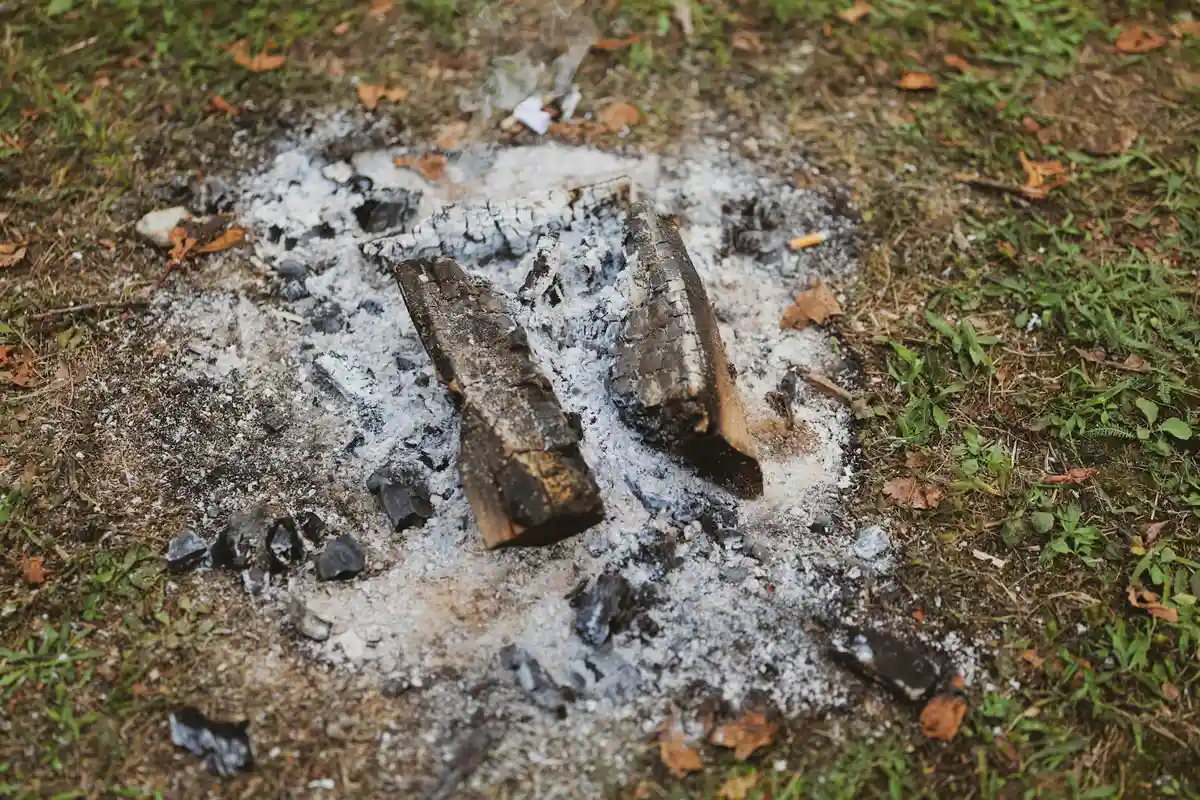
Wood ash is a free, multi-purpose abrasive and absorbent you already produce. I keep a metal can of sifted, cold ash next to my bench for shop chores. It solves common problems without harsh chemicals, unlike when you extract lye from wood ash for more caustic uses.
Think of ash as your first line of defense for cleaning glass, polishing metal, and managing slippery spills. It won’t replace dedicated products for every job, but it works surprisingly well for many.
Cleaning Glass and Metal Surfaces
The Ash Paste Method for Stove Glass
Cloudy, blackened stove glass is just baked-on carbon and resins. Commercial cleaners work, but ash paste is free and effective. The key is alkalinity.
Wood ash mixed with a little water creates a mild alkaline paste that breaks down the sticky carbon deposits on glass. Here is my method:
- Ensure the ash is completely cold and the glass is cool to the touch.
- Put a tablespoon of fine, sifted ash in a small container.
- Add water drop by drop, stirring until you have a paste with the consistency of toothpaste.
- Dip a folded paper towel in the paste and rub it firmly onto the glass in small circles.
- Let the paste sit on the glass for a minute to let the alkali work.
- Wipe clean with a damp cloth, then polish with a dry one.
The glass will be clear. If a faint haze remains, repeat the process. This works because the potassium carbonate in the ash reacts with the greasy carbon film, loosening its bond to the glass.
De-rusting Tools with Alkaline Ash
For light surface rust on plane soles, saw plates, or chisels, a damp ash slurry can be a gentler alternative to harsh acids. I use this on my vintage hand tools.
Damp ash acts as a fine, non-embedding polish that removes rust without damaging the underlying steel. Make a slightly wetter paste than for glass. Apply it with a cloth or your finger and rub with moderate pressure. Wipe clean and dry the tool immediately, then apply a protectant like camellia oil.
Contrast this with a phosphoric acid gel. The acid eats the rust but can also etch the metal and requires careful neutralization. Ash is slower but safer for the tool’s patina. Always test on a small, inconspicuous spot first, like the corner of a saw plate.
Absorbing Spills and Improving Traction
Dry, untreated ash is brilliant for managing messes. Its fine particles have a huge surface area.
If you spill motor oil or cutting fluid on a concrete shop floor, smother it with a generous layer of dry ash. Let it sit for ten minutes. The ash will absorb the liquid. Sweep it up and dispose of it properly. It won’t remove a stained spot, but it cleans up the slippery hazard.
Sprinkling ash on icy wooden shop steps or an oily patch on the driveway provides instant, gritty traction. It’s a temporary fix, but it works in a pinch. Just remember it will track a gray mess indoors, so use a mat.
How Does Wood Ash Work? The Mechanism of Action
You don’t need a chemistry degree. You just need to know that ash is a mild alkali with fine abrasive particles. Its behavior in the shop comes from these two traits.
In simple terms, wood ash is like a free combination of baking soda and very fine pumice powder. The baking soda part cuts grease. The pumice part polishes surfaces. This makes ash-based cleaning a natural prep for removing ash stains and sealing wood. The next steps will show practical ways to do this.
The Basic Chemistry: What Fire Leaves Behind
When wood burns completely, the organic compounds (cellulose, lignin) turn to gases. What remains are the mineral nutrients that were in the tree. The main components are:
- Potash (Potassium Carbonate): This is the primary alkali. It makes ash feel slippery when wet.
- Calcium Carbonate: A milder alkali, like limestone.
- Trace Minerals: Silica, magnesium, and phosphorus. The silica provides the grit.
The exact makeup depends on the wood species and burn temperature. Hardwood ash generally has more potash.
Alkalinity in Action: Cutting Grime and Modifying Wood
Alkaline substances are grease-cutters. They saponify fats, meaning they turn oils into a soap-like substance that dissolves in water. This is how the paste cleans stove glass and degreases tools.
This property has a subtle woodworking use, too. A weak ash-water wash can lightly etch a wood surface, opening the grain slightly for better stain or dye adhesion. I’ve used it on dense, closed-grain woods like maple before applying aniline dye. Test on scrap first, as it can also impart a slight gray tone.
Abrasiveness and Pigmentation
The abrasive quality comes from microscopic silica particles. If you sift ash through a fine kitchen strainer, the result is a remarkably consistent powder.
Sifted wood ash has an abrasive grit equivalent to about 400-600 grit sandpaper. It’s fine enough to polish without leaving deep scratches, which is why it works on glass and metal. The color comes from two sources: black carbon from incomplete combustion and various mineral oxides (iron, manganese) that create buff, brown, or reddish hues.
This is why ash from different woods can have different colors and textures. Oak ash tends to be grayer and grittier. Pine ash is often lighter and finer. For shop use, I mix it all together. For finishes or pigments, I separate and test batches. To match wood colors across species, compare swatches from different woods side by side. That helps predict how finishes will look when combining species in a project.
What Are the Health Risks and Required Safety Gear?
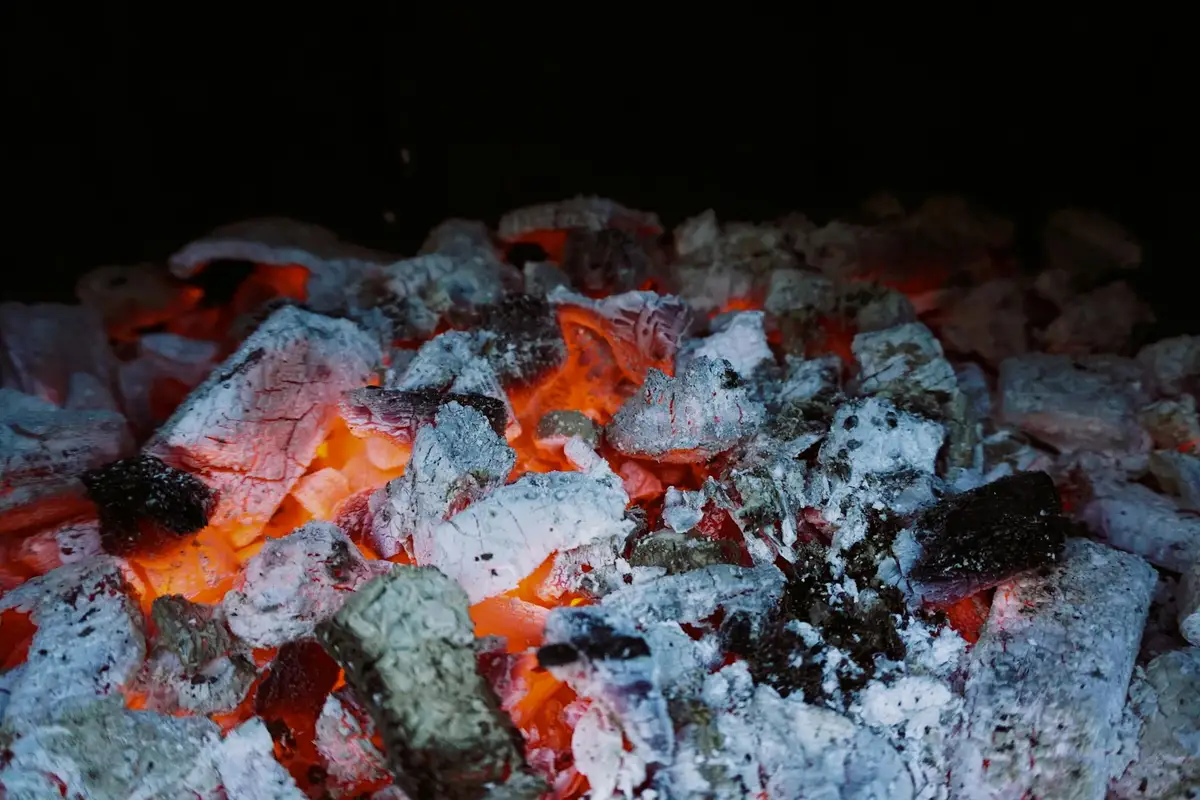
Working with wood ash isn’t like sanding oak. The fine, powdery dust is the main problem. It’s a physical irritant, not a poison, but your lungs don’t know the difference. Over time, some people can become sensitized to wood dust—an immune response that can persist even after exposure ends. This is different from ordinary irritation and helps explain why robust protective measures and exposure controls are important.
Always treat it like fine sanding dust. The particles are so small they can bypass your nose’s defenses and settle deep in your airways. A good quality, well-fitted N95 respirator is non-negotiable. I keep one dedicated to ash and plaster work.
Toxicity Profile and Respiratory Protection
Wood ash is chemically basic or alkaline. This is why it feels slippery with water. That alkalinity can dry out and irritate skin and is harsh on lung tissue. It’s not a chronic toxin like heavy metals from pressure-treated wood, but the physical irritation is real. Good shop ventilation is your second line of defense, right after the mask.
The goal is to keep the ash out of your body, and a proper mask with good airflow in the shop makes that simple.
Essential Personal Protective Equipment (PPE)
Your ash-handling kit is simple and probably already in your shop. Don’t skip any piece.
- Respirator: N95 or P100 for filtering fine particulates.
- Gloves: Nitrile or rubber. Basic cotton workshop gloves won’t stop the fine powder or the alkaline moisture.
- Eye Protection: Safety glasses are a must when sifting or mixing. A gust of wind or a clumsy pour sends this powder everywhere.
I also wear a dedicated shop apron. Ash has a habit of getting on clothes and then being inhaled later when you brush it off.
Safe Handling and Final Disposal
Before you even collect ash from your stove, let it cool completely for several days. I use a dedicated metal can with a tight lid for storage and disposal.
Never put warm ashes in a plastic bag or bin; latent heat can smolder and start a fire. Keep the metal can outside, away from your shop wall and any combustible materials.
For final disposal, your garden is a good option, but only if you burned only clean, untreated wood. The ash adds potassium and lime. If you burned painted, stained, or pressure-treated wood, that ash contains chemicals you don’t want in your soil. Bag it and dispose of it with your regular trash. Knowing how to dispose of ashes from a wood stove safely after all uses are exhausted means either returning nutrients to the earth responsibly or keeping potential contaminants out of it.
How Does Using Ashes Support Sustainable Woodworking?
For me, using ash is the final step in a tree’s journey. You mill the wood, build with the boards, burn the scraps for warmth, and then use the last physical remnant in your shop. It closes the loop completely.
This practice moves you from a consumer to a steward. You stop buying some finished chemicals and start making simple, effective ones from a true waste product.
Closing the Loop on Wood Waste
Think about your shop’s waste stream: sawdust, planning shavings, cutoff blocks. If you have a stove, those become fuel. The ash that remains isn’t garbage; it’s a raw material. Using it is the ultimate recycling.
It transforms a linear process (tree to product to trash) into a circular one where nothing is truly wasted. I source my ash from my own mill ends and fallen limbwood, which feels like the most ethical cycle possible.
Reducing Reliance on Commercial Shop Chemicals
Compare two items on your bench. One is a plastic bottle of branded metal polish, bought online and shipped to you. The other is a jar of fine ash paste you made from your winter’s heat. The second option has virtually no environmental footprint and cost you nothing.
Ash replaces several common shop items. A paste of ash and water makes an excellent, mild abrasive for polishing brass hardware or cleaning glass. Mixed with a little oil, it becomes a friction polish for tool handles. Each batch you make is one less aerosol can or plastic bottle in the system.
This isn’t about being perfect. It’s a small, tangible act that makes your workshop more self-reliant and a little gentler on the world.
Frequently Asked Questions: Wood Ash in the Workshop
Can I mix ash directly into oil-based finishes for a filler?
Yes, fine sifted ash can be blended with polymerized oils like tung or linseed oil to create a grain-filling paste. The ash particles remain suspended in the cured oil, providing both subtle pigmentation and physical filling of open pores.
What is the effective grit equivalent of sifted wood ash?
Properly double-sifted wood ash performs as an ultra-fine abrasive, comparable to 600-800 grit sandpaper or pumice powder. This makes it effective for final-stage polishing of cured film finishes without introducing visible scratches.
How can I test if my ash is suitable for fine woodworking applications?
Perform a slurry test: mix a small sample with distilled water and check for a pronounced alkaline (slippery) feel, indicating active potassium carbonate. For pigment use, rub a damp paste on bare, sanded scrap wood to evaluate its color deposit and texture.
Does wood ash have a shelf life for workshop use?
Dry, sifted ash stored in an airtight metal container is chemically stable indefinitely. However, its alkalinity can diminish if it absorbs atmospheric carbon dioxide, converting potassium carbonate to less active bicarbonate over a very long period.
How do I adjust the color intensity of an ash stain?
Control color by varying the ash-to-water ratio and the application technique. A thicker paste left on the wood longer will deposit more particles in the grain for a darker, more pronounced effect, while a quick wash provides a faint, silvery tone.
Ash Integration for the Thoughtful Woodworker
I always insist on using only cold, sifted ash from untreated wood as your starting point. This simple rule eliminates hidden fire risks and prevents chemical contamination from painted or processed lumber. Test any ash-based mixture on scrap wood first to see how it reacts with your specific finish or adhesive. Also, be mindful of burn-scrap-wood safety hazards when disposing of scraps. Burning scrap wood with coatings can release toxic fumes and embers, so dispose of it properly and follow local regulations. That test piece is your best insurance against ruining a finished project with an unpredictable material.
Using ash closes a waste loop in your shop, making your craft more sustainable. Stay engaged with the science of wood and its by-products to make informed, responsible choices every time you work.
Deep Dive: Further Reading
- r/homestead on Reddit: Tell me your best uses for the wood stove ash 🙏
- Hey Mr. Green! What Should I Do With Ashes From a Woodstove Fireplace? | Sierra Club
- 70+ Uses for Wood Ash – Practical Self Reliance
- r/Homesteading on Reddit: Tell me your best uses for the wood stove ash 🙏
David Ernst
David is a veteran woodworker. He is now retired and stays in his cabin in Wisconsin which he built himself. David has 25+ years experience working in carpentry and wood shops. He has designed and built many small and large wood projects and knows the science behind wood selection like the back of his hand. He is an expert guide on any questions regarding wood material selection, wood restoration, wood working basics and other types of wood. While his expertise is in woodworking, his knowledge and first hand experience is far from 'woody'.