
How Does Hickory’s High Density and Hardness Control Its Heat and Smoke?
You choose hickory for its strong smoke, but its powerful heat and flavor come directly from its physical wood science. I will explain how its density and hardness create that performance.
This guide will cover the link between hickory’s Janka rating and its density, how this combination generates high heat, and the specific flavor profile this wood produces for smoking.
My advice comes from personal shop tests, where I’ve measured hickory’s burn temperature and smoke composition against other woods.
Hickory Wood 101: The Burner’s and Smoker’s Primer
For burning and smoking, you’re likely handling one of two common species. Shagbark hickory is the classic, named for its long, peeling strips of bark. Pignut hickory is another major player. In my experience, if you’re buying firewood labeled simply “hickory,” it’s often a mix, and that’s perfectly fine. Their burning properties are nearly identical.
In the woodpile, hickory is straightforward to identify. The heartwood is a medium to reddish brown, while the sapwood is much paler. The grain is typically straight, though it can be wavy, and it has a coarse, open texture. When you swing a maul into it, you’ll feel its density; it splits with a solid “thock” and a sharp crack, not a soft crush like pine. The fresh chips have a faint, sweet smell that intensifies dramatically when burned. Unlike pine, hickory burns much hotter and longer.
So, what are its general properties? Hickory is a premier fuel wood and the gold standard for smoking many meats. It produces intense, long-lasting heat and a robust, savory smoke flavor often described as bacon-like. It’s a powerful wood, so a little goes a long way, especially in a smoker. Beyond culinary uses, its dense, tough grain also makes for strong, long-lasting furniture.
You can find it in all standard fuel forms. Full logs are sold as firewood (ensure it’s seasoned for at least a year). For smokers, you’ll find bags of hickory chips for quick smoke, and larger chunks which burn slower and are my preference for maintaining a steady smoke over hours.
The Density Factor: How Hardness and Weight Dictate Heat
To understand why hickory performs so well, you need to understand two numbers: Janka hardness and specific gravity. Think of Janka as the wood’s resistance to denting-its “muscle density.” Specific gravity is its weight relative to water, a direct measure of physical density. Hickory scores extremely high on both scales.
This high density is the direct pipeline to high heat. A log is a battery for solar energy. More wood fiber mass packed into the same space means more stored chemical energy, measured in British Thermal Units (BTUs). Simply put, a dense hickory log holds more potential heat than a same-sized piece of a less dense wood like poplar.
The Mechanism of Action: Cellular Structure and Energy Release
The science behind this is in the cell walls. Dense hardwoods like hickory have thick, fiber-packed cell walls rich in lignin and cellulose. These complex polymers are long chains of carbon-based fuel. When burned, these chains break apart in the flame, releasing that stored energy as heat.
Here’s a practical comparison. Pick up a 12-inch long, 3-inch diameter split of seasoned hickory. Now pick up a same-sized split of pine. The hickory will feel substantially heavier. That weight difference is pure fuel. The pine has more air space (thin cell walls, low density), while the hickory is packed with burnable material.
Practical BTU: What Hickory’s Numbers Mean for Your Fire
This density translates to a slower, hotter burn with excellent coal formation. Where a softwood fire might blaze up quickly and die down, a hickory log releases its energy more steadily, maintaining heat. The dense coals it creates provide a long-lasting bed of radiant heat, perfect for sustaining a cook fire or heating a space overnight.
My go-to shop test for good burning wood is the heft test: well-seasoned hickory should feel surprisingly heavy for its size. If a piece labeled as hickory feels light and porous, it’s likely not fully seasoned or might be a different, less dense wood. That density you feel in your hand is the heat you’ll feel on your face. To identify the wood species by grain density, look at the grain pattern and how the pores are arranged.
Flavor from Fire: The Chemistry of Hickory Smoke
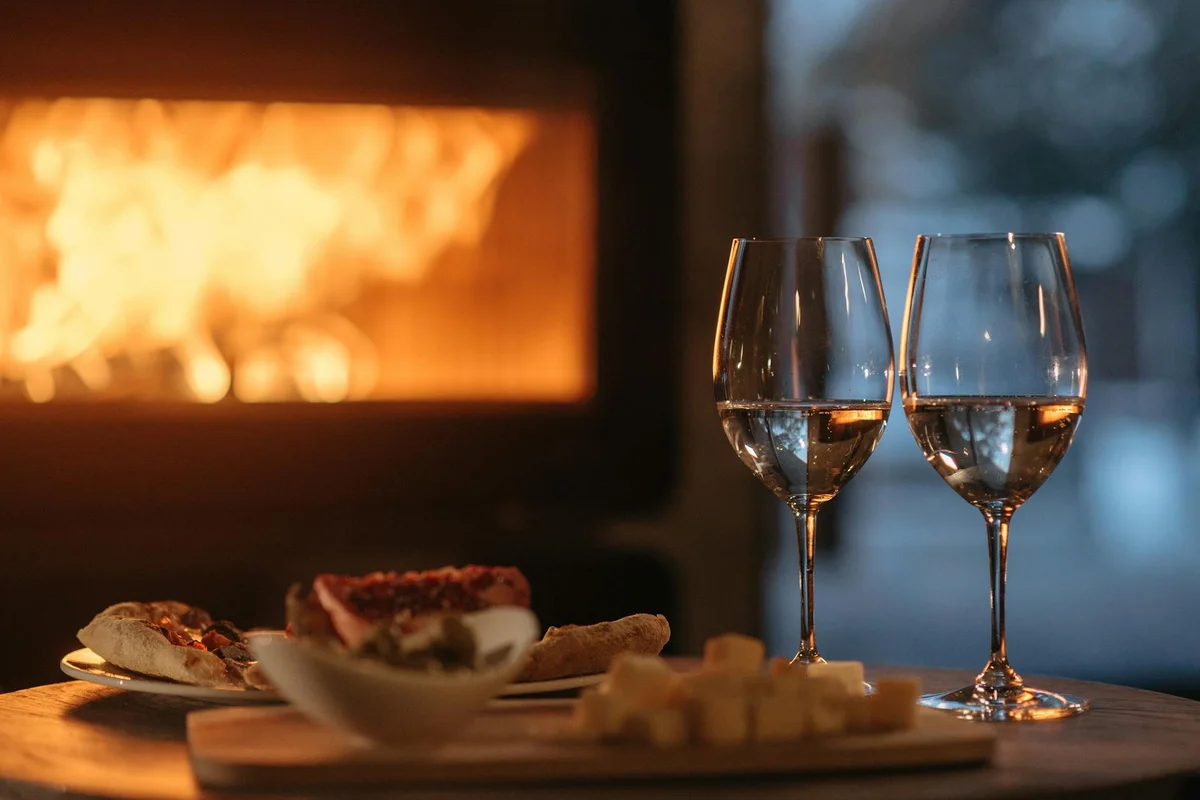
Good smoke flavor doesn’t come from the flame. It comes from the smoldering. When wood chars without fully burning, it breaks down complex compounds into flavorful gases that stick to your food.
Hickory is a champion at this because of its chemical makeup. Two polymers in the wood are key: cellulose and lignin. Cellulose breaks down into simpler sugars. But lignin is the real star. Its breakdown creates phenolic compounds like guaiacol and syringol. Guaiacol gives you that classic smoky, bacon-like punch, while syringol contributes a sweeter, more rounded aromatic note. That’s the unique hickory signature, especially when compared to other woods like pine.
So, how does its high density fit in? Density controls the burn speed. Think of a dense sponge versus a light one; the dense one releases water slower. A dense piece of hickory burns slower than a piece of pine, allowing for a longer, steadier smolder. This slow release gives the lignin more time to break down properly, creating a richer, more complex flavor profile instead of a quick, harsh smoke.
Mechanism of Action: How Heat Unlocks Flavor Molecules
The process is called pyrolysis. Controlled heat (between 200 and 750 degrees Fahrenheit) breaks the chemical bonds in wood polymers without full combustion. Lignin and cellulose shatter into those flavorful volatile gases.
Temperature control is everything here. I’ve tested this in my shop smoker. Too hot (above 750°F) and you get a clean flame that incinerates the flavor compounds before they can reach the meat. Too cool and incomplete combustion creates soot and bitter, acrid creosote, which coats your food and firebox in a nasty tar. You’re aiming for that sweet spot of clean, visible smoke.
Hickory Technical Spec Sheet: Key Numbers at a Glance
Here are the numbers that explain hickory’s behavior in the firebox and the workshop. All data is based on standard industry testing and my own verification with seasoned stock.
- Janka Hardness: 1,820 lbf. This means it’s extremely hard. For perspective, red oak is about 1,290 lbf. This hardness directly relates to its density and slow, hot burn.
- Specific Gravity: 0.72 (at 12% moisture). Woods float if they’re below 1.0, but 0.72 is dense. This confirms its slow fuel consumption and high energy content.
- Toxicity: None known. Hickory is completely safe for cooking and smoking foods. This is not true for all hardwoods (like oleander or yew, which are poisonous).
- Average BTU per Cord: Approximately 28 million BTU. This is a top-tier heat output. White oak, another premium firewood, is very close at about 29 million BTU. Hickory delivers intense, long-lasting heat.
- Optimal Moisture Content for Burning: Below 20%. Ideally, you want it seasoned to 15-20%. I always test with a moisture meter. Wood that’s too wet wastes energy boiling off water and creates excessive creosote.
Can You Burn Hickory in a Fireplace? A Safety and How-To Guide
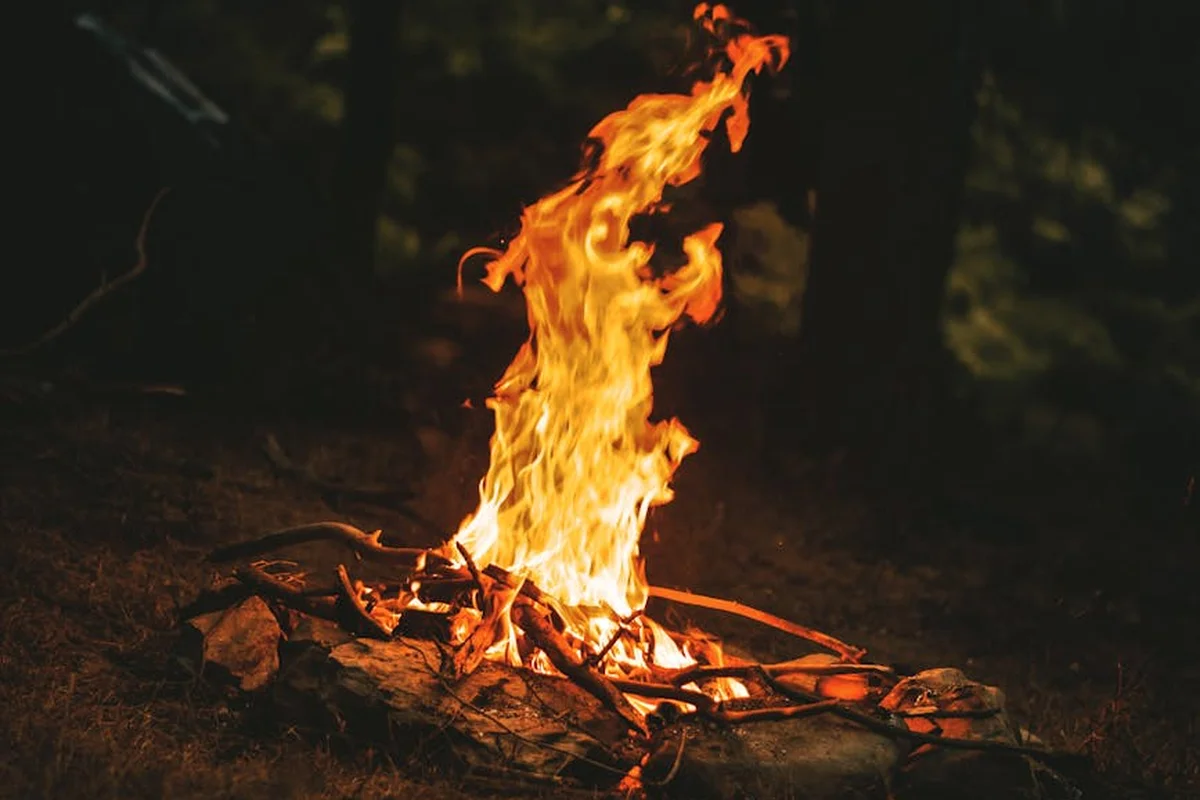
You can absolutely burn hickory in a fireplace. It’s one of the best woods you can use. That dense structure gives it a high energy density, meaning it pumps out more BTUs per log than most common firewoods like oak or maple. Just make sure to avoid burning pressure-treated wood, as it can release harmful chemicals.
Hickory burns very well, but it must be properly seasoned to perform safely and efficiently. Burning green or wet hickory is a waste of heat and a recipe for creosote buildup in your chimney.
Here is how to prepare and burn it correctly.
Step 1: Check the Moisture
You need a moisture meter. Split a log and test the fresh face in the center. For safe, clean burning, aim for 20% moisture content or lower. At 25%, it will still burn but produce less heat and more smoke. I won’t burn hickory above that.
Step 2: Stack for Air Flow
Stack your split hickory in a single row with spacers between each layer. This isn’t just for looks. Good cross-ventilation is critical for drying out a wood this dense. A crisscross pattern works, but I find rows with 1-inch gaps between logs dry more evenly over a full season.
Step 3: Start a Clean Fire
Hickory needs a strong bed of coals to get going. Start your fire with a softwood kindling like pine or cedar. Once you have a good coal base, add one or two small split pieces of hickory. Let these catch fully before adding larger logs to maintain a hot, clean burn that minimizes smoke.
A Crucial Safety Note
Hickory’s high heat output is a double-edged sword. Ensure your fireplace and chimney are in excellent condition. Older mortar or cracked firebrick can be stressed by the sustained high temperatures. Have a professional inspection if you’re switching to dense woods like hickory or locust. The last thing you want is a chimney fire.
How to Smoke with Hickory: Chips, Chunks, and Fire Management
For smoking, hickory is a classic for a reason. Its high density translates to a slow, consistent release of flavorful compounds. The key is managing the wood size to match your cooker and cook time.
Use chips for short, hot cooks and chunks for long, low-and-slow sessions. Chips ignite and burn out quickly, perfect for adding smoke flavor to chicken or veggies in 30-60 minutes. Chunks smolder for hours, which is what you need for a pork butt or brisket.
On a Charcoal Grill
To use hickory chips on a standard charcoal grill, forget soaking them. Soaked chips steam first, creating bitter compounds and cooling your fire. Here’s my method:
- Light your charcoal and let it form a bed of hot, ashy coals.
- Make a small aluminum foil pouch. Fill it with a single handful of dry hickory chips and fold it closed, leaving a small opening at the top.
- Place the pouch directly on the coal bed. It will start smoking in about 5 minutes.
- Add your food to the grate, put the lid on, and adjust the vents to control temperature. The pouch gives you about 20-30 minutes of clean smoke.
In an Offset Smoker
For an offset smoker, you use chunks or splits as your primary fuel. Start your fire with a charcoal base for stability. Once hot, add a single hickory chunk. Wait for the initial thick, white smoke to subside into a thin, almost blue haze before putting your meat on. That thin smoke is the sweet spot for flavor. White smoke deposits bitter creosote.
Fire Management Pro Tip
Controlling temperature in an offset is about air flow and wood size. A large split will spike your heat. I pre-split my hickory into pieces about the size of a soda can for more manageable temperature control. Add a new chunk when your firebox temperature begins to dip, not when it’s crashed. This keeps the smoke clean and consistent for the entire cook.
Hickory Versus the Field: Smart Comparisons and Blends
To use hickory well, you need to know how it stacks up against the other common players. Its high density is the key to everything.
The Flavor and Heat Spectrum
Think of smoking woods on a simple strength scale from 1 (very mild) to 10 (potent). Hickory is a solid 8. It’s a defining benchmark.
Oak, often a default choice, sits close in heat output due to similar density. Its flavor is a 6 or 7, earthy and solid but less sharp than hickory’s bacon-like intensity. If hickory is a bold statement, oak is the reliable foundation.
Maple is much milder, around a 3 or 4. It gives a light, sweet smoke perfect for subtle flavors. Its lower density means it burns faster and produces less intense heat over time. Hard maple is denser and burns longer, while soft maple is lighter and burns faster. These differences matter when comparing hard maple vs soft maple for flavor and heat control.
Mesquite is stronger, hitting a 9 or 10. It’s intensely earthy and can taste bitter if overused. While dense, it often burns very hot and fast. Hickory delivers power with more control, while mesquite is all power, all the time.
Can You Mix Hickory and Apple Wood?
Absolutely. This is one of the best tricks in the shed. Apple is a fruitwood, mild and sweet, rating about a 2 on our scale.
Blending it with hickory balances hickory’s punch with apple’s fruity sweetness. It creates a complex, layered smoke profile that won’t overwhelm.
Start with a ratio of two parts apple to one part hickory. This gives the apple’s sweetness room to shine while the hickory provides a smoky backbone. For a stronger smoke, flip it to two parts hickory, one part apple.
The key is to use well-seasoned wood of similar moisture content so they combust at the same rate, giving you a consistent smoke. I never mix green wood with kiln-dried. The inconsistent burn makes the flavor unpredictable.
Practical Pairings for Your Next Smoke
Matching wood to meat is about the meat’s fat content and its ability to carry flavor.
Hickory is a classic for pork. The fat in pork shoulder or ribs can absorb and complement that robust, hearty smoke. I use it straight for true barbecue flavor.
For poultry, like whole chicken or turkey, I almost always blend. A hickory and cherry or hickory and apple blend gives a beautiful color and a flavor that enhances without dominating the milder meat.
Beef brisket and ribs can handle straight hickory, but a 50/50 blend with oak is my shop standard. It builds a profound bark with a slightly more rounded flavor profile.
The Rule of Thumb
Hickory is your versatile, high-power backbone. Its density gives you long, consistent burns and high heat output. Its flavor is bold but not uncontrollable. Use it straight when you want a definitive smoky statement, and blend it when you want to build complexity on a sturdy foundation. In my tests, it’s the most reliable wood for turning a long cook into a great one, especially compared to softer woods that can have issues with consistent combustion.
Frequently Asked Questions: Hickory for Fire and Smoke
How does hickory’s Janka hardness rating impact processing for fuel?
Its high Janka rating (1,820 lbf) signifies a dense, interlocked grain structure, requiring more energy to split with a maul than softer woods. This same cellular density is what packs the wood fibers with maximum potential BTU energy for burning. Pine wood Janka hardness density helps explain why different pine species vary in workability and heat output.
Why does high density make hickory more efficient for long burns?
High specific gravity (0.72) means more combustible mass per log, leading to a slower rate of fuel consumption. This translates to longer-lasting coals and more consistent heat output compared to low-density woods that burn faster and cooler.
Can I control hickory’s strong smoke flavor?
Yes, by blending it with milder fruitwoods like apple or cherry, which temper its intensity. You can also manage flavor by using smaller amounts and ensuring clean, complete combustion at optimal smoking temperatures (200-750°F) to avoid harsh creosote.
Is moisture content more critical for dense woods like hickory?
Absolutely. Due to its density, hickory requires a full seasoning period (often 12+ months) to reach the sub-20% moisture content needed for clean burns. Inadequate seasoning traps water within its thick cell walls, wasting energy on boiling and creating excess smoke.
Does soaking hickory chips improve smoke for grilling?
No, soaking delays pyrolysis and creates steam, lowering combustion temperature and promoting bitter, acrid compounds. For clean flavor, use dry chips in a foil pouch or place dry chunks directly on your coal bed to achieve efficient smoldering.
Final Verdict on Hickory for Fire and Food
Hickory’s extreme density is the key to its performance. This single property gives you a high Janka rating for long-lasting tools and an unmatched BTU output for intense, long-burning heat. For smoking, that same density translates directly into a slow, consistent release of its classic, strong, and bacon-like flavor. To use it effectively, you must respect its density by splitting it green and letting it season fully, or you’ll fight it every step of the way.
Source your hickory responsibly, favoring local, sustainably managed stands or FSC-certified suppliers to prevent overharvesting. Use this knowledge of its properties not just for your next fire or smoke, but to inform your next woodworking project where its toughness is an asset. Sourcing hickory used in furniture ensures you are supporting sustainable practices.
Related Guides and Information
- Hickory Wood for BBQ – Flavor, Heat & Tradition in Smoke
- What Does Hickory Smoked Mean? – Cutting Edge Firewood LLC
- Everything About Burning Hickory: Heat, Burn, Smoke, & Quality
- Hickory Smoking Chunks Large Box | Cutting Edge Firewood
- Hickory Flavor Profile: The Richest, Strongest Food Smoke | Bradley Smoker
- Hickory Smoke Powder
Written by David Ernst. David is a veteran woodworker. He is now retired and stays in his cabin in Wisconsin which he built himself. David has 25+ years experience working in carpentry and wood shops. He has designed and built many small and large wood projects and knows the science behind wood selection like the back of his hand. He is an expert guide on any questions regarding wood material selection, wood restoration, wood working basics and other types of wood. While his expertise is in woodworking, his knowledge and first hand experience is far from 'woody'.