
Cherry Wood for Your Bench or Your Grill: How Does Sourcing Really Differ?
You might pick up a board of Cherry for a jewelry box and a bag of chips for your smoker, but they are not the same material. The core difference starts with the wood’s fundamental properties and how they are processed for each job.
This article provides shop-tested guidance and materials science on critical moisture content for stability versus smoke production, how heat treatment changes the wood’s chemistry, and where to reliably source each type for best results.
My advice comes from direct testing, comparing Cherry’s behavior as both a furniture wood and a fuel in my own workshop and experiments.
The Short Answer: You’re Hunting for Different Parts of the Same Tree
Whether you’re building a table or smoking a brisket, you start with the same tree: North American Black Cherry (Prunus serotina). The fundamental difference is what you need from it. For woodworking, you need stable, predictable material that will hold its shape for decades. For smoking, you need fuel that burns cleanly and imparts flavor.
Think of it like this. In my shop, I might have a beautiful, wide cherry board for a cabinet door. Right next to it, I have a bucket of offcuts and scraps from trimming that board. The cabinet door demands perfection. The scraps are perfect for the smoker. You are essentially choosing between the premium, structural parts of the tree and the smaller, less critical pieces. The species is identical, but your criteria for a “good” piece are complete opposites.
Sourcing Cherry Wood for Your Next Furniture Project
You are not looking for logs or firewood. You are shopping for processed lumber. This is a critical distinction. A lumberyard or specialty hardwood dealer is your source, not a fireplace store.
Your primary goal is moisture control. Wood is a sponge. It constantly absorbs and releases water vapor from the air, which makes it expand and shrink. For furniture that lives inside your home, you must start with wood that has already lost most of its internal moisture. You need kiln-dried stock with a moisture content between 6% and 8%. This matches the equilibrium moisture content of a climate-controlled interior. Starting here is the single biggest factor in preventing cracks, gaps, and warps later.
Board grades can be confusing. They measure the percentage of clear, defect-free wood on a board face.
For large panels and visible faces, FAS (First and Seconds) grade offers the longest, widest clear sections.
For drawer sides, frames, or smaller parts, #1 Common has smaller clear areas but is far more economical. For painted projects or structural frames, #2 Common is fine. Do not overpay for FAS if you are cutting a board into small pieces.
You buy hardwood by the board foot, a volume measurement (144 cubic inches). Thickness is quoted in quarters of an inch. A “4/4″ board is nominally 1 inch thick, but its actual surfaced thickness is about 13/16”. An “8/4″ board is nominally 2 inches thick, surfacing to about 1 3/4”. You pay more for thicker stock because it comes from older, larger trees and requires more drying time and labor.
Cherry is a premier furniture wood for good reason. It machines beautifully with minimal tear-out and sands to a silky feel. Its closed grain accepts a finish exceptionally well, from simple oil to complex lacquer. The magic of cherry is how it ages; exposure to light deepens its reddish-brown color over months and years, giving your project a living warmth. This combination of workability and beauty makes it ideal for heirloom cabinets, tables, and chairs.
Cherry Lumber Technical Spec Sheet
This data helps you predict how cherry will behave in your shop, not in your smoker.
- Janka Hardness (950 lbf): This measures resistance to denting. Cherry is softer than oak (1290 lbf) but harder than pine (380 lbf). It is durable for furniture but will show wear over time, which many find desirable.
- Specific Gravity (0.50): This is the density compared to water. Cherry is a medium-density wood. It is neither too heavy to move easily nor too light to feel insubstantial.
- Tangential Shrinkage (7.1%): This is the key movement coefficient. It tells you how much a flat-sawn board will shrink across its width as it dries. Cherry moves a moderate amount. Always design for wood movement, especially for wide panels.
What “Good” Looks Like in the Lumber Pile
Standing at the rack, look for boards with consistent heartwood color. Avoid pieces with the pith (the soft center of the tree) included, as these are guaranteed to crack. Check for flatness. Sight down the edge for bow (lengthwise curve), look for cup (across the width), and twist (a corkscrew shape). A little bow is easy to joint out. Twist is a bigger problem.
Sapwood, the pale yellow outer wood, is structurally sound. Some designers use it for contrast. Most yards sell it at a discount, as it will not darken like the heartwood.
Here is a quick test for bad drying. Lightly tap the end of a board with a hammer or another piece of wood. A clear, ringing sound is good. A dull thud can indicate internal cracks or rot. Also, run your hand down the board. If the edges feel much drier or harder than the face, it might be case-hardened from overly aggressive kiln drying. This wood can warp unpredictably later.
Sourcing Cherry Wood for Your Smoker or Grill
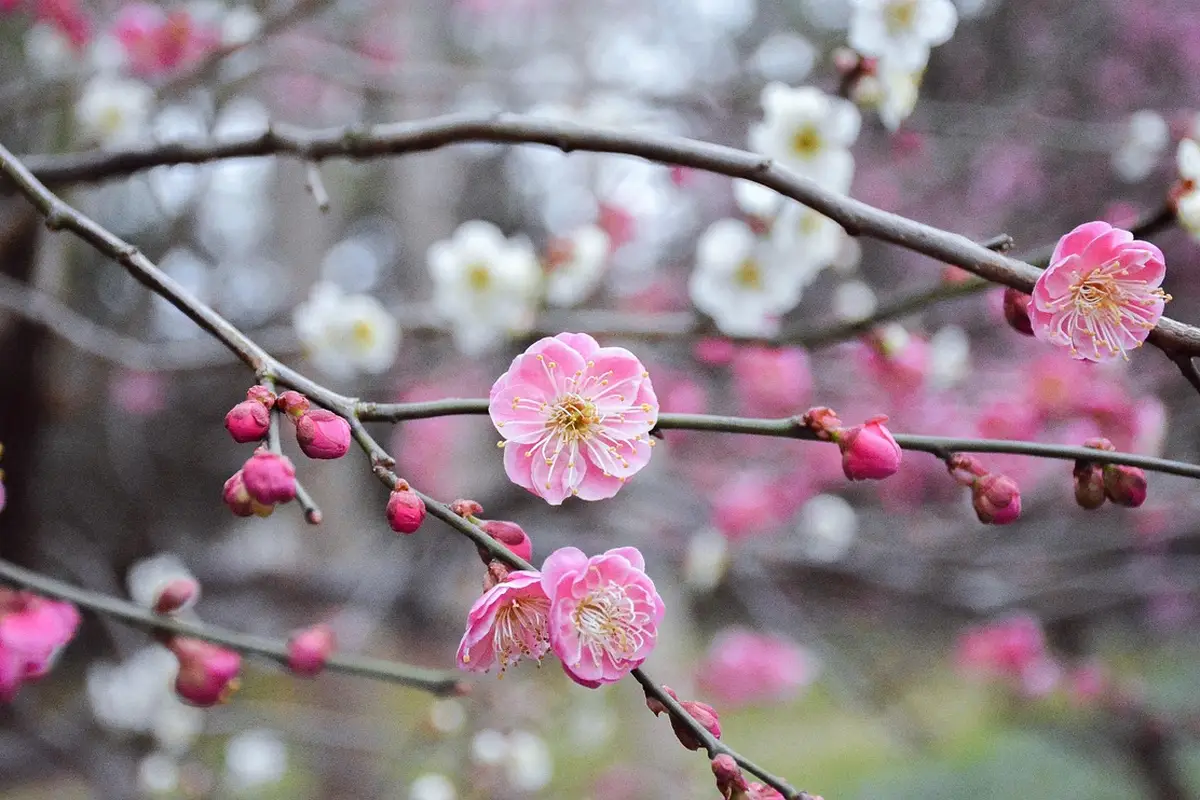
Your mission here is completely different. You are not selecting a stable board. You are shopping for fuel. The goal is clean, consistent smoke, not a flawless glue-up.
You want properly seasoned wood. Seasoned means naturally air-dried to a specific moisture range, which is fundamentally different from the kiln-dried lumber you need for a table. For smoking, aim for wood with 15% to 25% moisture content. Kiln-dried cabinet wood, at 6-8%, is too dry; it will burn too fast and harsh, robbing your food of that mellow, sweet cherry flavor. A little internal moisture slows combustion, creating the optimal smoke.
Cleanliness is non-negotiable. The wood must be free of paints, stains, preservatives, or glues. Any chemical contaminant on the wood can become a toxic vapor that deposits onto your food. This is why grabbing an old pallet or furniture scrap is a dangerous gamble when it comes to chemically treated wood toxicity.
Wild cherry, like black cherry, is excellent for smoking. The caution is in the leaves and bark. While the solid wood is safe, wilted cherry leaves can produce cyanide compounds. Just use the clean, seasoned heartwood and sapwood from the trunk and branches, and you’ll have fantastic results. This warm cherry wood color offers a natural path to cherry wood color coordination with cabinets and decor.
Form Factor: Chunks, Chips, or Splits?
The size of the wood piece dictates how it burns and fits your equipment.
- Chunks (fist-sized): These are the workhorses for offset smokers and charcoal grills. They smolder for hours, providing a steady stream of smoke. A piece about the size of a softball is perfect.
- Chips (small, 1-2 inch pieces): Designed for electric or gas smokers and grill boxes. They ignite and burn out quickly, so you must soak them to prolong smoke or use a specialized smoker box. Dry chips will be ash in minutes.
- Splits (large, 12-18 inch lengths): This is fuel for dedicated stick burners. They are the primary heat and smoke source, requiring active fire management.
Never use sawdust or shavings from your woodshop for smoking. It’s nearly impossible to guarantee it’s free from microscopic glue, finish, or metal filings from your tools. The risk of contaminating your food is far too high.
How to Test Your Smoking Wood Before You Fire Up
Use your senses. Good smoking wood should pass a simple three-point check.
- Smell: It should have a sweet, fruity, woody aroma. A sour, musty, or vinegar-like smell means rot or mold is present. Throw it out.
- Look: The ends should show cracks (checking) and look grayish, not fresh and green. Avoid any wood with signs of paint, mold (black or green spots), or insect nests.
- Sound: Knock two pieces together. Well-seasoned wood makes a hard “clunk” or ring. Wood that’s too wet or punky makes a dull “thud.”
If you detect any chemical odor, like diesel or treated lumber, do not use it. Your nose is your best safety tool.
Where to Find Cherry Wood for Either Purpose
The supply chains for furniture lumber and smoking fuel rarely overlap. Knowing where to look saves time and ensures you get the right product for the job.
Finding Woodworking Lumber
You will not find true, high-quality cherry lumber at a typical big-box home center. Your primary sources are specialty suppliers who understand wood movement and grading, especially when pairing them with other wood species.
- Local Hardwood Dealers & Sawmills: This is your best bet. You can hand-select boards for color and grain. Supporting a local mill often means sustainably sourced wood from your region.
- Online Hardwood Retailers: Many reputable companies sell S2S (surfaced two sides) lumber shipped direct. You pay for shipping but gain access to specific grades and widths.
Always call ahead. Ask about their current stock of cherry, whether it’s kiln-dried, and the price per board foot. A good dealer will help you pick the right material for your project.
Finding Smoking Wood
You are looking for a commodity product, not a graded board.
- BBQ Specialty Stores & Online BBQ Retailers: These are the most reliable sources. The wood is specifically processed and packaged for smoking. You know exactly what you’re getting.
- Local Orchards or Tree Services: If a cherry tree comes down, they may sell or give away the wood. You must season it yourself for 6-12 months. Always confirm the tree was never treated with pesticides.
- Firewood Sellers: Some sellers offer “orchard mix” or fruitwood. Be very clear you need untreated cherry for cooking, not just any firewood.
Be wary of generic “grilling wood” bags at grocery stores. If the bag is vague and only mentions “flavor,” it may be unseasoned or even be a different wood with cherry flavoring oils added. Stick with brands that specify 100% natural cherry wood.
The Health & Safety Profile: Toxicity and PPE
Cherry wood gets a bad rap sometimes. Let’s clear the air. The wood itself isn’t poisonous, but its fine dust and fumes can cause real problems if you’re not careful. If you burn scrap cherry wood, the smoke and fine particulates can pose real hazards. Take extra precautions when burning scrap wood. Handling it safely depends entirely on whether you’re shaping it or burning it.
In the Workshop: Dust and Fumes
Cherry is a confirmed sensitizer. This means repeated exposure to its dust can cause your body to develop an allergic reaction over time. I know woodworkers who developed a cherry allergy after years of ignoring a mask. Respiratory protection is not optional when machining cherry; a properly fitted N95 mask is your bare minimum, and a respirator with P100 filters is far better.
The dust is an irritant to your eyes and skin, too. Safety glasses and long sleeves are smart. The biggest upgrade you can make, though, is dust collection. Cherry dust is fine and hangs in the air. A good shop vacuum or dust collector hooked right to your tool captures most of it at the source before it ever reaches your lungs.
At the Grill: Food Safety and Smoke
When burned for smoking, clean cherry wood is perfectly safe and produces a mild, sweet smoke prized for poultry and pork. The critical rule is about the wood’s history, not its species. You must never, ever burn wood that has been painted, stained, pressure-treated, or contains glue (like plywood or old furniture). These treatments release toxic chemicals like arsenic and cyanide when burned, which will contaminate your food.
Now, for the eternal debate: to soak chips or not? I don’t soak mine, and science backs this up. Soaking wood only wets the outer layer. It creates steam initially, which can cool your smoke and lead to bitter, creosote-heavy smoke as the wood finally ignites. For clean, consistent smoke flavor, use small, dry chunks or chips. They smolder perfectly, giving you the pure cherry flavor you want.
Side-by-Side: Your Sourcing Checklist
| Characteristic | For Woodworking | For Smoking Meat |
| Ideal Moisture Content | 6% to 8% (kiln-dried). Stable for building. | Fully seasoned (below 20%). No green wood, it smokes bitter. |
| Preferred Form | Dimensioned lumber, slabs, or turning blanks. | Small chunks, chips, or splits from a known clean source, especially hickory or fruitwoods. |
| Visual Red Flags | End checks, severe warping, mildew stains, or inconsistent color. | Any paint, stain, strange odor, nail holes, or signs of being processed lumber. |
| Top Sourcing Tip | Buy from a reputable hardwood dealer who kiln-dries. Ask about the board’s origin. | Buy branded bags from a grill shop or source from an orchard/firewood cutter you trust. |
Cherry Wood Sourcing FAQ: Material Science for Makers & Pitmasters
1. How do the structural benefits of cherry for woodworking differ from its flavor benefits for smoking?
For woodworking, cherry’s benefits are mechanical and aesthetic: its medium density and fine, closed grain provide excellent stability and a smooth surface for finishing. For smoking, the benefit is chemical: its specific hemicellulose and lignin content, when smoldered, produces a mild, sweet, and fruity smoke flavor.
2. Is there a practical difference between using Black Cherry versus “Wild” Cherry for these purposes?
No, for sourcing, these terms are often interchangeable for the primary species, *Prunus serotina*. The critical factor is the wood’s condition-whether it is kiln-dried and graded for stability or cleanly seasoned for combustion-not a subspecies distinction.
3. Why is kiln-dried lumber unsuitable for smoking, even though it’s premium for furniture?
Kiln-drying stabilizes wood by driving moisture below 10%, but this renders it too combustible for clean smoking; it creates harsh, acrid smoke. Proper smoking requires seasoned wood with 15-25% moisture to facilitate a clean, slow smolder that releases desirable flavor compounds.
4. Can I use sapwood for both projects, or should it be avoided?
In woodworking, sapwood is structurally sound but often discounted as its pale color won’t darken like heartwood. For smoking, sapwood is perfectly safe to use and imparts the same desirable flavor as heartwood when properly seasoned.
5. What’s the most common mistake when sourcing cherry for the wrong application?
The cardinal error is using processed lumber (e.g., furniture offcuts) for smoking, as it may harbor invisible glue or finish contaminants. Conversely, using ungraded, seasoned firewood for fine woodworking guarantees unpredictable movement and instability in the final piece.
Choosing Wood with Purpose
The core difference comes down to material science versus culinary science. For the shop, you select stable, clear, kiln-dried lumber for predictable joinery and a flawless finish. For the smoker, you seek out green, bark-on wood splits that provide maximum smoke flavor and burn control. Never interchange the two, as kiln-dried wood burns too hot and fast for good BBQ, while green wood will ruin a furniture project as it cracks and warps. Your intended outcome dictates every sourcing decision.
Always verify your supplier’s practices, favoring those who can trace their wood to sustainably managed forests. Keep asking questions about wood’s origin and properties-this curiosity is what separates a craftsperson from a hobbyist.
Expert Resources and Citations
- Cherry Wood: Color, Grain, & Characteristics – Vermont Woods Studios
- Black Cherry | The Wood Database (Hardwood)
- 6 Popular Cherry Wood Types Explained
- Woodworking: What To Know About Cherry Wood | The Family Handyman
- Black Cherry Wood: 5 Facts To Know 2025
- Cherry vs. Walnut: Choosing the Right Wood for Your Furniture – Amish Furniture Factory
- 6 Types of Cherry Wood Used for Flooring, Cabinets and Furniture
- Why Should You Consider Cherry Wood…or Not?
Written by David Ernst. David is a veteran woodworker. He is now retired and stays in his cabin in Wisconsin which he built himself. David has 25+ years experience working in carpentry and wood shops. He has designed and built many small and large wood projects and knows the science behind wood selection like the back of his hand. He is an expert guide on any questions regarding wood material selection, wood restoration, wood working basics and other types of wood. While his expertise is in woodworking, his knowledge and first hand experience is far from 'woody'.